Reclaimed Materials Furniture: A Complete Guide
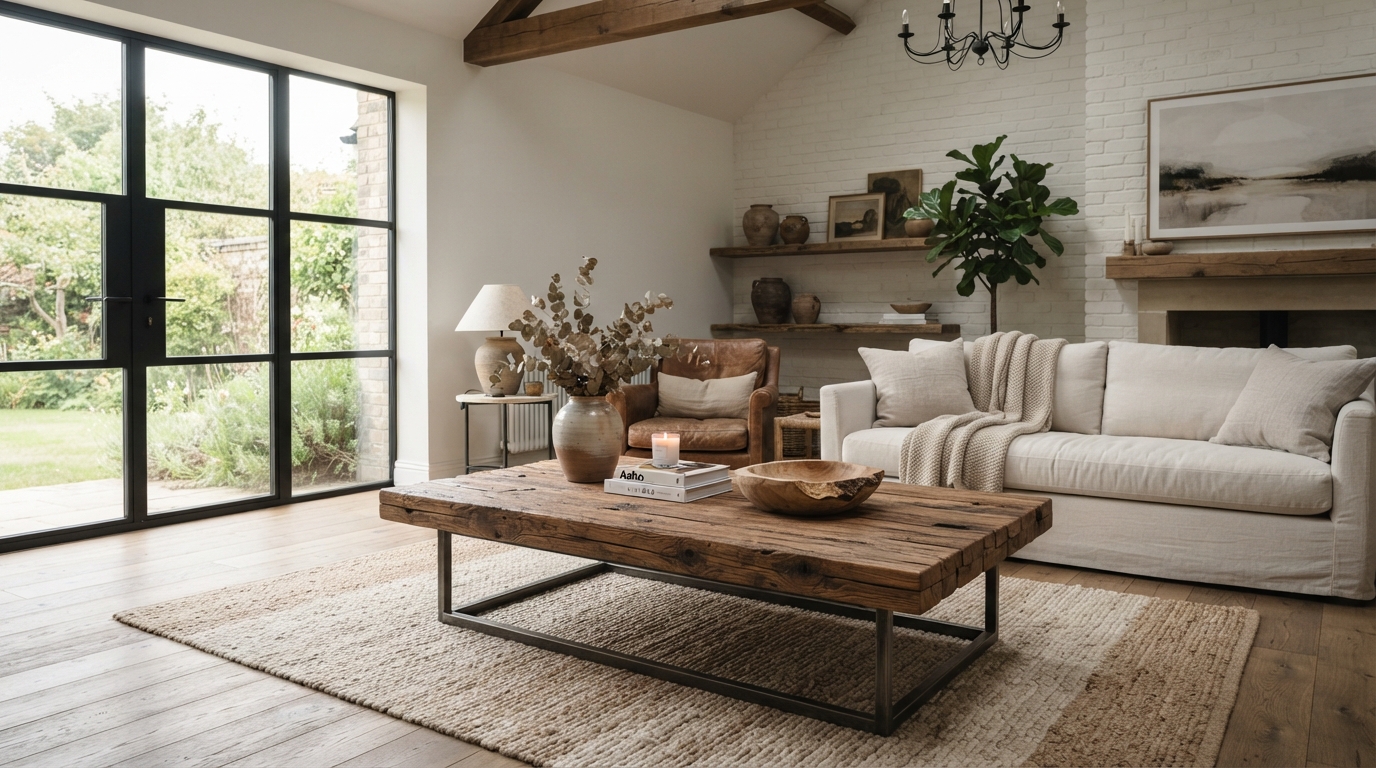
Reclaimed materials furniture is built from wood, metal, and other salvaged pieces that once served a different purpose in old barns, factories, ships, or buildings. Instead of relying on freshly cut timber or newly manufactured parts, craftsmen give these old materials a second life by turning them into tables, chairs, shelves, and cabinets.
This approach blends sustainability with character, since every piece carries visible marks of its past. As more homeowners look for eco-friendly choices, reclaimed materials furniture has become a meaningful way to decorate a space while reducing environmental impact. This guide walks through everything worth knowing before buying, making, or caring for such furniture.
Understanding Reclaimed Materials Furniture
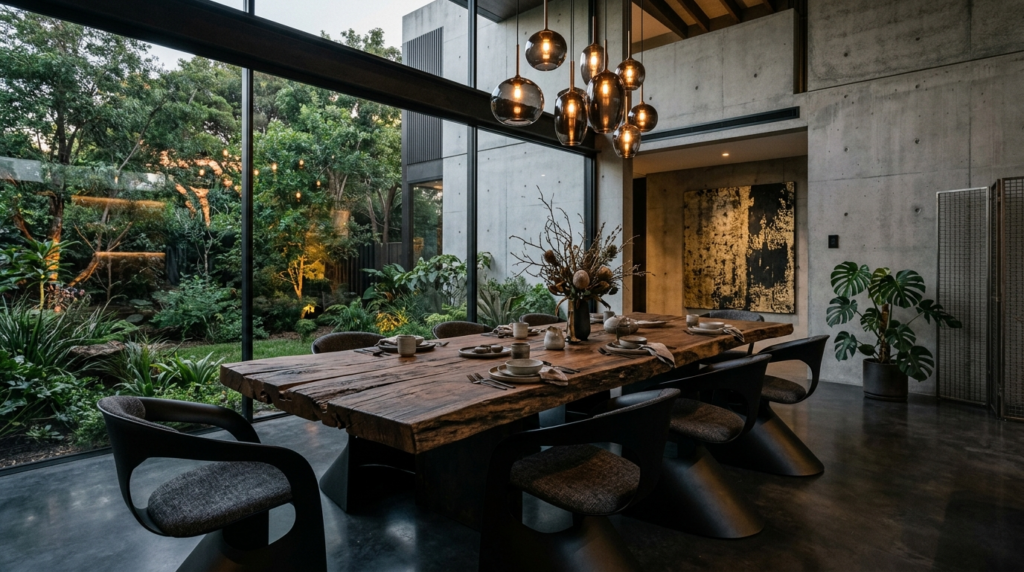
Before choosing reclaimed materials furniture for a home, it helps to understand what the term actually means and how it differs from similar-sounding options. The next two sections break this down clearly.
Definition and Meaning
Reclaimed materials furniture refers to any furniture piece constructed using salvaged raw materials rather than new ones.
These materials are collected from structures or products that have already completed their original life cycle, such as an old barn or a decommissioned ship. Craftsmen then clean, treat, and reshape these materials into functional furniture, preserving much of their original texture and history in the process.
Reclaimed vs Recycled vs Upcycled
These three terms often get mixed up, though they mean different things. Reclaimed furniture keeps the original material mostly intact, such as using an old wooden beam as a tabletop.
Recycled furniture breaks materials down and reprocesses them into something new, like turning plastic waste into fibers. Upcycled furniture takes an old, often complete item and transforms it into something more valuable without breaking it down first.
Common Materials Used in Reclaimed Furniture
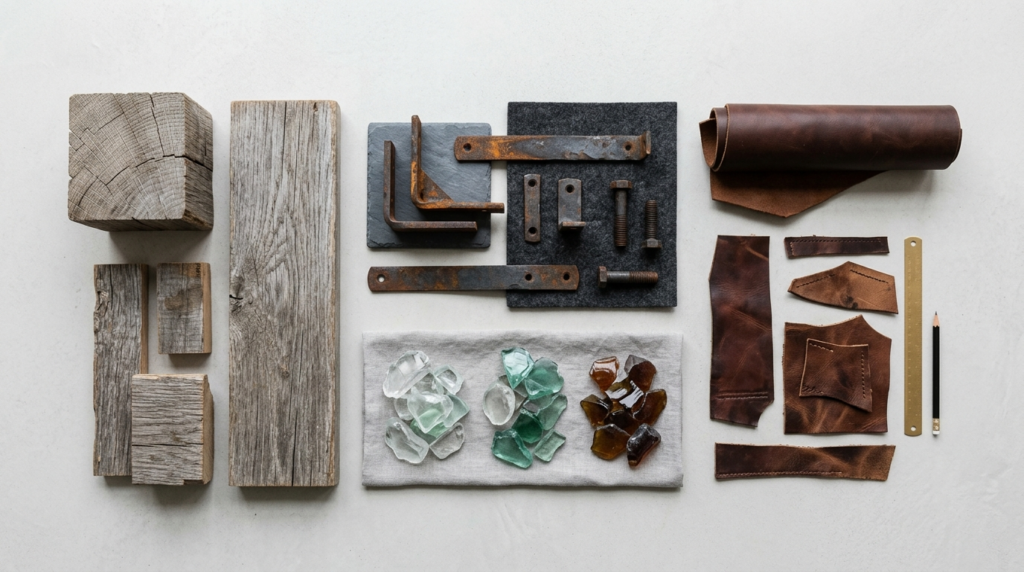
A wide range of materials fall under the reclaimed materials furniture category, each bringing its own texture and story. Wood remains the most popular choice, but metal and other salvaged elements are increasingly common too.
Reclaimed Wood
Reclaimed wood usually comes from old barns, factory floors, or demolished houses, and it often carries a naturally weathered look that new wood cannot replicate.
This type of wood tends to be denser than modern lumber because older trees grew slower and developed tighter grain patterns. Furniture makers value it for both its strength and its rustic, storied appearance.
Reclaimed Metal and Other Materials
Besides wood, reclaimed materials furniture often includes salvaged metal such as iron pipes, steel beams, or old machine parts repurposed into frames and legs.
Reclaimed teak from retired ships, old glass panels, and worn leather are also used to add texture and variety. Combining these materials with reclaimed wood creates a distinctive industrial or eclectic look.
Where Reclaimed Materials Come From
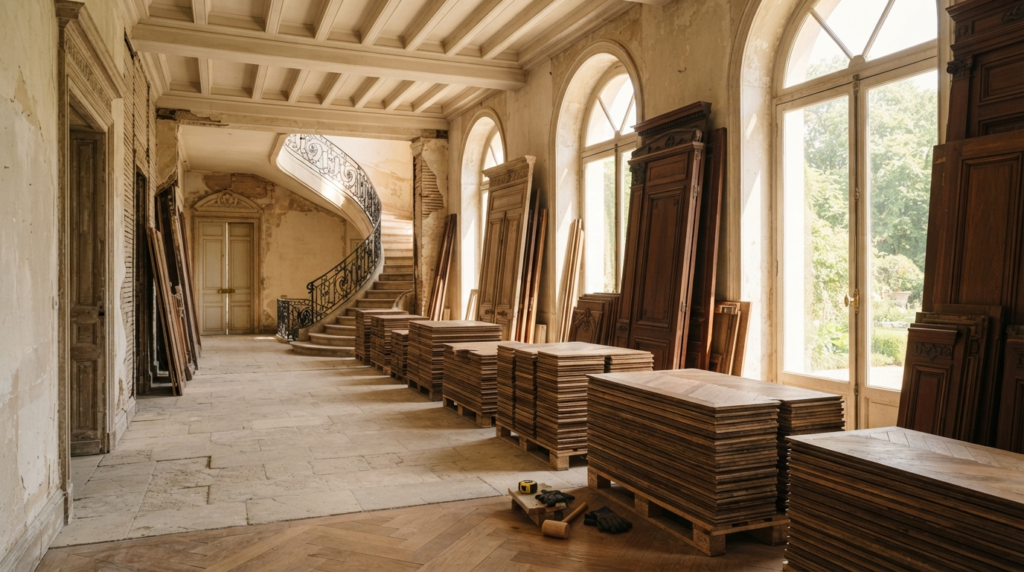
Understanding the source of reclaimed materials furniture helps buyers appreciate the effort behind each piece. Materials are gathered from a variety of structures and objects that would otherwise end up discarded.
Barns, Buildings, and Warehouses
Old barns and farmhouses are among the richest sources of reclaimed wood, since their beams and floorboards have aged for decades under natural conditions.
Similarly, demolished warehouses and old commercial buildings often yield large quantities of usable wood and metal. Salvage companies carefully dismantle these structures to preserve the material quality.
Ships, Factories, and Pallets
Retired ships are a well-known source of reclaimed teak, which is prized for its density and weather resistance. Factories being decommissioned also provide sturdy metal components, while shipping pallets offer an affordable and widely available source of reclaimed wood for smaller furniture projects. Each source brings a different texture and level of durability to the final product.
Benefits of Reclaimed Materials Furniture
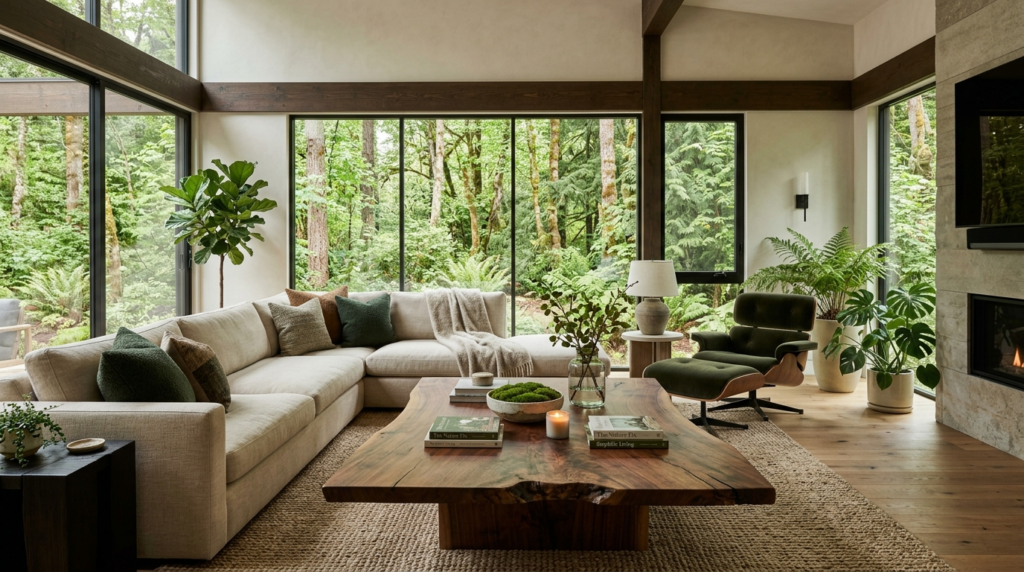
Choosing reclaimed materials furniture offers advantages that go beyond aesthetics. It supports environmental goals while also delivering long-lasting, characterful pieces for any home.
Environmental and Sustainability Benefits
Since reclaimed materials furniture reuses existing wood and metal, it reduces the demand for newly harvested timber and lowers landfill waste.
This directly supports forest conservation efforts and cuts down the carbon footprint associated with manufacturing new raw materials. For environmentally conscious buyers, this makes reclaimed furniture a responsible choice.
Unique Character and Durability
Every piece of reclaimed materials furniture carries unique markings, such as nail holes, weathering, and color variation, which cannot be replicated in mass-produced items.
Old-growth wood used in these pieces is often more stable and resistant to warping compared to fast-grown modern lumber. This combination of individuality and strength makes reclaimed furniture a long-term investment.
Drawbacks to Consider
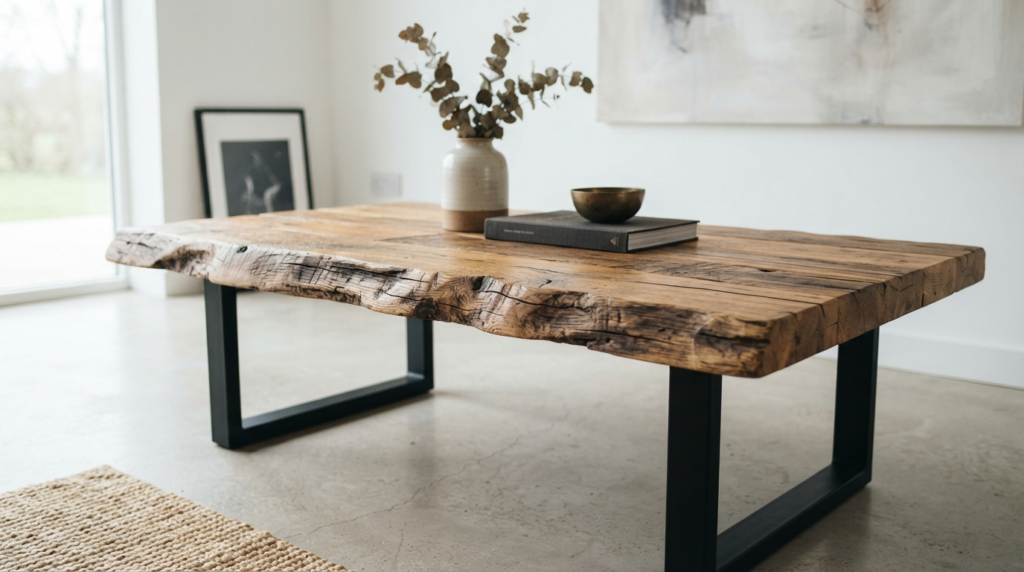
While reclaimed materials furniture has many strengths, it also comes with a few practical challenges that buyers should weigh before purchasing.
Cost and Availability
Because sourcing, cleaning, and treating reclaimed materials requires significant manual labor, the final furniture price can be higher than mass-produced alternatives.
Supply can also be inconsistent, since salvaged materials depend on the availability of old structures being demolished or dismantled at any given time.
Maintenance Needs
Reclaimed materials furniture may require more careful maintenance than new furniture, especially if the wood or metal was not fully treated before use.
Buyers should also confirm that pieces have been properly cleaned and inspected for pests, since improperly treated reclaimed wood can sometimes carry hidden damage.
Popular Styles Using Reclaimed Materials Furniture
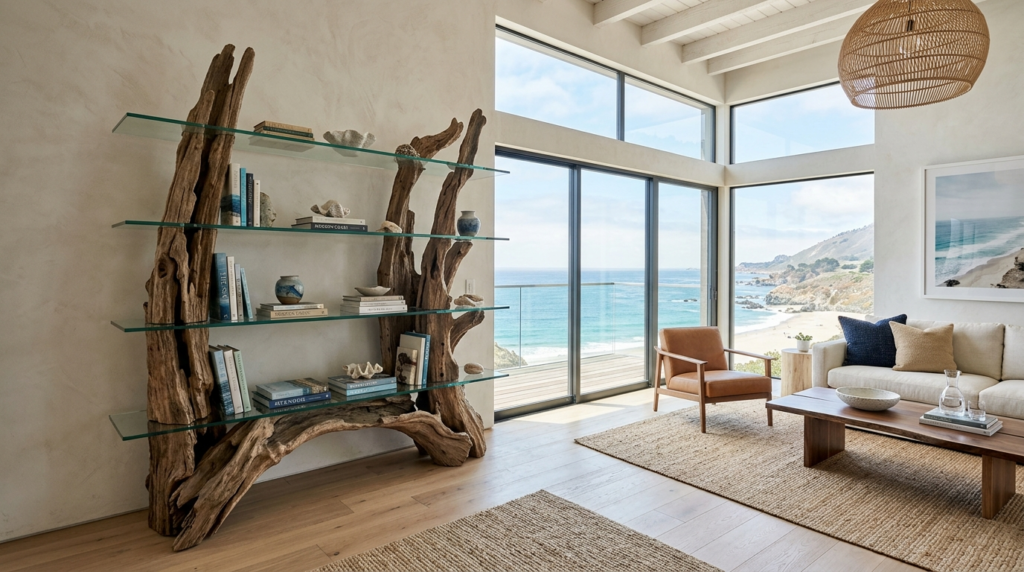
Reclaimed materials furniture fits naturally into several interior design styles, each highlighting the material’s raw and aged qualities in a different way.
| Style | How Reclaimed Furniture Fits In |
| Rustic/Farmhouse | Uses weathered wood tables and benches for a warm, homely feel |
| Industrial | Combines reclaimed metal frames with wood tops for a factory-inspired look |
| Bohemian/Eco-chic | Mixes reclaimed pieces with plants and natural textures |
| Minimalist | Uses a single reclaimed accent piece to add warmth without clutter |
Types of Reclaimed Furniture Pieces
Reclaimed materials furniture is available in nearly every furniture category, allowing buyers to furnish an entire room using sustainable pieces.
- Dining tables and benches made from thick reclaimed wood slabs
- Coffee tables and side tables with visible grain and texture
- Bed frames and headboards built from old beams or doors
- Shelving units and bookcases using reclaimed planks
- Cabinets and wardrobes combining reclaimed wood with metal hardware
- Outdoor furniture crafted from weather-resistant reclaimed materials
How Reclaimed Furniture Is Made
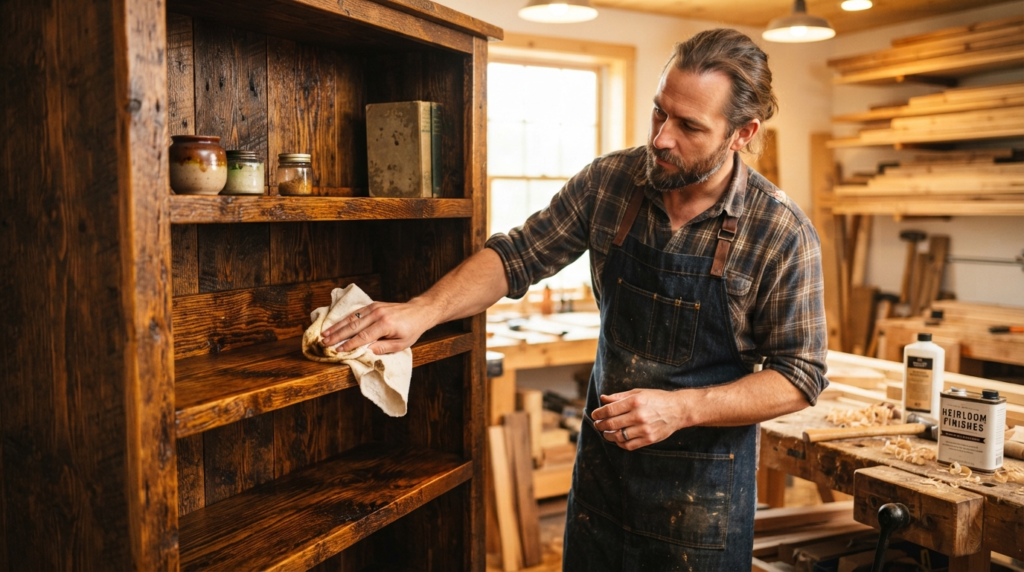
Turning salvaged materials into finished furniture involves a careful, multi-step process that preserves both safety and appearance.
Sourcing and Cleaning
The process begins with collecting suitable materials from approved salvage sites, followed by a thorough cleaning process to remove dirt, rust, or old paint. Workers also de-nail and inspect the wood or metal for structural integrity before it moves to the next stage.
Shaping and Finishing
Once cleaned, the materials are cut, sanded, and shaped into the desired furniture design. A protective finish is then applied to enhance durability while keeping the natural texture visible, followed by a final quality check to ensure the piece is safe and ready for use.
How to Choose Quality Reclaimed Materials Furniture

Selecting the right piece involves more than picking an appealing design, since quality and authenticity matter just as much for reclaimed materials furniture.
Checking Authenticity
Buyers should ask sellers about the material’s original source to confirm it is genuinely reclaimed rather than artificially distressed new wood. Reputable sellers are usually transparent about where their materials come from and how they were treated before construction.
Pricing and Space Fit
Comparing prices across a few sellers helps buyers understand fair market value, since labor-intensive sourcing can vary in cost. It also helps to measure the intended space carefully, as reclaimed pieces are often one-of-a-kind and cannot always be replaced with an identical match.
Caring for Reclaimed Materials Furniture

Proper care extends the lifespan of reclaimed materials furniture and keeps its natural character intact for years.
- Dust regularly with a soft, dry cloth to avoid scratching the surface
- Use appropriate wood oil or metal polish depending on the material
- Keep furniture away from direct sunlight and excess humidity
- Avoid placing heavy or sharp objects directly on unprotected surfaces
- Reapply protective finish periodically based on manufacturer recommendations
Where to Buy Reclaimed Materials Furniture
Several reliable sources exist for purchasing authentic reclaimed materials furniture, each offering different levels of customization.
| Source | Best For |
| Local artisans/workshops | Custom-built pieces with personal input |
| Online sustainable brands | Convenient shopping with detailed sourcing information |
| Antique/salvage yards | Unique, one-of-a-kind vintage finds |
| Custom furniture makers | Fully tailored designs for specific spaces |
Conclusion
Reclaimed materials furniture offers a practical way to combine sustainability, durability, and unique design in a single piece.
While it may involve a higher upfront cost, the environmental benefits and long-lasting character make it a worthwhile investment for most homes. Buyers who research sourcing, check authenticity, and maintain their furniture properly can enjoy these pieces for many years.
FAQs
Is reclaimed materials furniture more expensive than new furniture?
It can be, mainly due to the labor involved in sourcing, cleaning, and treating salvaged materials before construction.
Is reclaimed wood furniture safe to use indoors?
Yes, as long as it has been properly cleaned, treated, and inspected for pests or structural damage before use.
How is reclaimed furniture different from antique furniture?
Antique furniture refers to complete pieces that are old themselves, while reclaimed furniture uses old materials to build entirely new pieces.
Related Articles
Kitchen Island Decor : A Complete Styling Guide for Every Home
Catholic Home Decor: Ideas for a Faith-Filled Home
Kitchen Wall Decor : A Complete Guide to Styling Every Wall
Living Room Wall Decor Ideas: 50+ Ways to Style Your Space (2026 Guide)
Living Room Wallpaper Decor: Complete Guide to Styles, Colors & Ideas