Horizontal Wall Art: The Complete Guide to Choosing the Perfect Decor
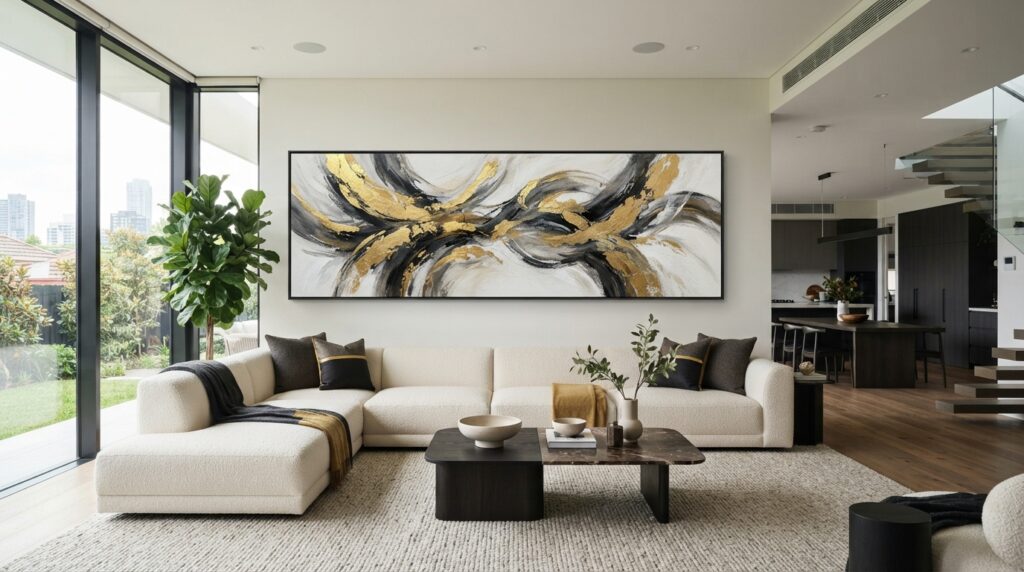
Horizontal wall art has become one of the most popular choices for home decoration because it naturally fits the shape of most walls and furniture pieces found in modern homes.
Unlike vertical art pieces, horizontal wall art spreads across a wider space, making rooms feel more open and connected. Whether you are decorating a living room, bedroom, or hallway, horizontal wall art offers a simple way to add personality, color, and balance to any space without overwhelming it.
Understanding Horizontal vs. Vertical Wall Art
Horizontal wall art is wider than it is tall, while vertical art is taller than it is wide, and this simple difference changes how each piece affects a room’s visual flow. The choice between the two depends mostly on the wall space available and the furniture placed underneath it.
What Makes Horizontal Art Different
Horizontal wall art works by guiding the eyes side to side instead of up and down, which naturally makes a room feel wider than it actually is.
This orientation is especially useful in rooms where the ceiling is low, since it shifts attention away from height and toward width. Designers often choose horizontal pieces specifically because they soften a room’s proportions in a subtle way.
Visual and Psychological Effects
Wide artwork tends to create a calm, grounded feeling because horizontal lines are associated with stability and rest in visual design theory.
This is one reason horizontal wall art is so commonly placed in bedrooms and living rooms, spaces meant for relaxation. Vertical pieces, by comparison, tend to energize a space and draw attention upward.
When Horizontal Wins Over Vertical
Choosing horizontal wall art makes the most sense when working with long walls, wide furniture, or low ceilings that need visual balance. It also works better above items like sofas, headboards, or console tables that are naturally wide themselves. Vertical art is usually better suited for narrow gaps or tall, empty wall sections instead.
Benefits of Horizontal Wall Art
The biggest advantage of horizontal wall art is how easily it complements existing furniture without requiring major layout changes. It also tends to be more forgiving when it comes to spacing, since it can fill wide gaps that vertical pieces simply cannot cover.
Creates a Sense of Width and Space
Because horizontal wall art stretches sideways, it visually expands a room, making even smaller spaces appear larger than they are. This makes it a popular pick for apartments or rooms with limited square footage. The stretched shape tricks the eye into perceiving more open space along that wall.
Balances Long or Narrow Walls
Long hallways and narrow walls often look awkward with small or vertical decor, but horizontal wall art fills that empty stretch naturally. It reduces the bare, unfinished look that long walls tend to have. This makes horizontal art a practical solution rather than just a stylistic one.
Works Well Above Furniture
Because most furniture pieces like sofas, beds, and consoles are wider than they are tall, horizontal wall art pairs with them more naturally than vertical alternatives. The proportions simply match better, creating a cohesive look. This is why interior designers so often default to horizontal pieces in these placements.
Types of Horizontal Wall Art
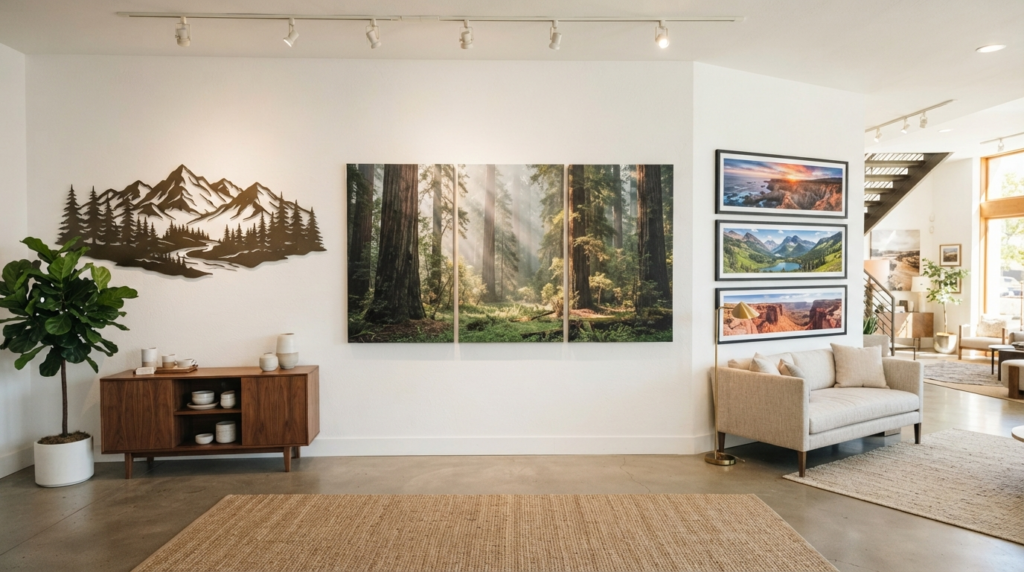
There are many different formats of horizontal wall art available today, ranging from traditional paintings to modern multi-panel displays. Each type offers a different texture, price point, and visual effect depending on the room’s style.
| Type | Best For | Typical Material |
| Canvas Prints | Living rooms, bedrooms | Canvas, wood frame |
| Photography Panels | Hallways, offices | Photo paper, metal |
| Tapestries | Boho or casual spaces | Fabric, cotton blend |
| Metal Wall Art | Modern, industrial spaces | Aluminum, iron |
| Multi-Panel Art | Large wide walls | Canvas, wood |
| Typography Art | Studies, offices | Paper, canvas |
Paintings and Canvas Prints
Canvas prints remain one of the most popular choices because they are affordable, lightweight, and available in countless designs.
They work well in almost any room and can be found in both original artwork and mass-produced reproductions. Many people prefer canvas because it adds texture without needing glass framing.
Photography Panels
Photography-based horizontal wall art often features landscapes, cityscapes, or abstract close-ups that add a realistic, grounded feel to a space.
These panels are especially popular in offices and hallways where a calm, professional tone is desired. Black-and-white photography panels remain a timeless choice among homeowners.
Wall Tapestries and Hangings
Fabric-based horizontal wall art brings warmth and texture that canvas or metal simply cannot replicate. Tapestries are lightweight, easy to hang, and often more budget-friendly than framed alternatives. They work particularly well in casual, bohemian-style interiors.
Metal and Wood Wall Art
For a more modern or rustic look, metal and wood horizontal wall art pieces add dimension through their raised or carved textures. These materials tend to last longer and often become a statement piece rather than a background decoration. They are especially popular in industrial and farmhouse-style homes.
Multi-Panel Art
Multi-panel or split-canvas horizontal wall art divides one image across two or three separate canvases, creating a wide, gallery-style effect. This format is ideal for very large walls that a single canvas cannot properly cover. It also adds a layered, dimensional look that single pieces don’t offer.
Popular Styles of Horizontal Wall Art
Style plays a major role in how horizontal wall art fits into a room’s existing theme. Choosing the right style ensures the artwork feels intentional rather than randomly placed.
Abstract and Minimalist Designs
Abstract horizontal wall art uses shapes, colors, and patterns without depicting anything literal, making it flexible enough to match many decor styles.
Minimalist versions rely on simple lines and neutral tones for a clean, uncluttered look. Both styles work especially well in modern or Scandinavian-inspired interiors.
Nature, Botanical, and Landscape Themes
Nature-inspired horizontal wall art, including landscapes and botanical prints, brings a calming, organic feel into indoor spaces. These designs are popular in bedrooms and living rooms where relaxation is the priority. Botanical patterns in particular pair well with green or earth-toned color schemes.
Vintage and Geometric Options
Vintage-style horizontal wall art often uses muted colors and aged textures to create a nostalgic, lived-in atmosphere. Geometric designs, on the other hand, use bold shapes and sharp lines for a more contemporary feel. Choosing between the two usually comes down to whether the room leans traditional or modern.
Best Rooms and Placements for Horizontal Wall Art
Placement determines how effective horizontal wall art actually looks once it’s on the wall. The same piece can look completely different depending on where it’s hung and what surrounds it.
Living Room and Bedroom Placement
Above the sofa or bed remains the most common placement for horizontal wall art because these are naturally wide, prominent surfaces. The artwork should generally be about two-thirds the width of the furniture below it for proper balance. This placement instantly becomes a focal point in the room.
Hallways, Dining Rooms, and Entryways
Hallways benefit greatly from horizontal wall art since it fills long stretches of wall that would otherwise look bare. Dining rooms and entryways also work well with wide pieces placed at eye level, guiding guests through the space smoothly. These areas often use horizontal art to set the tone for the rest of the home.
How to Choose the Right Size and Color
Size and color coordination are just as important as style when selecting horizontal wall art, since a mismatched piece can throw off an otherwise well-designed room.
Matching Size to Furniture
As a general guideline, horizontal wall art should cover roughly 60 to 75 percent of the furniture width beneath it for the most balanced appearance. Oversized pieces can overwhelm smaller furniture, while undersized art can look lost on a large wall. Measuring the space beforehand helps avoid costly sizing mistakes.
Coordinating Colors and Themes
The best horizontal wall art either complements the room’s existing color palette or introduces one deliberate contrasting tone as an accent.
Matching too closely can make the piece blend in and lose impact, while clashing too much can feel chaotic. A good middle ground is picking art that shares at least one color already present in the room.
Installation Tips for Horizontal Wall Art
Proper installation ensures horizontal wall art looks polished rather than accidental. Even the best piece can look wrong if hung too high, too low, or off-center.
Ideal Hanging Height and Tools
Most horizontal wall art looks best when its center sits around 57 to 60 inches from the floor, which matches average eye level. Basic tools like a level, measuring tape, and appropriate wall anchors make installation much easier and prevent uneven hanging. For heavier pieces like metal or wood art, using proper wall studs is essential for safety.
Renter-Friendly Hanging Options
For those unable to drill into walls, adhesive strips and picture rail systems offer damage-free ways to display horizontal wall art. These options are lightweight-friendly and work well for canvas or fabric pieces. They also make it easier to reposition or swap out art without leaving marks behind.
DIY vs. Store-Bought Horizontal Wall Art
Both DIY and store-bought horizontal wall art come with their own advantages, and the right choice depends on budget, time, and desired uniqueness.
Making Your Own Horizontal Wall Art
DIY horizontal wall art allows for full creative control and can be significantly cheaper than store-bought pieces.
Simple projects like painted canvases, fabric panels, or framed photography can be completed with minimal supplies. This option works well for those wanting a truly one-of-a-kind piece.
Buying Ready-Made Pieces
Store-bought horizontal wall art saves time and often comes with professional finishing and framing already done.
Online marketplaces and local art stores both offer wide selections across nearly every style and price range. Custom print shops are also a good middle-ground option for personalized designs without a full DIY effort.
Maintenance and Care
Different materials require different care routines to keep horizontal wall art looking fresh over time. Canvas and fabric pieces should be dusted regularly and kept away from direct sunlight to prevent fading. Metal and wood art generally require less maintenance but should still be checked periodically for moisture damage, especially in humid climates.
Conclusion
Horizontal wall art is a practical and stylish way to enhance almost any room, offering balance, width, and personality without overwhelming the space.
From canvas prints to metal panels, the variety of types and styles available makes it easy to find a piece that matches any home’s existing decor. With the right size, placement, and care, horizontal wall art can remain a meaningful part of a home’s design for years to come.
FAQs
What size horizontal wall art should I buy for above my sofa?
The artwork should generally be about two-thirds the width of the sofa for a balanced, proportional look.
Is horizontal wall art better than vertical for small rooms?
Yes, horizontal wall art often makes small rooms feel wider and more open compared to vertical pieces.
What is the best height to hang horizontal wall art?
Most experts recommend hanging it so the center sits around 57 to 60 inches from the floor.
Can horizontal wall art be hung without drilling holes?
Yes, adhesive strips and picture rail systems allow damage-free installation for lightweight pieces.