Cherry Wood Furniture: A Complete Guide to Beauty, Durability and Timeless Style
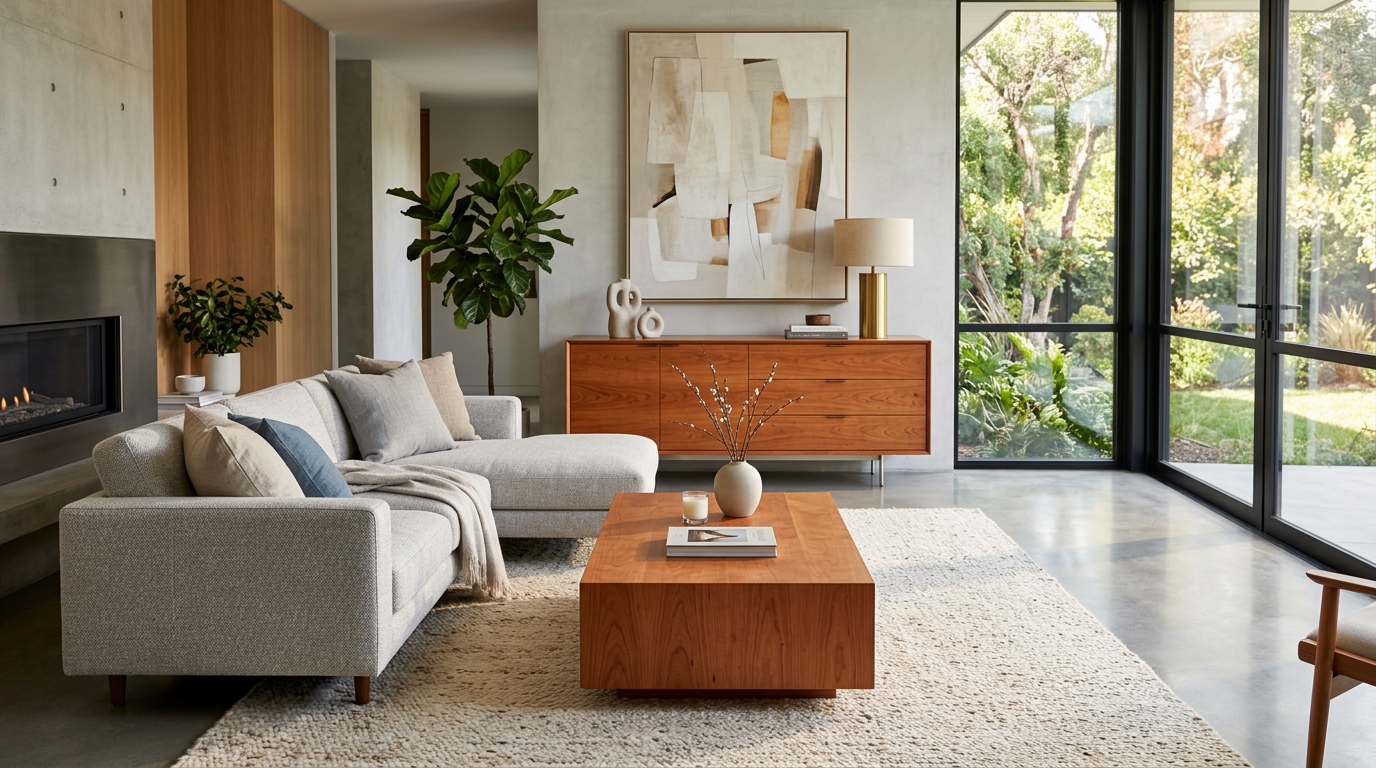
Cherry wood furniture has been a favorite among homeowners and designers for generations, and it continues to hold a special place in modern interiors. Known for its warm reddish-brown tone, smooth grain, and elegant finish, cherry wood furniture brings a sense of richness to any room.
Unlike many other hardwoods, cherry wood naturally deepens in color over time, giving each piece a unique story as it ages. This guide explains everything about cherry wood furniture in simple words, covering its origin, types, styles, advantages, drawbacks, care tips, and buying advice so you can make a confident and informed decision.
Understanding Cherry Wood
Cherry wood comes from the cherry tree, most commonly the American black cherry tree, and it is prized for its fine texture and workability.
Before choosing cherry wood furniture, it helps to understand where the wood comes from and what makes it different from other hardwoods used in furniture making.
Origin of Cherry Wood
Cherry wood is harvested mainly from black cherry trees that grow across North America, particularly in the eastern United States.
These trees take many years to mature, which is one reason genuine cherry wood furniture is considered a premium product. The wood itself starts with a lighter tone and gradually darkens once it is cut and exposed to air and light.
Types of Cherry Wood Used in Furniture
The most common variety used in furniture making is American black cherry, valued for its smooth surface and rich coloring.
Brazilian cherry, despite sharing the name, is actually a different wood species entirely and tends to be harder and more reddish from the start. Knowing this difference helps buyers avoid confusion when shopping for authentic cherry wood furniture.
How Cherry Wood Differs from Other Hardwoods
Compared to oak or maple, cherry wood is softer and easier to shape into detailed carvings and curves, making it popular for intricate furniture designs.
Unlike walnut, which stays fairly consistent in color, cherry wood continues to darken with age, creating a living finish that changes over years. This aging quality is one of the biggest reasons furniture makers and buyers choose cherry wood over other options.
The Unique Appeal of Cherry Wood Furniture
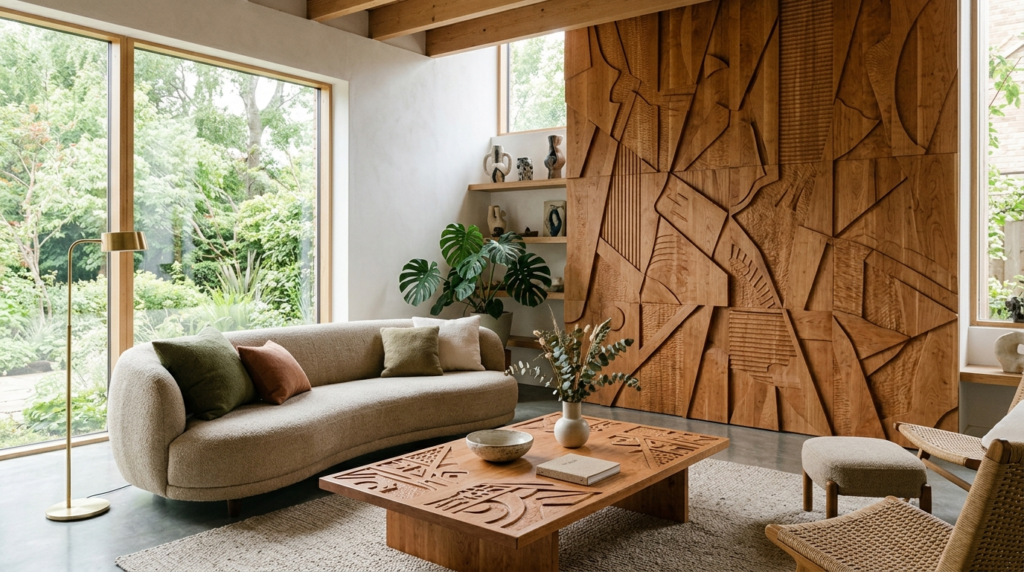
What makes cherry wood furniture stand out is not just its color but the way it transforms over time and catches the eye with its natural grain. This appeal is best understood by looking closely at its aging process, grain pattern, and natural characteristics.
Natural Aging and Color Change
One of the most fascinating qualities of cherry wood furniture is how its color evolves after purchase, moving from a light pinkish tone to a deep amber or reddish-brown shade within months of exposure to light.
This natural darkening process, often called patina, is considered a desirable trait rather than a flaw by wood furniture enthusiasts. Because of this, cherry wood furniture placed in sunlit rooms will develop a richer look faster than pieces kept in shaded areas.
Grain Pattern and Texture
Cherry wood has a fine, straight, and closed grain that gives furniture a smooth and polished appearance even with minimal finishing.
This tight grain structure also means the wood takes stain and polish evenly, resulting in a consistent, elegant look across an entire furniture piece. Many buyers prefer cherry wood furniture specifically because this smooth texture feels premium to the touch.
Natural Imperfections and Character Marks
Genuine cherry wood furniture often contains small natural marks such as tiny knots, gum pockets, or mineral streaks, which are signs of authenticity rather than defects.
Furniture makers usually preserve these marks intentionally because they add individuality to each piece, making no two cherry wood furniture items exactly alike. Buyers who want a completely flawless surface should be aware that some natural variation is normal with real cherry wood.
Popular Types of Cherry Wood Furniture
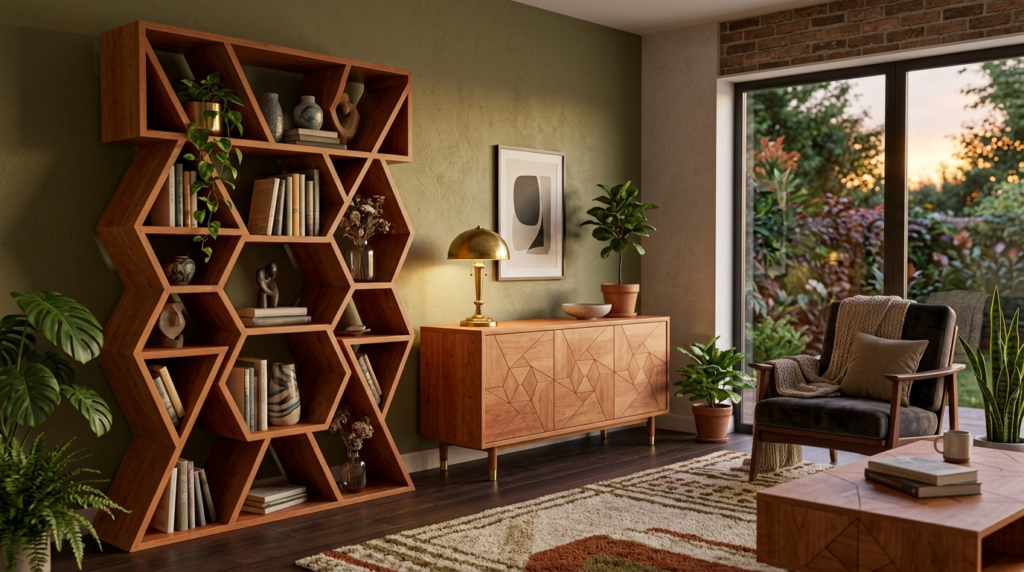
Cherry wood is used across almost every furniture category, from dining rooms to home offices, because of its versatility and classic appeal. The table below gives a quick overview before we explore each category in more detail.
| Furniture Category | Common Cherry Wood Pieces |
| Dining Room | Dining tables, chairs, hutches, sideboards |
| Bedroom | Beds, dressers, nightstands, armoires |
| Living Room | Cabinets, bookshelves, coffee tables, TV units |
| Home Office | Desks, bookshelves, filing cabinets |
Dining Room Cherry Wood Furniture
Cherry wood dining tables and chairs are especially popular because the wood’s warm tone creates an inviting atmosphere for family gatherings.
Hutches and sideboards made from cherry wood also serve as elegant storage solutions while matching the rest of the dining set. Many households choose cherry wood furniture for dining rooms specifically because it complements both formal and casual table settings.
Bedroom Cherry Wood Furniture
In bedrooms, cherry wood furniture such as bed frames, dressers, and nightstands adds warmth and a cozy feel to the space.
The smooth grain of cherry wood pairs well with soft bedding tones, creating a balanced and relaxing environment. Armoires made from cherry wood are also valued for their sturdy build and classic detailing.
Living Room and Office Cherry Wood Furniture
Cherry wood cabinets, bookshelves, and coffee tables bring a refined touch to living rooms without overpowering the overall décor.
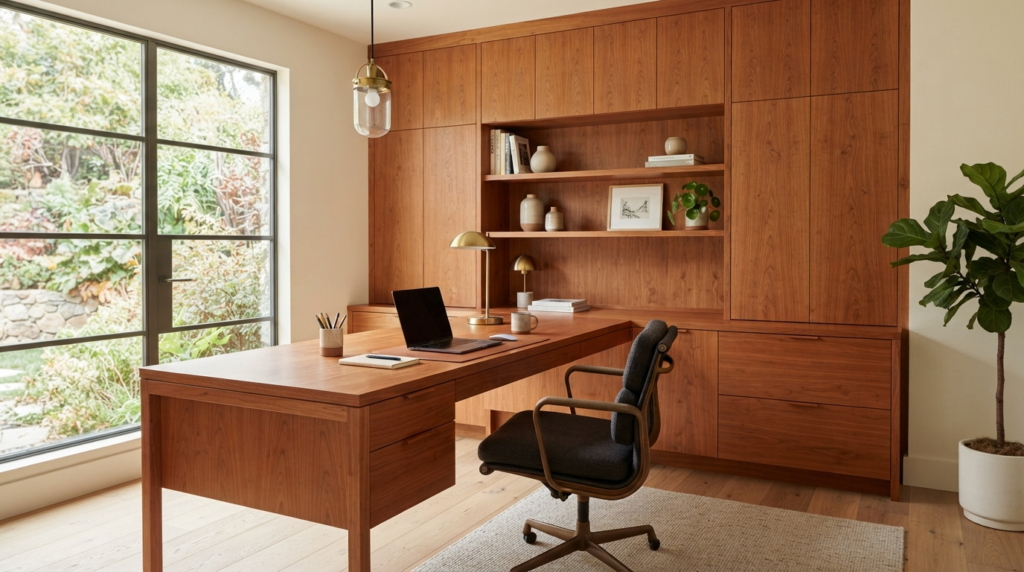
In home offices, cherry wood desks are favored for their professional appearance combined with natural warmth, unlike the colder look of metal or glass desks. This versatility across rooms is a major reason cherry wood furniture remains a long-term favorite.
Advantages and Disadvantages of Cherry Wood Furniture
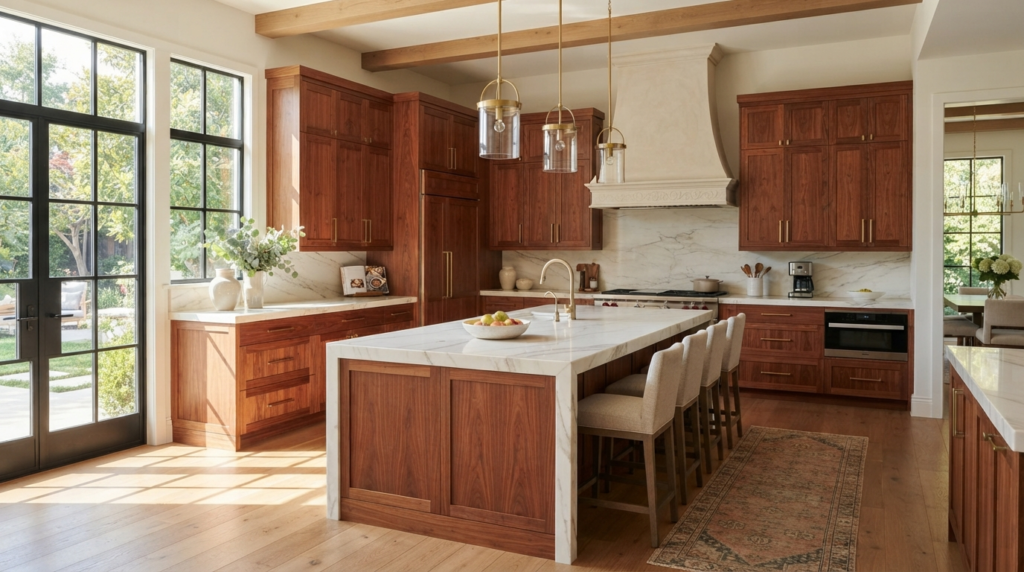
Like any material, cherry wood furniture comes with strong benefits as well as a few limitations that buyers should weigh before purchasing.
Key Advantages
Cherry wood furniture is valued for its durability, workability, and long-lasting beauty, making it a smart investment for many households.
It resists warping better than several softer woods and holds fine details such as carved edges and curves exceptionally well. Because of its timeless appeal, well-maintained cherry wood furniture often retains good resale value even after many years of use.
Common Drawbacks
Cherry wood furniture tends to be more expensive than furniture made from pine or basic engineered wood, mainly due to slower tree growth and limited supply.
It can also be more sensitive to direct sunlight, which may cause uneven color changes if not managed properly. Additionally, being a moderately soft hardwood, cherry wood furniture can show scratches or dents more easily than harder woods like oak.
How to Identify Genuine Cherry Wood Furniture
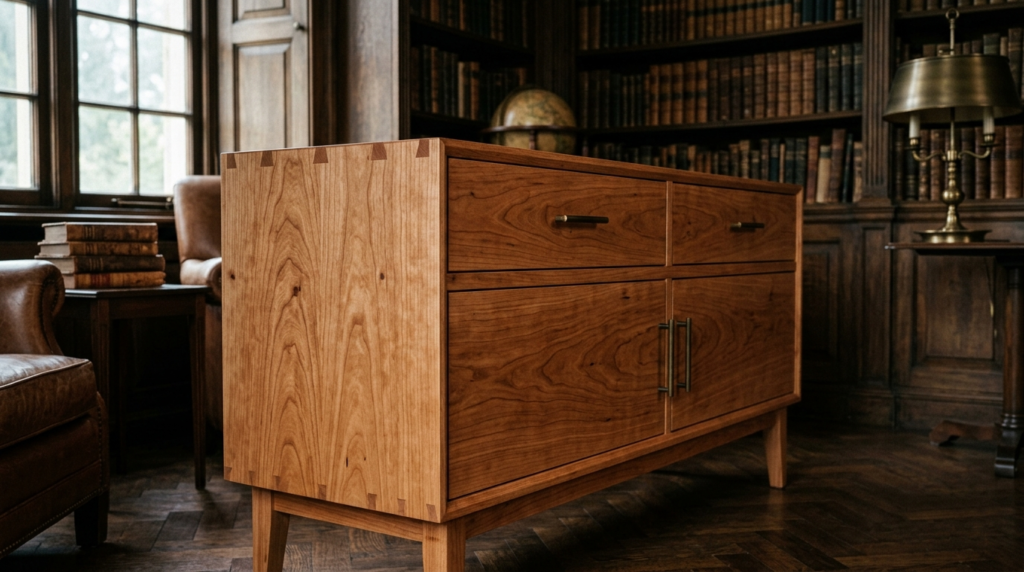
With so many imitation products in the market, knowing how to spot real cherry wood furniture protects buyers from overpaying for veneer or laminate substitutes.
Visual and Weight Checks
Genuine cherry wood furniture has a consistent reddish-brown tone with visible natural grain lines rather than a printed or repetitive pattern.
Solid cherry wood pieces also feel noticeably heavier than furniture made from particleboard or laminate covered in cherry-colored veneer. Checking the edges and undersides of a piece often reveals whether the wood grain continues naturally or stops abruptly, which indicates veneer.
Checking Joinery and Craftsmanship
Well-made cherry wood furniture typically uses strong joinery methods such as dovetail or mortise-and-tenon joints instead of just glue or staples.
Examining drawers and joints closely can reveal the quality of construction and whether the piece is built to last. This attention to craftsmanship is often a reliable sign of authentic, high-quality cherry wood furniture.
Caring for Cherry Wood Furniture
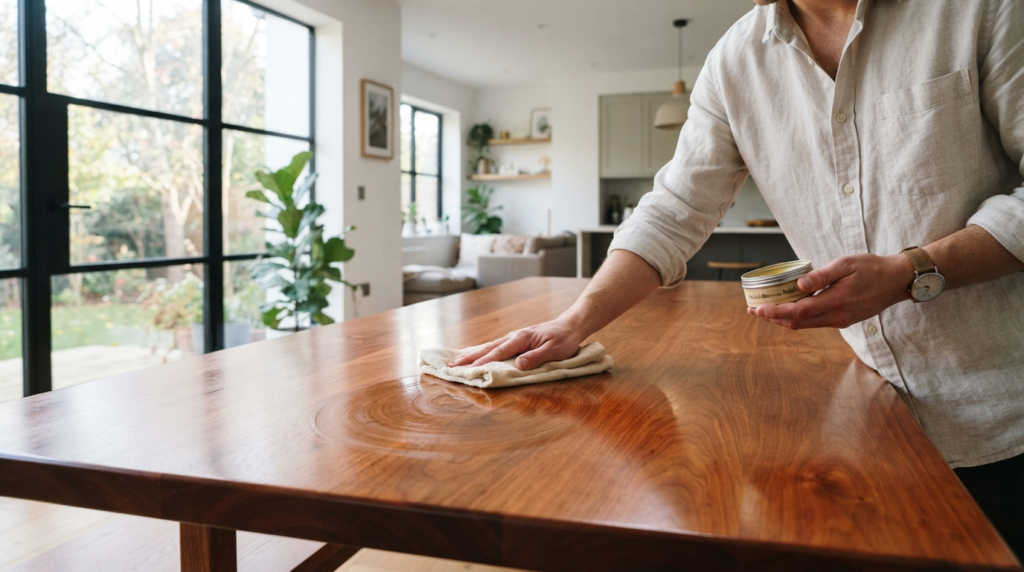
Proper care keeps cherry wood furniture looking beautiful for decades and helps protect its natural color and finish.
Daily Cleaning and Polishing
Cherry wood furniture should be dusted regularly with a soft, dry cloth to prevent buildup that can dull its natural shine.
Occasional polishing with a wood-safe conditioner helps maintain moisture balance in the wood and enhances its natural luster. Harsh chemical cleaners should always be avoided, as they can strip the finish and damage the surface over time.
Protecting from Sunlight and Damage
Since cherry wood furniture darkens with light exposure, placing it away from direct, intense sunlight helps ensure even coloring across the entire piece.
Using coasters, placemats, and furniture pads can prevent scratches, heat marks, and moisture damage on tabletops and surfaces. With consistent care, cherry wood furniture can remain a household centerpiece for many years.
Buying Guide for Cherry Wood Furniture
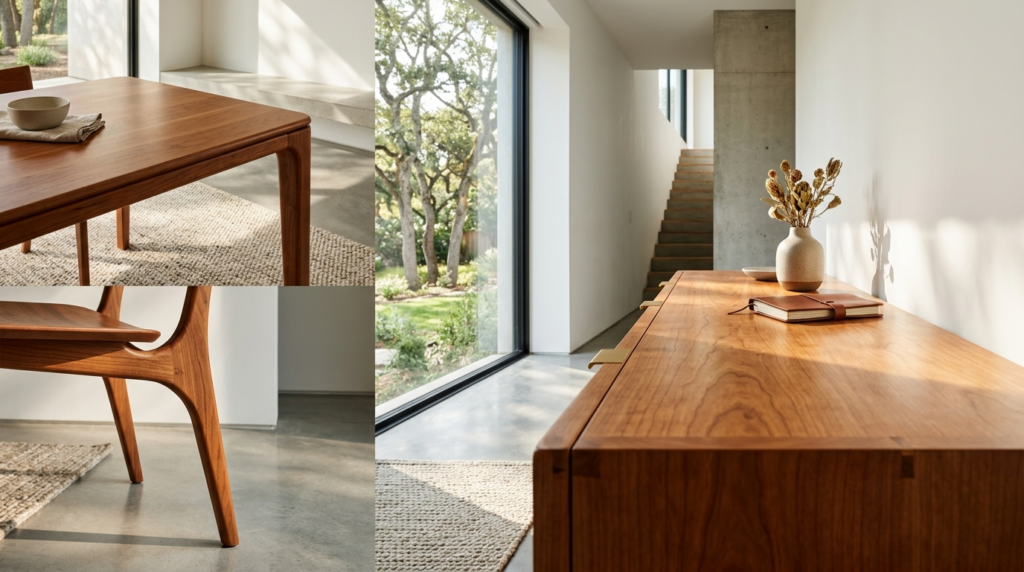
Before purchasing, buyers should consider a few practical factors to ensure they choose the right cherry wood furniture for their needs and budget.
Solid Wood versus Veneer Options
Solid cherry wood furniture offers superior durability and long-term value, while veneer options provide a similar look at a lower price point.
Buyers on a tighter budget may find veneer cherry wood furniture acceptable for lower-impact pieces like decorative cabinets. However, for items that see daily heavy use, such as dining tables, solid cherry wood is generally the wiser investment.
Budget and Purchase Location
Cherry wood furniture prices vary widely depending on craftsmanship, size, and whether the piece is solid wood or veneer-based.
Buyers can find options through local furniture showrooms, established online retailers, or custom woodworking artisans, each offering different price ranges and customization levels. Comparing a few sources before purchasing helps ensure the best value for genuine cherry wood furniture.
Cherry Wood Furniture in Interior Design
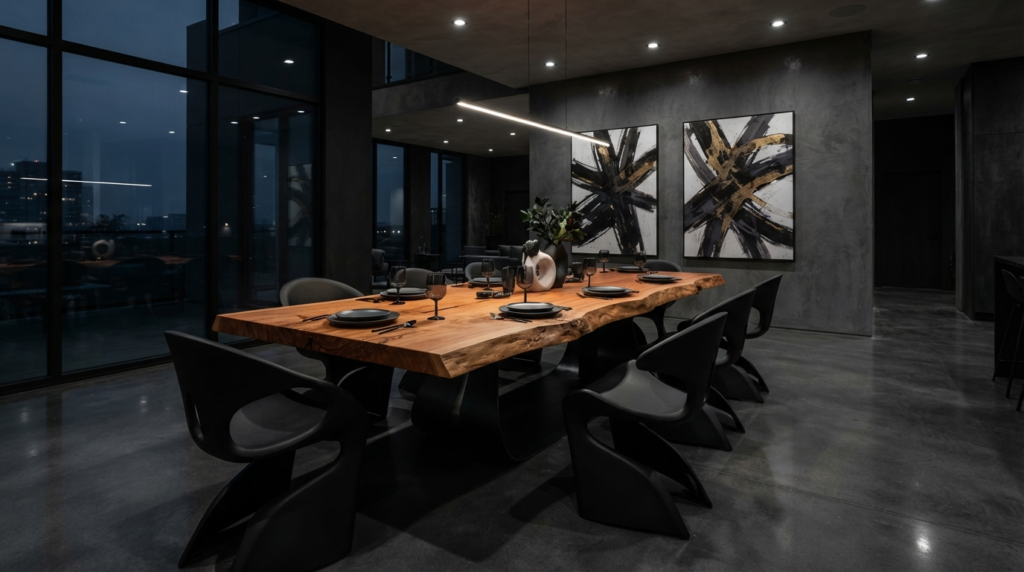
Cherry wood furniture works beautifully within many design themes when paired thoughtfully with complementary colors and materials.
Color Pairing and Room Placement
Neutral wall tones such as cream, soft gray, or sage green allow the warm reddish tones of cherry wood furniture to stand out as a focal point.
Placing cherry wood pieces in well-lit but not harshly sunlit areas helps showcase their natural grain and color beautifully. Combining cherry wood furniture with soft textiles and warm lighting creates a cozy, welcoming atmosphere in any room.
Cherry Wood Furniture Compared to Market Alternatives
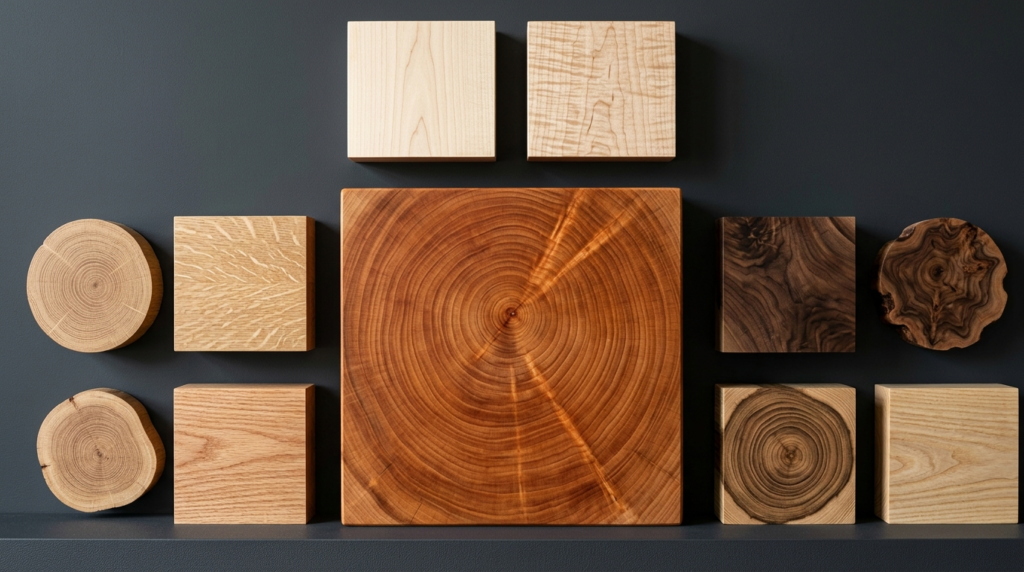
Many buyers compare cherry wood furniture against oak, walnut, and engineered wood options before deciding, and each has its own strengths. Oak offers greater hardness and a lower price, walnut provides a deeper, more uniform dark tone, while engineered wood is budget-friendly but lacks the same durability and resale value.
Cherry wood furniture stands out for balancing workability, elegant aging, and mid-range durability, making it a strong middle-ground choice for buyers who want both beauty and practicality.
Conclusion
Cherry wood furniture remains a timeless choice for anyone seeking warmth, elegance, and lasting quality in their home. From its naturally aging color to its smooth grain and versatile use across dining rooms, bedrooms, and offices, cherry wood furniture offers a balance of beauty and function.
While it comes at a higher price and requires some care around sunlight and scratches, its durability and classic appeal make it a worthwhile long-term investment for most households.
Frequently Asked Questions
Is cherry wood furniture a good long-term investment?
Yes, cherry wood furniture generally holds its value well due to its durability and timeless appeal, especially when properly maintained.
Does cherry wood furniture darken over time?
Yes, cherry wood naturally darkens with light exposure, developing a richer reddish-brown patina within the first few months of use.
Is cherry wood furniture expensive compared to other woods?
Cherry wood furniture is generally priced higher than pine or engineered wood but is often comparable to or slightly less than walnut furniture.
How can I tell if my cherry wood furniture is solid wood or veneer?
Check the weight, grain continuity on edges, and underside of the piece; solid cherry wood feels heavier with grain that flows naturally throughout.
What is the best way to protect cherry wood furniture from sunlight?
Position cherry wood furniture away from direct, intense sunlight and use curtains or blinds to allow even, gradual color development.
Related Articles
Living Room Wallpaper Decor: Complete Guide to Styles, Colors & Ideas
Over Kitchen Cabinet Decorating Ideas: 40+ Budget to Designer Tips (2026)
Kitchen Counter Decor: Ideas by Style, Budget & Kitchen Size
Decor — A Complete, No-Fluff Guide for Every Room
Decor Steals : Affordable Farmhouse & Vintage Home Decor Deals