European Home Decor: Styles, Ideas and Room Guide
European home decor is a design approach built on craftsmanship, character, and comfort. It draws from many countries, each with its own colors, materials, and moods. The look often mixes antique pieces with modern comforts.
Natural materials such as wood, stone, linen, and iron sit at its core. Rooms feel layered and lived in rather than staged. With the right plan, you can bring this style into any home, large or small.
Understanding European Home Decor
This section explains where the style comes from and what holds it together. Knowing both makes every design choice easier.
A Short History of European Interior Design
Medieval and Renaissance homes focused on sturdy furniture and symbolic art. Baroque and Rococo added gold, curves, and drama, while Georgian and Victorian eras favored symmetry and rich color.
The Industrial Revolution made furniture affordable, and Bauhaus later introduced clean, function-first design.
Core Principles of European Style
The style values well-made pieces over large quantities. It mixes old and new, so a modern sofa can sit beside an antique table. Comfort matters as much as beauty, and natural materials are preferred over synthetic ones.
Popular European Decor Styles
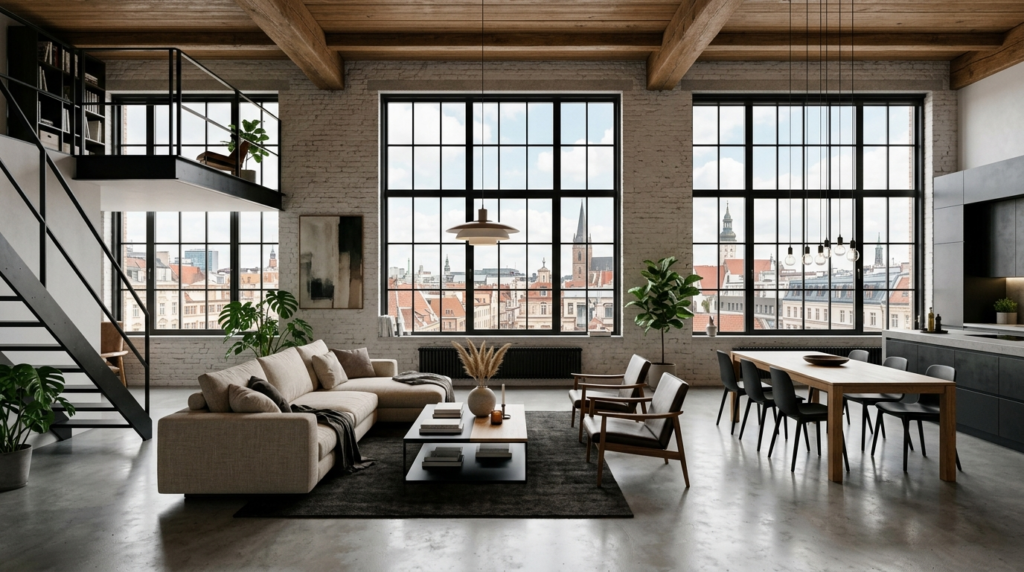
Each region of Europe has developed its own recognizable look. Choose the one that matches your taste and the size of your home.
French Country (Provincial)
This style feels warm, rustic, and gently romantic. Think cream, lavender, sage, and soft yellow, with toile and linen fabrics. Distressed wood and wrought iron give it a farmhouse charm that is easy to copy.
Classic French (Louis-Era)
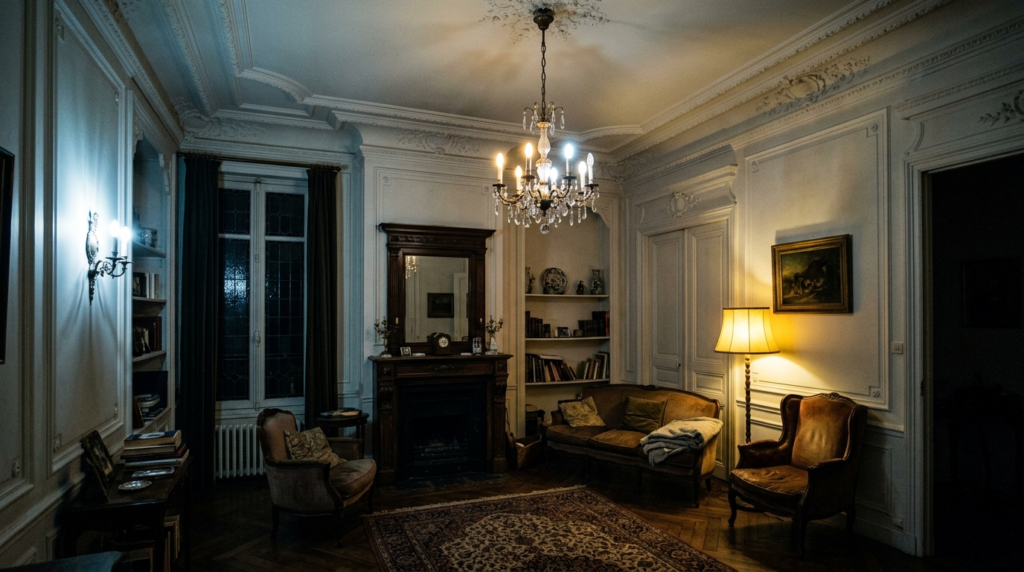
Here the mood is formal and elegant, with gilded mirrors, crystal chandeliers, and curved furniture. Luxury is the goal, but restraint is the secret. One or two statement pieces per room prevent it from feeling heavy.
Italian and Tuscan
Warm earth tones, terracotta, stone, and heavy wooden furniture define this look. It blends rustic materials with graceful elegance. Wrought iron and rich textiles make living spaces feel like a countryside villa.
Scandinavian
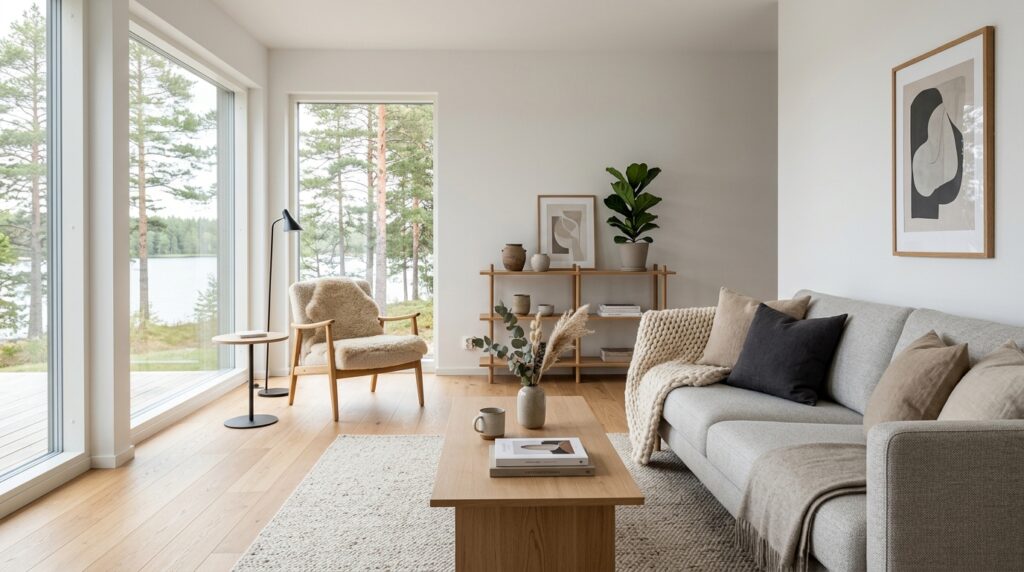
Scandinavian design is minimal, bright, and practical. White, gray, and light wood keep rooms airy, while wool throws and candles add the cozy feeling known as hygge. It suits small homes especially well.
English Country
Floral prints, chintz, and overstuffed sofas create a relaxed, layered interior. Antiques and full bookshelves add personality. The room should look collected over time, not bought in one afternoon.
Georgian and Victorian
Georgian rooms rely on symmetry and balanced proportions, while Victorian ones add deeper colors and detail. Velvet, dark wood, and bold wallpaper are common. Decorative moldings frame the space like a picture.
Mediterranean (Spanish and Greek)
Whitewashed walls, blue accents, arched doorways, and patterned tile bring outdoor freshness inside. Natural textures like rattan and stone keep the mood calm. It works well in sunny, warm rooms.
Baroque and Rococo
These styles are dramatic, with curves, carved details, and heavy gilding. In a modern home, use them sparingly, such as one ornate mirror or a sculpted console. A little goes a long way.
Bauhaus and Modern European
This approach removes decoration and focuses on function. Steel, glass, and geometric forms create clean, open rooms. It pairs nicely with a single vintage piece for warmth.
Quick Comparison Table
| Style | Main Colors | Mood | Best For |
| French Country | Cream, lavender, sage | Soft, rustic | Medium homes |
| Classic French | Ivory, gold, gray | Elegant, formal | Large homes |
| Italian/Tuscan | Terracotta, ochre | Warm, earthy | Open living areas |
| Scandinavian | White, gray, pale wood | Calm, minimal | Small apartments |
| English Country | Floral, deep green | Cozy, layered | Family homes |
| Mediterranean | White, blue | Fresh, airy | Sunny rooms |
| Bauhaus | Black, white, steel | Sleek, functional | Modern spaces |
Key Elements of European Decor
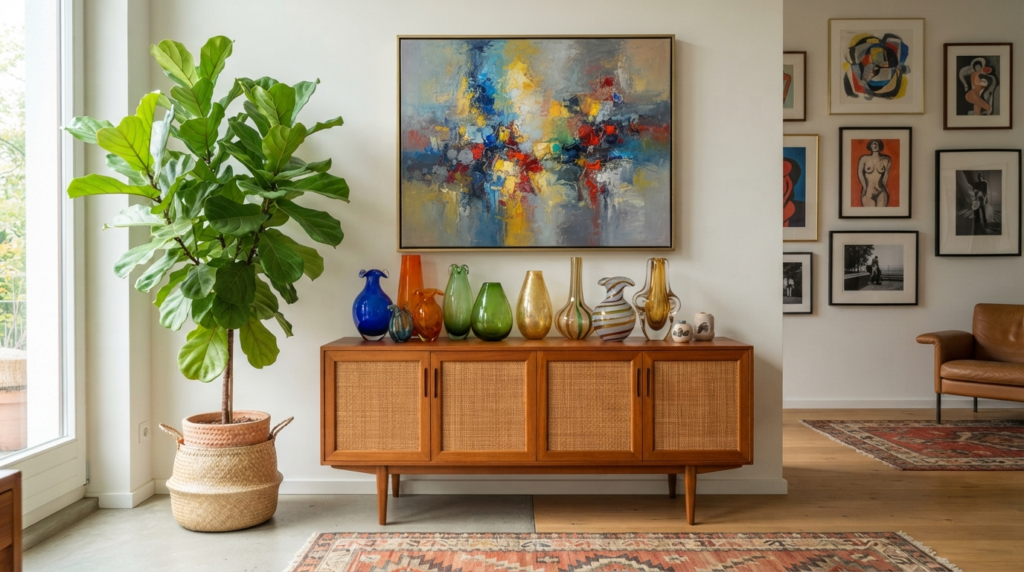
These building blocks appear across almost every European style. Master them and you can mix looks without confusion.
Color Palettes
Soft palettes feel romantic, earthy ones feel rustic, and cool neutrals feel minimal. Rich jewel tones suit formal rooms. Pick one main color family and repeat it throughout the space.
Furniture
Antique and vintage pieces give a room history. Flea markets, auctions, and online marketplaces are good sources. Pair them with modern items and restore them gently to keep their character.
Fabrics and Textiles
Linen, wool, velvet, silk, and cotton each bring a different texture. Use curtains, cushions, and throws to add softness. Persian, Oriental, or woven rugs tie the whole room together.
Lighting
Crystal and wrought-iron chandeliers act as focal points. Wall sconces and table lamps add warm, layered light. Keep windows lightly dressed to welcome natural daylight.
Walls and Ceilings
Paint, wallpaper, and wood paneling set the mood quickly. Moldings and cornices add depth at the edges of a room. Even a simple ceiling detail can make a space feel finished.
Flooring
Hardwood and parquet suit most styles, while stone and terracotta tiles fit rustic ones. Both handle daily use well. A good rug then adds the final layer of comfort.
Mirrors, Art, and Accessories
Ornate mirrors reflect light and make rooms feel larger. Framed art and gallery walls add personality. Ceramics, candles, books, and fresh flowers complete the look with small, personal touches.
Room-by-Room Guide
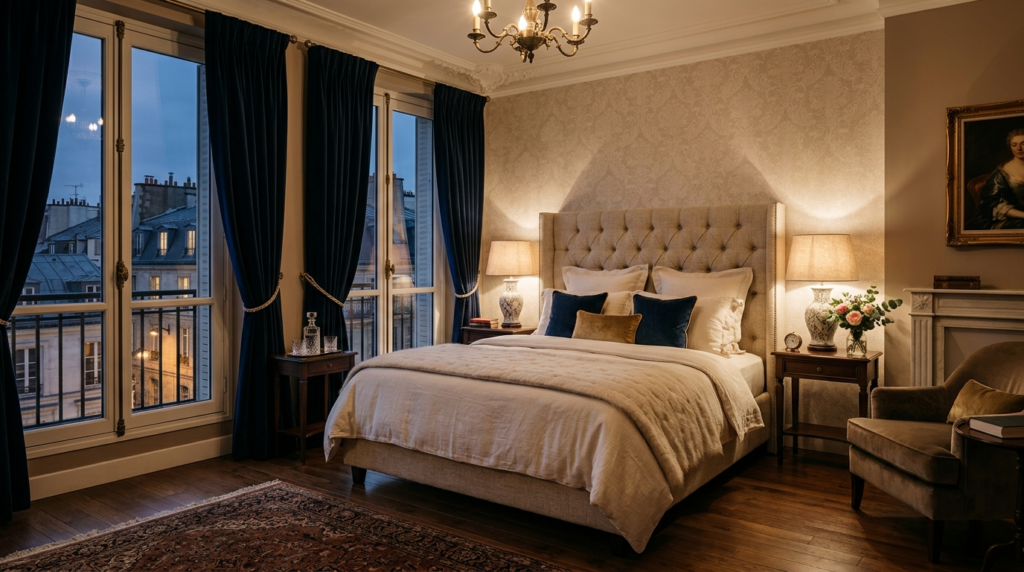
A style only works when it fits real rooms. Here is how to apply european home decor in each part of the house.
Living Room
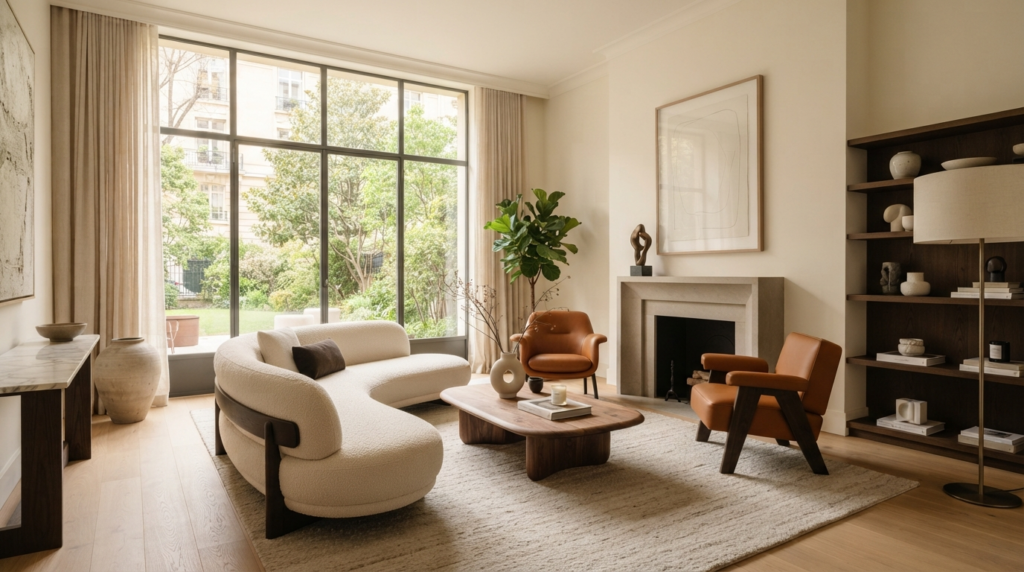
Arrange seating around a clear focal point such as a fireplace, artwork, or chandelier. Keep pathways open so the room feels welcoming. Layer rugs and cushions for comfort.
Kitchen and Dining Area
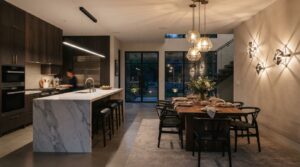
European farmhouse kitchens use open shelving, copper pots, and ceramics. Choose a sturdy wooden table with mismatched or matching chairs. The space should feel practical and inviting.
Bedroom
Soft bedding, a tall headboard, and gentle lighting create a calm, romantic retreat. A canopy or heavy curtains add drama. Limit clutter so the room supports rest.
Bathroom
Clawfoot tubs, marble surfaces, and vintage-style taps give bathrooms classic appeal. If a full remodel is too costly, change the mirror, lighting, or fixtures. Small upgrades often have the biggest effect.
Entryway and Hallway
The entrance sets the first impression of your home. A console table, a good mirror, and warm lighting are enough. Add a small bowl or tray for everyday items.
Home Office and Reading Nook
A classic wooden desk and built-in bookshelves suit a European workspace. Add a comfortable chair and a warm lamp. Even a corner by the window can become a reading nook.
Outdoor Spaces (Garden, Patio, Balcony)
European courtyards feel intimate and green. Use wrought-iron or wooden furniture, potted plants, and string lights. The result is a relaxed outdoor room for long evenings.
How to Create the Look
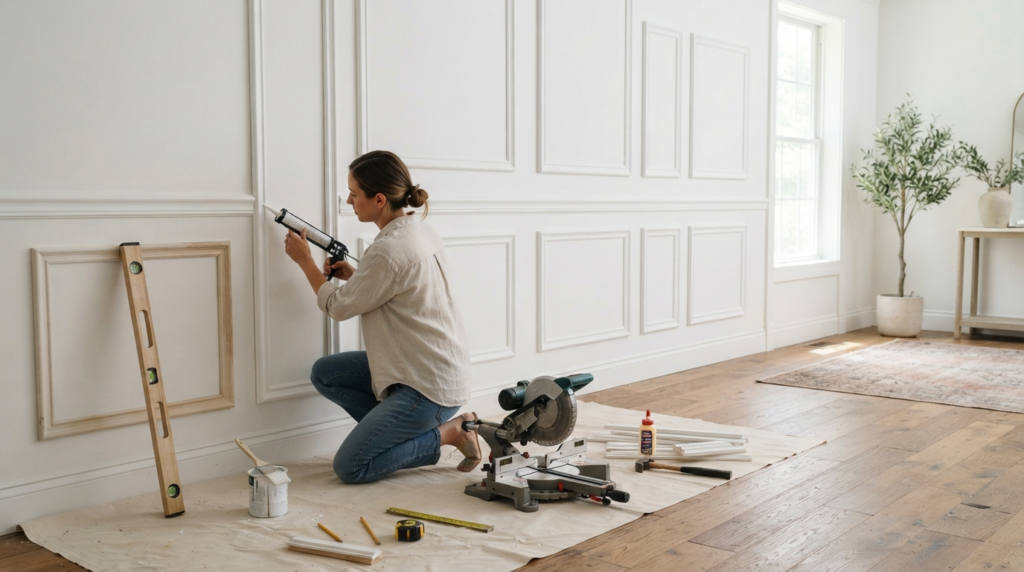
A clear process prevents costly mistakes. Follow these steps in order and adjust as you go.
Step-by-Step Decorating Plan
Choose your style, set a budget, and pick a color palette first. Then buy major furniture before accessories. Finish with lighting and personal touches that reflect your own story.
Decorating on a Budget
Thrift stores, second-hand sales, and simple DIY projects reduce costs. Painted or refinished furniture can mimic expensive antiques. Spend on items you use daily, like a sofa or bed, and save on accessories.
Decorating Small Spaces
Apartments suit Scandinavian and Mediterranean looks best. Use light colors, mirrors, and multi-purpose furniture. Choose fewer, better pieces so the room never feels crowded.
Mixing Styles the Right Way
Combine styles by sharing one element, such as color or material. A modern sofa beside an antique cabinet feels intentional when tones match. Keep patterns limited to avoid visual noise.
Common Mistakes to Avoid
Even beautiful ideas can fail when applied poorly. Watch for these frequent problems:
- Overcrowding a room with too much furniture
- Mixing too many patterns or colors at once
- Buying poor-quality reproductions
- Ignoring scale, such as a huge sofa in a tiny room
- Choosing looks over comfort and daily function
Caring for Your European Decor
Good care protects both value and beauty. Dust antiques with soft cloths and avoid harsh chemicals on wood, marble, and metal. Keep delicate fabrics away from direct sunlight, and clean them according to their material. Regular gentle maintenance keeps pieces in good condition for decades.
Trends and Modern Takes
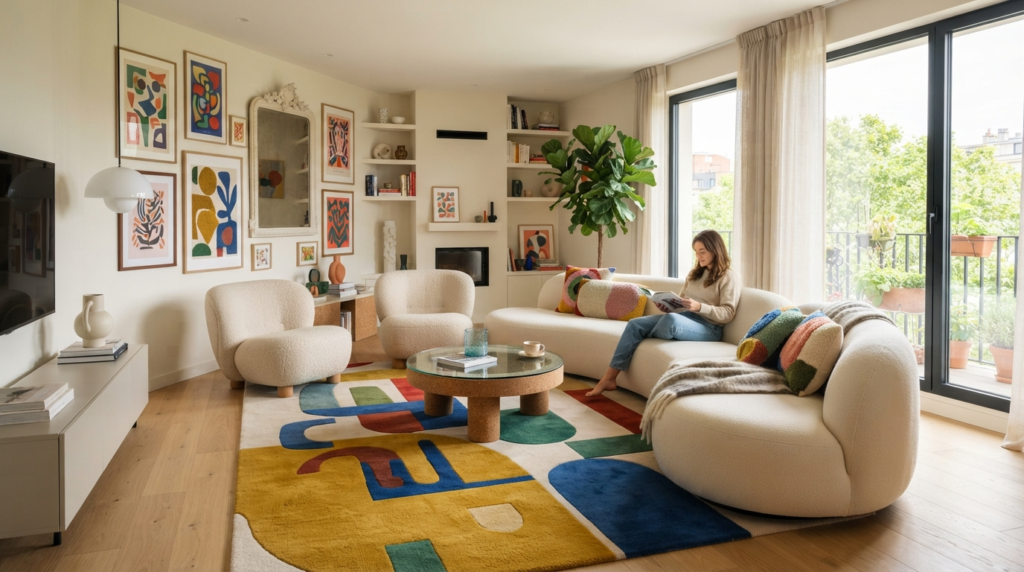
Today’s european home decor leans toward sustainability, with reclaimed wood, natural fibers, and vintage finds. Many people also blend European style with local culture, adding regional crafts or textiles. For inspiration, browse design books, magazines, and social platforms, and shop at markets, antique dealers, and trusted online stores.
Frequently Asked Questions
What is the most popular European decor style?
French Country and Scandinavian are among the most loved. One offers rustic warmth, while the other offers minimal calm. Your space and taste should decide.
Which style is best for small homes?
Scandinavian works best because of its light palette and simple furniture. Mediterranean is a good second choice. Both keep rooms open and bright.
Is European decor expensive?
It can be, but it does not have to be. Second-hand furniture, DIY updates, and careful shopping keep costs low. Focus spending on key pieces.
Can I mix different European styles?
Yes, if you keep a shared color or material. Mixing without a link creates confusion. Start with two styles and expand slowly.
How do I make my home feel European?
Use natural materials, layered textiles, warm lighting, and a few antique items. Avoid clutter and choose quality. Personal touches finish the effect.
Conclusion
European home decor rewards patience, quality, and personal taste. Choose a style that suits your space, build a simple color palette, and add pieces gradually over time. Mix old with new, and take good care of what you buy so it lasts for years. In the end, your home should tell your own story.
Related Articles
Bathroom Wall Accent : The Complete Design Guide
Cozy Living Room : The Complete Guide to a Warm and Inviting Space
Bedroom Mirror : Feng Shui, Vastu & Science
Driftwood Wall Decor: The Complete Buying and Styling Guide
Dining Room Mirror: The Complete Guide to Choosing, Sizing and Styling