Bathroom Wall Accent : The Complete Design Guide
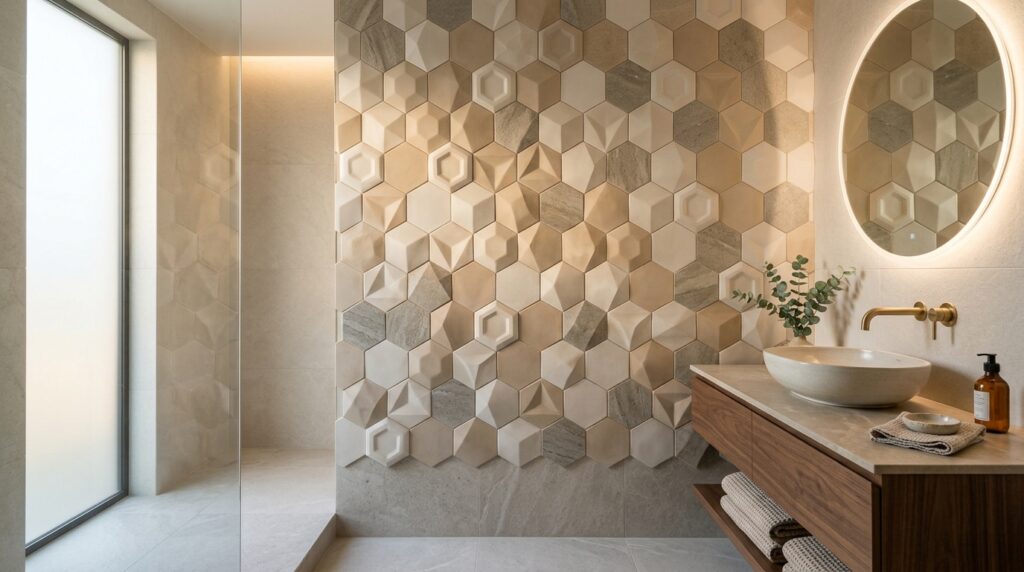
A bathroom wall accent is one of the simplest ways to transform an ordinary bathroom into a space that feels intentional and stylish. It involves choosing a single wall and giving it a different color, texture, or material so it stands apart from the rest of the room.
This small design choice can make a bathroom feel larger, more luxurious, or more personal, depending on the material and color used. Many guides online only cover one type of accent wall, such as tile or paint, leaving readers without a full picture of their options.
This guide brings every major approach together, from budget-friendly paint to high-end natural stone, along with the small-space tricks and common mistakes most articles skip. By the end, you will know exactly how to plan a bathroom wall accent that fits your space, style, and budget.
What Is a Bathroom Wall Accent
A bathroom wall accent is any single wall, or part of a wall, that is treated differently from the surrounding surfaces to draw attention. It works because the human eye naturally focuses on contrast, making the accent wall the first thing noticed when entering the room.
Why an Accent Wall Works
A focal point gives a room structure and prevents it from feeling flat or repetitive in color and texture.
When done well, an accent wall also protects the surrounding surface from moisture, especially when tile or sealed materials are used. This dual purpose of style and practicality is why accent walls remain a popular bathroom design choice.
How to Choose the Right Wall
The best wall to accent is usually the one visible immediately upon entering the bathroom, since it creates the strongest first impression.
Walls behind a bathtub, vanity, or shower are also common choices because they highlight an existing feature. Avoiding walls with too many fixtures or cutouts keeps the design impact clean and visible.
Accent Wall Materials — Which One Is Right for You
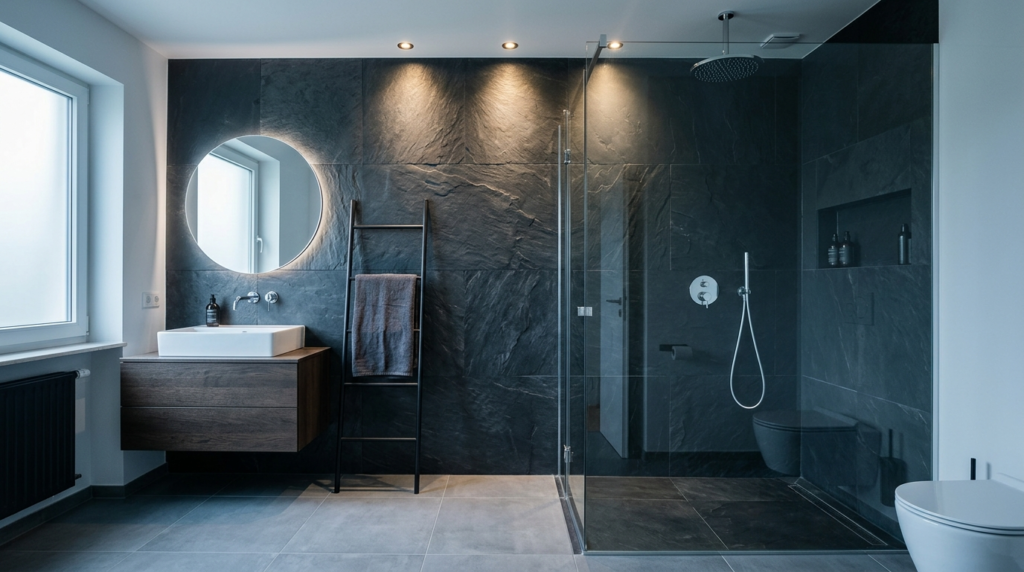
Choosing the right material depends on your budget, the bathroom’s moisture exposure, and the overall style you want to achieve. The next four sections break down the most common material choices in detail.
Tile
Porcelain, ceramic, glass, and natural stone tiles are the most durable and water-resistant options for a bathroom wall accent.
Porcelain in particular is fired at high temperatures, making it dense enough to handle constant moisture without damage. Tile also offers the widest range of colors, finishes, and patterns compared to other materials.
Wallpaper
Modern moisture-resistant wallpaper has made this once-risky option practical for bathrooms with proper ventilation.
Adding a water-based varnish or primer over the wallpaper further protects it from humidity and splashes. Playful or geometric prints in wallpaper add personality that plain paint often cannot achieve.
Paint
A minimalist approach using a single bold or contrasting paint color remains one of the most affordable ways to create a bathroom wall accent.
Color-blocking, where only part of a wall is painted, adds a modern touch without full commitment. Paint is also the easiest option to change later if styles or preferences shift.
Wood or Shiplap
A shiplap accent wall introduces a warm, comforting feel that tile and paint rarely achieve on their own. Wood should be properly sealed in bathrooms to prevent warping from steam and humidity over time. This material works especially well in farmhouse or rustic-style bathroom designs.
Tile Pattern Ideas for Maximum Visual Impact
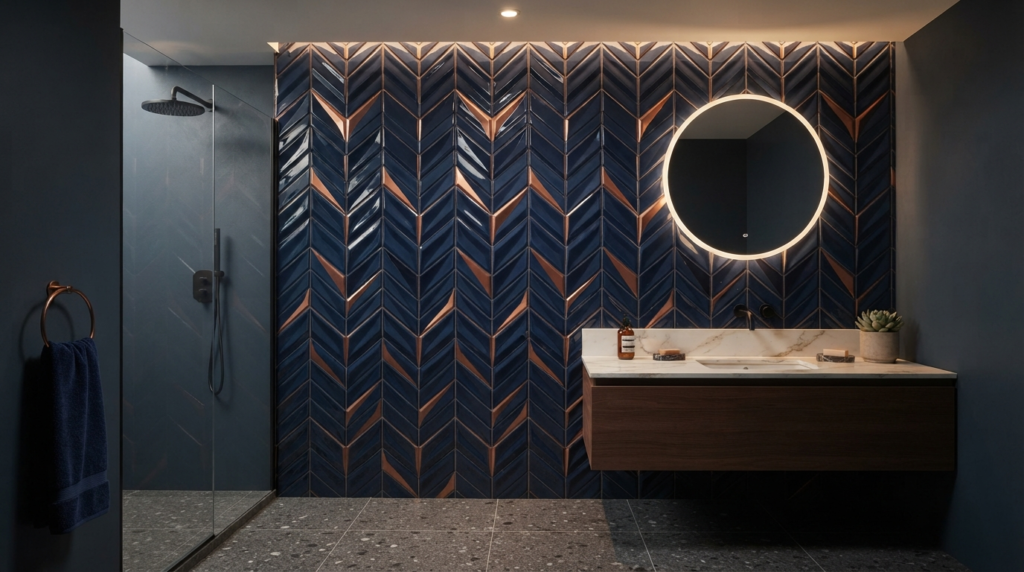
Beyond material choice, the way tiles are arranged can dramatically change how a bathroom wall accent looks and feels. These three patterns are among the most popular for creating visual interest.
Mosaic Patterns
Mosaic tiles use small pieces arranged into intricate designs, gradients, or images for a highly custom look.
This pattern allows for creative freedom with color and shape that larger tiles cannot offer. Mosaic accents work particularly well behind a vanity or as a shower backdrop.
Vertical Stack
Stacking tiles vertically from floor to ceiling draws the eye upward, creating an illusion of a taller room.
This pattern is especially useful in bathrooms with low ceilings where extra height is needed visually. It also gives the space a more modern, architectural appearance compared to traditional layouts.
Horizontal Layout
A classic horizontal tile layout offers a timeless, understated look that suits most bathroom styles.
This pattern tends to make narrow bathrooms appear wider rather than taller. It remains a safe, versatile choice for homeowners who prefer a more traditional design.
Making a Small Bathroom Feel Bigger with an Accent Wall
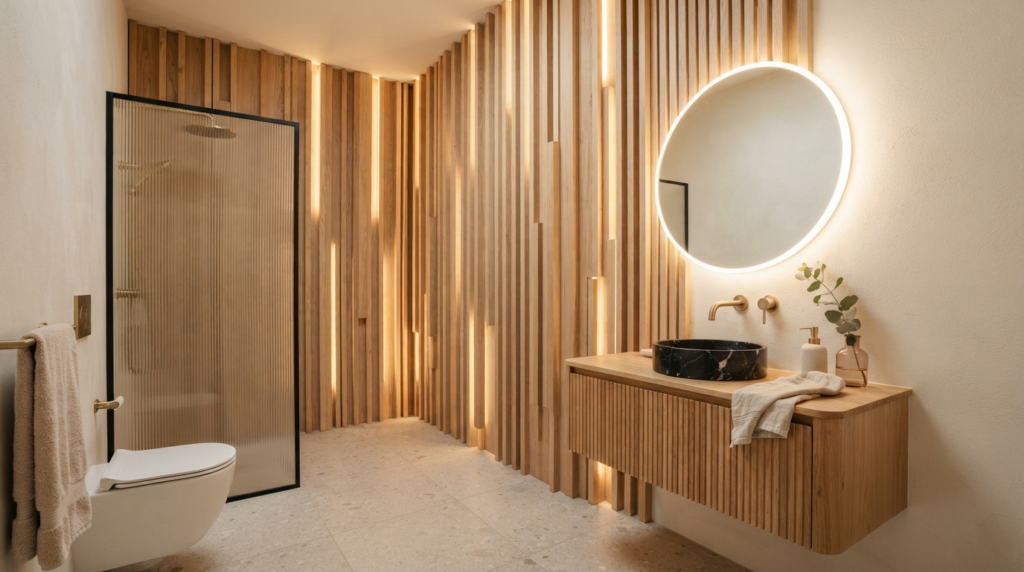
An accent wall is not only decorative, it can also be a practical tool for making a small bathroom feel more spacious. The following techniques focus specifically on maximizing that sense of space.
Light Colors and High-Gloss Finishes
Soft blues, pale greens, and warm whites reflect more light and help a small bathroom feel brighter and more open.
A high-gloss finish enhances this effect further by bouncing light around the room. Choosing these lighter tones for the accent wall keeps the overall space feeling airy.
Vertical Stripes to Raise Ceiling Perception
Vertical stripes or patterns on the accent wall draw the eye upward, making the ceiling appear higher than it actually is. This technique works well in combination with the vertical tile stacking method mentioned earlier.
Together, these vertical elements create a strong sense of added height.
Mirrors and Lighting Combined with Accent Walls
Placing a mirror near or opposite the accent wall reflects both light and color, amplifying the sense of space.
Wall sconces mounted close to the accent wall add another layer of brightness without taking up floor space. This combination is one of the most effective small-bathroom tricks available.
Luxury and Spa-Style Accent Wall Ideas
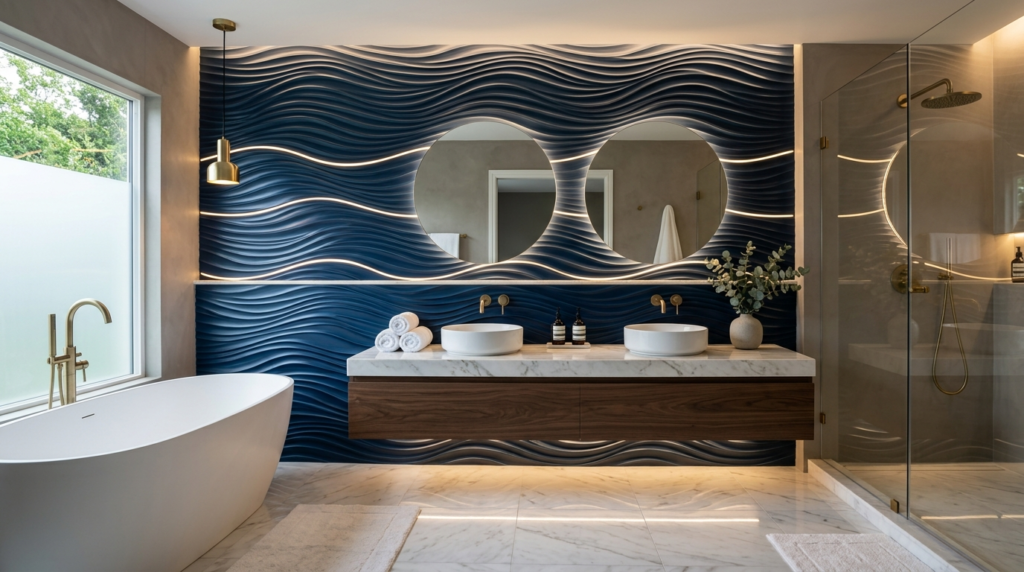
For homeowners wanting a more upscale look, certain materials and pairings create a spa-like atmosphere. These three approaches are commonly used in higher-end bathroom designs.
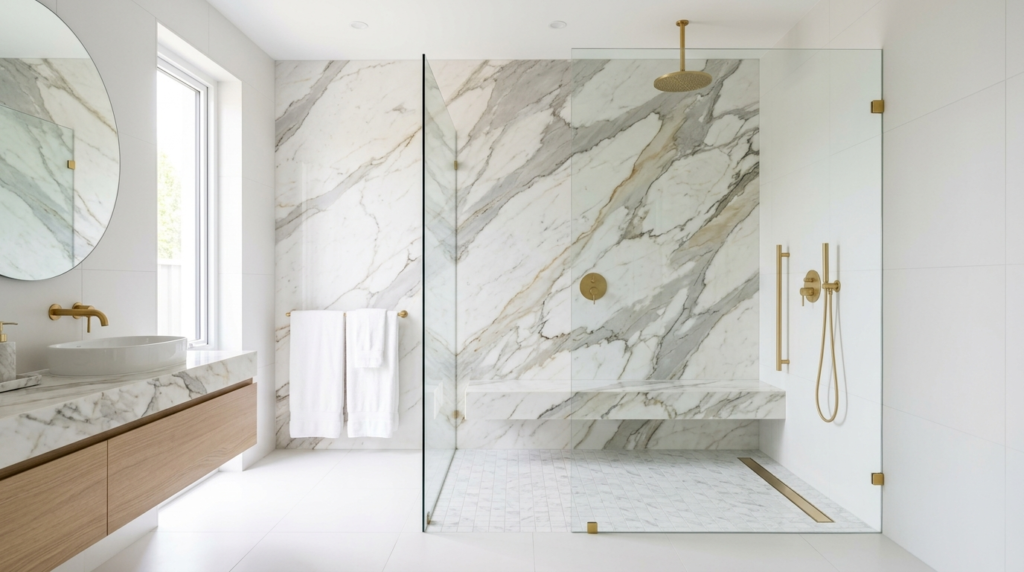
Marble and Natural Stone
Marble tile creates an elegant, upscale design that pairs beautifully with darker vanities or fixtures for contrast.
Natural stone has been associated with luxury for centuries, making it a reliable choice for a sophisticated bathroom. This material works best when paired with simple, uncluttered surrounding decor.
Brass and Chrome Fixture Pairing
Adding brass or chrome fixtures near a textured or glass accent wall introduces reflective visual interest.
This pairing works especially well with cooler materials like glass tile, balancing warmth and shine. The metallic accents also tie the accent wall into the rest of the room’s hardware.
Monochromatic Grasscloth Looks
A patterned grasscloth wall paired with a minimalist vanity creates a calm, monochromatic balance in the space.
This look offers texture without introducing additional colors that might clash with existing decor. It is a popular choice for bathrooms aiming for a quiet, sophisticated feel.
DIY vs Professional Installation
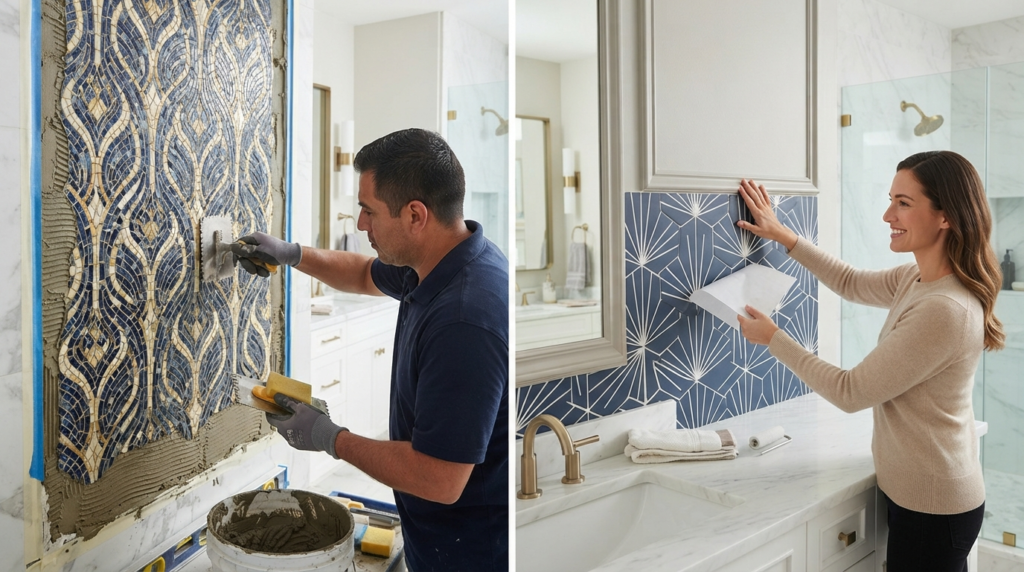
Deciding whether to install a bathroom wall accent yourself or hire a professional depends on the material chosen and your comfort level. The table below summarizes typical approaches and costs for common options.
DIY-Friendly Options
Paint and peel-and-stick wallpaper are the most beginner-friendly options, requiring minimal tools and experience.
These materials also allow for easy correction if mistakes happen during installation. Choosing a DIY option is a good way to test an accent wall idea before committing to something permanent.
Professional-Recommended Options
Tile and natural stone installation typically require professional skill to ensure proper waterproofing and even application.
Poor installation with these materials can lead to costly water damage over time. Hiring a professional for these materials protects both the investment and the bathroom’s structure.
Approximate Cost Comparison
| Material | Installation Type | Typical Cost Range |
| Paint | DIY | Low cost, under a few hundred dollars |
| Peel-and-stick wallpaper | DIY | Low to moderate cost |
| Ceramic or porcelain tile | Professional recommended | Moderate to high cost |
| Natural stone or marble | Professional recommended | High cost |
Common Mistakes to Avoid with Bathroom Accent Walls
A few recurring mistakes can undermine an otherwise well-planned bathroom wall accent. Being aware of these issues in advance helps avoid costly corrections later.
Choosing a Non-Moisture-Resistant Material
Using standard paint or unsealed wallpaper in a high-humidity bathroom can lead to peeling, warping, or mold over time.
Always confirm that a material is rated for bathroom or high-moisture use before installation. This single mistake is responsible for most accent wall failures in bathrooms.
Overcrowding the Accent Wall with Decor
Adding too many shelves, frames, or decorations on the accent wall competes with the material itself for attention.
The wall’s color, texture, or pattern should remain the main visual focus rather than being hidden behind clutter. A few carefully chosen accessories are usually enough.
Picking a Wall That Is Not in the Line of Sight
Selecting a wall that is not immediately visible upon entering the bathroom reduces the overall impact of the design.
Even a beautifully finished accent wall loses its effect if it is tucked behind a door or fixture. Always evaluate sightlines before finalizing which wall to accent.
Frequently Asked Questions About Bathroom Wall Accent
What is the best material for a bathroom accent wall?
Porcelain and ceramic tile are generally the most reliable choices due to their durability and strong water resistance in humid conditions.
Can wallpaper be used in a bathroom?
Yes, as long as it is moisture-resistant and properly sealed with a protective varnish or primer for humidity protection.
How do I choose which wall to accent?
Pick the wall that is most visible upon entering the room, or the one located behind a key feature like a tub or vanity.
Does an accent wall make a small bathroom look bigger?
Yes, light colors, high-gloss finishes, and vertical patterns can all create the illusion of a larger, taller space.
Conclusion
A well-planned bathroom wall accent combines the right material, pattern, and wall placement to create a focal point that feels both stylish and practical.
Most existing guides on this topic only focus on one material or style, such as luxury tile or small-space color tricks, leaving readers without a complete view of their options.
This guide combines material comparisons, pattern ideas, small-space solutions, luxury styling, and DIY versus professional costs into one complete resource. Applying even one or two of these ideas can turn a plain bathroom wall into the standout feature of the entire room.
Related Articles
Cozy Living Room : The Complete Guide to a Warm and Inviting Space
Bedroom Mirror : Feng Shui, Vastu & Science
Driftwood Wall Decor: The Complete Buying and Styling Guide
Dining Room Mirror: The Complete Guide to Choosing, Sizing and Styling
Crate and Barrel Lighting: A Complete Buying Guide for Every Room