Driftwood Wall Decor: The Complete Buying and Styling Guide
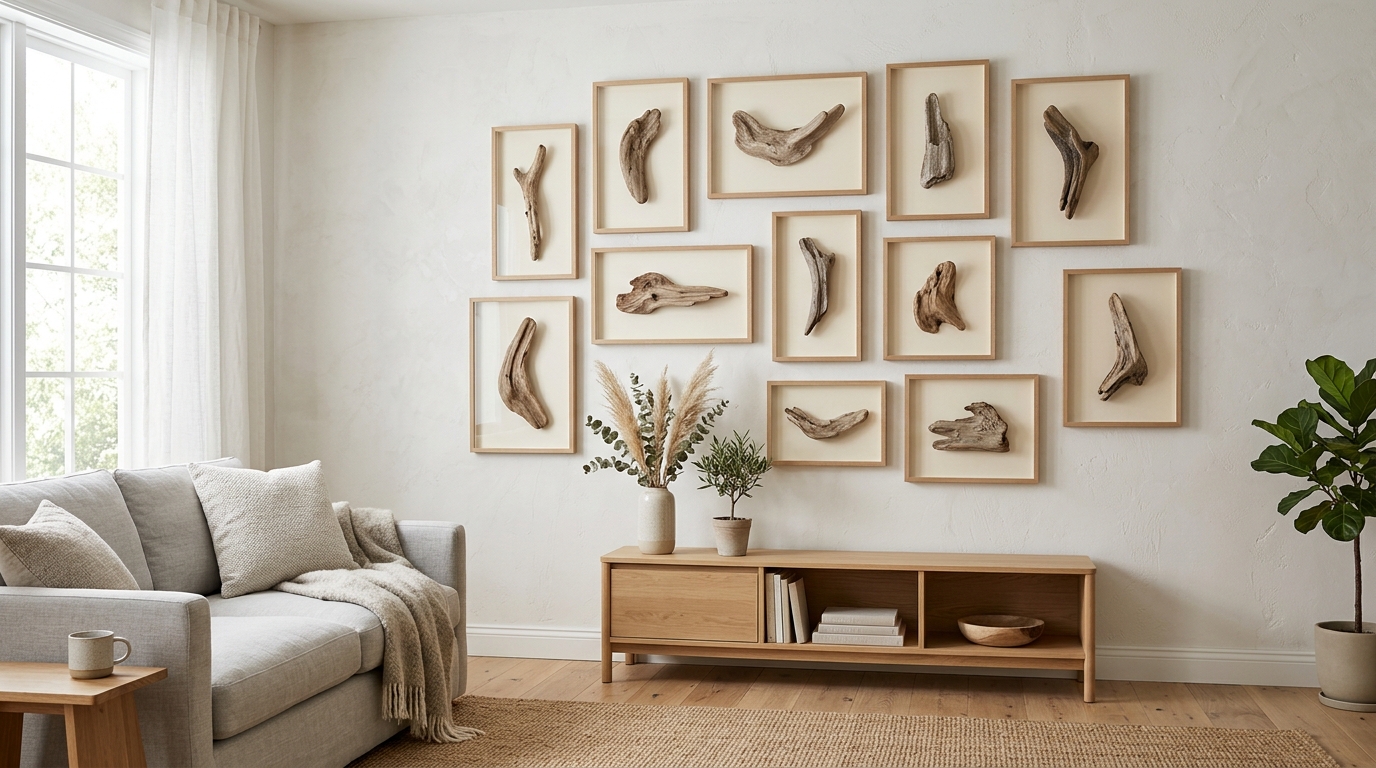
Driftwood wall decor has become one of the most searched-for ways to bring natural texture into a home, largely because no two pieces ever look exactly alike.
Shaped by years of sun, salt water, and weather, each piece carries its own grain pattern, color variation, and irregular shape, which is exactly what makes it feel so different from mass-produced wall art.
Homeowners are drawn to it not just for its coastal roots but for how easily it blends into farmhouse, boho, and even modern interiors when chosen correctly.
At the same time, choosing the right piece involves more than picking something that looks nice online, since size, finish, and placement all affect how natural or out of place it ends up looking on the wall. This guide breaks down every part of that decision, from understanding the different types available to hanging and maintaining the finished piece properly.
What Is Driftwood Wall Decor and Why It’s Trending
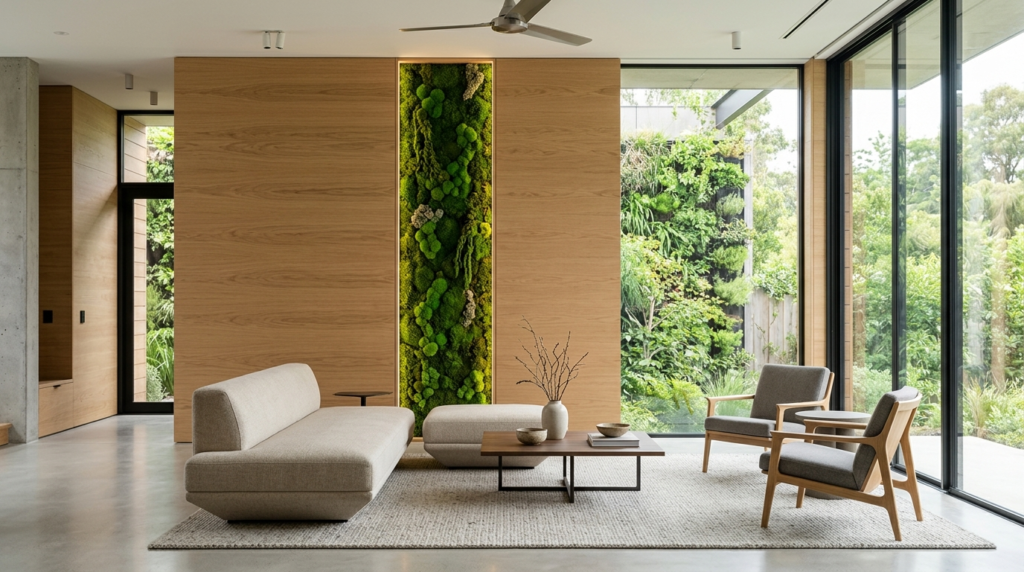
Driftwood wall decor refers to wood pieces that have been naturally weathered by water and sun, then shaped into wall art, mirrors, or sculptural arrangements.
Its rising popularity comes from a broader shift toward natural, imperfect materials in home design rather than uniform, factory-made decor.
The Natural, No-Two-Alike Appeal
Because driftwood forms through years of natural erosion, every single piece has a unique texture, curve, and pale, sun-bleached tone that cannot be replicated.
This uniqueness is a major selling point for buyers who want their home to feel personal rather than mass-produced. It also means two people can buy the “same” product and end up with visibly different pieces.
Real vs Faux Driftwood
Real driftwood is collected from beaches or riverbanks and retains natural cracks, weight, and coloring that comes only from genuine weathering. Faux or engineered versions are manufactured to mimic that look using treated wood or composite materials, usually at a lower price and with more consistent shapes.
Choosing between the two often comes down to budget, desired authenticity, and how much natural variation a buyer is comfortable with.
Types of Driftwood Wall Decor
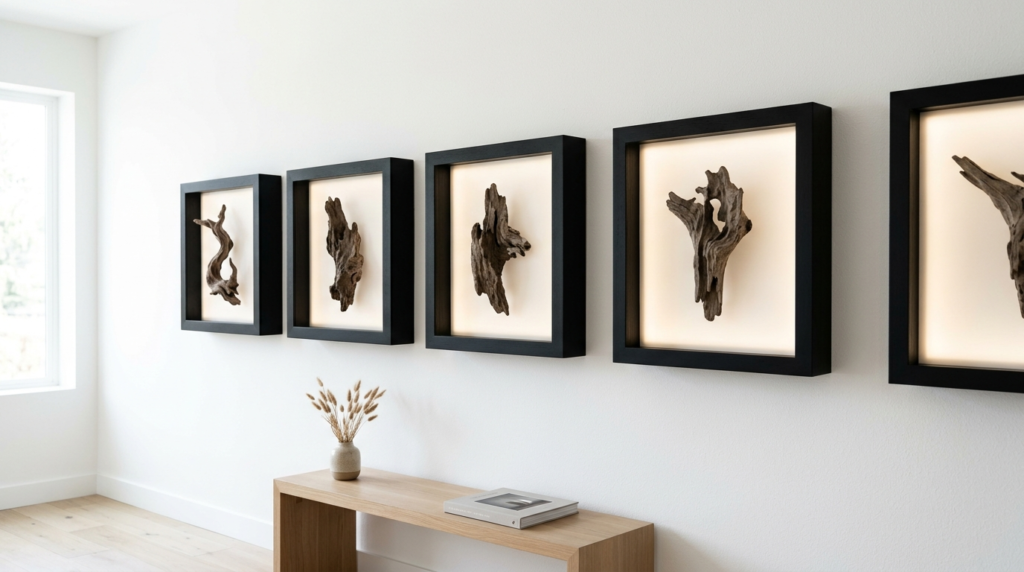
Driftwood decor is not limited to a single format, and understanding the main categories makes it easier to match a piece to your wall and style. Each type offers a different level of visual impact and installation complexity.
Wall Art, Sculptures and Mirrors
Flat driftwood wall art typically arranges smaller pieces into a cohesive shape, such as a heart, wave, or abstract pattern, mounted on a backing board.
Driftwood sculptures take this further with three-dimensional forms that add depth and shadow to a wall. Driftwood-framed mirrors combine function with decor, making them especially popular in bathrooms and entryways.
Starburst Arrangements and Multi-Piece Sets
Starburst-style arrangements radiate driftwood pieces outward from a central point, creating a bold, symmetrical focal piece.
Multi-piece sets, often sold in groups of three, six, or nine, allow buyers to create a custom gallery-style layout rather than relying on one single shape. Both options work well when a homeowner wants flexibility in how the final display is arranged.
How to Choose the Right Size and Shape
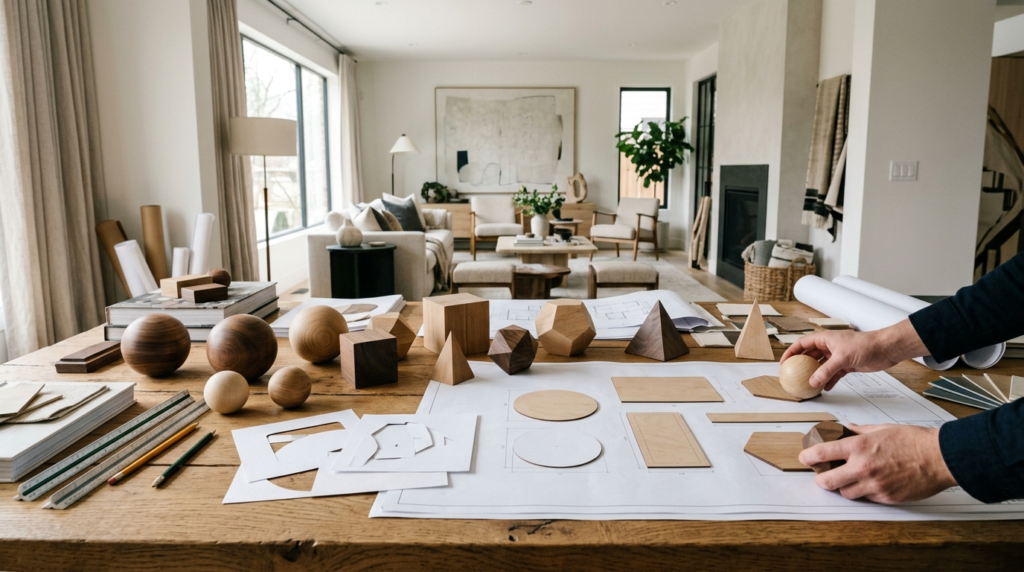
Sizing driftwood decor correctly prevents it from looking either too sparse or too overwhelming on the wall. The right choice depends heavily on the available wall space and the furniture nearby.
Sizing for Small vs Large Walls
Smaller walls, such as those above a console table or in a hallway, generally suit pieces between eighteen and thirty inches wide. Larger open walls or spaces above a sofa can comfortably support driftwood decor forty inches wide or more, especially when using a multi-piece set. Measuring the wall before buying prevents the common mistake of choosing a piece that looks correctly sized only in product photos.
Horizontal vs Vertical Orientation
Horizontal driftwood pieces tend to suit wider walls and work especially well above furniture like sofas or headboards. Vertical orientations are better suited for narrow spaces, such as hallways or the area beside a doorway.
The wall’s proportions, more than personal preference alone, should usually guide this decision.
Style Guide — Matching Driftwood to Your Decor
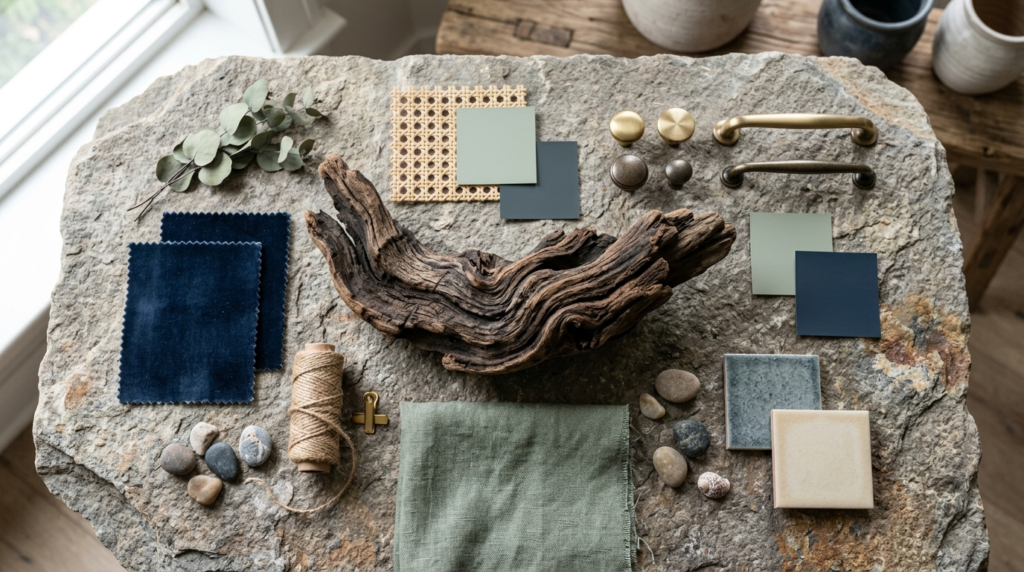
Driftwood wall decor is often assumed to fit only coastal interiors, but it actually adapts well across several design styles depending on finish and arrangement. Matching it correctly to your existing decor keeps the room feeling intentional.
Coastal, Rustic and Boho Styles
In coastal interiors, natural pale driftwood pairs naturally with linen textures, blues, and sandy neutral tones. Rustic and farmhouse spaces benefit from darker, more weathered pieces combined with wood furniture and warm lighting.
Boho interiors often mix driftwood with woven textures, macrame, and layered textiles for an eclectic, collected-over-time look.
Modern and Minimalist Style
Modern and minimalist rooms can still use driftwood effectively by choosing a single sculptural piece with clean lines rather than a busy, textured arrangement.
Pairing it against a plain, neutral wall allows the natural texture to stand out without competing with other decor.
This pairing is often overlooked, even though driftwood’s organic shape can contrast beautifully with a room’s otherwise straight, minimal lines.
Placement affects how naturally driftwood decor fits into a room, since certain spaces highlight its texture better than others. A few locations consistently work best.
Living Room and Entryway
In the living room, driftwood decor works well above a sofa or as a standalone piece on an otherwise bare feature wall, especially when paired with warm lighting.
In an entryway, it creates an immediate first impression and pairs naturally with a console table or mirror below it. Both spaces benefit from keeping the surrounding wall relatively uncluttered so the texture remains the focal point.
Bathroom and Bedroom
Bathrooms, particularly those with a coastal or spa-like theme, are a natural fit for driftwood mirrors or smaller wall art due to their water-inspired origin.
In bedrooms, a piece placed above the headboard adds texture without requiring bold color, making it a popular choice for neutral, calming spaces. In both rooms, smaller or medium-sized pieces usually work better than oversized arrangements.
Real Driftwood vs Engineered Wood
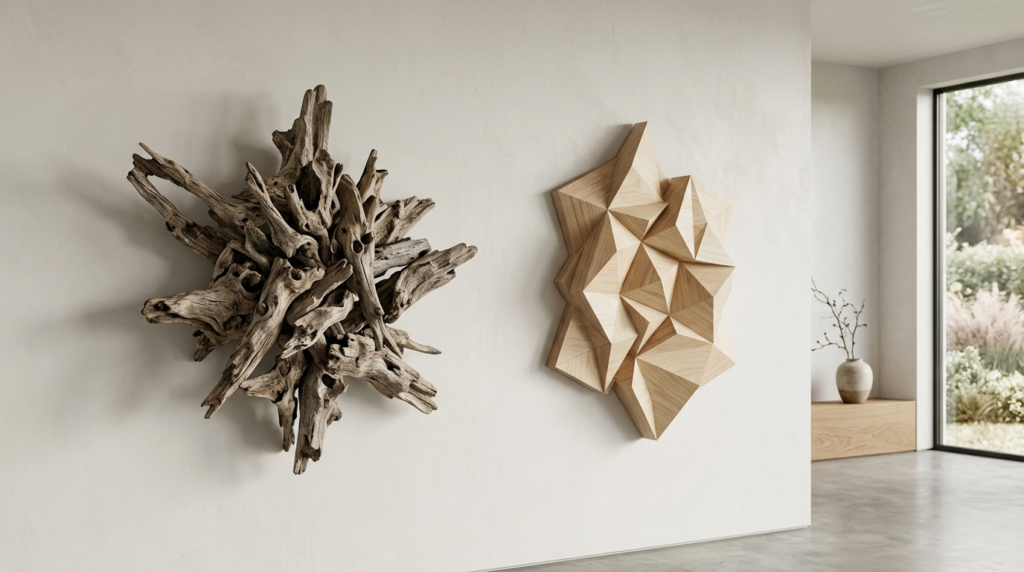
Beyond initial appearance, real and engineered driftwood differ significantly in long-term durability and cost. Understanding these differences helps buyers choose based on more than just looks.
Durability, Maintenance and Sustainability
Real driftwood is generally more durable against humidity since it has already been naturally weathered, though it can still be sensitive to extreme dryness or direct sunlight over time.
Engineered versions are often more consistent in structure and easier to clean, but may not hold up as well if exposed to moisture.
From a sustainability standpoint, genuine driftwood is a reclaimed natural material, while engineered options vary depending on the manufacturing process used.
Color and Finish Options
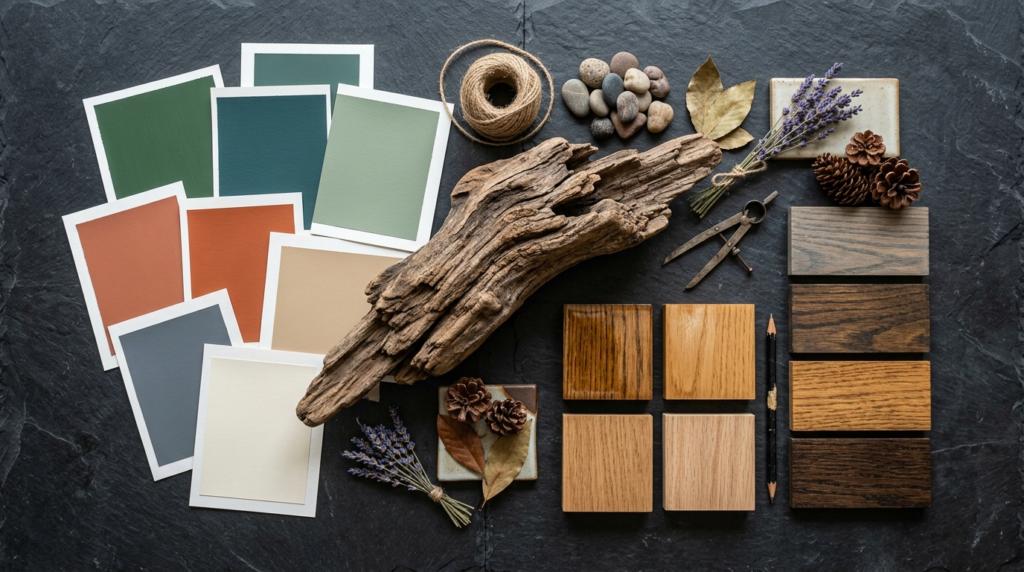
The finish of a driftwood piece has a major impact on which design style it fits into. Choosing the right tone keeps the piece aligned with the rest of the room.
Natural, Whitewashed and Dark Stained Finishes
Natural, sun-bleached driftwood offers the most authentic coastal look and pairs well with light, airy interiors. Whitewashed finishes soften the wood’s natural grain while keeping a bright, beachy feel, making them popular in farmhouse-style rooms.
Dark stained or distressed finishes shift the same driftwood shapes into a more rustic or moody aesthetic, better suited for warmer, earth-toned interiors.
Budget Guide — Price Ranges Explained
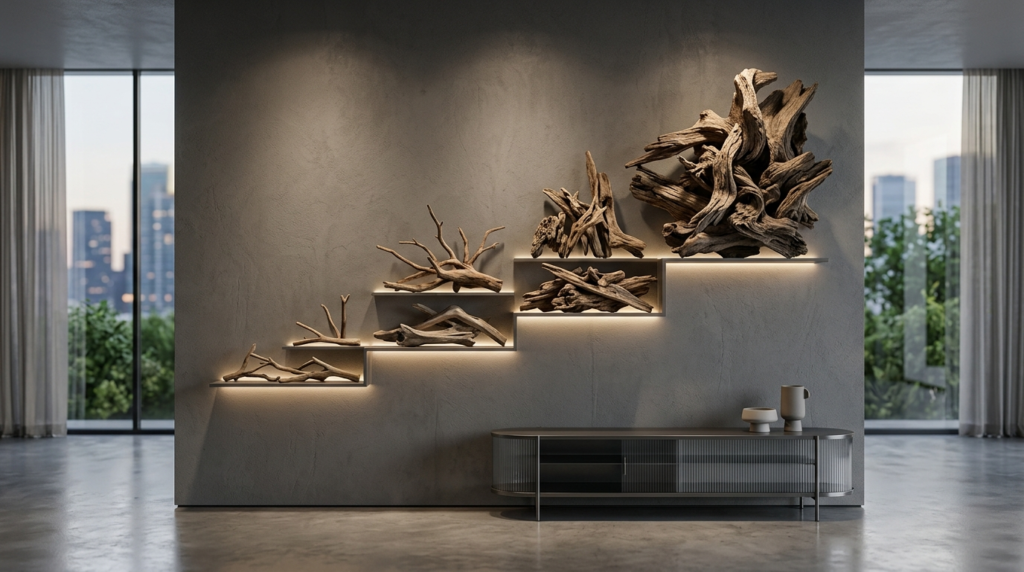
Driftwood wall decor spans a wide price range depending on size, authenticity, and craftsmanship. Knowing what each range typically includes helps set realistic expectations.
| Price Range | What You Typically Get |
| Under 40 dollars | Small engineered or faux driftwood pieces |
| 60 to 150 dollars | Genuine handmade single pieces or small sets |
| 150 dollars and above | Large sculptural pieces, artisan-made multi-piece sets |
Buyers working with a smaller budget can still achieve a strong visual impact by choosing one well-placed medium piece instead of several inexpensive smaller ones spread across the wall.
Best Places to Buy Driftwood Wall Decor
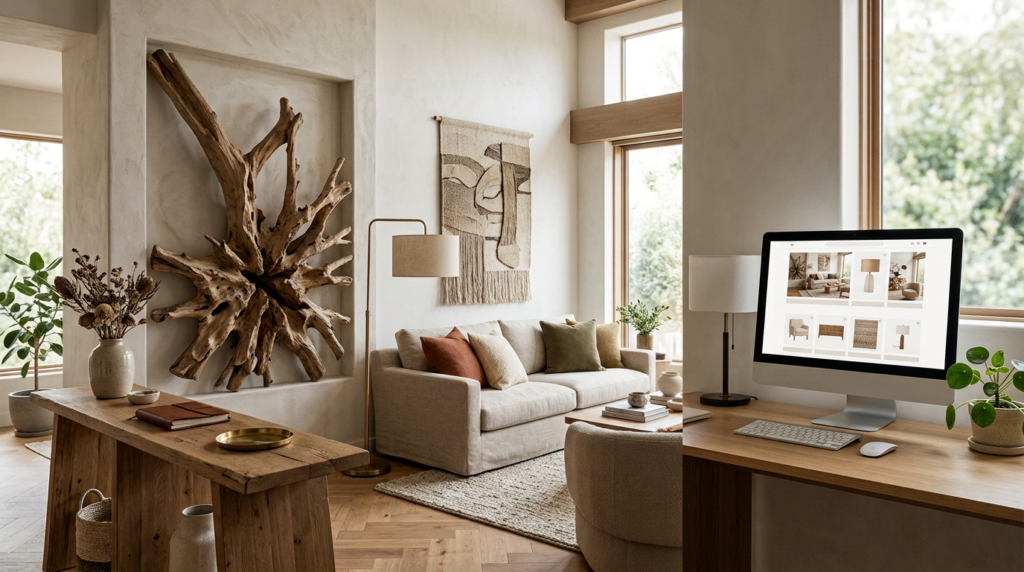
Where a piece is purchased affects authenticity, price, and how accurately it matches what is shown online. Different platforms offer different strengths.
Handmade Marketplaces vs Retail Stores
| Platform Type | Strength | Consideration |
| Handmade marketplaces | Authentic, one-of-a-kind pieces | Pricing and quality vary by seller |
| Furniture retailers | Consistent sizing, detailed product specs | Often engineered rather than genuine driftwood |
| General marketplaces | Wide selection, fast shipping | Harder to verify authenticity before buying |
What to Check Before Buying
Before purchasing, confirm whether the listing is genuine driftwood or an engineered alternative, since the difference significantly affects both price and durability.
Check the total weight of the piece, as heavier real driftwood may require stronger mounting hardware than lighter faux versions.
Reviewing seller photos closely also helps, since natural variation means the exact piece received may differ slightly from the main listing image.
Installation and Hanging Guide
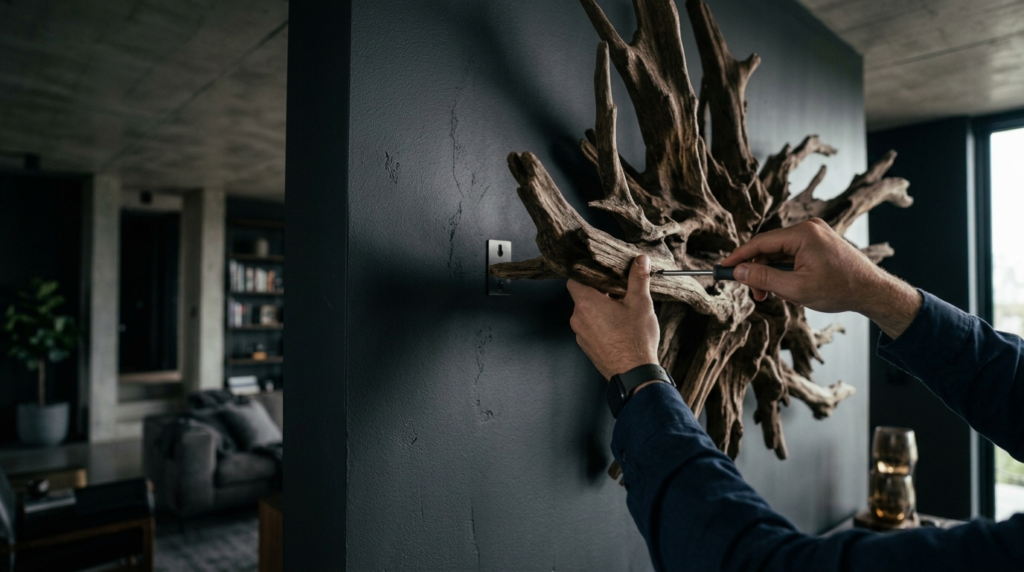
Driftwood decor can range from very light to surprisingly heavy, so hanging it correctly depends on understanding the specific piece’s weight and shape. A few basic steps apply across most types.
Tools and Safe Hanging
Lightweight driftwood art can usually be hung with basic picture hooks rated for the piece’s weight, while heavier sculptural pieces benefit from wall anchors placed into a stud.
Because driftwood shapes are often irregular, using a level is especially important to avoid the piece appearing crooked once mounted. For multi-piece sets, laying the arrangement out on the floor first helps confirm spacing before committing to nail placement on the wall.
Care and Maintenance Tips
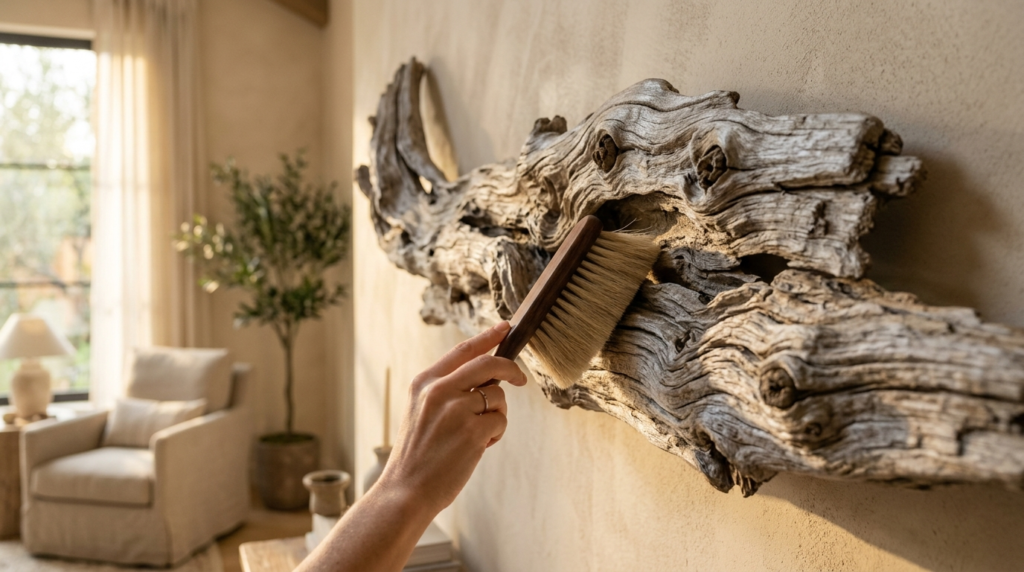
Although driftwood is naturally weather-resistant, indoor display still benefits from occasional care to preserve its appearance. Simple maintenance keeps the piece looking its best for years.
Cleaning and Preventing Damage
Dusting driftwood regularly with a soft, dry cloth prevents buildup in its natural crevices without damaging the surface.
Avoiding direct, prolonged sunlight helps prevent excessive drying or cracking over time, particularly for real driftwood pieces. Keeping the piece away from high-humidity areas, unless specifically treated for such spaces, also helps maintain its shape and finish.
Common Mistakes to Avoid
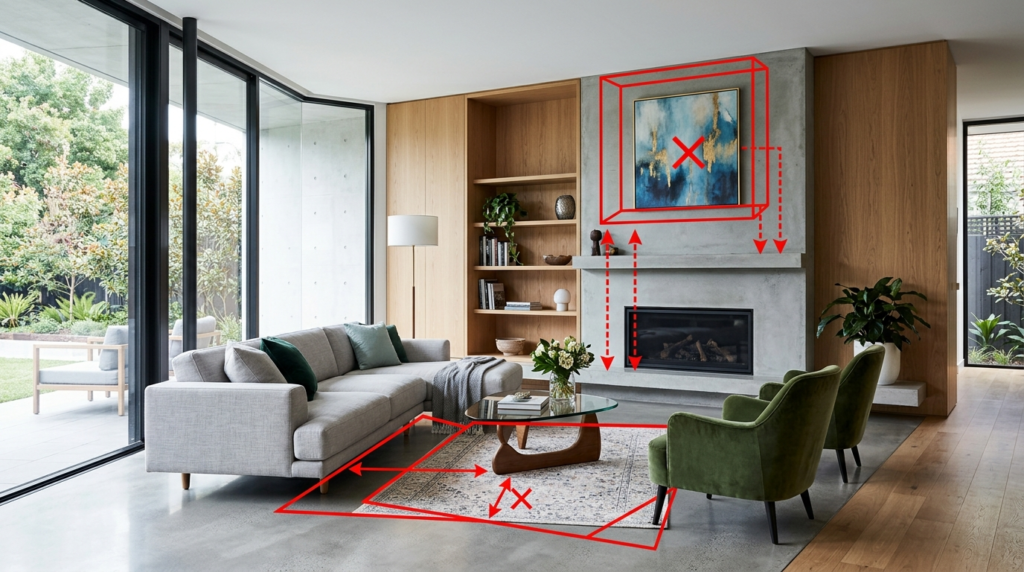
A few recurring errors can undermine even a well-chosen piece of driftwood wall decor.
Scale, Style and Placement Errors
Choosing a piece that is too small for the wall is one of the most common mistakes, often leaving the space looking unfinished rather than intentional. Mismatching finish and style, such as placing a heavily rustic piece in an otherwise sleek modern room without any transitional elements, can also create visual tension.
Finally, overcrowding the surrounding wall with too much additional decor often distracts from the driftwood’s natural texture instead of highlighting it.
Frequently Asked Questions
Is real driftwood better than faux driftwood?
Real driftwood offers more authentic texture and durability, while faux versions are generally more affordable and consistent in shape.
Which wall works best for driftwood decor?
Living room feature walls, entryways, and bathrooms tend to showcase driftwood’s texture most effectively.
How heavy is driftwood wall art usually?
Weight varies widely by size, but larger real driftwood pieces can be noticeably heavier than similarly sized faux versions.
Does driftwood decor need special maintenance?
Occasional dusting and keeping it away from direct sunlight or high humidity is usually enough to maintain its appearance.
Can driftwood decor work in a modern home?
Yes, a single sculptural piece against a plain wall can complement modern and minimalist interiors effectively.
Conclusion
Choosing the right driftwood wall decor depends on balancing authenticity, size, and style with the specific room it will be placed in, rather than selecting a piece based on appearance alone.
Most retailers, from handmade marketplaces to large furniture sites, focus heavily on product variety while offering little guidance on sizing, real versus faux differences, or long-term care.
This guide addresses that gap directly, giving buyers the practical details needed to choose a piece that fits their space and lasts well beyond the first season it is hung.
Related Articles
60s Home Decor : History, Colors, Furniture & Modern Ideas
Art Deco Home Decor: A Complete Guide to Glamorous Interior Style
Architectural Salvage Vintage Home Decor: The Complete Buying & Styling Guide
Mexican Home Decor: A Complete Guide to Colors, Materials, and Styling
Living Room Wallpaper Decor: Ultimate Guide to Styles, Colors & Tips