Mexican Home Decor: A Complete Guide to Colors, Materials, and Styling
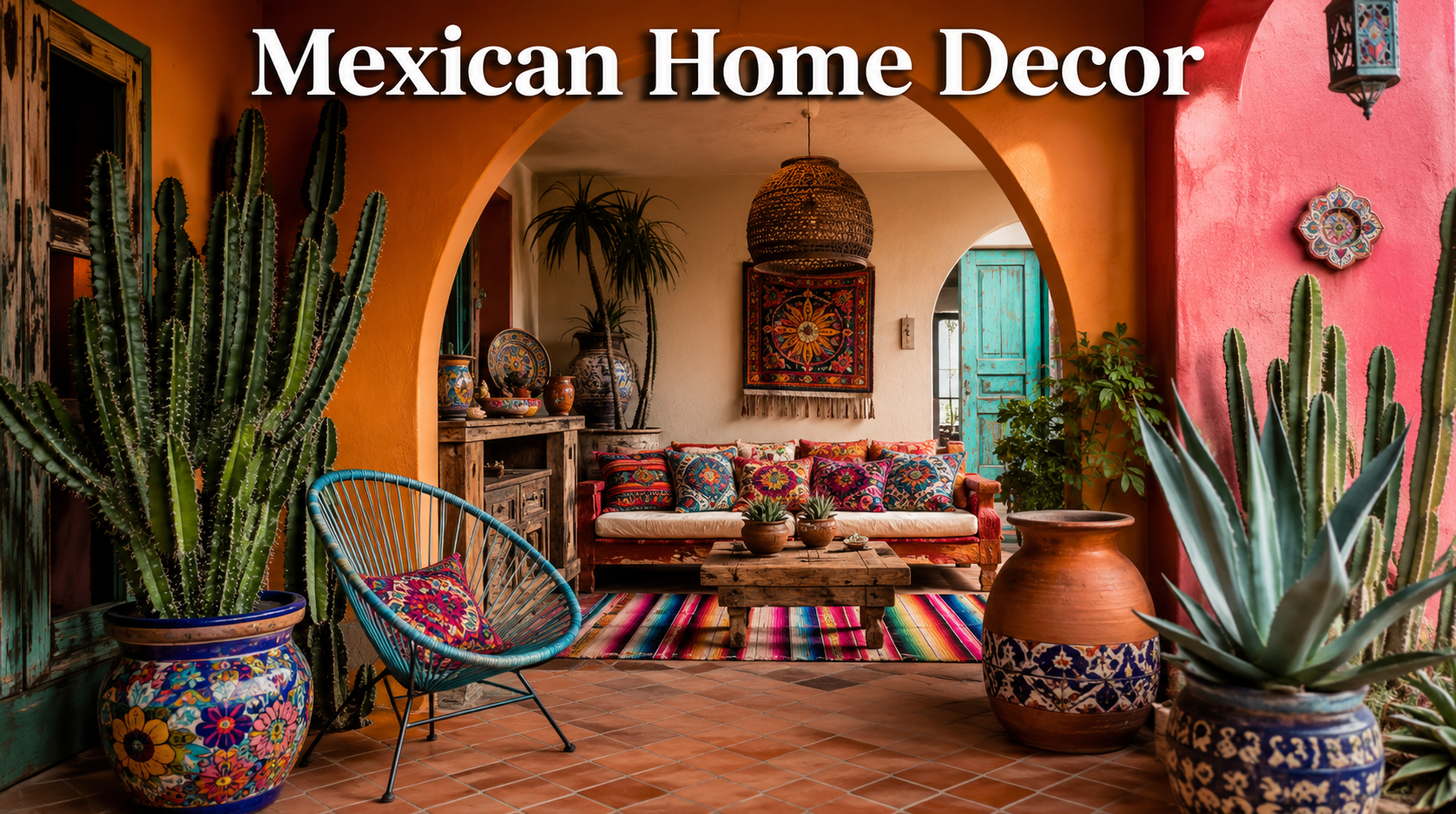
Mexican home decor is a warm, expressive design style that blends Spanish colonial charm with indigenous artistry and rustic craftsmanship. It brings together bold colors, hand-painted tiles, carved wood, and woven textiles to create spaces that feel lively and personal.
This style is loved because it turns any home into a cozy, story-filled space rather than a plain, generic one. Whether applied to a single room or an entire house, Mexican home decor offers warmth, texture, and character that few other styles can match.
This guide walks through every element needed to understand and recreate this look at home.
What Defines the Mexican Decor Style
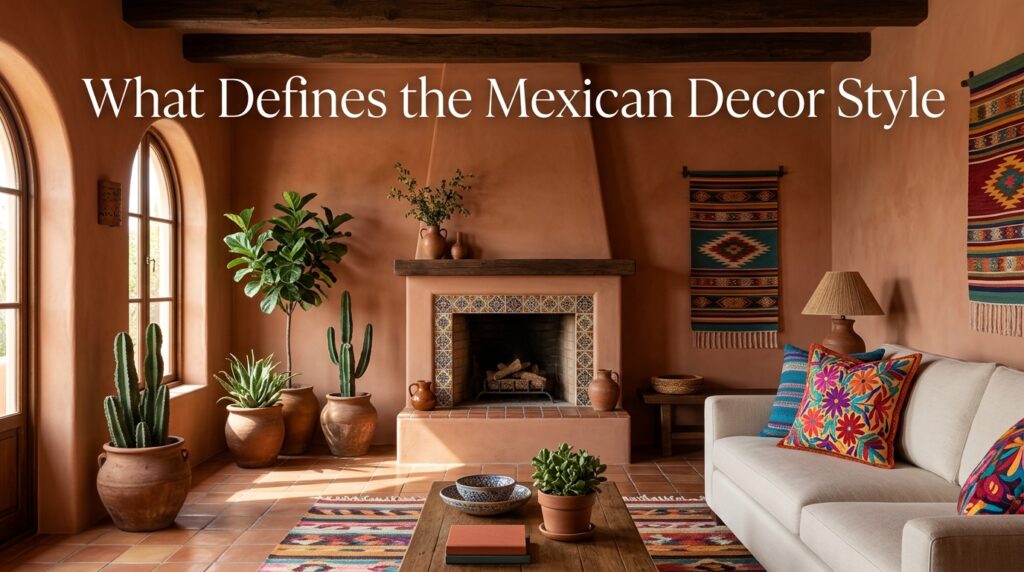
Mexican home decor stands out because of its fearless use of color, natural materials, and handcrafted details. It is not about matching everything perfectly but about layering textures and tones that feel alive and welcoming.
A Brief History and Cultural Roots
This decor style grew from centuries of cultural blending in Mexico, where Spanish colonial architecture met local indigenous craftsmanship.
Artisans combined European tile work with Aztec and Mayan patterns, creating something entirely new. Over time, this fusion became a recognizable national aesthetic passed down through generations of skilled makers.
Why This Style Remains Popular Today
People continue choosing Mexican home decor because it adds instant warmth and personality to modern interiors. Its bold colors and handmade textures offer a refreshing contrast to minimalist, mass-produced furniture trends.
Homeowners also appreciate that each piece often carries craftsmanship and cultural meaning behind it.
Key Influences Behind the Style
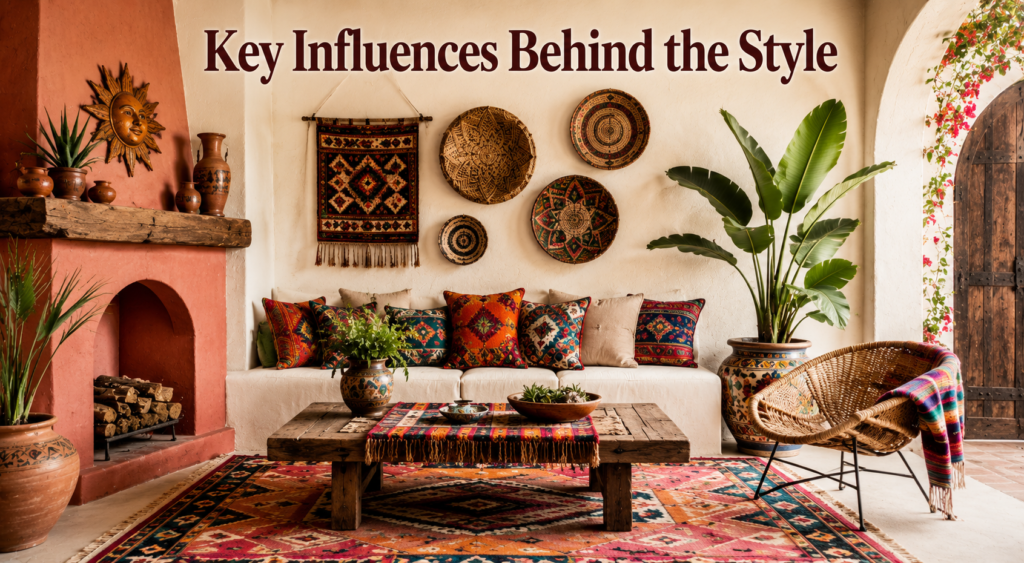
The Mexican decor aesthetic did not appear overnight; it developed through layers of history, migration, and artistic tradition. Understanding these influences helps explain why the style feels so rich and layered.
Spanish Colonial Heritage
Spanish colonization introduced arched doorways, wrought iron balconies, and glazed tile work into Mexican architecture. These elements remain central to the decor style, especially in courtyards, staircases, and kitchen backsplashes. This influence gives the style a slightly formal, architectural backbone.
Indigenous Aztec and Mayan Traditions
Long before colonization, indigenous cultures used natural dyes, woven fibers, and geometric patterns in daily life. These traditions still appear today in rugs, pottery, and wall hangings found in Mexican-inspired homes. This influence adds symbolism and earthy texture to the overall look.
Rural and Folk Art Influences
Village artisans across Mexico have long created hand-painted furniture, clay pottery, and folk paintings using simple tools and local materials. These pieces bring a raw, homemade charm that feels personal rather than manufactured. This rustic influence keeps the style grounded and approachable.
Modern Mexican Design Movements
Contemporary Mexican designers have started blending traditional elements with cleaner, modern silhouettes. This has led to a lighter, more adaptable version of the style suitable for smaller or minimalist homes. It allows the decor to stay relevant without losing its cultural roots.
Color Palette
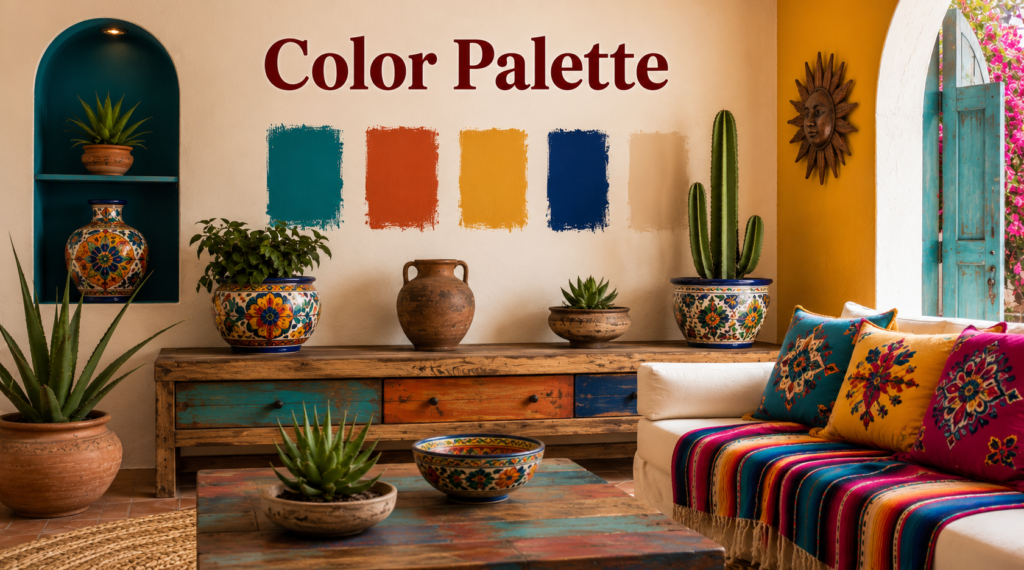
Color is the heart of Mexican home decor, and choosing the right combination can transform an entire room. The palette typically mixes warm earthy bases with a few vivid, energetic accents.
Warm and Earthy Tones
Shades like terracotta, rust, and ochre form the base of most Mexican-inspired rooms. These tones mimic clay, sand, and sun-baked walls commonly seen across Mexican architecture. They create a grounded, cozy atmosphere that pairs well with wood and stone finishes.
Vibrant Accents
Cobalt blue, magenta, and sunflower yellow are often used as accent colors against the earthy base tones. These shades appear in cushions, tiles, or a single painted wall to add energy without overwhelming the space. A little goes a long way with these brighter hues.
How to Balance Bold Colors in a Room
The easiest way to balance bold colors is to use one dominant earthy tone and one or two bright accents at most. Neutral walls or flooring can help ground the space so the colors do not compete with each other. Textiles and small decor pieces are the safest places to experiment with brighter shades.
Regional Color Variations
Coastal regions in Mexico often lean toward brighter blues and whites inspired by the ocean. Desert areas favor warm reds, browns, and burnt orange tones reflecting the landscape. Colonial towns typically mix pastel facades with deep, saturated interior accents.
Materials and Textures
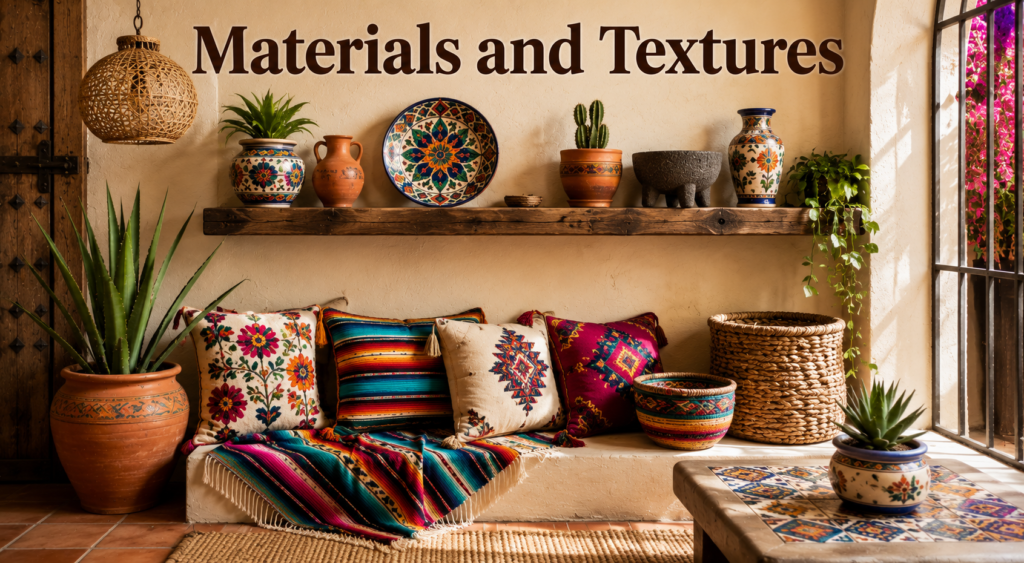
Materials play a major role in bringing authenticity to Mexican home decor. Natural, handmade materials are preferred over synthetic or mass-produced alternatives.
Talavera Ceramic Tiles
Talavera tiles are hand-painted ceramic pieces featuring intricate floral or geometric patterns. They are commonly used on kitchen backsplashes, bathroom walls, and staircases. Their glossy finish and detailed artwork instantly signal traditional Mexican craftsmanship.
Wrought Iron Details
Wrought iron appears in railings, light fixtures, and furniture frames throughout Mexican-style homes. Its dark, sturdy appearance contrasts beautifully with lighter wood and bright textiles. This material also adds a slightly rustic, old-world feel to interiors.
Carved and Reclaimed Wood
Heavy, hand-carved wooden furniture is a staple of this decor style, often featuring detailed floral or geometric carvings. Reclaimed wood is also popular for its weathered, authentic look. These pieces usually become focal points in living rooms or dining areas.
Terracotta and Clay Pottery
Terracotta pots, vases, and dishware bring an earthy, organic texture into the home. This material is especially common for indoor plants and outdoor courtyard decor. Its warm reddish-brown tone naturally complements the rest of the color palette.
Leather and Woven Elements
Leather is frequently used in seating, such as the traditional equipale chair style. Woven elements like baskets and rugs add texture and softness to balance out the harder materials. Together, these create a tactile, layered feel throughout the home.
Furniture Styles
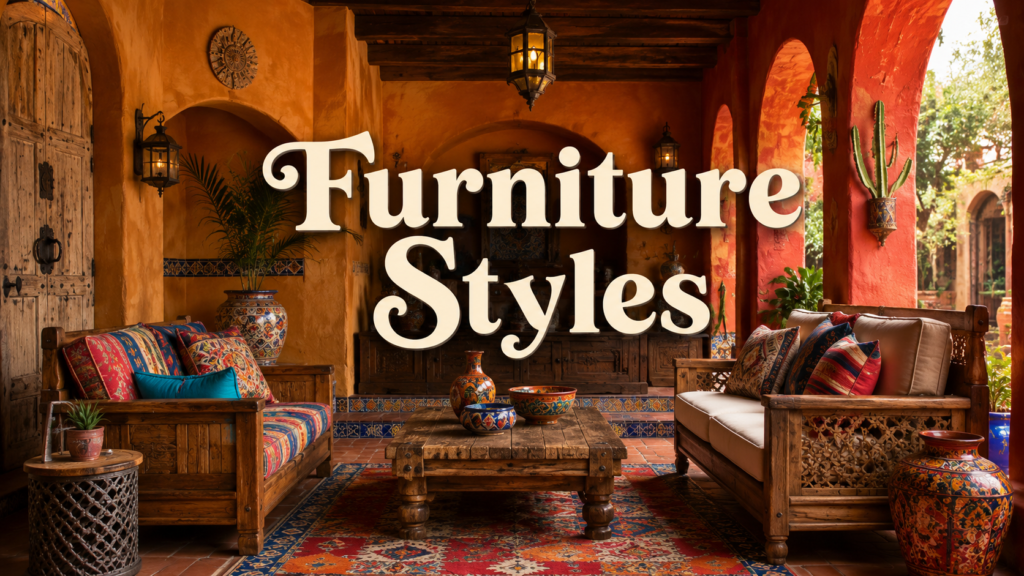
Furniture in Mexican home decor tends to be sturdy, handmade, and rich in detail rather than sleek or minimal. Each piece often tells a story through its craftsmanship.
Rustic Wooden Furniture
Solid wood tables, chairs, and cabinets with a slightly weathered finish are common in this style. These pieces are built for durability and often passed down through families. Their natural imperfections add to their charm rather than detract from it.
Hand-Painted Cabinets and Chests
Cabinets and chests are often decorated with floral patterns or bright colors painted directly onto the wood. These serve as functional storage while also acting as decorative statement pieces. They work especially well in bedrooms or entryways.
Equipale Chairs
Equipale furniture combines a wooden frame with stretched leather or pigskin seating. This traditional Mexican furniture style is lightweight yet sturdy, making it ideal for both indoor and outdoor use. Its rounded shape adds a distinctive silhouette to any room.
Iron-Framed Beds and Tables
Wrought iron beds and tables often feature scrollwork or decorative curves along their frames. These pieces pair well with wooden or leather accents to balance their heavier, darker appearance. They are especially popular in bedrooms and dining spaces.
Textiles and Fabrics
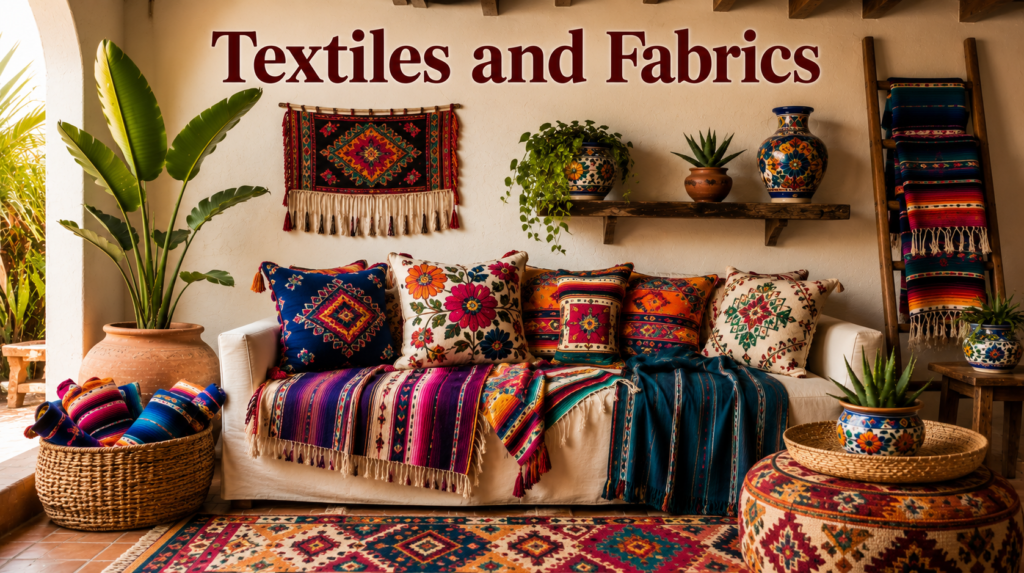
Textiles bring softness, pattern, and additional color into Mexican-inspired interiors. They are also one of the easiest ways to introduce this style without a full renovation.
Serapes and Woven Blankets
Serapes are brightly striped woven blankets traditionally used as clothing or bedding. Today, they are often draped over chairs, sofas, or used as wall hangings. Their bold stripes add instant color and pattern to any space.
Embroidered Cushions and Linens
Hand-embroidered cushions and table linens often feature floral or animal motifs stitched in vibrant thread. These smaller items are an affordable way to add authentic detail to a room. They work well mixed with plain, solid-colored furniture.
Oaxacan and Saltillo Rugs
These handwoven rugs feature geometric patterns and natural dyes rooted in indigenous weaving traditions. They are commonly placed in living rooms or hallways as a grounding focal point. Their texture adds warmth, especially over wood or tile flooring.
Papel Picado
Papel picado refers to intricately cut paper banners traditionally used during celebrations. While originally festive decor, they are now used as playful wall or window decoration year-round. Their delicate patterns add a light, artistic touch to interiors.
Wall Decor and Art
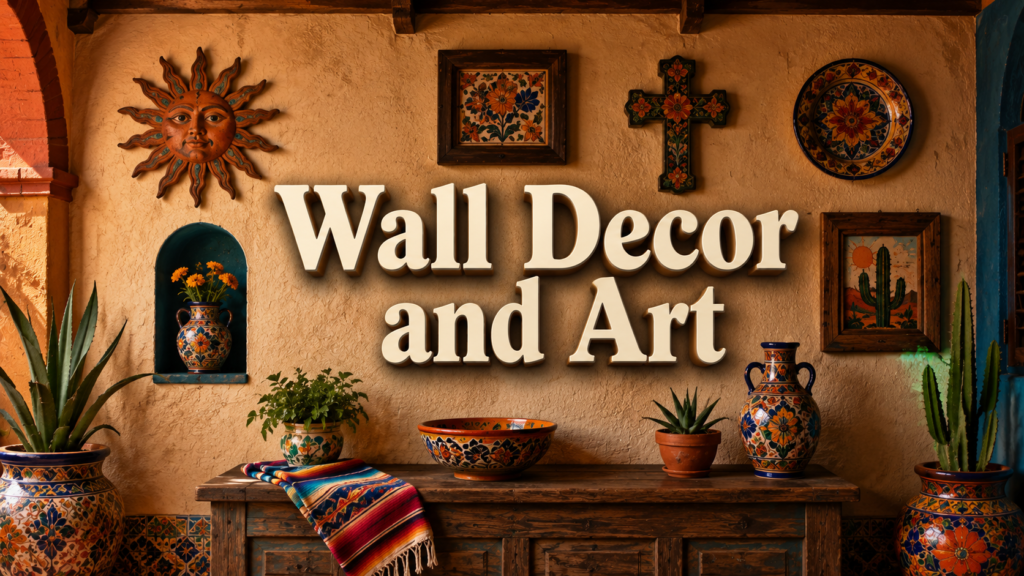
Walls in Mexican-style homes are rarely left bare, as art and decorative pieces play a major role in the overall look. These elements often carry cultural or personal significance.
Folk Art and Murals
Hand-painted folk art and murals depicting nature, village life, or mythology are common wall features. These pieces add storytelling and vibrant color directly onto walls or canvases. They work especially well as a statement piece in living areas.
Religious Icons
Retablos and milagros are small devotional paintings and metal charms traditionally used for personal or spiritual purposes. They are often displayed on shelves or small wall altars. These pieces add historical depth and personal meaning to a space.
Day of the Dead Motifs
Calavera, or skull-themed artwork, represents the Day of the Dead tradition celebrating deceased loved ones. These motifs appear in paintings, ceramics, and decorative sculptures. They add a distinctive cultural symbol that is unique to Mexican-inspired design.
Mirrors with Tin or Wood Frames
Decorative mirrors framed in punched tin or carved wood are popular for both function and style. These frames often feature detailed patterns that catch the light beautifully. They help brighten rooms while reinforcing the handcrafted theme.
Lighting
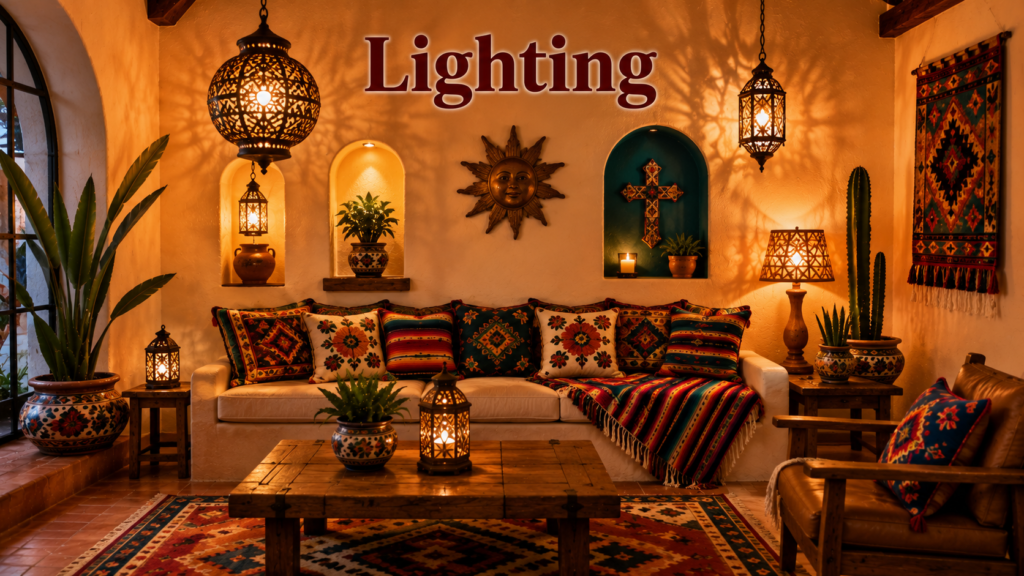
Lighting choices in Mexican home decor focus on warm, ambient glow rather than harsh, bright light. Fixtures themselves often double as decorative art pieces.
Wrought-Iron Chandeliers
These chandeliers feature dark metal frames with scrollwork, often paired with candle-style bulbs. They serve as dramatic centerpieces in dining rooms or entryways. Their heavy, detailed design adds an old-world elegance to the space.
Punched-Tin Lanterns
Tin lanterns feature small punched holes that create intricate light patterns on walls and ceilings. They are commonly used in hallways, patios, or bedrooms for a soft, decorative glow. Their handmade look pairs naturally with the rest of the decor.
Colored Glass Fixtures
Blown glass fixtures in blue, amber, or green add a pop of color even when the lights are off. These pieces are often used as pendant lights over kitchen islands or dining tables. Their handmade imperfections make each fixture slightly unique.
Candles and Rustic Sconces
Simple wall sconces and candle holders made from iron or clay add warmth without requiring electricity. They are especially popular in outdoor courtyards or rustic dining spaces. This lighting style keeps the atmosphere intimate and cozy.
Plants and Outdoor Elements

Greenery and outdoor styling are essential parts of Mexican home decor, extending the aesthetic beyond interior walls. Courtyards and patios often become an extension of the living space.
Cacti and Succulents
These low-maintenance plants naturally reflect Mexico’s desert landscapes and require minimal care. They are commonly displayed indoors on windowsills or outdoors in garden beds. Their sculptural shapes complement the bold, textured decor style.
Terracotta Planters
Terracotta pots are the go-to choice for housing plants throughout Mexican-style homes. Their earthy tone blends naturally with the rest of the color palette. Many are also hand-painted for additional decorative detail.
Courtyard and Patio Design
Traditional Mexican homes often center around an open courtyard filled with plants, tile work, and seating. This design promotes natural airflow and creates a private outdoor retreat. Modern homes can recreate this feel with a small patio or garden corner.
Fountains and Garden Accents
Small tiled or stone fountains add a calming water feature to outdoor spaces. Garden accents like clay sculptures or mosaic stepping stones further enhance the courtyard feel. These details make outdoor areas feel just as intentional as indoor rooms.
Room-by-Room Application
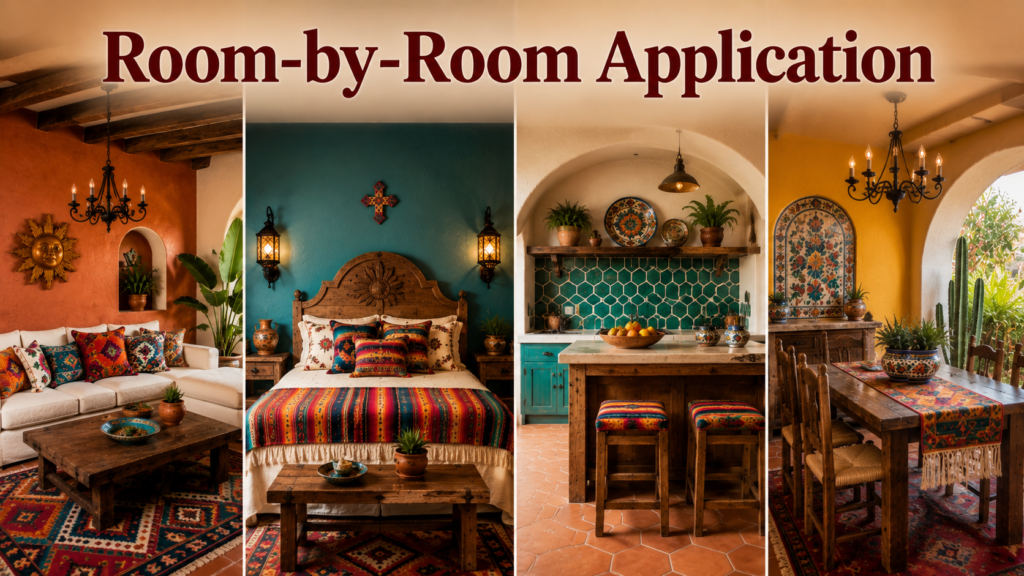
Applying Mexican home decor works best when tailored to the function of each specific room. Below is a simple breakdown of how to approach different spaces.
| Room | Key Elements to Include |
| Living Room | Woven rugs, carved wood furniture, folk art wall pieces |
| Kitchen | Talavera tile backsplash, terracotta dishware, iron fixtures |
| Bedroom | Embroidered linens, hand-painted headboard, warm lighting |
| Bathroom | Tiled sinks, wrought iron mirrors, small terracotta accents |
| Patio/Courtyard | Cacti planters, tiled fountains, iron seating |
How to Incorporate the Style Without Overdoing It
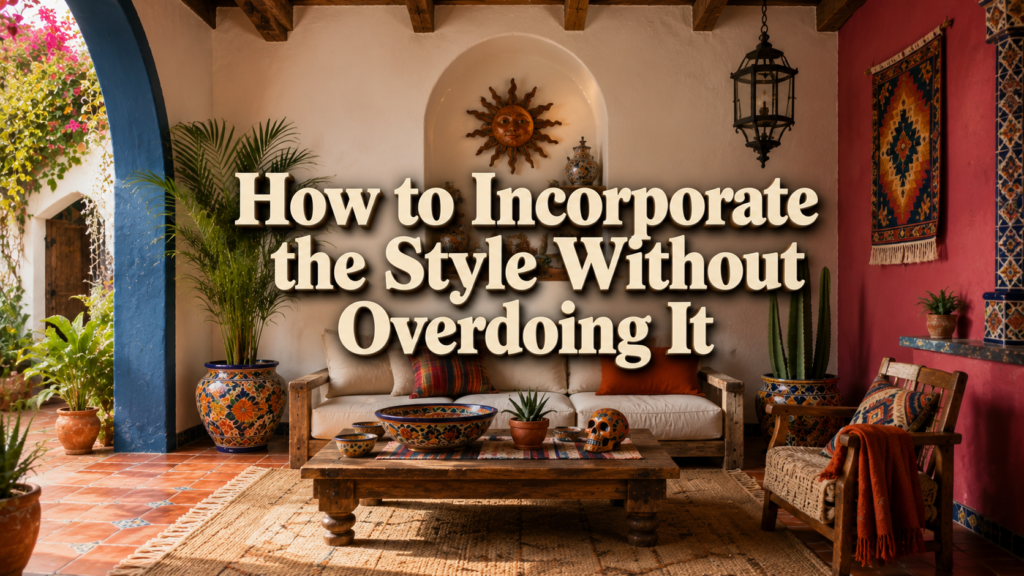
Mexican home decor can easily feel overwhelming if too many bold elements are combined at once. A balanced approach keeps the style authentic while still feeling livable.
Mixing with Modern or Minimalist Styles
Pairing a few Mexican decor pieces with simple, neutral furniture keeps spaces from feeling cluttered. This approach lets standout items like tile work or textiles take center stage. It also makes the style easier to adapt in smaller homes.
Choosing a Few Statement Pieces
Instead of decorating every surface, select one or two bold items, such as a painted cabinet or a woven rug. This keeps the room cohesive rather than chaotic. Statement pieces also become natural conversation starters.
Budget-Friendly Tips
Smaller items like cushions, pottery, or papel picado offer an affordable way to try this style before committing to larger furniture. Thrift stores and local artisan markets often have authentic pieces at lower prices. Painting a single accent wall is another low-cost way to test the palette.
Where to Source Authentic Mexican Decor

Finding genuine, well-made pieces is important for keeping the style authentic and supporting skilled artisans.
Local Artisan Markets
Markets and craft fairs, especially in regions with Mexican heritage, often sell handmade pottery, textiles, and furniture directly from artisans. Buying this way supports small businesses and ensures authenticity. It also often means getting one-of-a-kind pieces.
Online Retailers
Several online stores specialize in importing authentic Mexican decor items, from Talavera tiles to woven rugs. This option is convenient for those without local access to artisan markets. It is worth checking reviews to confirm product authenticity before purchasing.
Supporting Fair-Trade Products
Choosing fair-trade certified items ensures that artisans are paid fairly for their craftsmanship. This practice helps preserve traditional techniques for future generations. It also adds an ethical layer of value to each purchase.
Frequently Asked Questions
What colors are typically used in Mexican home decor?
Common colors include terracotta, cobalt blue, sunflower yellow, and deep reds, usually balanced with one dominant earthy tone.
Is Mexican home decor expensive to achieve?
Not necessarily, since smaller items like textiles and pottery offer an affordable entry point before investing in larger furniture pieces.
Can this style work in a modern home?
Yes, pairing a few authentic pieces with neutral, modern furniture creates a balanced, updated version of the traditional look.
What is the most recognizable material in this style?
Talavera tile is often considered the most iconic material due to its detailed hand-painted patterns.
Conclusion
Mexican home decor offers a warm, culturally rich way to bring personality into any home. By combining bold colors, handcrafted materials, and meaningful details, it creates spaces that feel authentic rather than generic.
Starting small with textiles or pottery makes it easy to explore this style before committing further. Over time, these thoughtful additions can transform an entire home into a vibrant, welcoming space.
Related Articles
Living Room Wallpaper Decor: Ultimate Guide to Styles, Colors & Tips
Japanese Home Decor: A Complete Guide to Minimalist and Calm Interiors
Modern Classic Home Decor: A Complete Guide to Timeless Interior Design
Luxury Home Decor: The Complete Guide to Elevating Your Living Space
Linon Home Decor: Complete Guide to Styles, Quality & Buying Tips