Interior Design Styles: A Complete Guide to Finding Your Perfect Look
Every home tells a story, and interior design styles are the language that tells it. Whether you love clean lines or cozy textures, understanding different design approaches helps you shape a space that truly feels like you.
This guide walks you through the most popular interior design styles, explains their defining features in simple words, and shows you how to combine or choose between them. By the end, you will have a clear picture of which direction suits your personality, budget, and lifestyle best.
How to Choose the Right Interior Design Style
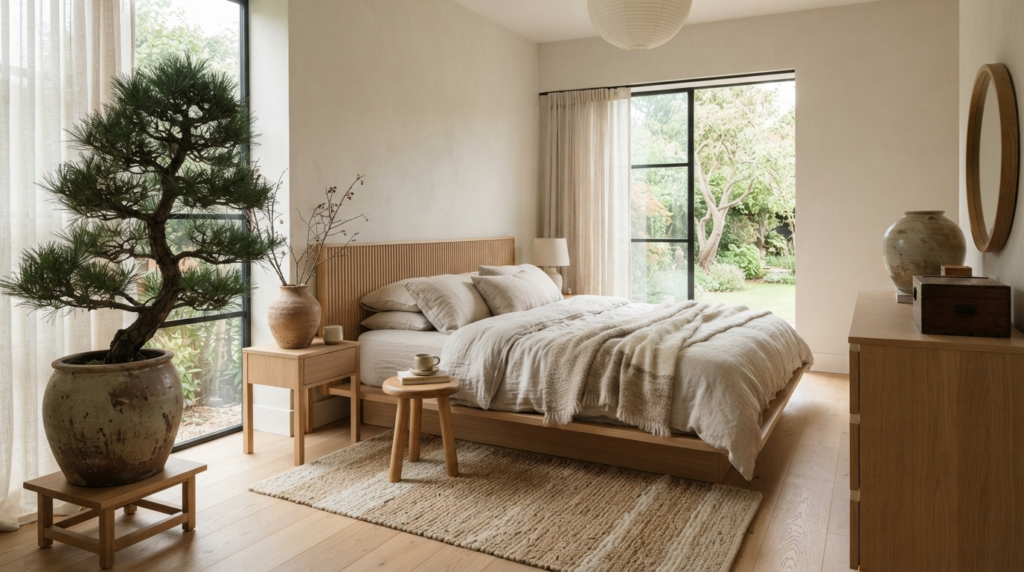
Picking a style starts with honest self-reflection rather than trends alone. Think about how you want a room to feel, how much maintenance you are willing to handle, and how the space will actually be used day to day.
Start by noticing what draws your eye in magazines, social media, or friends’ homes, since patterns usually emerge quickly. Consider your budget too, because some interior design styles rely on custom furniture while others work beautifully with affordable, second-hand pieces. Finally, think about your household’s lifestyle, since a home with children or pets may need more practical materials than a purely decorative approach allows.
Popular Interior Design Styles You Should Know
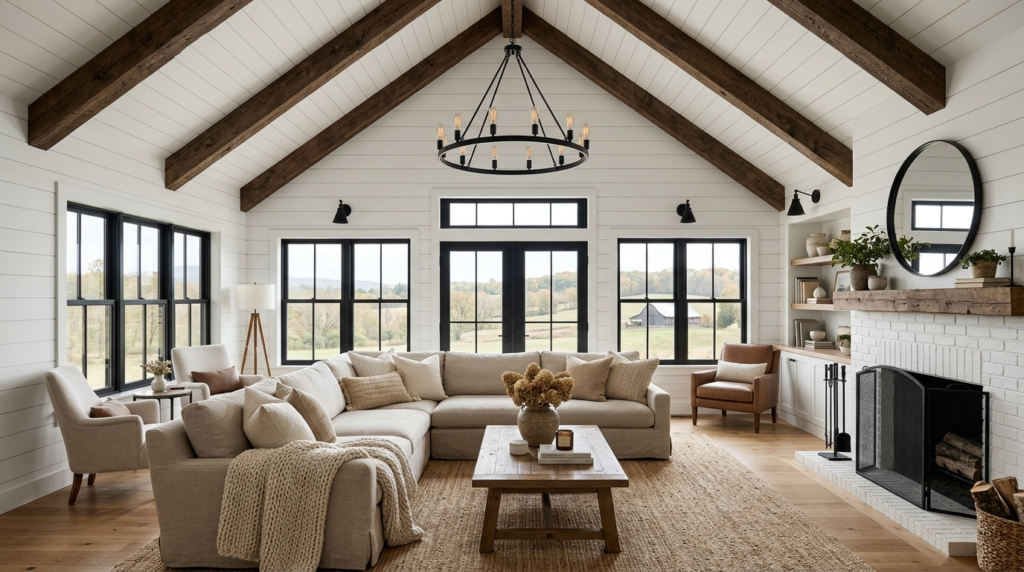
Below are some of the most widely used interior design styles today, each with its own mood, materials, and charm. Understanding their differences makes it much easier to identify what appeals to you.
Modern Style
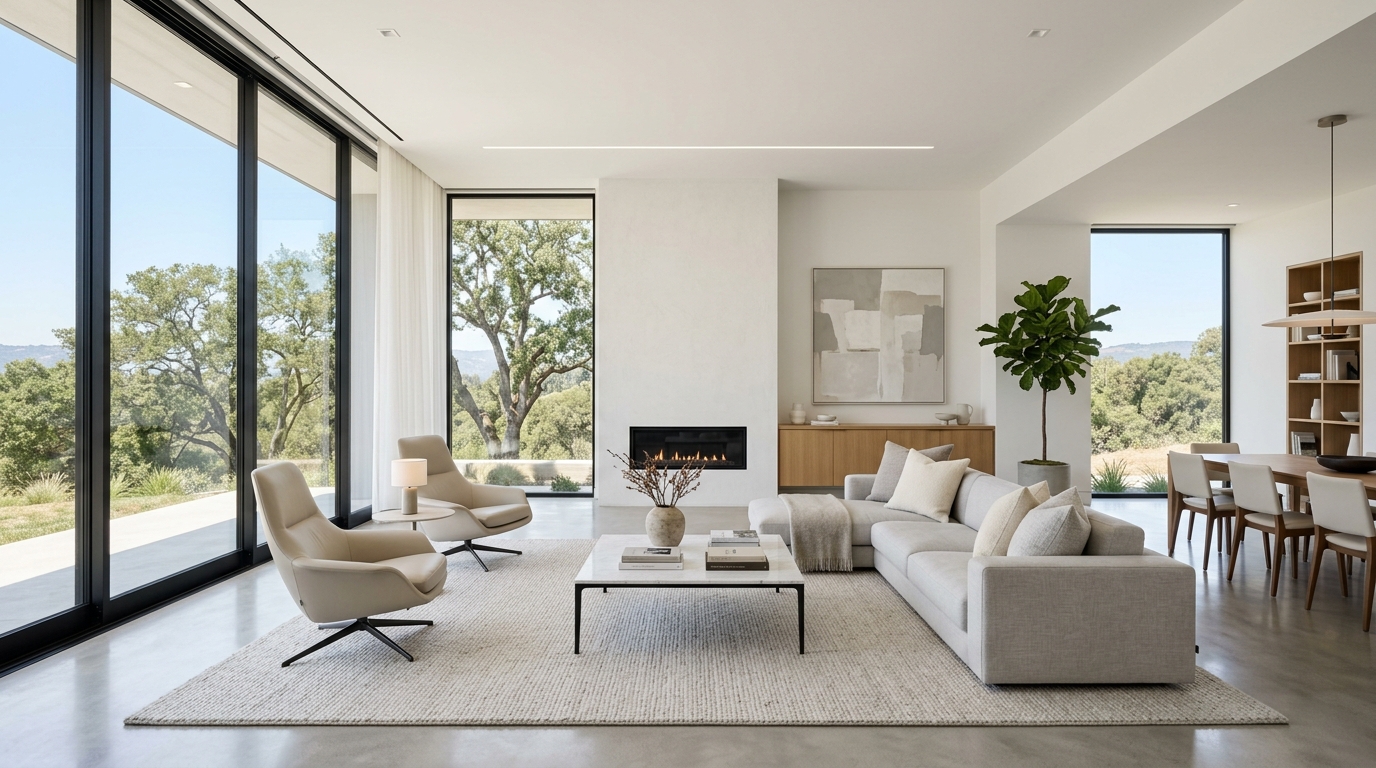
Modern style favors clean lines, neutral colors, and functional furniture with almost no unnecessary detail. It draws inspiration from early twentieth-century design movements that valued simplicity over ornamentation. Materials like glass, steel, and smooth wood are common, keeping rooms feeling open and uncluttered.
Contemporary Style
Contemporary style reflects whatever is current, so it naturally evolves with each decade rather than staying fixed.
It often blends soft curves with bold accents, neutral backdrops, and occasional statement pieces. Large windows and a strong connection between indoor and outdoor areas are common contemporary features.
Minimalist Style
Minimalist interiors are built around the idea that less truly is more, focusing only on essential furniture and decor.
Color palettes stay muted, storage is often hidden, and every item in the room serves a clear purpose. This style suits people who prefer calm, distraction-free environments.
Scandinavian Style
Scandinavian design combines simplicity with warmth, using light wood, soft textiles, and plenty of natural daylight. It was shaped by Nordic countries where long winters made cozy, functional interiors essential. Pale color schemes paired with warm wood tones create a balanced, inviting atmosphere.
Industrial Style
Industrial style takes inspiration from old factories and warehouses, celebrating raw and unfinished materials. Exposed brick, visible pipes, concrete floors, and metal fixtures are signature elements of this look. It suits open floor plans and works well for lofts or converted commercial spaces.
Bohemian Style
Bohemian, often shortened to boho, is a free-spirited style built around layered patterns, mixed textures, and global influences. There are no strict rules, which allows for personal collections, plants, and vintage finds to shine. This style feels lived-in, colorful, and deeply personal.
Farmhouse Style
Farmhouse style blends rustic charm with modern comfort, often featuring shiplap walls, wooden beams, and vintage-inspired accents.
It emerged from rural homes but has been refined for contemporary living spaces. Neutral color palettes paired with natural textures give it a warm, welcoming feel.
Traditional Style
Traditional style draws from classic European design, favoring symmetry, rich colors, and detailed furniture craftsmanship. Wood finishes, patterned fabrics, and elegant accessories are commonly used throughout the space. This style suits homeowners who prefer timeless elegance over changing trends.
Comparing Interior Design Styles at a Glance
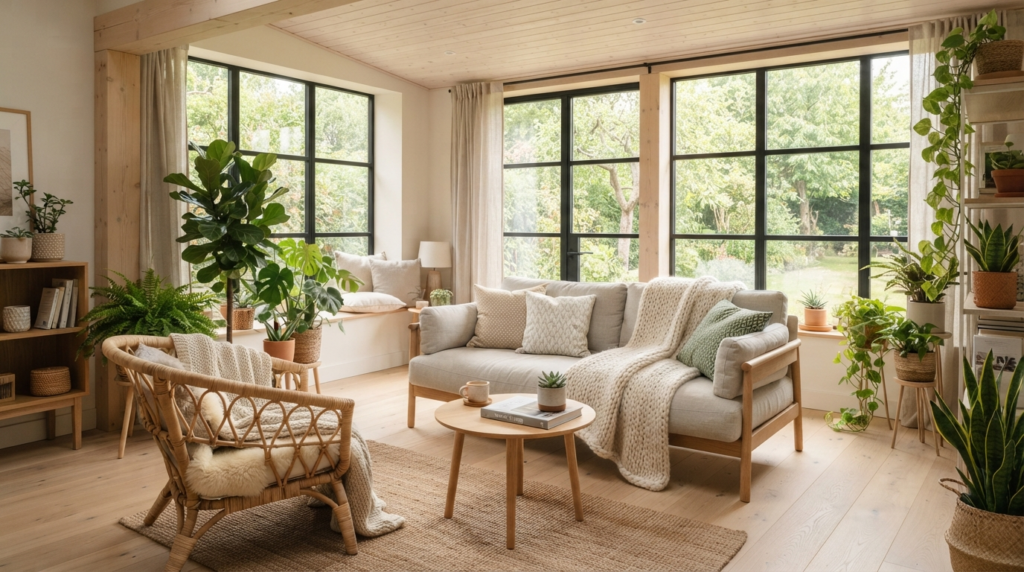
A quick side-by-side comparison makes it easier to understand how these interior design styles differ from one another. The table below highlights their color palette, key materials, and overall mood.
| Style | Color Palette | Key Materials | Overall Mood |
| Modern | Neutral tones | Glass, steel, wood | Clean and functional |
| Contemporary | Neutral with bold accents | Mixed modern materials | Fresh and current |
| Minimalist | Muted, monochrome | Simple wood, metal | Calm and uncluttered |
| Scandinavian | Whites and light woods | Natural wood, textiles | Warm and cozy |
| Industrial | Grays, browns, black | Brick, metal, concrete | Raw and edgy |
| Bohemian | Rich, layered colors | Textiles, rattan, wood | Relaxed and personal |
| Farmhouse | Soft neutrals | Wood, shiplap | Rustic and welcoming |
| Traditional | Deep, classic tones | Wood, fabric, brass | Elegant and formal |
Mixing Different Interior Design Styles Together
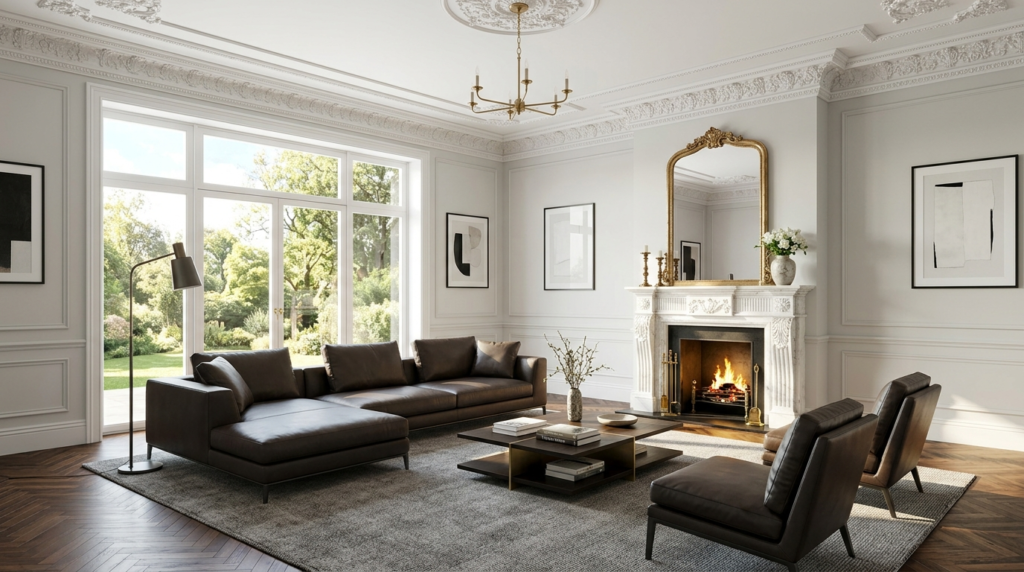
You do not have to commit to only one style, since many beautifully designed homes actually blend two or more approaches together. Combining styles allows a space to feel personal rather than copied from a showroom.
Some pairings work naturally because their materials and moods complement each other well. Modern farmhouse, for example, softens clean modern lines with rustic wood accents, while boho-Scandinavian mixes cozy minimalism with colorful, textured layers. The key to blending styles successfully is choosing one dominant style and using the second only as an accent, so the final result feels intentional rather than cluttered.
Budget-Friendly Tips for Every Style
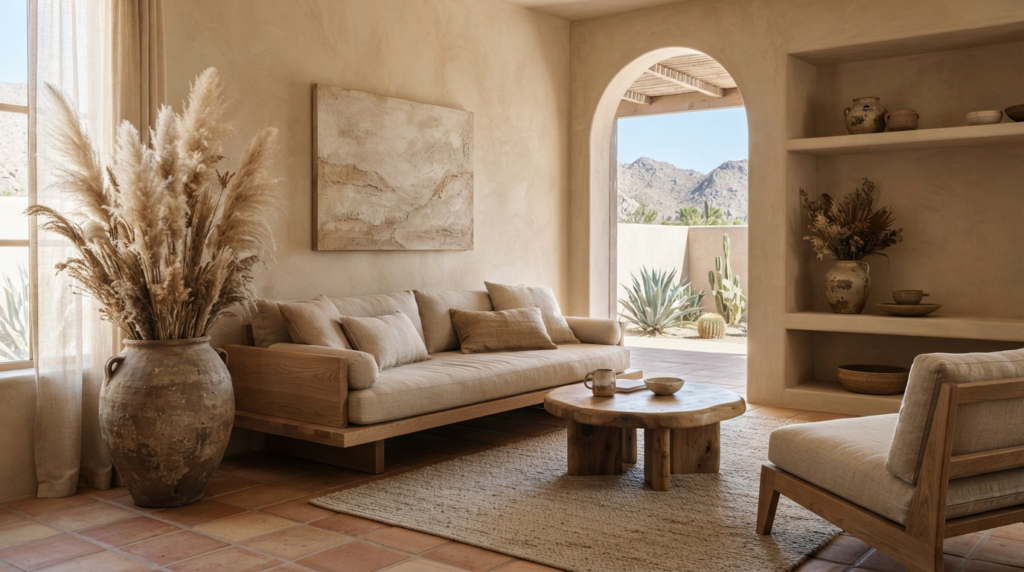
Interior design styles do not have to be expensive to achieve, since many of their key elements can be recreated affordably. Scandinavian and minimalist looks are especially budget-friendly, as they rely on simple furniture rather than elaborate custom pieces.
Bohemian style also works well on a budget, since thrifted textiles, plants, and vintage finds are central to its charm. Industrial and traditional styles can cost more upfront due to material and craftsmanship demands, but small accents like lighting or hardware can still bring the look into any room affordably.
Trending Interior Design Styles in 2026
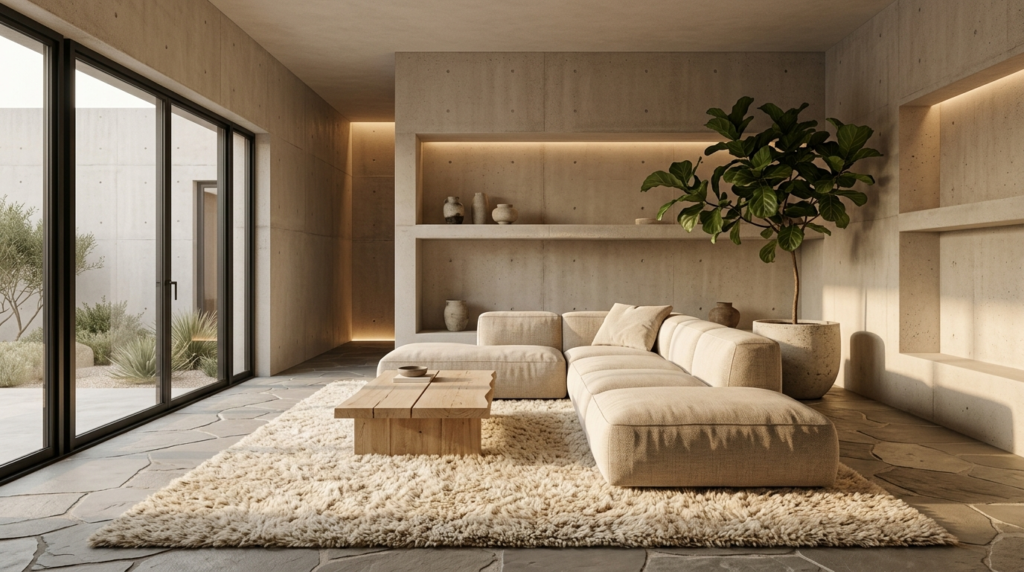
Interior design continues to evolve, and a few directions are gaining strong attention this year. Japandi, a blend of Japanese minimalism and Scandinavian warmth, is becoming increasingly popular for its calm, functional appeal.
Organic modern design, which pairs clean modern shapes with natural materials and curved furniture, is also rising steadily. These trends reflect a broader shift toward interiors that feel both stylish and genuinely comfortable to live in.
Frequently Asked Questions
What is the most popular interior design style?
Modern and Scandinavian styles remain among the most popular choices due to their timeless simplicity.
Can I combine two interior design styles in one home?
Yes, many homeowners successfully blend two complementary styles for a more personal result.
How do I know which interior design style suits me?
Notice the colors, textures, and layouts you are naturally drawn to, then match them to a style described above.
Is Scandinavian style expensive to achieve?
No, Scandinavian style is one of the more affordable options since it relies on simple, functional furniture.
What is the difference between modern and contemporary style?
Modern style is fixed to a specific historical era, while contemporary style changes with current trends over time.
Conclusion
Interior design styles give structure and meaning to the way we shape our homes, turning empty rooms into spaces that reflect who we are.
Whether you lean toward the simplicity of minimalist design, the warmth of farmhouse charm, or the boldness of industrial style, there is no single right answer. The best approach is to explore, experiment, and gradually build a home that feels authentic to your own taste.
Related Post
Dining Room Wall Art: The Ultimate Guide to Transform Your Space
How to Create a Functional Home Office
How to Style a Modern Apartment: The Complete Guide
Custom Home Decor: Unique Personalized Pieces for Every Room (2026 Guide)