Colorful Art: Meaning, History, Styles and Everything You Need to Know
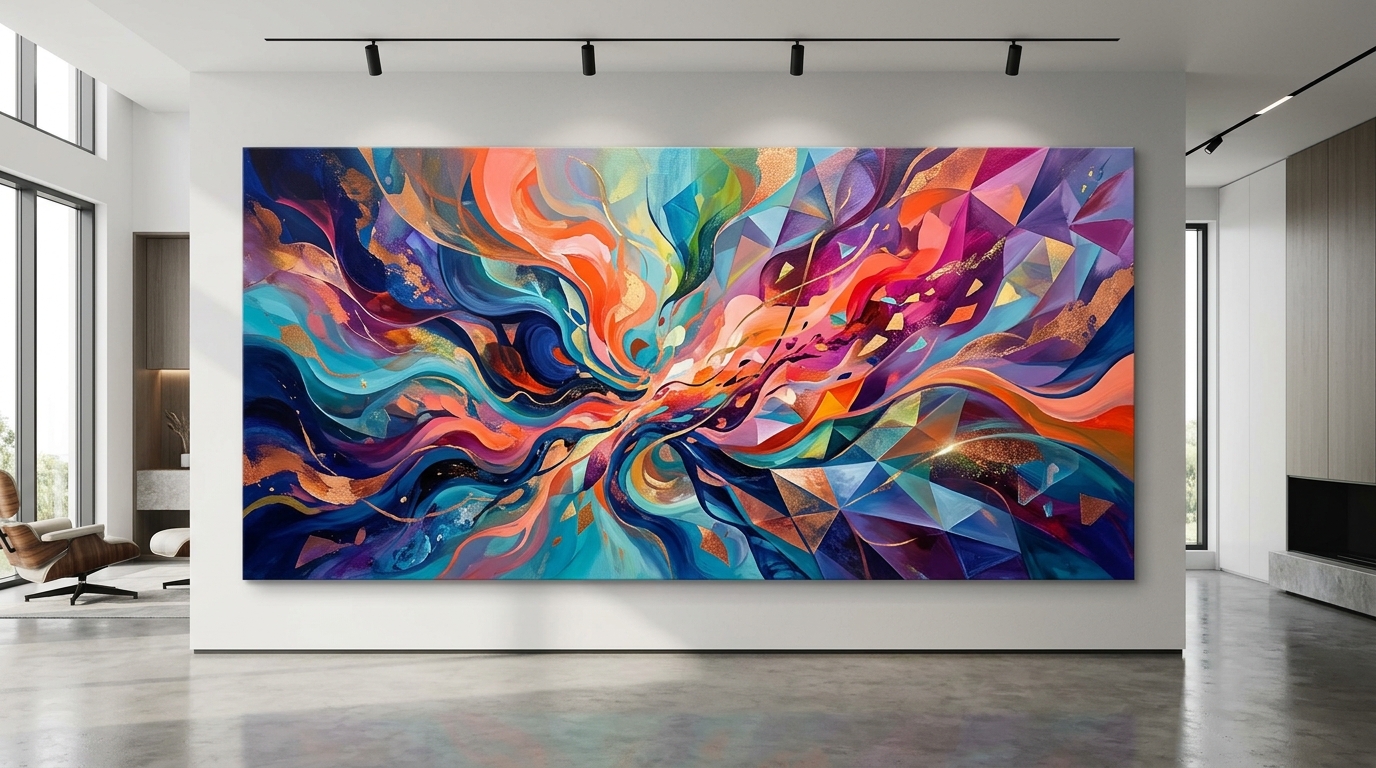
Colorful art has always held a special place in the world of creativity because it speaks directly to human emotions through vibrant shades and bold expressions. From ancient sculptures to modern digital illustrations, artists have used bright colors to tell stories, express feelings, and create visual excitement.
This article explores the true meaning of colorful art, its fascinating history, popular styles, and the reasons why it continues to captivate audiences across generations. Whether you are an art lover, a student, or someone simply curious about vibrant paintings, this guide will help you understand colorful art in the simplest way possible. By the end, you will also know how to identify, appreciate, and even choose colorful art for your own space.
What is Colorful Art?
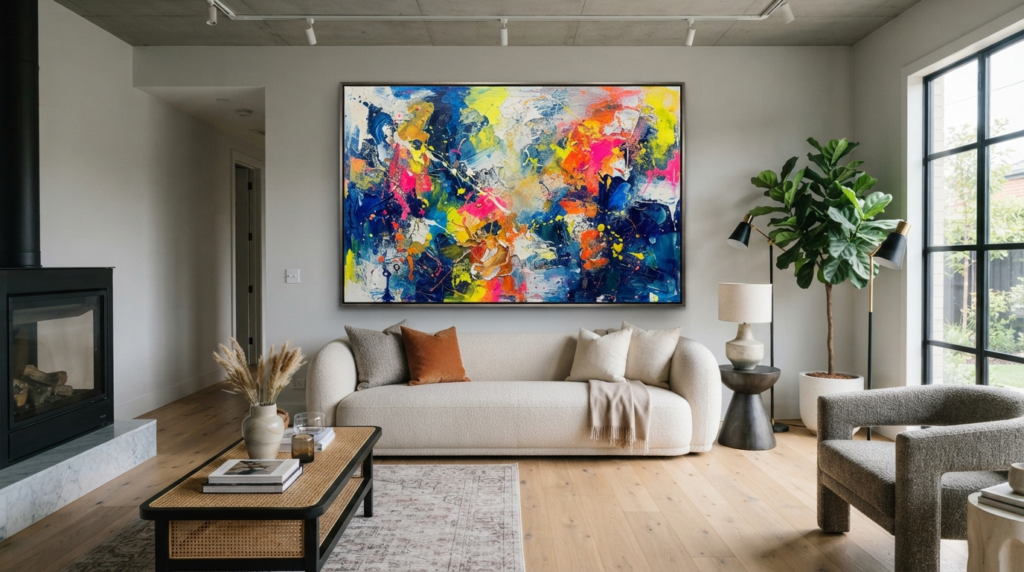
Colorful art refers to any artwork that uses bold, vivid, or varied colors as its main expressive tool. It is not limited to one style but spans across paintings, illustrations, murals, and sculptures.
Definition of Colorful Art
In simple words, colorful art is any creative work where color plays the leading role rather than just supporting the composition.
The artist deliberately chooses bright or contrasting shades to grab attention and evoke a strong emotional response. This makes colorful art instantly recognizable compared to duller or more subdued pieces.
Colorful Art vs Monochrome and Pastel Art
Monochrome art uses a single color in different shades, while pastel art relies on soft, muted tones. Colorful art, on the other hand, embraces multiple bright hues at once, creating contrast and energy. This difference in approach is what gives colorful art its lively and dynamic personality compared to calmer art forms.
Emotional Impact of Colorful Art
Colorful art has a unique ability to influence mood the moment it is viewed. Bright shades often bring feelings of joy, excitement, and positivity into a space. This emotional pull is one of the biggest reasons colorful art remains popular in homes, offices, and public spaces today.
History of Colorful Art
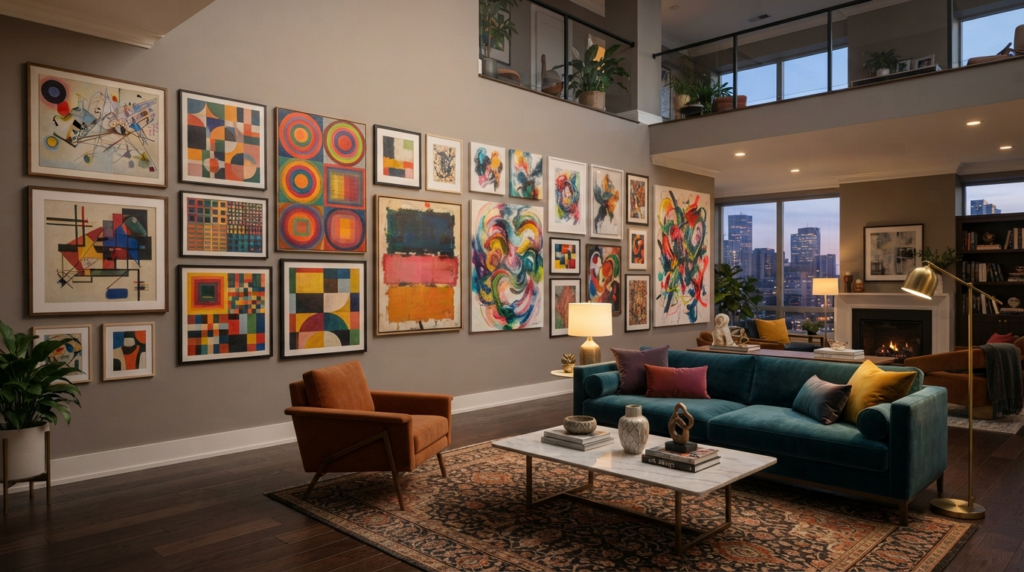
The history of colorful art goes back thousands of years, long before modern art movements existed. Ancient civilizations already understood the power of color in their creative expressions.
Ancient Origins of Colorful Art
Colorful art can be traced back to cave paintings and early Egyptian sculptures, where natural pigments were used to bring life to walls and artifacts.
These early examples show that humans have always been drawn to color as a form of storytelling. Even ancient temples and tombs were decorated with vibrant patterns to symbolize spiritual beliefs.
The Myth of Colorless Antiquity
Many people believe that ancient sculptures and buildings were originally white or plain, but this is a common misconception.
In reality, most Greco-Roman sculptures and Gothic structures were once painted in bright, varied colors. Over time, weathering and restoration removed these colors, leaving behind the plain white appearance we often associate with antiquity today.
Rise of Modern Colorful Art Movements
The 19th and 20th centuries saw a massive shift toward color-focused art movements. Artists began experimenting boldly with color instead of relying purely on realistic representation. This period laid the foundation for many of the vibrant art styles we recognize and admire today.
Popular Colorful Art Styles and Movements
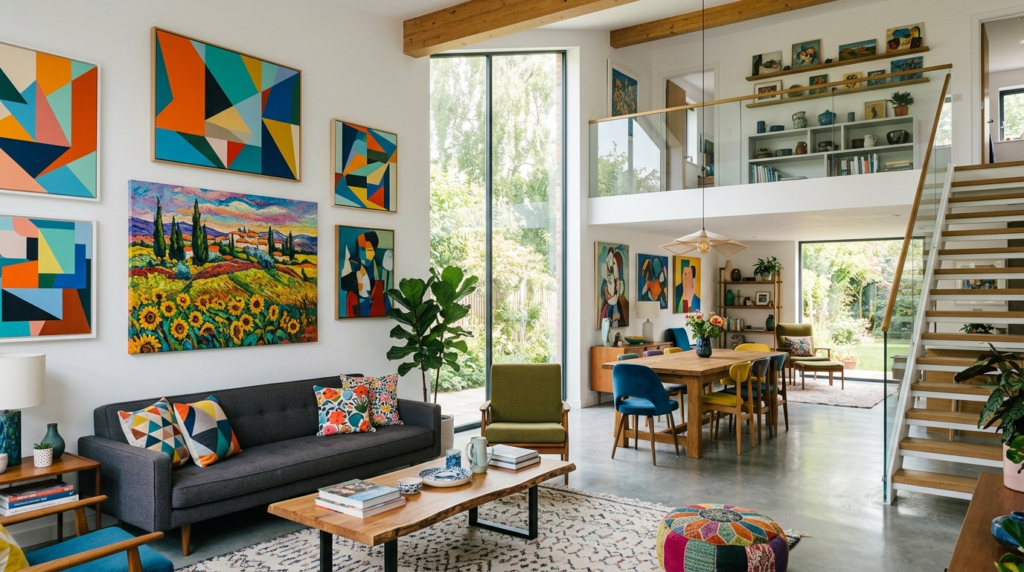
Over the years, several art movements have emerged that are specifically known for their bold use of color. Each style has its own unique approach to expressing vibrancy through visual art.
| Art Style | Key Characteristic |
| Fauvism | Wild, unnatural bright colors used for emotional impact |
| Impressionism | Light and color used to capture fleeting moments |
| Abstract Art | Shapes and colors used instead of realistic forms |
| Pop Art | Bold, flat colors inspired by popular culture |
| Psychedelic Art | Highly saturated colors with surreal patterns |
| Color Field Painting | Large blocks of solid, vivid color |
Fauvism
Fauvism is often considered one of the earliest and boldest colorful art movements in history. The name itself means “wild beasts,” referring to the intense and unnatural colors artists used. Henri Matisse is one of the most celebrated names associated with this vibrant style.
Pop Art
Pop Art brought colorful art into mainstream culture by using bright, flat colors inspired by advertisements and comic strips.
Artists like Roy Lichtenstein made this style instantly recognizable through bold outlines and vivid color blocks. This movement proved that colorful art could be both artistic and commercially appealing.
Famous Colorful Artists and Their Iconic Works
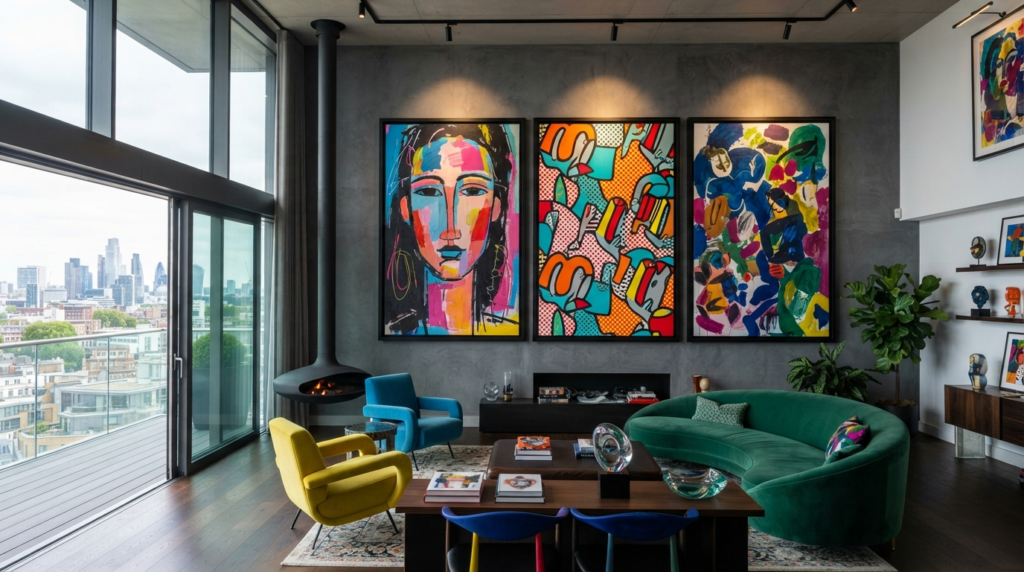
Several artists throughout history have become synonymous with colorful art because of their fearless use of vibrant palettes. Their work continues to inspire new generations of creators.
| Artist | Known For |
| Henri Matisse | Bold color collages and Fauvist paintings |
| Leonid Afremov | Vibrant impressionist cityscapes and landscapes |
| Wassily Kandinsky | Abstract art with expressive, colorful compositions |
Each of these artists approached colorful art differently, yet all of them shared a common belief that color alone could carry emotion and meaning without needing realistic detail.
Why Color Matters in Art: Psychology of Color
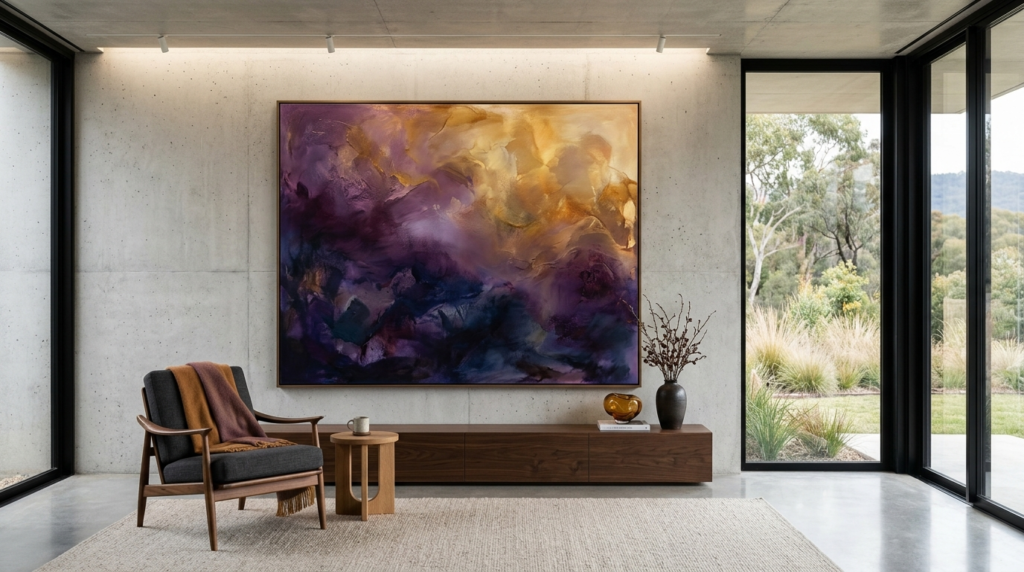
Color is not just a visual element in art; it directly affects how viewers feel when looking at a piece. This psychological connection is a major reason why colorful art remains so powerful.
Warm Colors and Energy
Warm colors such as red, orange, and yellow are commonly associated with energy, excitement, and passion.
Artists often use these shades in colorful art to create a sense of movement and liveliness within a piece. This is why warm-toned artworks tend to feel more dynamic and attention-grabbing.
Cool Colors and Calmness
Cool colors like blue, green, and purple bring a sense of calm and peace into an artwork. Even within colorful art, cool tones can balance out brighter shades to prevent the piece from feeling overwhelming. This balance is often what separates chaotic art from truly well-composed colorful art.
Vibrant Palettes and Mood
When multiple bright colors are combined thoughtfully, they create a strong emotional atmosphere within the artwork. This is why colorful art is often chosen for spaces where energy and positivity are desired. The right color palette can completely transform how a room or space feels.
Types and Mediums of Colorful Art
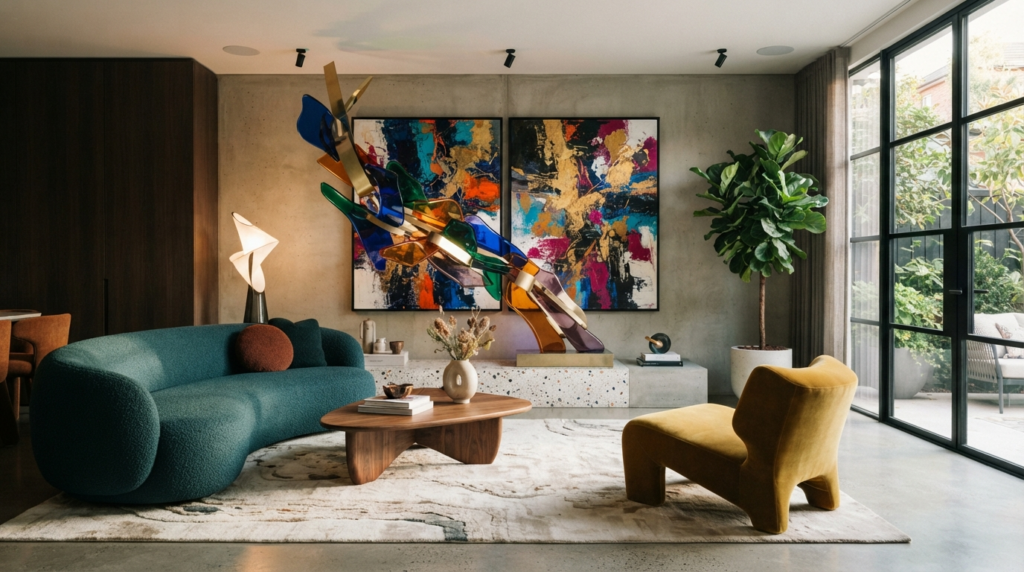
Colorful art is not limited to traditional paintings alone; it spans across multiple mediums and formats in today’s creative world.
| Medium | Example |
| Paintings | Oil, acrylic, and watercolor artworks |
| Digital Illustrations | Computer or tablet-created colorful designs |
| Wall Murals | Large-scale colorful artwork on walls |
| Textile Art | Colorful patterns on fabric and clothing |
| Sculpture | Painted or polychrome three-dimensional art |
This variety shows that colorful art can adapt to almost any surface or format, making it accessible across different creative industries.
Colorful Art in Modern Times
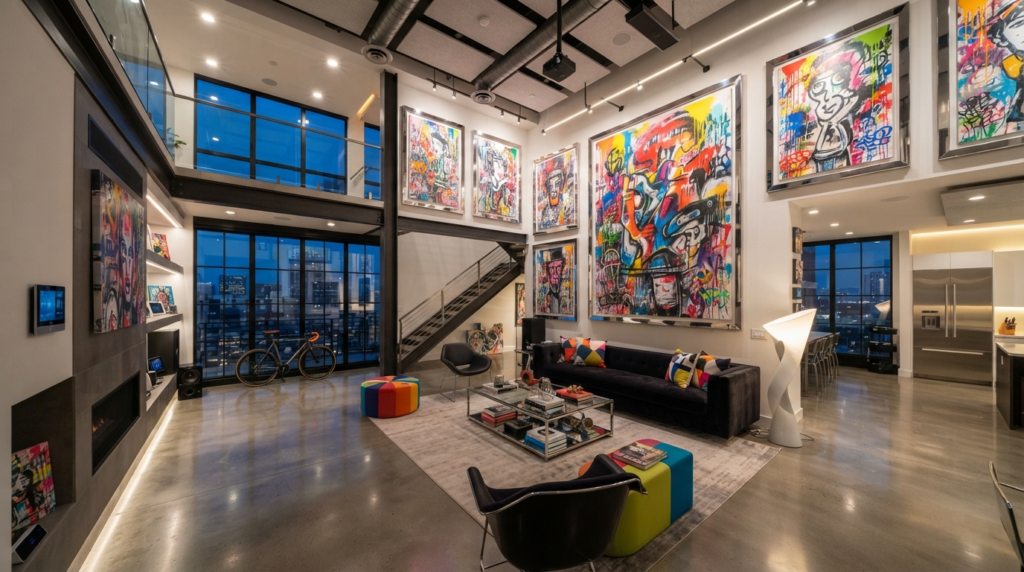
In recent years, colorful art has evolved significantly due to technology and changing consumer preferences. It has found new platforms and audiences beyond traditional galleries.
Social Media and Colorful Art
Platforms like Instagram have created a massive demand for visually striking, colorful art that stands out in a crowded feed. Artists now often design their work specifically to be shareable and eye-catching online. This shift has pushed colorful art into a much wider, global audience than ever before.
Digital and AI Generated Colorful Art
Modern technology has introduced digital tools and AI-based platforms that allow anyone to create colorful art without traditional training. This has opened doors for beginners and hobbyists to experiment freely with color combinations. As a result, colorful art is no longer limited to professionally trained artists alone.
Colorful Art in Home Decor
Interior designers frequently recommend colorful art as a way to add personality and warmth to living spaces. A single vibrant piece can transform an otherwise plain room into an inviting and lively environment. This trend has made colorful art a popular choice for both homes and commercial spaces.
How to Choose Colorful Art for Your Space
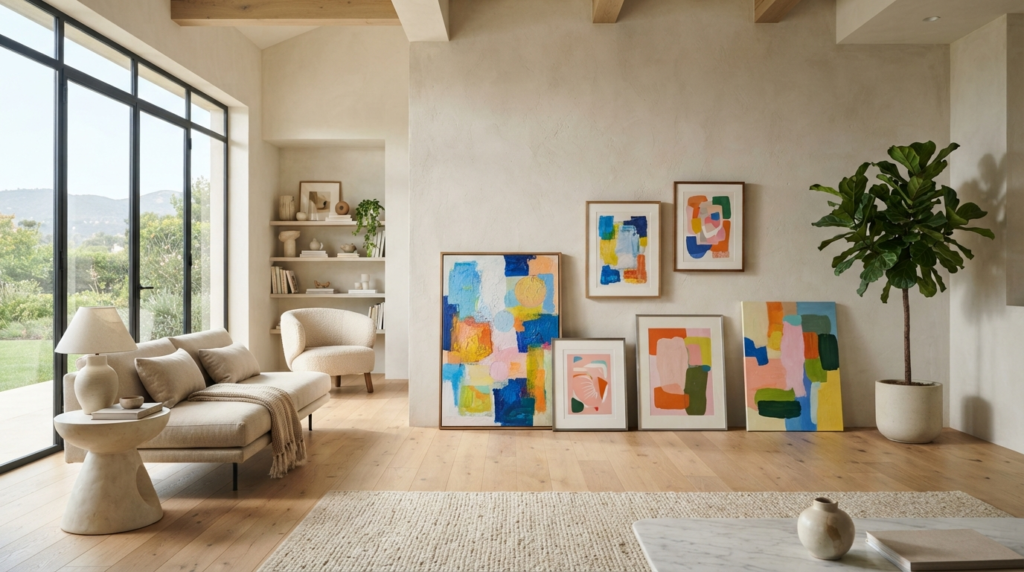
Selecting the right colorful art requires more than just picking bright shades randomly. A few thoughtful considerations can make a significant difference in the final result.
- Consider the existing color scheme of the room before choosing a piece
- Balance bold colorful art with neutral furniture to avoid visual overload
- Choose a size that suits the wall without overwhelming the space
- Think about the mood you want the room to convey before selecting shades
Following these simple guidelines ensures that colorful art enhances a space rather than overpowering it.
A Quick Look at Existing Content on Colorful Art
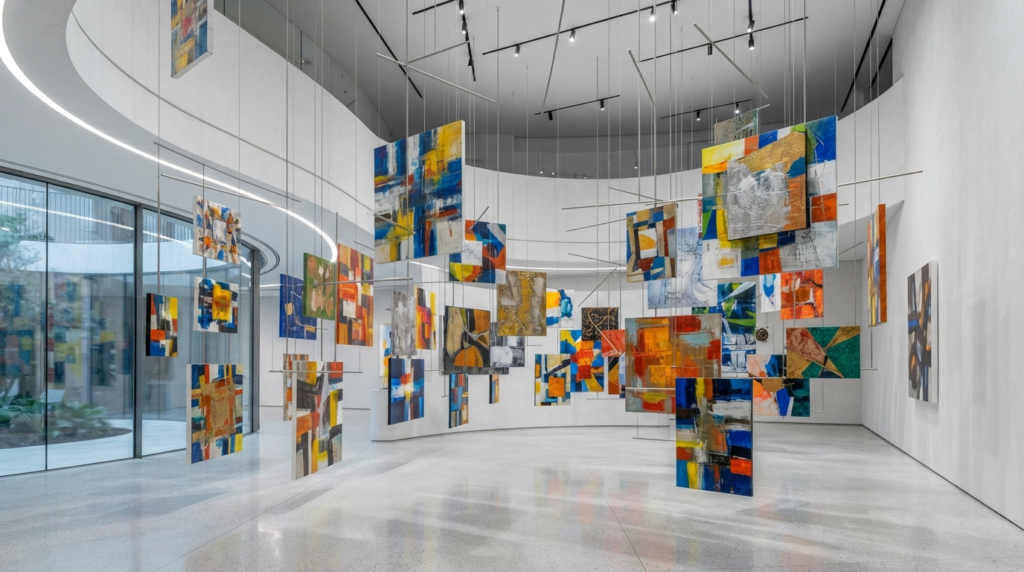
Most existing articles on colorful art tend to focus on only one narrow angle, such as home decor recommendations or a simple list of famous paintings.
Very few resources combine history, psychology, styles, and modern trends into a single, easy-to-understand guide. This gap highlights the need for more complete and updated content that covers colorful art from every important angle.
Conclusion
Colorful art continues to hold a timeless appeal because of its unique ability to express emotion, energy, and personality through vibrant shades.
From ancient origins to modern digital creations, this form of art has constantly evolved while staying true to its core purpose of visual impact. Understanding its history, styles, and psychological effects allows anyone to appreciate colorful art on a much deeper level.
Frequently Asked Questions
What is colorful art called?
Colorful art does not have one single name, as it spans multiple movements like Fauvism, Pop Art, and Psychedelic Art, each known for its own approach to vibrant color use.
What are the most colorful painting styles?
Fauvism, Pop Art, Abstract Art, and Color Field Painting are among the most recognized styles known for their bold and vivid use of color.
Why is color important in art?
Color plays a crucial role in art because it directly influences mood and emotion, helping artists communicate feelings without relying solely on realistic imagery.
Related Articles
Kitchen Wall Decor : A Complete Guide to Styling Every Wall
Kitchen Decor : Ideas, Styles & Tips for a Beautiful Kitchen
Living Room Wall Decor Ideas: 50+ Ways to Style Your Space (2026 Guide)
Living Room Wallpaper Decor: Complete Guide to Styles, Colors & Ideas