3D Wall Art: The Complete Guide to Adding Depth and Style to Your Walls
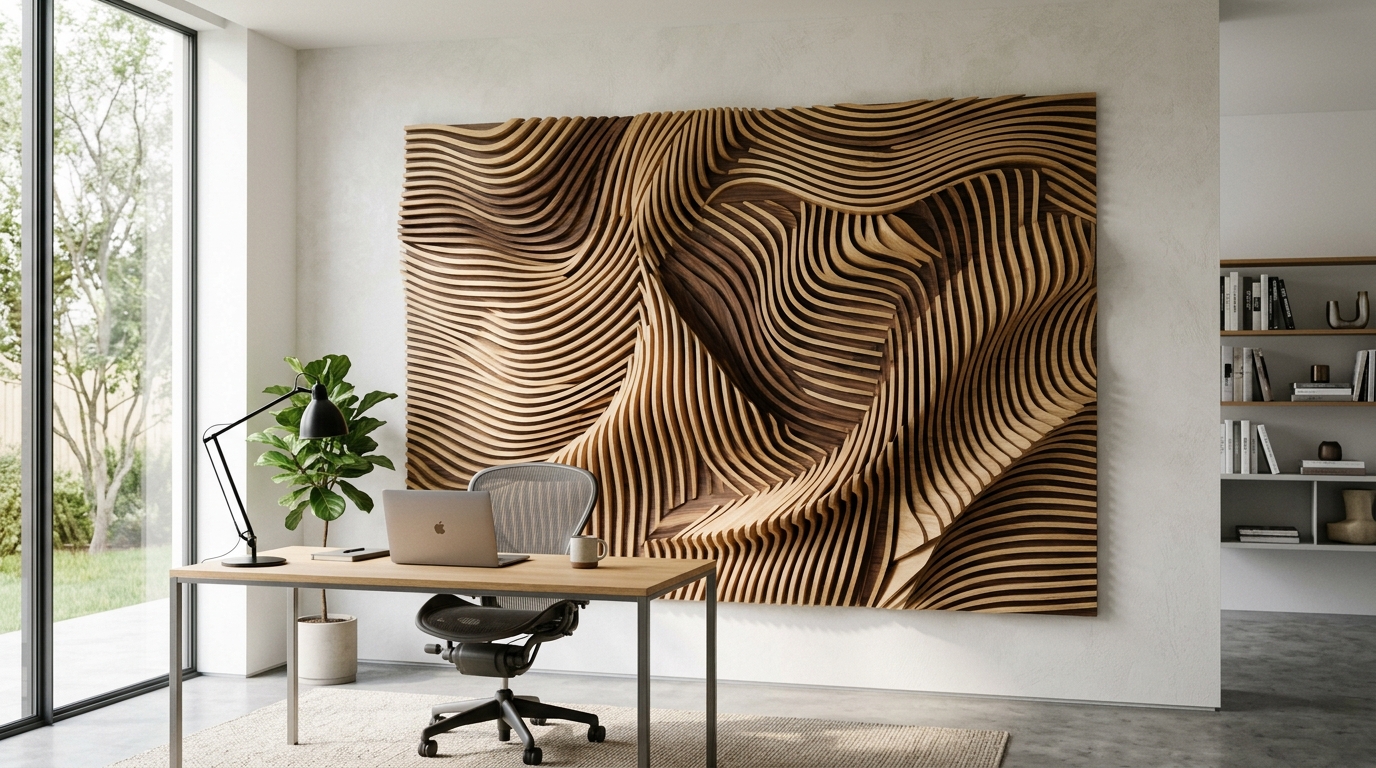
3D wall art has become one of the most loved ways to decorate homes and offices because it brings texture, depth, and personality that flat prints simply cannot match. Instead of a plain picture hanging on the wall, this style of decor plays with light, shadow, and dimension to create a piece that feels alive.
Homeowners, interior designers, and even businesses are choosing 3D wall art to make their spaces stand out. This guide walks you through everything you need to know, from the different types available to pricing, trends, and simple buying tips, so you can make a confident decision for your own walls.
Understanding 3D Wall Art and Its Popular Types
Before choosing a piece for your home, it helps to understand what falls under the category of 3D wall art. Below are the styles that are most commonly available today.
Metal 3D Wall Art
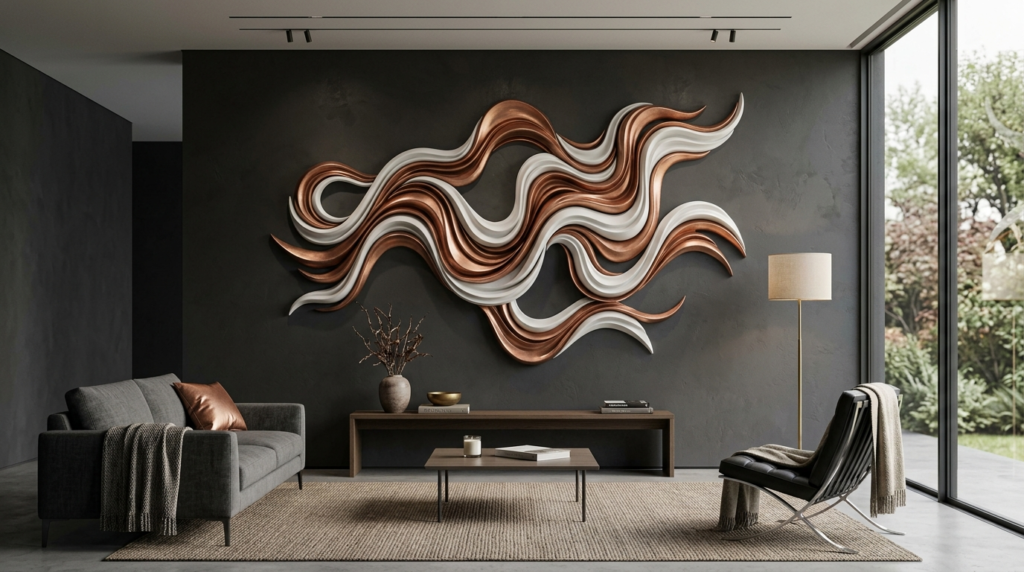
Metal pieces are usually laser cut or hand shaped into patterns such as leaves, waves, or abstract shapes. They are durable, long lasting, and often used in living rooms because they reflect light beautifully and add a modern touch without looking too heavy on the wall.
Wooden 3D Wall Art
Wooden designs are carved or layered to form raised patterns, maps, or nature themes. They bring a warm and natural feel to a room and are popular in homes that follow a rustic, boho, or minimalist theme, since wood blends easily with most existing furniture and color palettes.
Resin and Plaster Wall Art
These pieces are molded into detailed relief designs, giving a sculptural look that feels closer to fine art. Resin and plaster wall art often mimic textures like stone or marble, making them a favorite for people who want a luxurious appearance without a high cost.
Geometric and Acrylic Panels
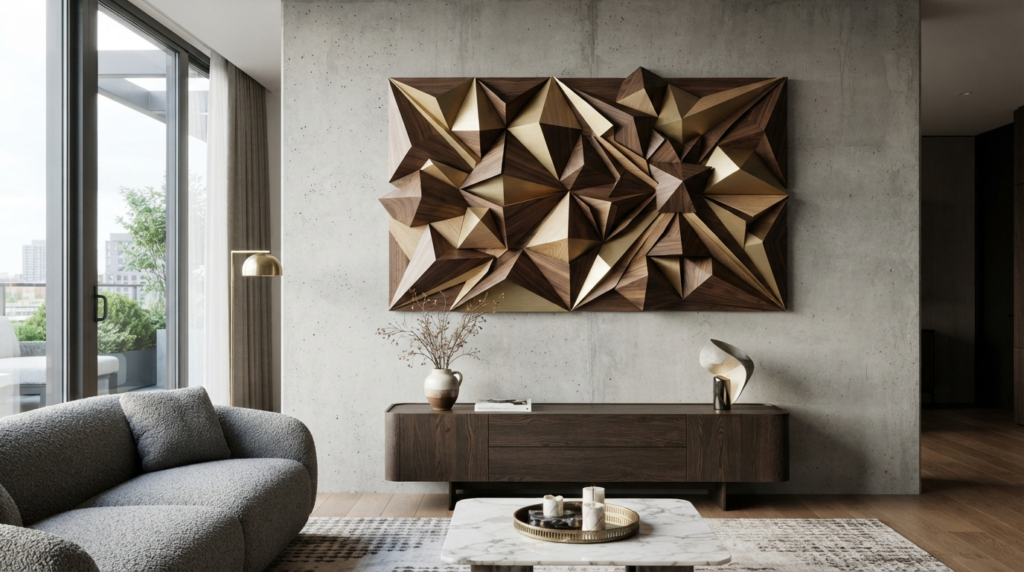
Geometric panels use repeated shapes to create a sense of movement across the wall, while acrylic pieces are lightweight and often paired with mirrors or lighting for a contemporary effect. Both styles work well in modern apartments and office spaces that need a clean, structured look.
Why 3D Wall Art Is Becoming a Popular Choice
The rising popularity of 3D wall art comes from its ability to do more than decorate; it transforms the entire mood of a room. Since these pieces cast natural shadows depending on the light source, the artwork appears different throughout the day, keeping the space visually interesting. Many people also prefer this style because it works as a conversation starter, especially personalized or interactive pieces such as wooden push-pin travel maps.
Another reason for its growth is versatility. Whether a home follows a modern, traditional, or bohemian theme, there is usually a 3D wall art design that fits without clashing with existing decor. It also suits both large empty walls that need a bold statement piece and smaller spaces that benefit from a single textured accent.
Gifting is a strong driver as well, since customized 3D wall art pieces, like maps with pinned travel locations or family name art, carry emotional value beyond their visual appeal. This combination of aesthetics, functionality, and sentiment is why the category continues to expand across home decor markets.
Best Places to Use 3D Wall Art in Your Home
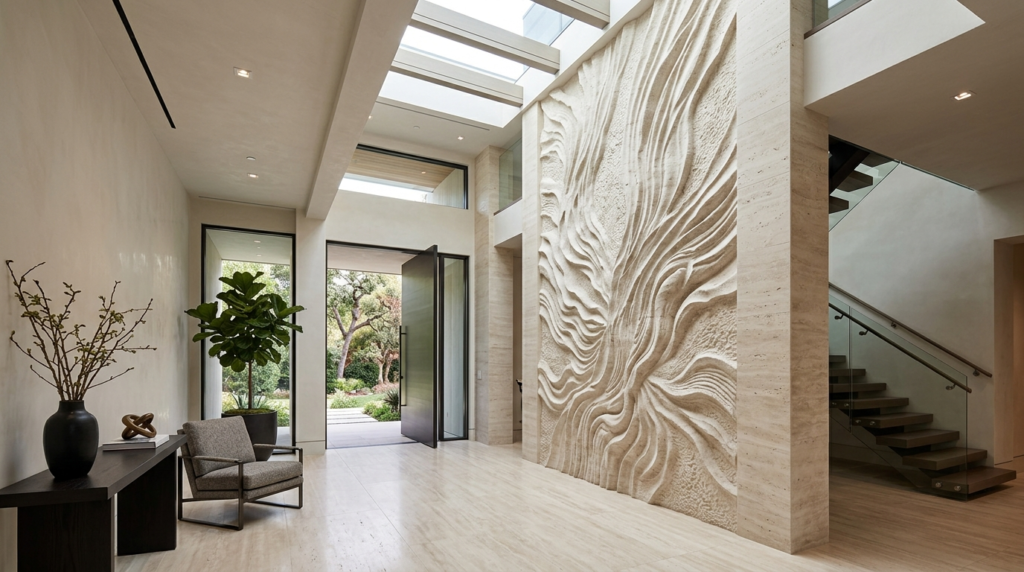
Choosing the right spot for your 3D wall art can make a noticeable difference in how the piece is experienced. Some areas naturally highlight texture and depth better than others.
- Living rooms benefit from a large statement piece placed above a sofa or television unit, since it becomes the immediate focal point for guests.
- Bedrooms work well with softer, nature-inspired 3D wall art, such as floral or wave patterns, placed above the headboard.
- Home offices look more professional and inspiring with geometric or metal designs that add structure without becoming distracting.
- Hallways and staircases are ideal for smaller repeated pieces, like butterfly sets, which guide the eye along the walking path.
- Restaurants and commercial spaces often use bold resin or wooden 3D wall art to create a memorable first impression for visitors.
Selecting the right location depends on lighting as well, since natural or warm artificial light enhances the shadow effect that makes 3D wall art visually appealing.
Latest 2026 Trends in 3D Wall Art
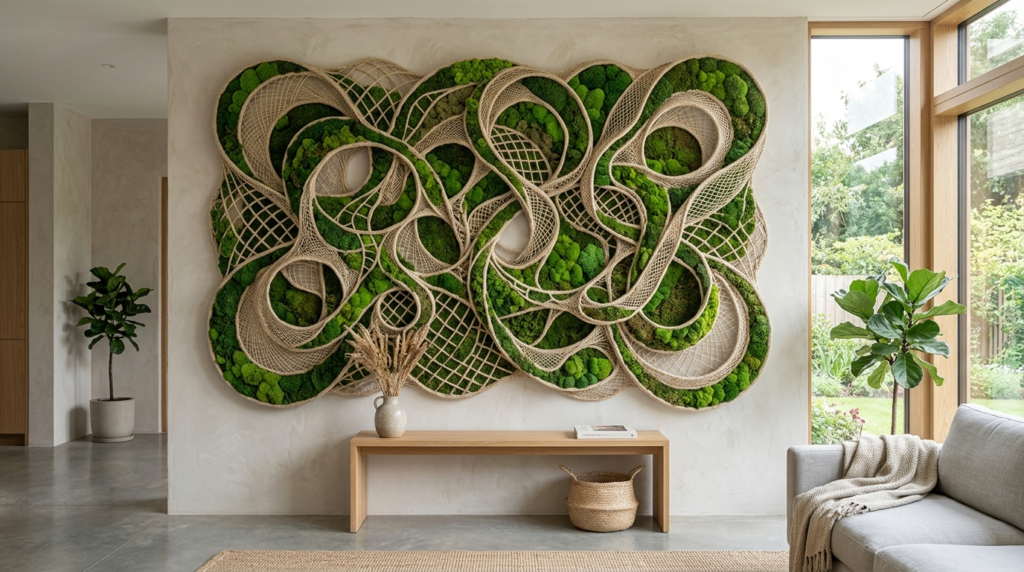
The demand for texture-rich decor is expected to grow further through 2026, with a clear shift toward designs inspired by nature. Biophilic patterns, such as leaves, branches, and organic curves, are becoming a preferred choice because they help indoor spaces feel more calming and connected to the outdoors. Tactile surfaces are also gaining attention, as more buyers want to physically feel the difference between a flat print and a dimensional piece.
Sustainability is another growing focus, with buyers actively looking for eco-friendly materials such as certified wood sourced responsibly, along with non-toxic resins and paints. Many brands are now combining materials, such as wood paired with metal accents or resin combined with subtle lighting, to create hybrid designs that feel unique rather than mass-produced. Personalization continues to rise too, with custom name art, family trees, and interactive map-style wall pieces remaining strong favorites for gifting occasions.
Price Range You Can Expect
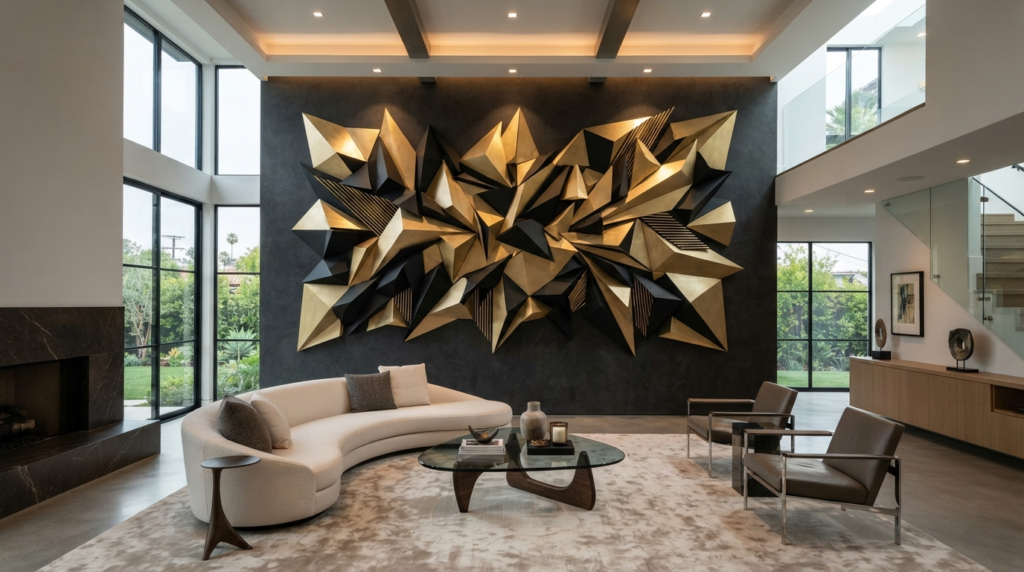
Pricing for 3D wall art varies significantly based on material, size, and whether the piece is handmade or mass-produced. The table below gives a general idea of what to expect when shopping.
| Price Range | What You Typically Get |
| Under 50 dollars | Small acrylic or PVC pieces, basic wall decals, entry-level decor for accent walls |
| 50 to 150 dollars | Mid-sized metal or wooden designs, geometric panels, decent quality resin pieces |
| 150 dollars and above | Large handmade wooden maps, premium resin sculptures, fully customized art pieces |
It is worth noting that shipping costs can be higher for 3D wall art compared to flat prints, since these pieces are often heavier and more fragile, requiring careful packaging during transit.
A Quick Look at Popular Brands and Sellers
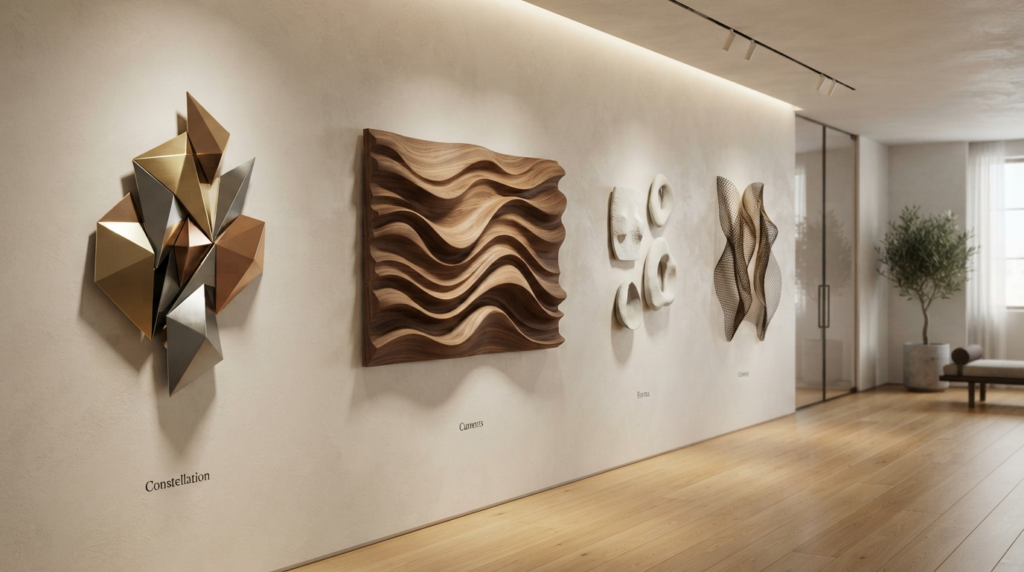
Shoppers looking for 3D wall art generally choose between three types of sellers. Independent Etsy shops, such as those specializing in wooden interactive maps, offer highly personal and premium-priced pieces that work best as gifts.
Simple Maintenance Tips
Keeping 3D wall art in good condition does not require much effort, but a few habits can extend its life significantly. Dusting with a soft, dry cloth once a week prevents buildup in the raised sections of wood, metal, or resin pieces. Avoiding direct exposure to moisture is important, especially for wooden designs, since humidity can cause warping over time.
For metal pieces, occasional wiping with a slightly damp cloth followed by drying helps prevent rust in humid climates. It is also advisable to avoid placing 3D wall art in direct, harsh sunlight for long hours, as this can fade colors and weaken certain resin materials gradually.
Frequently Asked Questions
Is 3D wall art expensive compared to regular wall art?
It depends on the material and craftsmanship involved. Basic acrylic or decal-based pieces are affordable, while handmade wooden or resin designs can cost significantly more due to the detailed work required.
Can I install 3D wall art myself?
Most lightweight pieces come with simple mounting hooks or adhesive strips, making self-installation easy. Larger or heavier pieces, especially in wood or metal, may require basic tools or professional help for secure mounting.
Does 3D wall art damage the wall surface?
When installed correctly using appropriate wall anchors or adhesive designed for the material weight, damage is minimal and similar to hanging a regular framed picture.
Which material lasts the longest?
Metal and well-sealed resin pieces generally offer the best durability, while wood requires more care to avoid moisture-related damage over time.
Is 3D wall art suitable for rented homes?
Yes, many lightweight options use removable adhesive mounts that do not leave permanent marks, making them a safe choice for rental properties.
Conclusion
3D wall art offers a simple yet impactful way to bring texture, depth, and personality into any space, whether it is a cozy bedroom, a professional office, or a welcoming restaurant.
With a wide range of materials, price points, and design styles available, there is an option suited to almost every budget and taste. By understanding the types, choosing the right placement, and following basic maintenance practices, anyone can enjoy the lasting beauty that 3D wall art brings to their walls for years to come.
Related Articles
Interior Design Styles: A Complete Guide to Finding Your Perfect Look
Interior Design Decorating Styles: The Complete 2026 Guide
Farmhouse Kitchen Decor: Complete Guide for a Cozy Kitchen
Kitchen Island Decor : A Complete Styling Guide for Every Home