Shelf Floating: The Complete Guide to Installing, Styling & Choosing the Best Floating Shelves
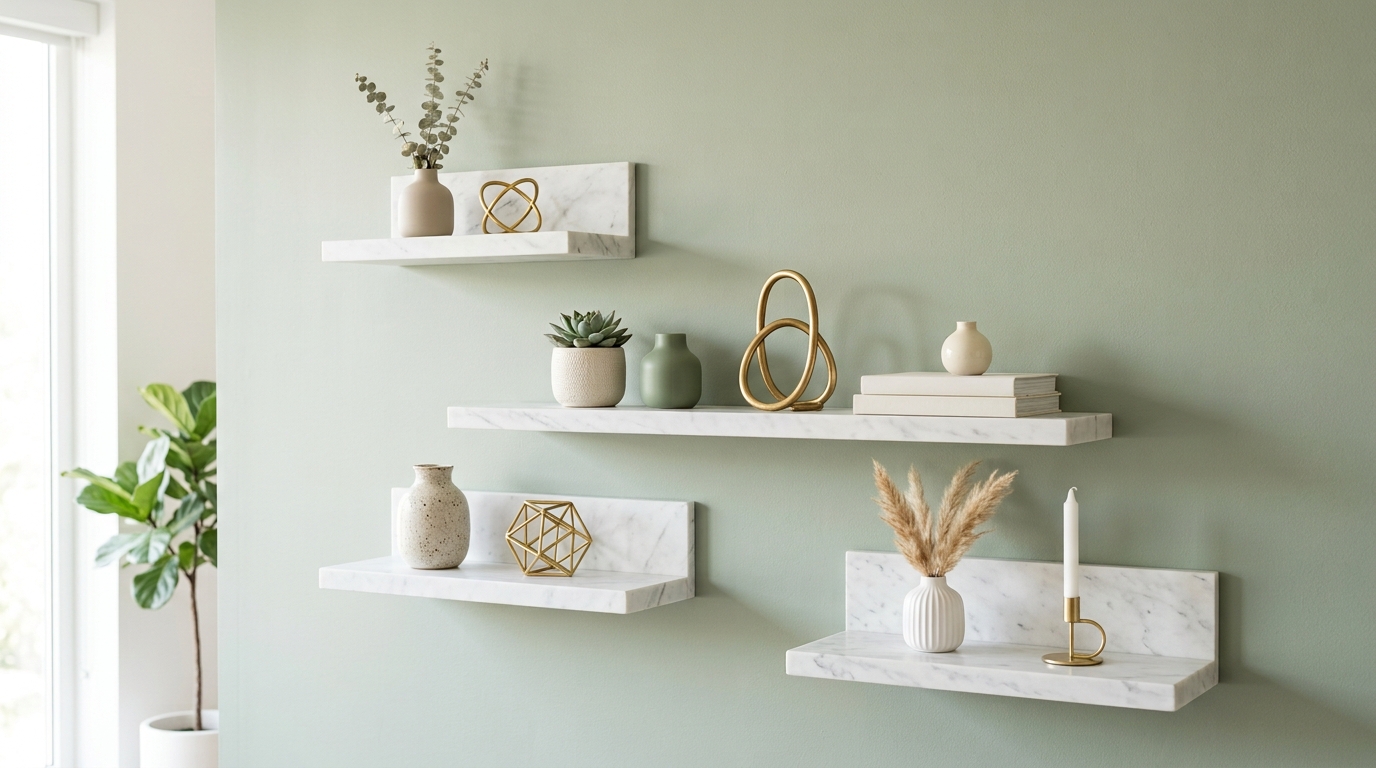
Shelf floating has quickly become one of the most loved storage and decor solutions in modern homes. It gives a wall a clean, open look because the shelf appears to hang without any visible support.
People choose shelf floating because it saves space, looks stylish, and works in almost every room of the house. This guide walks you through everything about shelf floating, from its basic idea to installation, styling, and future trends, written in simple and easy language so anyone can follow along and apply these ideas at home.
What is Shelf Floating
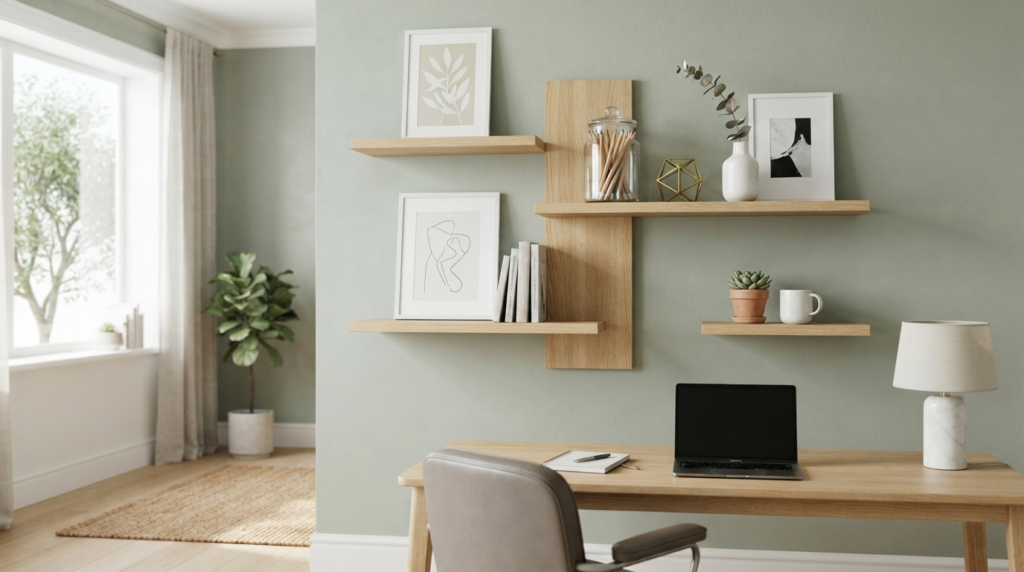
Shelf floating is a shelving style where the shelf is mounted on a wall using hidden brackets or cleats. Because the support system stays hidden inside the shelf itself, it creates a floating illusion. This section below explains its meaning, background, and growing popularity in home design.
What is Shelf Floating
Shelf floating refers to a wall shelf that has no visible legs, brackets, or chains holding it up. The support piece is usually a metal bracket or wooden cleat fixed into the wall, and the shelf slides over it so the hardware disappears from view. This gives the shelf a light, almost hovering appearance on the wall.
Why Shelf Floating Became Popular
Shelf floating grew popular because modern homes favor clean and clutter-free designs. Traditional shelves with visible brackets often look heavy and old-fashioned, while shelf floating keeps the wall looking open and tidy. Interior designers began using shelf floating widely because it matches almost any decor style without adding visual weight.
A Short Background of Shelf Floating Designs
Shelf floating designs started becoming common in the early 2000s as minimalism grew as a design movement. Before that, most shelves depended on visible support arms. Over time, manufacturers created better hidden bracket systems, which made shelf floating stronger, safer, and easier to install in regular homes.
What Makes Shelf Floating Different from Traditional Shelving
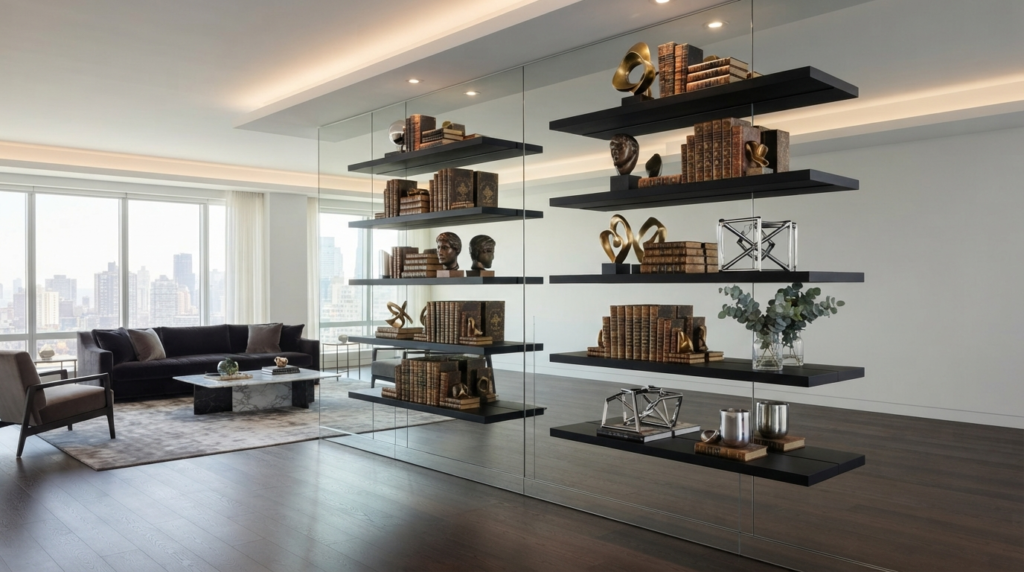
Shelf floating stands apart from ordinary shelving mainly because of how it is supported. The next part explains the hidden mounting system and compares it with older shelf designs.
The Hidden Bracket and Cleat System
The biggest difference in shelf floating is the concealed mounting hardware. A metal bracket or wooden cleat is screwed into the wall, ideally into a stud, and the shelf itself has a matching slot cut into its back. When the shelf is pushed onto the bracket, no screws or arms are visible from the front or sides.
Visual Appeal Compared to Bracket-Supported Shelves
Traditional shelves usually show L-shaped brackets underneath, which can make a wall look busy. Shelf floating removes that visual clutter, so the eye focuses only on the shelf and the items placed on it. This makes rooms feel more open and modern, especially in smaller spaces.
Pros and Cons of Shelf Floating
Shelf floating offers many advantages, but it also has a few limitations that buyers should know before installing.
| Aspect | Shelf Floating Advantage | Possible Limitation |
| Appearance | Clean, modern, no visible support | May look too plain for some decor styles |
| Installation | Simple once studs are found | Needs accurate wall marking |
| Weight Capacity | Good for books, decor, plants | Heavier loads need stud mounting |
| Space | Saves floor space completely | Limited depth compared to cabinets |
Types of Shelf Floating Designs
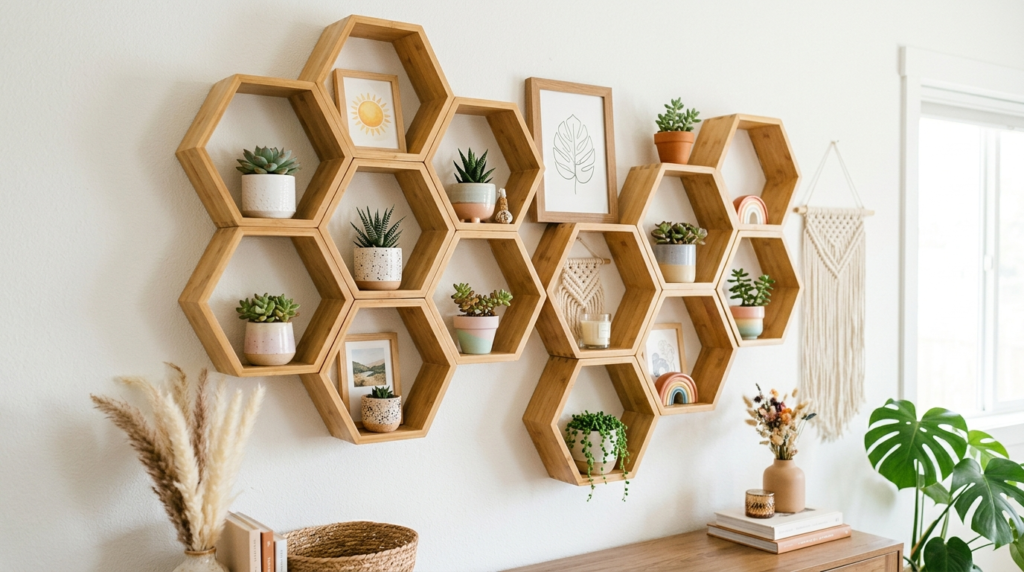
Shelf floating comes in several material and shape variations to suit different rooms. The types below cover the most common options people choose today.
Wooden Shelf Floating
Wooden shelf floating is the most traditional and widely used option because it suits almost every interior style, from rustic to modern. Solid wood versions are strong and long-lasting, while engineered wood options are more budget-friendly. Wood also allows easy staining or painting to match room colors.
Metal Shelf Floating
Metal shelf floating gives a sleek, industrial look and is often chosen for offices, kitchens, or contemporary living rooms. It generally holds more weight than wood of the same thickness. Metal shelf floating is also more resistant to moisture, making it a good pick for humid areas.
Glass Shelf Floating
Glass shelf floating adds a light, airy feel to a room because it does not block the wall visually. It works well in bathrooms and display areas where a delicate look is preferred. However, glass shelf floating generally holds lighter items compared to wood or metal.
Corner Shelf Floating
Corner shelf floating is designed specifically to fit into unused corner spaces, making it ideal for small rooms. It helps maximize storage without taking up wall space needed elsewhere. This type is popular in bedrooms and bathrooms where corners often go unused.
Modular Shelf Floating Systems
Modular shelf floating systems let homeowners combine multiple shelf units into custom patterns on a wall. These systems are flexible because shelves can be added or rearranged over time. They are especially popular for creating gallery-style walls in living rooms.
Benefits of Shelf Floating in Home Decor
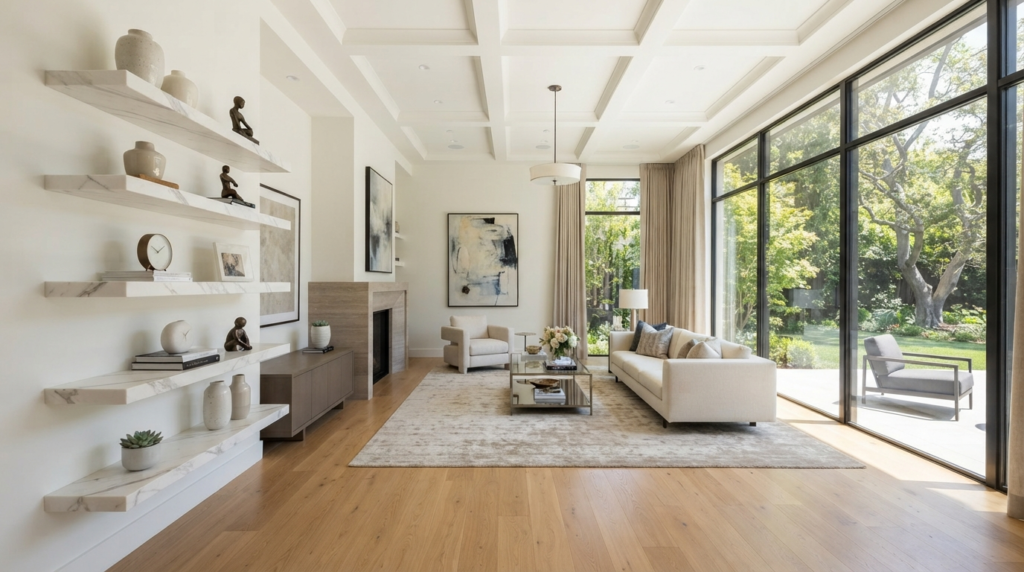
Shelf floating brings several practical and aesthetic benefits to any home. The points below explain how it helps with space, style, and budget.
Space-Saving Advantages of Shelf Floating
Since shelf floating is mounted directly on the wall, it does not require floor space like cabinets or bookshelves. This makes it an excellent option for small apartments and narrow hallways. Homeowners can use vertical wall space that would otherwise remain empty.
Minimalist Aesthetic
Shelf floating naturally supports a minimalist look because it avoids bulky frames and visible supports. Rooms with shelf floating tend to feel more spacious and organized. This aesthetic works especially well with Scandinavian and modern interior styles.
Versatility Across Different Rooms
Shelf floating is not limited to one room; it works in living rooms, kitchens, bathrooms, bedrooms, and home offices. In kitchens it can hold spices and dishes, while in bedrooms it can display books and photo frames. This flexibility is one of the main reasons shelf floating is so widely adopted.
Cost-Effectiveness Compared to Cabinets
Shelf floating is generally cheaper to buy and install than full cabinets or built-in storage units. It also requires less material and labor, especially for DIY installation. For homeowners on a budget, shelf floating offers a practical way to add storage without a large expense.
Materials Used in Shelf Floating
Choosing the right material is an important part of planning shelf floating for any room. This section explains common material choices and how to pick the best one.
Solid Wood and Engineered Wood
Solid wood shelf floating is durable and gives a natural, warm appearance, though it tends to cost more. Engineered wood, such as MDF, is more affordable and still looks attractive when painted or laminated. Both options are commonly used depending on budget and style preference.
Metal and Steel Brackets
Metal shelf floating brackets are valued for their strength and ability to support heavier items like large books or kitchen appliances. Steel brackets resist bending better than most other materials over time. They are often paired with wood or glass shelf surfaces for a mixed-material look.
Acrylic and Glass Options
Acrylic and glass shelf floating options are chosen mainly for their light, transparent appearance. They work best for decorative items rather than heavy daily-use objects. These materials are easy to clean but require careful handling during installation to avoid cracks.
Choosing the Right Material Based on Room Use
The right shelf floating material depends on the room and the items it will hold. Kitchens and bathrooms benefit from moisture-resistant materials like metal or treated wood, while living rooms can use any material based on style preference. Matching material to purpose ensures shelf floating lasts longer.
How to Choose the Right Shelf Floating for Your Space
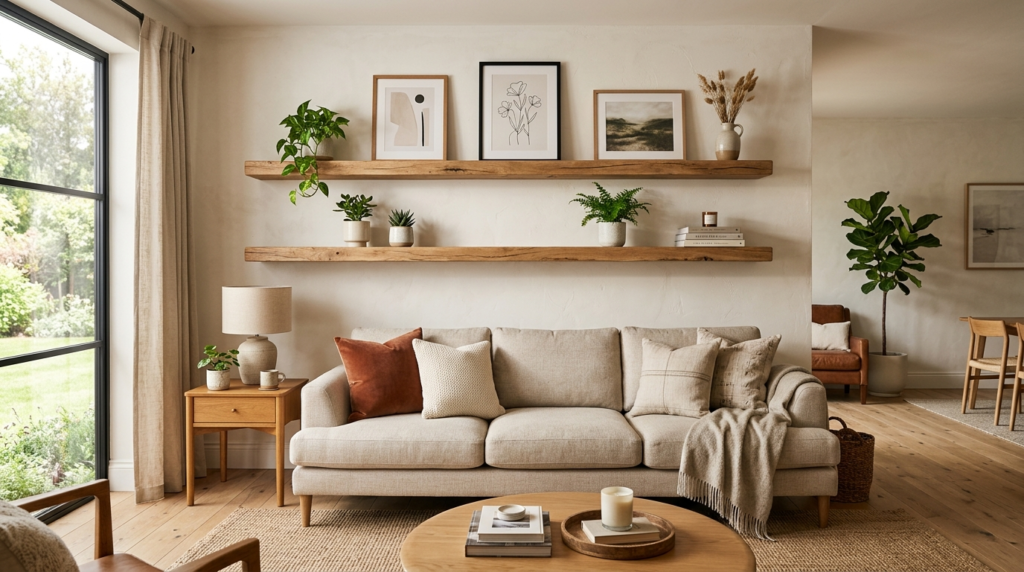
Selecting the correct shelf floating involves more than just picking a nice design. The following points guide you through practical selection steps.
Measuring Wall Space Correctly
Before buying shelf floating, it is important to measure the available wall length and height carefully. This helps avoid shelves that look too small or too large for the space. Accurate measurement also ensures better spacing when installing multiple shelves.
Understanding Weight Capacity
Every shelf floating unit comes with a maximum weight limit set by its bracket and material strength. It is important to check this limit against the items you plan to display, such as books or decor pieces. Ignoring weight capacity can lead to sagging or damage over time.
Matching Style to Room Decor
Shelf floating should match the existing style of the room, whether it is modern, rustic, or industrial. A mismatched shelf can look out of place even if it is well installed. Choosing a finish and shape that complements existing furniture creates a more unified look.
Color and Finish Selection Tips
The color and finish of shelf floating can either blend with the wall or stand out as a feature. Light finishes work well in small rooms to keep the space feeling open, while dark finishes can add contrast in larger rooms. Testing a sample against the wall color before buying is a helpful step.
Step-by-Step Guide to Installing Shelf Floating
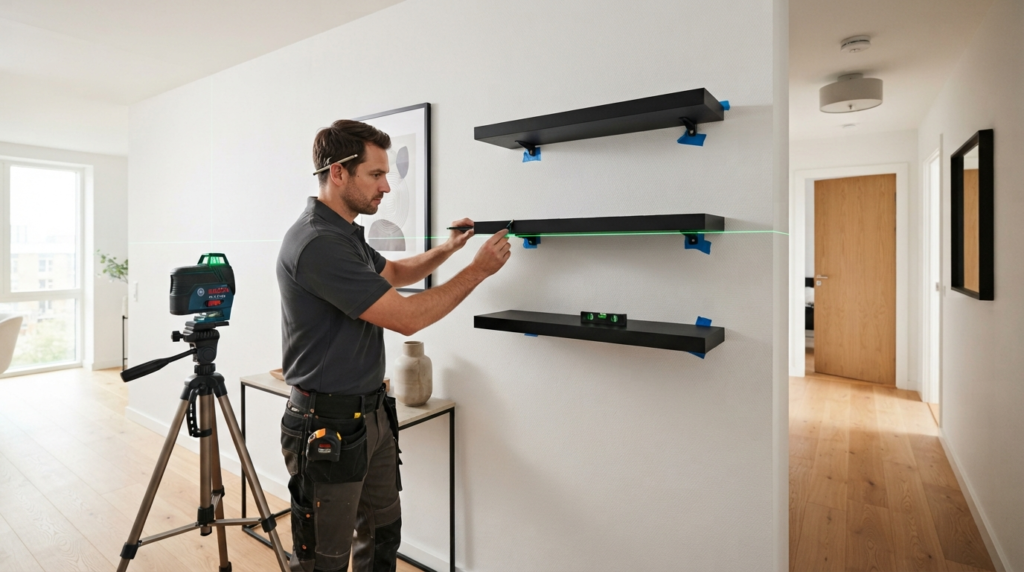
Installing shelf floating is a manageable task for most homeowners if done in the correct order. The steps below outline the full installation process.
Tools Needed for Installation
Basic tools required for shelf floating installation include a drill, level, stud finder, pencil, and appropriate screws. Having these tools ready before starting saves time and avoids mid-project delays. A tape measure is also essential for accurate spacing.
Finding Wall Studs
Locating wall studs is one of the most important steps because shelf floating holds better weight when anchored into solid wood rather than just drywall. A stud finder tool makes this process quick and reliable. If studs are not available in the desired spot, heavy-duty wall anchors can be used instead.
Marking, Leveling, and Mounting
After finding the mounting points, use a level to mark a straight horizontal line for the bracket. Precise marking prevents the shelf floating from appearing tilted once installed. The bracket is then screwed firmly into the marked points.
Attaching the Shelf Panel
Once the bracket is secure, the shelf floating panel is slid or pushed onto it until it fits tightly against the wall. It is recommended to test the shelf gently before adding heavier items. This final step completes the floating appearance since the bracket disappears inside the shelf body.
Best Places to Use Shelf Floating in Your Home
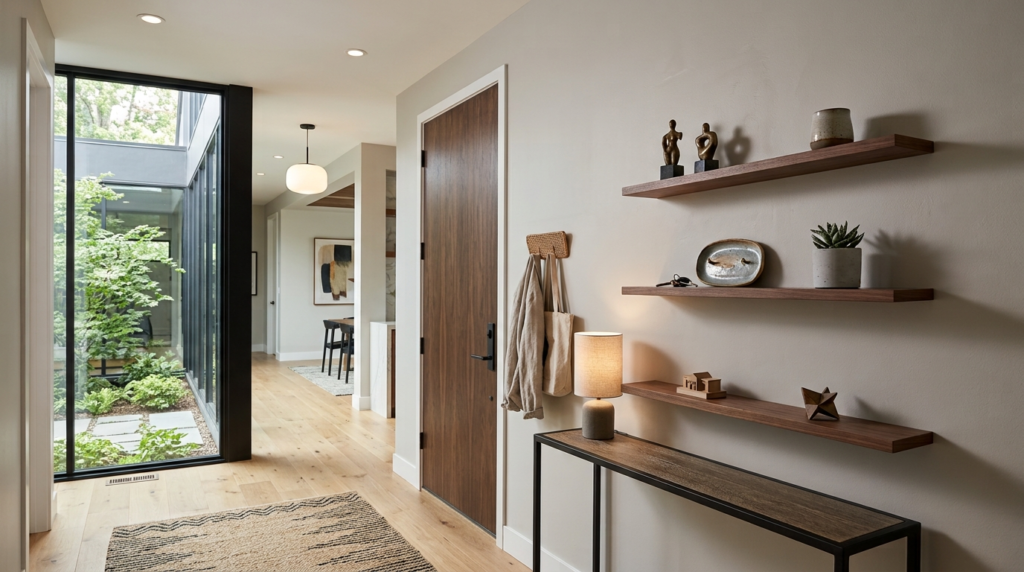
Shelf floating can be used in nearly every part of a home, but each room offers different benefits. The following areas show where shelf floating works especially well.
Living Room Shelf Floating Ideas
In living rooms, shelf floating is often used to display books, photo frames, and small decor items. It can also replace a traditional TV unit by holding media accessories neatly. This creates a clean focal wall without heavy furniture.
Kitchen Shelf Floating for Storage and Display
Kitchen shelf floating is commonly used to store spices, mugs, or cookbooks within easy reach. It keeps counters clear while still keeping essential items visible and accessible. Open shelf floating in kitchens also makes the space feel larger.
Bathroom Shelf Floating for Towels and Toiletries
Bathrooms benefit from shelf floating by using it to organize towels, toiletries, and small baskets. Moisture-resistant materials are recommended in this space. This keeps bathroom counters tidy and adds extra storage in a typically small room.
Bedroom and Home Office Shelf Floating
In bedrooms, shelf floating works well for books, alarm clocks, or decorative items near the bed. In home offices, it can hold files, plants, or small organizers to keep the desk area clutter-free. Both spaces benefit from the extra storage without using floor space.
Styling Tips for Shelf Floating
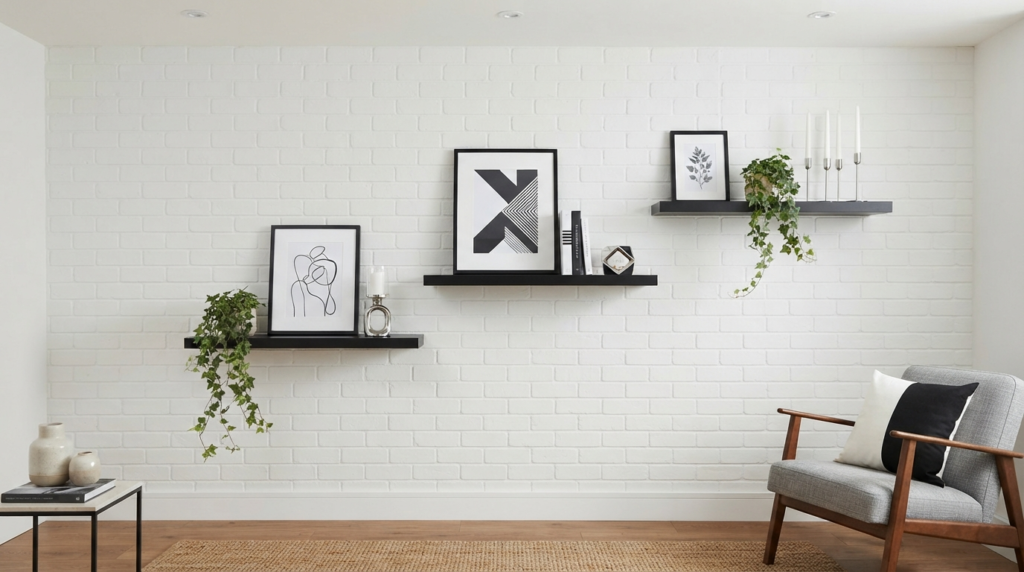
Once installed, shelf floating can be styled creatively to enhance a room’s overall look. These tips help balance function and appearance.
Balancing Decor Items
Good shelf floating styling mixes different heights and shapes, such as books stacked next to a small plant or frame. Avoiding too many similar-sized items keeps the display visually interesting. Leaving some empty space also prevents the shelf from looking overcrowded.
Creating Symmetry or Asymmetry
Some homeowners prefer symmetrical shelf floating arrangements with matching items on each side, while others enjoy an asymmetrical, relaxed look. Both styles work well depending on personal taste and room formality. Testing arrangements before finalizing helps achieve the best result.
Lighting and Seasonal Changes
Adding small lighting near shelf floating can highlight displayed items, especially in the evening. Rotating decor items with the seasons, such as switching frames or small ornaments, keeps the shelf floating display feeling fresh throughout the year.
Common Mistakes to Avoid with Shelf Floating
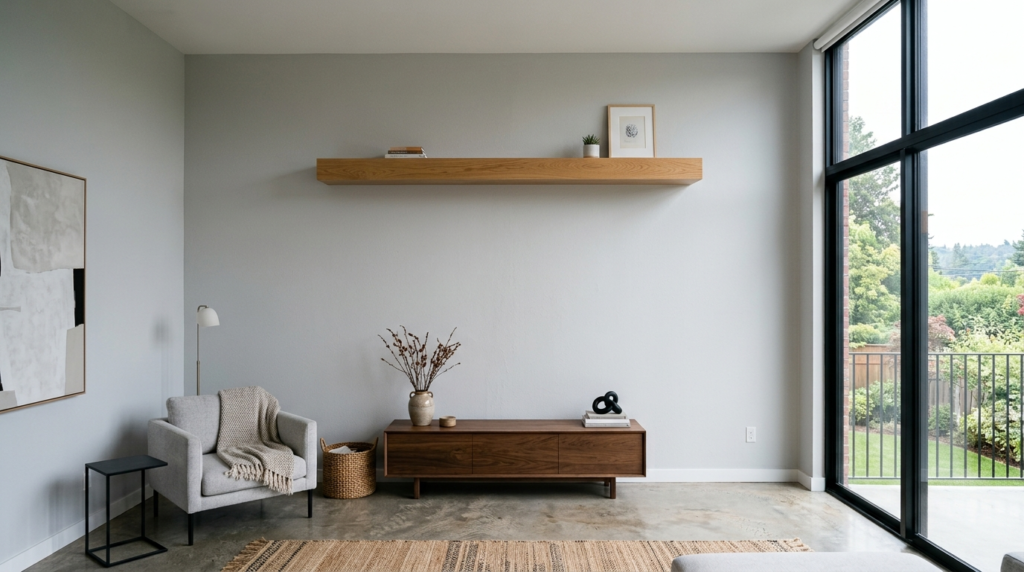
Certain mistakes can reduce the safety or appearance of shelf floating installations. The list below highlights the most frequent errors.
Overloading the weight limit is one of the most common mistakes, often causing the shelf floating to sag or pull away from the wall. Poor wall anchoring, especially skipping studs in favor of drywall alone, is another frequent issue that weakens the installation.
Incorrect spacing between multiple shelf floating units can also make a wall look cluttered or uneven. Finally, ignoring wall material compatibility, such as installing heavy brackets on weak plaster, can lead to long-term damage.
Shelf Floating Maintenance and Care
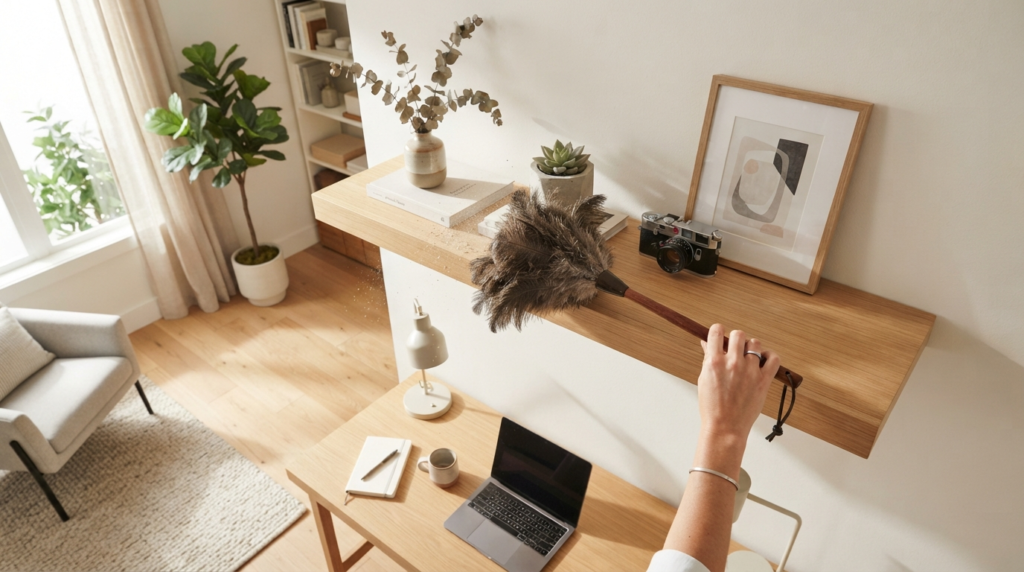
Maintaining shelf floating properly extends its lifespan and keeps it looking good for years.
Cleaning Based on Material
Wooden shelf floating should be dusted regularly and occasionally treated with wood polish, while metal versions can be wiped with a damp cloth. Glass shelf floating benefits from a standard glass cleaner to avoid streaks. Matching the cleaning method to the material prevents surface damage.
Preventing Sagging and Reinforcing for Heavy Loads
Checking screws periodically helps prevent shelf floating from loosening over time, especially in humid climates. For heavier loads, adding an extra bracket point can reinforce the shelf’s strength. This simple maintenance step avoids costly repairs later.
Cost of Shelf Floating: Budget vs Premium Options
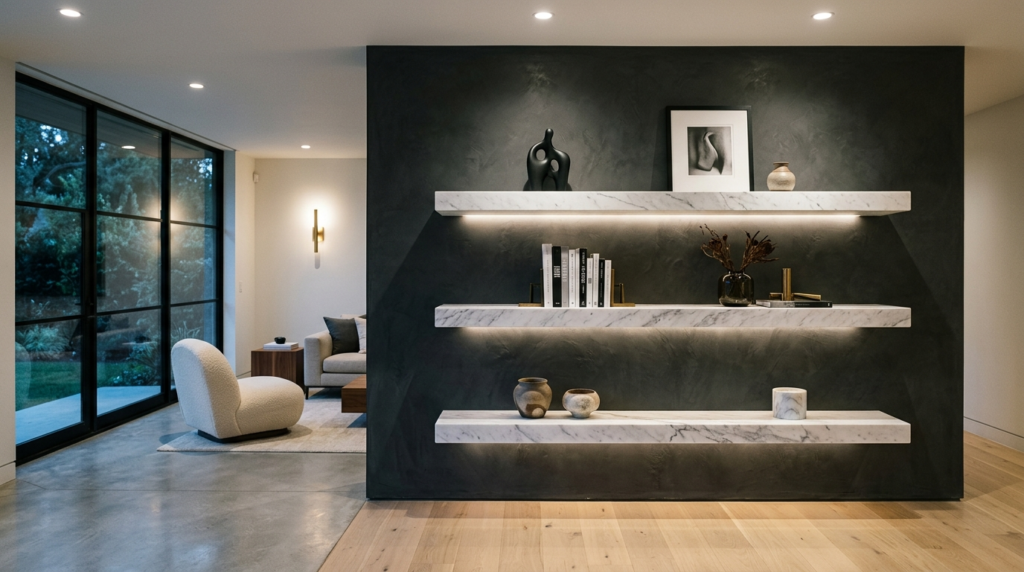
The cost of shelf floating varies widely based on material, size, and installation method.
| Option | Estimated Cost Range | Notes |
| DIY Basic Wood Shelf Floating | Low cost | Good for beginners, simple tools needed |
| Ready-Made Shelf Floating | Moderate cost | Widely available in home stores |
| Custom Shelf Floating Installation | Higher cost | Includes professional fitting and premium materials |
DIY shelf floating remains the most affordable route for those comfortable with basic tools, while custom installations suit homeowners wanting a tailored, professional finish.
Shelf Floating Trends in 2026
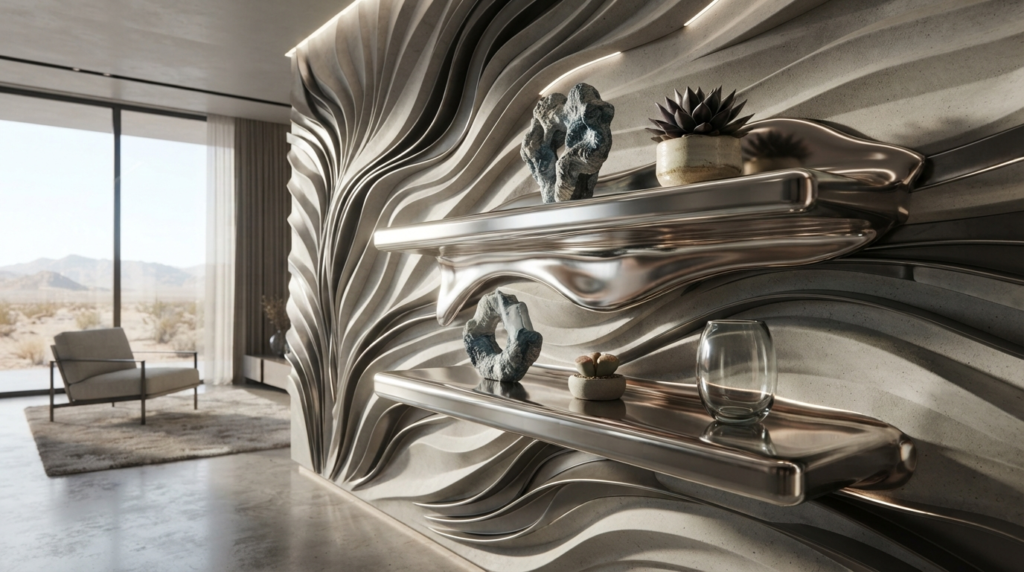
Shelf floating continues to evolve with new materials and smart features each year.
Sustainable and Eco-Friendly Materials
More manufacturers are now offering shelf floating made from reclaimed wood or recycled metal. This trend appeals to homeowners who want stylish storage without a large environmental impact. Eco-friendly shelf floating is becoming easier to find in mainstream stores.
Smart Shelf Floating with Built-In Lighting
Some newer shelf floating designs include built-in LED lighting strips along the underside. This adds a modern touch while making displayed items more visible at night. It is especially popular for kitchen and living room installations.
Minimalist and Scandinavian-Inspired Designs
Simple, light-colored shelf floating with clean lines continues to dominate design trends in 2026. This style pairs well with neutral color palettes and uncluttered interiors. It remains a top choice for those seeking a timeless, adaptable look.
Frequently Asked Questions
Is shelf floating safe for heavy items?
Yes, but only when mounted into wall studs with brackets rated for the intended weight.
Can shelf floating be installed without drilling?
Some lightweight adhesive-based options exist, though drilling into studs remains the safest method for durability.
How much weight can shelf floating hold?
This depends on the bracket and material, generally ranging from a few kilograms for glass to much higher for reinforced metal or wood.
Is shelf floating suitable for renters?
Renters can use removable adhesive strips for lighter shelf floating, though permission from the landlord is recommended for drilled installations.
Conclusion
Shelf floating remains a practical, stylish, and space-saving solution for homes of any size. From choosing the right material to following correct installation steps, this guide covers everything needed to add shelf floating confidently to any room.
With proper care and thoughtful styling, shelf floating can enhance both the function and appearance of a home for years to come.
Related Articles
Modern Farmhouse Furniture : Styles, Pieces & Buying Tips 2026
Reclaimed Materials Furniture: A Complete Guide
Cherry Wood Furniture: A Complete Guide to Beauty, Durability and Timeless Style
3D Wall Art: The Complete Guide to Adding Depth and Style to Your Walls
Colorful Art: Meaning, History, Styles and Everything You Need to Know