 homeofdecor.online
Living in a compact space does not mean you have to give up comfort or style. Knowing how to furnish a small apartment properly can turn even the tiniest studio into a warm, functional home. The secret lies in choosing the right furniture, using every inch wisely, and avoiding clutter from the start.
This guide walks you through practical, tested ideas that real designers and renters use every day. By the end, you will have a clear, room-by-room plan for making your space feel open, organized, and truly yours.
Things to Consider Before You Buy Furniture
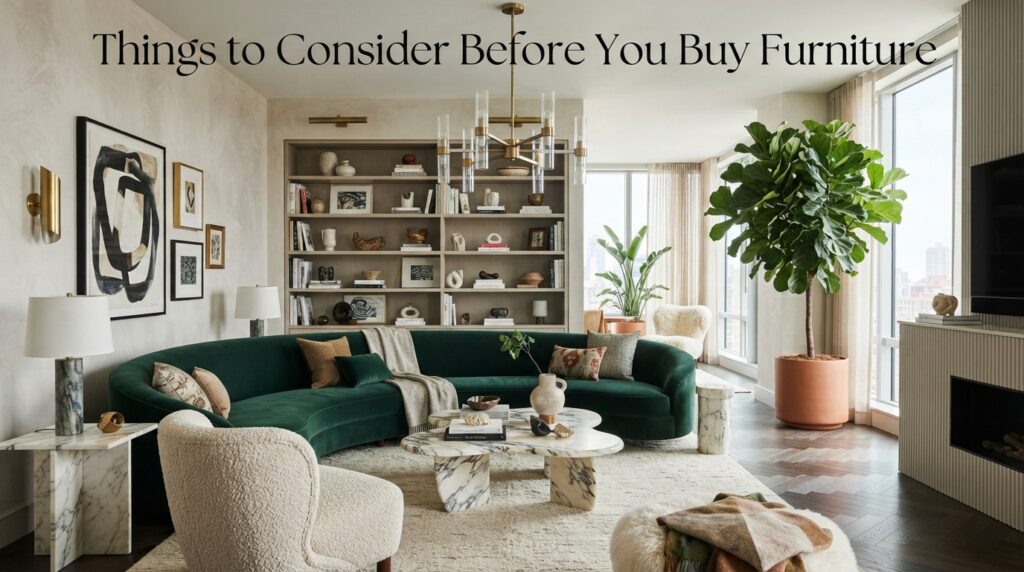
Before you spend a single rupee, it helps to slow down and plan. A little preparation now saves you from costly mistakes later.
Check Your Lease and Landlord Rules
Many rental agreements restrict painting, drilling holes, or installing fixed shelving. Read your lease carefully before buying wall-mounted furniture or planning renovations. This simple step prevents disputes and wasted purchases later on.
Measure Your Space First
Take exact measurements of every room, including doorways and hallways, before shopping. Furniture that looks small in a showroom can overwhelm a tiny apartment once it arrives. Keep a measuring tape and floor plan handy while browsing.
Set Furniture Priorities Based on Your Lifestyle
Decide what matters most to you: a cozy sofa, a proper dining space, or a spacious bed. If you host guests often, prioritize seating; if you value rest, invest in a comfortable bedroom. This priority order shapes every other decision you make.
Choosing the Right Furniture Size and Shape
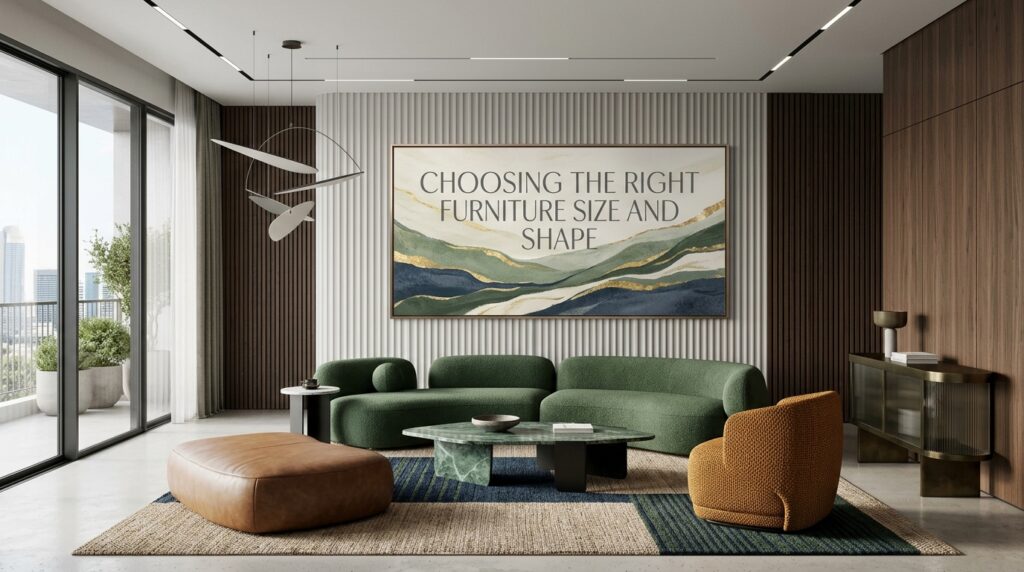
The size and shape of your furniture directly affect how big or small your apartment feels. Getting this right is one of the most important steps in furnishing a small apartment.
Avoid Bulky and Oversized Pieces
Large, overstuffed sofas and chunky wardrobes eat up floor space quickly. They also block natural walking paths, making rooms feel tighter than they actually are. Choose pieces that match your room’s real dimensions, not just your taste.
Pick Slim and Streamlined Designs
Furniture with thin legs, narrow arms, and simple lines takes up less visual weight in a room. Leggy furniture also lets light pass underneath, which makes the floor feel more open. This small detail makes a noticeable difference in tight layouts.
Try Round or Curved Furniture
Round dining tables and curved sofas soften sharp corners and improve traffic flow around the room. Boxy apartments especially benefit from these gentler shapes, which break the monotony of straight walls. Curved furniture also tends to seat more people in less space.
Multi-Functional Furniture for Small Spaces
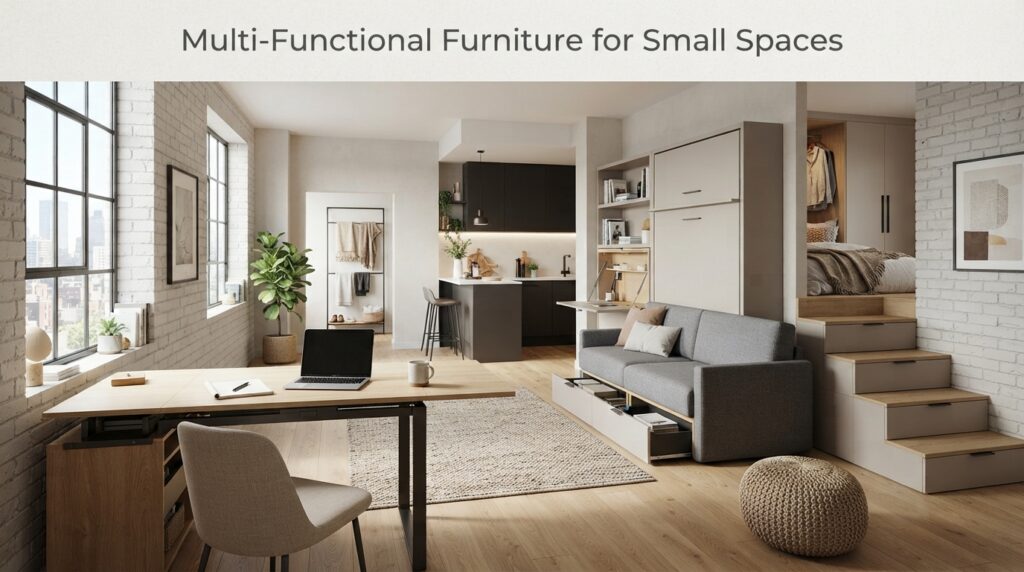
One of the smartest ways to furnish a small apartment is to make every piece of furniture work harder than usual. Multi-use items reduce clutter and save money at the same time.
Sofa Beds and Storage Ottomans
A sofa bed lets you host overnight guests without needing a separate guest room. Storage ottomans double as seating, a footrest, and a hidden spot for blankets or magazines. Together, they solve two or three problems with one purchase.
Extendable and Drop-Leaf Tables
A dining table with a folding leaf stays compact daily and expands only when guests arrive. Drop-leaf and extendable designs are ideal for apartments where a full-size table would otherwise block movement. This flexibility means you never sacrifice hosting ability.
Furniture with Hidden Storage
Coffee tables with drawers, benches with shoe compartments, and beds with built-in drawers all hide everyday clutter. This kind of furniture keeps your surfaces clear without needing extra cabinets. It is one of the easiest upgrades for a cleaner-looking home.
Making the Most of Vertical Space
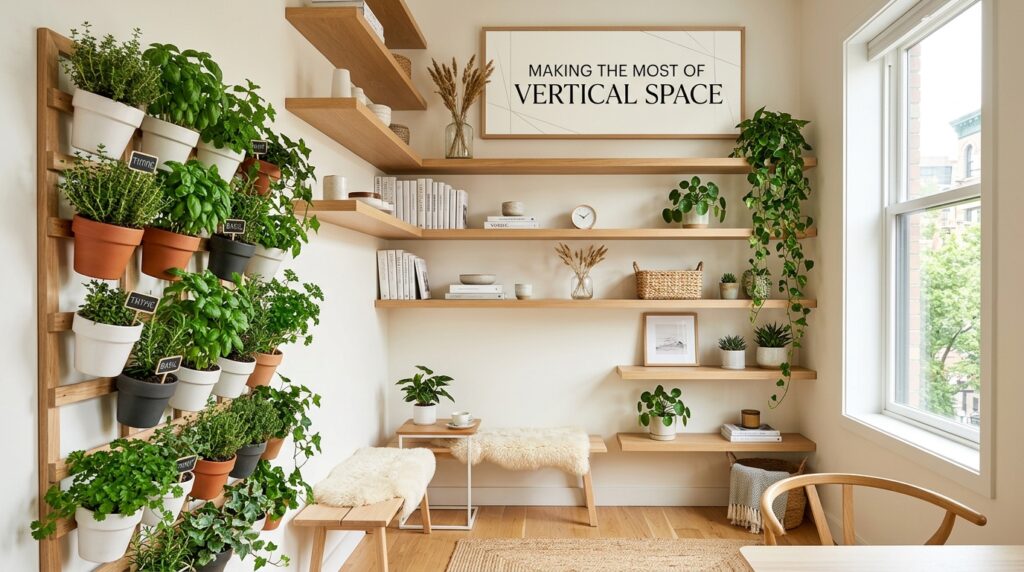
When floor space runs out, the walls and ceiling become your best friend. Thinking vertically is a core rule in any guide on how to furnish a small apartment.
Tall Narrow Shelves and Cabinets
Floor-to-ceiling bookcases store far more than short, wide units while using the same footprint. Placing two matching shelves on either side of a doorway even creates a built-in look. This trick adds serious storage without shrinking the room.
Floating Shelves and Wall-Mounted Units
Wall-mounted desks, shelves, and cabinets keep the floor completely clear underneath them. This creates an open, airy feeling even in a very small room. Floating furniture also makes cleaning the floor much easier.
Use Furniture as Room Dividers
A tall bookshelf or entertainment unit can double as a wall between two zones, such as a sleeping area and a living area. This works especially well in studio apartments with no interior walls. It adds privacy without permanently altering the space.
Smart Storage Solutions
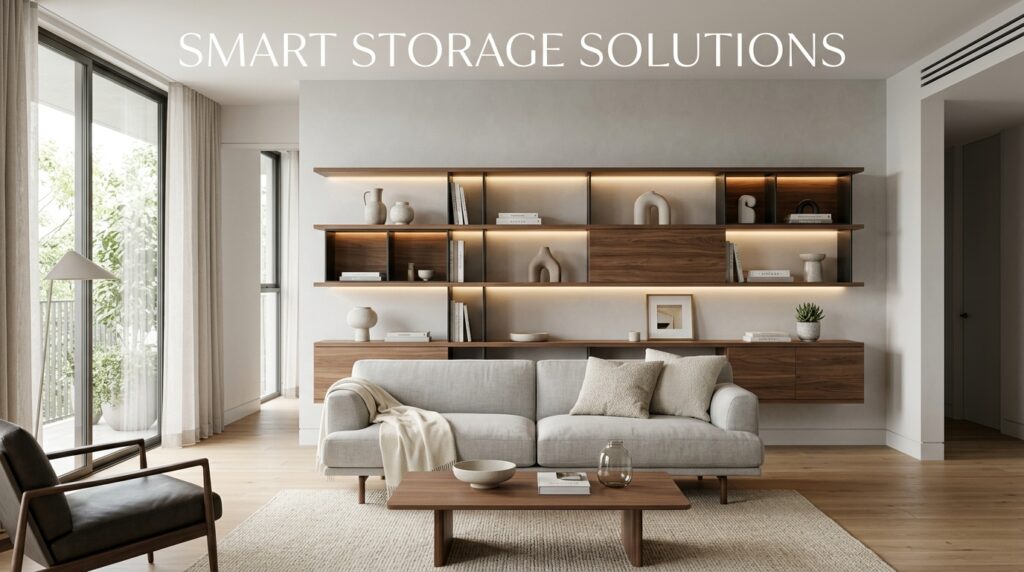
Clutter is the fastest way to make a small apartment feel chaotic. Creative storage keeps belongings organized while staying almost invisible.
Under-Bed Storage
Drawers or storage boxes under the bed can completely replace the need for a separate dresser. This space is often wasted, yet it can hold clothing, linens, or seasonal items easily. It is one of the simplest upgrades for any bedroom.
Built-In Storage Nooks
Cupboards built into wall nooks, or sofas tucked into cozy corners with hidden compartments, use dead space effectively. These custom-feeling solutions look intentional rather than makeshift. Even renters can recreate this look with modular furniture.
Seasonal Rotation of Accessories
You do not need to display every item you own at once. Rotate decor, books, and accessories by season, and store the rest away. This habit keeps surfaces fresh and prevents visual clutter from building up.
Color and Light Strategy
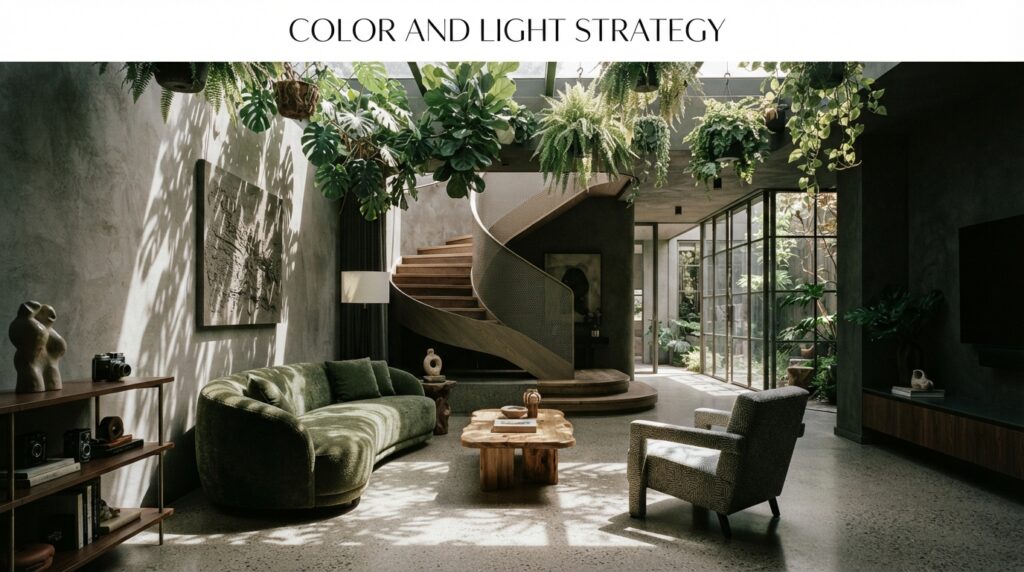
Color choices influence how spacious a room feels almost as much as the furniture itself. This is a detail many people overlook when furnishing a small apartment.
Choose Light and Neutral Tones
White, beige, and soft pastel shades reflect natural light and visually expand walls and ceilings. Light-colored flooring adds to this effect by blurring the edges of the room. Together, these choices make a small space feel noticeably larger.
Add Pops of Bold Color
A neutral base does not mean a boring room. Small bursts of bold color on cushions, art, or a single accent wall add personality. These pops also guide the eye through the space, making it feel more dynamic and larger.
Avoid Dark and Heavy Palettes
Dark walls and heavy furniture tones absorb light and visually shrink a room. While dramatic colors can work in large homes, they tend to overwhelm compact apartments. Save darker shades for small accents rather than large surfaces.
Lighting as a Design Tool

Good lighting shapes how a room feels far more than most people realize. Thoughtful lighting design is essential when learning how to furnish a small apartment properly.
Layer Ambient, Accent, and Task Lighting
Combining overhead ambient light, focused task lighting, and softer accent lighting adds depth to a room. This layered approach highlights different zones without needing extra walls. It also makes evenings feel warmer and more inviting.
Use Wall Sconces to Save Space
Wall-mounted sconces free up side tables and floor space that lamps would normally occupy. They also add a decorative element while serving a practical purpose. This is an easy swap in bedrooms and living rooms alike.
Light Different Zones Separately
Using separate light sources for a work corner, dining spot, and lounging area helps define each zone. This subtle separation works even in one-room studios. It creates the feeling of multiple rooms within a single open space.
Window Treatments and Mirrors
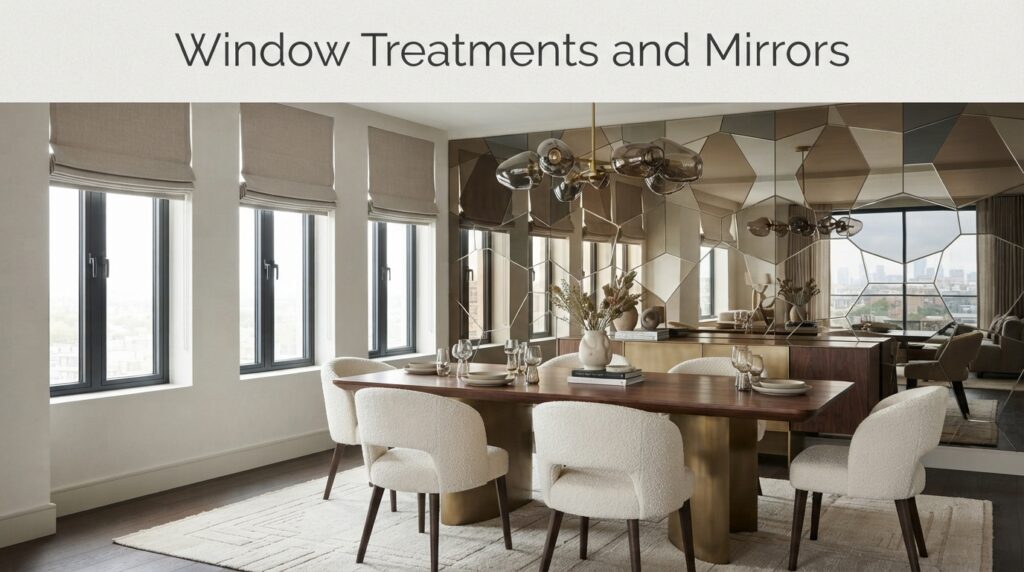
Windows and mirrors are often underused tools in small-space design. Both can add light and the illusion of extra square footage.
Choose Sheer and Light Curtains
Heavy, dark curtains block light and make windows feel smaller than they are. Sheer, lightweight fabrics let sunlight filter through while still offering privacy. This keeps rooms bright throughout the day.
Hang Curtains High and Wide
Mounting curtain rods closer to the ceiling, and wider than the window frame itself, tricks the eye into seeing taller walls. This simple adjustment costs nothing extra but changes the entire feel of a room. It is one of the most effective low-cost tricks available.
Place Mirrors Strategically
Mirrors placed opposite windows bounce natural light deeper into the room. They also create the illusion of depth, making narrow rooms feel wider. A single well-placed mirror can transform a cramped hallway or living area.
Zoning Your Apartment Without Walls
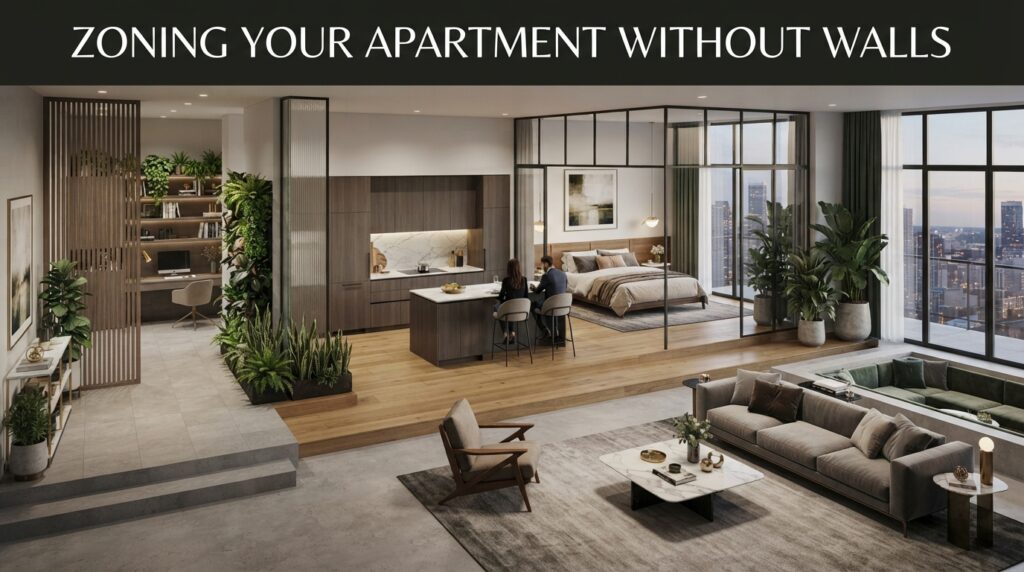
Studio apartments often combine several functions into one open room. Zoning helps organize that space without any construction work.
Use Rugs to Define Areas
A rug placed under a seating area or bed visually separates it from the surrounding space. Different rug shapes and sizes can mark distinct zones within one room. This is one of the cheapest zoning tools available.
Arrange Furniture to Separate Zones
Positioning a sofa with its back to a work desk, for example, naturally divides the living area from the workspace. This layout trick avoids the need for walls or dividers entirely. It also keeps the room feeling open and connected.
Add a Simple Room Divider
A folding screen, curtain, or open bookshelf can create a soft boundary between a bedroom and living area. These dividers are easy to remove or rearrange whenever needed. They offer privacy without a permanent commitment.
Room-by-Room Furnishing Checklist
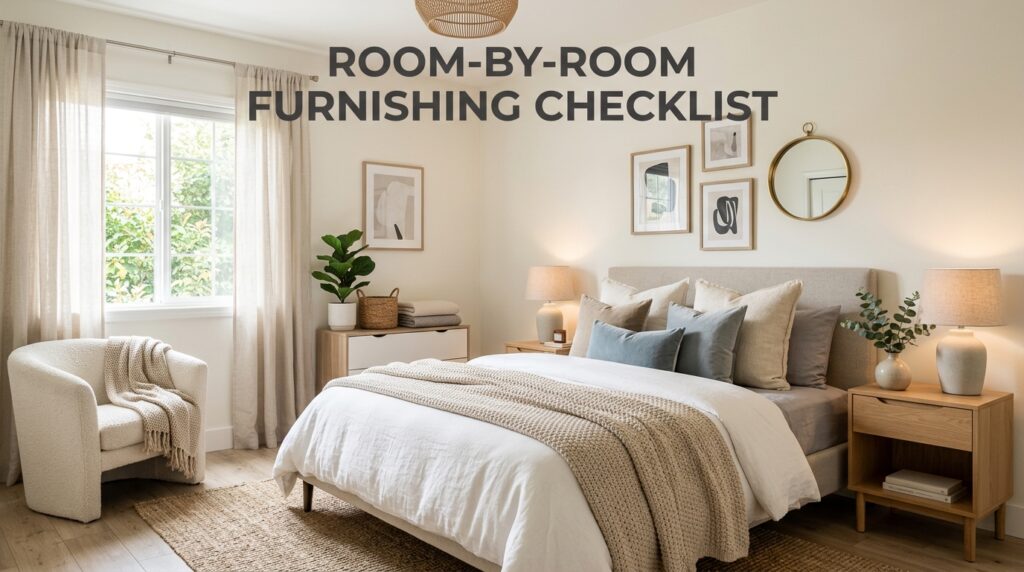
Every room in a small apartment has its own essentials. This quick reference table keeps your shopping list focused and prevents overbuying.
| Room | Essential Furniture | Space-Saving Tip |
| Living Room | Sofa, coffee table, media unit | Choose a sofa bed for flexibility |
| Bedroom | Bed frame, nightstand, wardrobe | Use under-bed storage instead of a dresser |
| Kitchen | Compact table or bar stools, storage racks | Use wall-mounted racks for pots and utensils |
| Dining Area | Extendable table, stackable chairs | Fold away chairs when not in use |
| Home Office | Wall-mounted desk, compact chair | Fold desk flat against the wall when unused |
| Bathroom | Slim storage cabinet, over-door hooks | Use vertical shelving above the toilet |
Living Room and Bedroom Essentials
The living room should center around one comfortable, multi-use seating piece rather than several bulky ones. In the bedroom, prioritize a good mattress and bedding, since quality sleep matters more than extra furniture. Keep both rooms simple and functional first.
Kitchen, Dining, and Bathroom Essentials
Kitchens benefit most from wall-mounted storage that keeps counters clear for cooking. Dining areas work best with foldable or stackable seating that disappears when not needed. Bathrooms often get overlooked, yet slim cabinets and door-hung organizers add valuable storage there too.
Budget Tips for Furnishing Smart
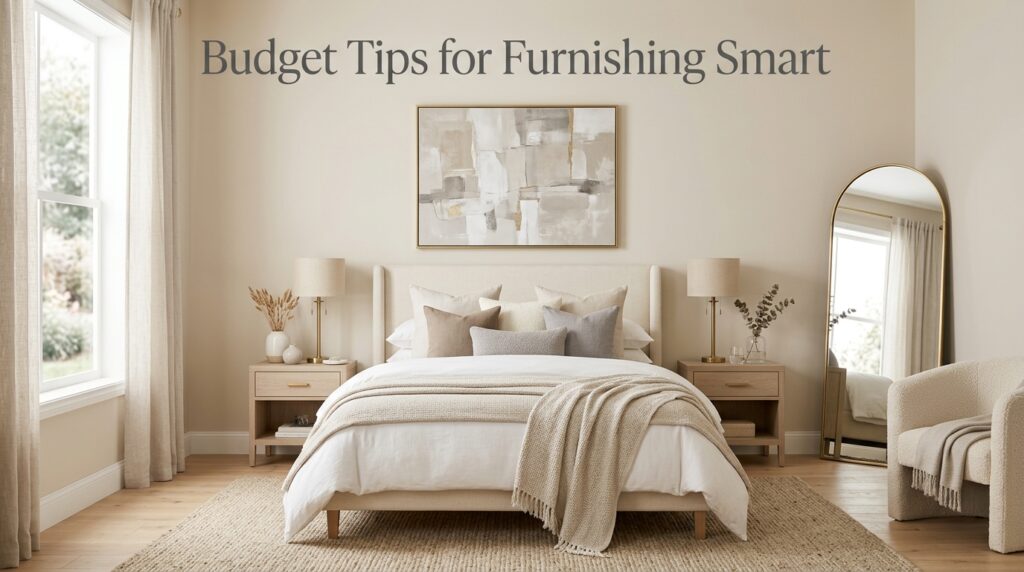
Furnishing a small apartment does not have to drain your savings. Knowing where to spend and where to save makes a real difference.
Where to Spend More
Invest in a quality mattress and bedding, since these affect your daily comfort and health directly. A durable sofa is also worth the extra cost if it will see daily use. These are long-term investments rather than short-term purchases.
Where to Save Money
Decorative accessories, occasional seating, and seasonal decor items are good places to cut costs. Secondhand or thrifted furniture often works well for pieces used less frequently. This balance keeps your budget focused on what truly matters.
Buy Multi-Use Over Multiple Pieces
Instead of buying several single-purpose items, choose fewer pieces that serve multiple functions. This approach naturally reduces your total furniture count and spending. It also keeps the apartment from feeling overcrowded.
Common Mistakes to Avoid
Even well-intentioned furnishing plans can go wrong without careful thought. Watching for these common mistakes saves both money and frustration.
Overcrowding the Space
Trying to fit too many small items into one room often backfires, making it feel busier rather than cozier. Stick to essential pieces and leave breathing room between them. Less furniture, chosen well, always outperforms more furniture chosen carelessly.
Skipping Measurements
Buying furniture without measuring first is one of the most common and costly errors. A piece that looks perfect online may not fit through your doorway or hallway. Always measure twice before ordering anything.
Ignoring Vertical Storage
Many renters focus only on floor space and forget the walls entirely. This wastes valuable storage potential that costs nothing extra to use. Tall shelving and wall-mounted units should always be part of the plan.
FAQs
How do I make my small apartment feel bigger?
Use light colors, mirrors, and slim furniture to open up the visual space. Keeping clutter minimal and using vertical storage also helps significantly.
What furniture is best for a small apartment?
Multi-functional pieces like sofa beds, storage ottomans, and extendable tables work best. They reduce the total number of items needed while covering multiple needs.
How much furniture is too much for a small space?
If pathways feel blocked or rooms feel crowded, you likely have too much furniture. Stick to essentials and avoid duplicate pieces serving the same purpose.
Can I fit a dining table in a small apartment?
Yes, an extendable or drop-leaf table fits comfortably in most small apartments. It stays compact daily and expands only when extra seating is needed.
Conclusion
Furnishing a small apartment comes down to smart choices rather than expensive ones. Prioritizing multi-functional furniture, vertical storage, light colors, and thoughtful zoning creates a home that feels open and organized.
Most existing guides on this topic repeat the same basic tips around color and furniture size, but few offer a complete room-by-room checklist or clear budget guidance, which is exactly where this guide fills the gap. Start with one room, apply these ideas gradually, and your small apartment will soon feel like a much bigger home.
Related Articles
Decorations Guide 2026: Themed Kits vs Mix-and-Match & Top Trends
Blue and White Home Decor: The Complete Styling Guide
Decorating Your Home for Valentine’s Day
Minimalist Home Decor Essentials: A Complete Guide
Black Home Decor: The Complete Guide to Styling Your Space with Black