 homeofdecor.online
Blue and white home decor is one of the most loved color combinations in interior design because it feels fresh, clean, and calming at the same time. It works in almost every home style, from coastal cottages to modern apartments, without ever feeling outdated.
This guide walks you through the history, the color psychology, room-by-room ideas, materials, budget tips, and common mistakes so you can confidently bring this look into your own space.
Whether you are starting from scratch or refreshing a single room, blue and white home decor offers endless flexibility. By the end of this article, you will have a clear roadmap to plan, shop, and style your home with this classic palette.
Understanding the Color Palette
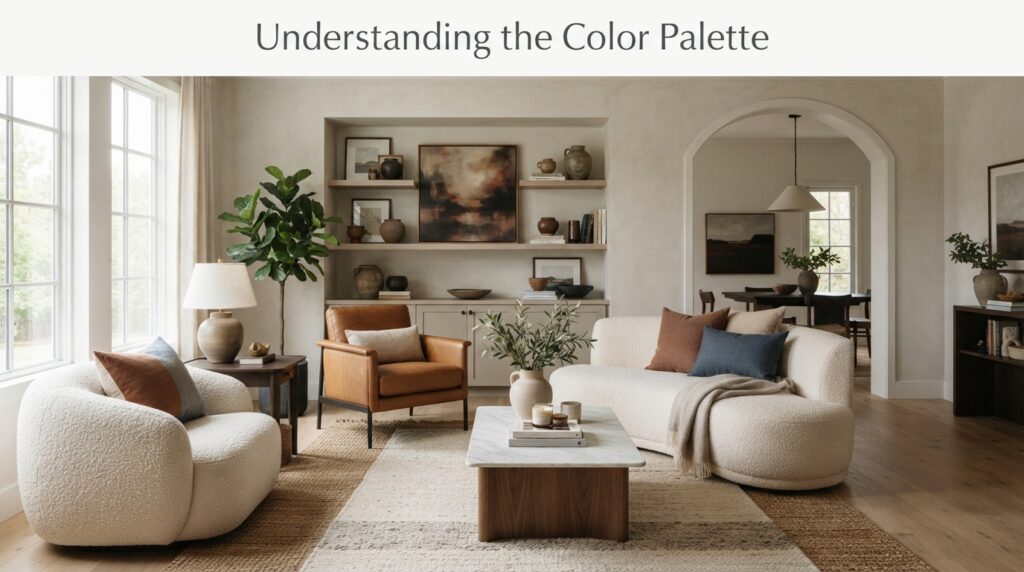
Before decorating, it helps to understand the different tones within blue and white home decor. Getting the balance of shades right is what separates a polished room from a mismatched one.
Shades of Blue
Blue comes in many usable tones for interiors, including navy, cobalt, indigo, powder blue, sky blue, and teal-blue. Darker shades like navy add drama and grounding, while lighter tones like powder blue keep a room feeling open and airy.
Shades of White
White is rarely just white in decorating; it includes pure white, ivory, cream, and off-white. Warmer whites like ivory soften a room, while pure white creates a crisp, modern contrast against bold blues.
The Psychology of Blue and White
Blue is widely associated with calmness, trust, and clarity, while white represents cleanliness and simplicity. Together, they create spaces that feel restful and organized, which is one reason this palette works so well in bedrooms and bathrooms.
Choosing the Right Ratio
A common approach is the 70/30 rule, where one color dominates and the other acts as an accent. In most homes, white or a light neutral takes the larger share, while blue is layered in through furniture, textiles, or accessories for balance.
Popular Styles Within Blue and White Decor
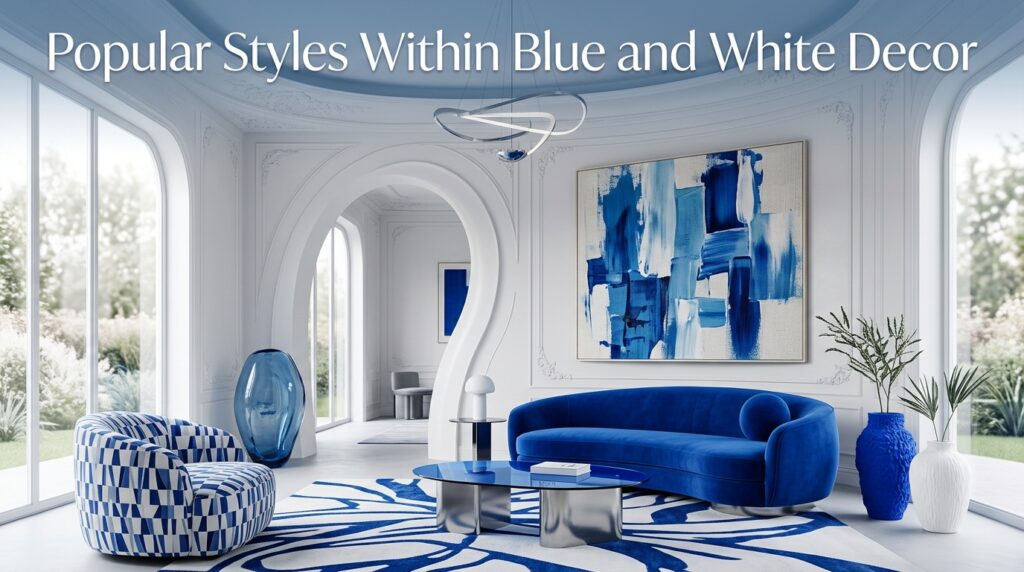
Blue and white home decor is not a single fixed look; it branches into several distinct styles. Knowing these sub-styles helps you choose a direction before shopping or painting.
Coastal and Nautical Style
This style leans on stripes, rope textures, and natural materials like rattan and linen. It often uses lighter blues paired with crisp white to mimic a beach house feel.
Chinoiserie and Asian-Inspired Style
This style draws from traditional porcelain patterns, ginger jars, and detailed floral motifs. It suits formal dining rooms and living spaces where a touch of heritage and elegance is desired.
Farmhouse Blue and White
Farmhouse styling combines this palette with rustic wood, gingham patterns, and simple silhouettes. It creates a warm, welcoming atmosphere that feels lived-in rather than staged.
Modern Minimalist Blue and White
This approach keeps patterns minimal and relies on clean lines, matte finishes, and a strong contrast between navy and white. It works especially well in small apartments or contemporary homes.
Traditional and Classic English Style
This style often features toile fabrics, layered patterns, and antique-inspired furniture. It gives rooms a formal, timeless character often seen in classic countryside homes.
Mediterranean-Inspired Style
Inspired by Greek island architecture, this style pairs whitewashed walls with vivid cobalt accents. It works particularly well in sunrooms, patios, or kitchens seeking a bright, vacation-like feel.
Room-by-Room Guide
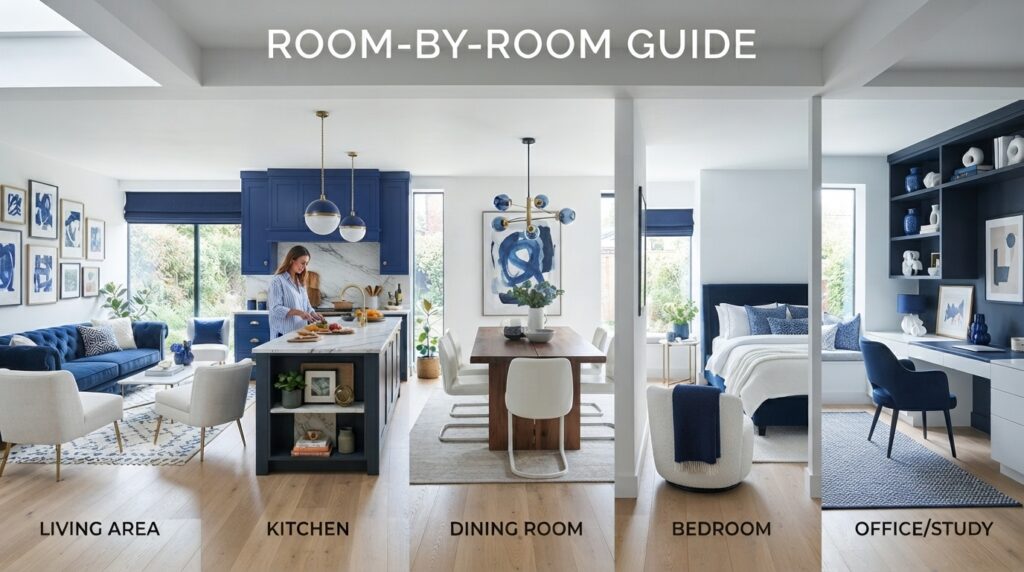
Applying blue and white home decor differs slightly depending on the room’s function and lighting. This section breaks down practical ideas for each major space in the home.
Living Room
In the living room, blue sofas or accent chairs paired with white walls create an inviting focal point. Layer in patterned throw pillows, a striped or geometric rug, and curtains in a lighter blue tone to tie the space together without overwhelming it.
Bedroom
Bedding is the easiest way to introduce this palette, whether through solid navy duvets or patterned blue and white prints. A upholstered headboard in soft blue, paired with white nightstands and simple lamps, keeps the room feeling restful and uncluttered.
Kitchen
Blue and white tile backsplashes, whether Delft-style or Moroccan-inspired, instantly elevate a kitchen. Displaying blue and white dinnerware on open shelving adds character, while white or pale blue cabinets keep the space bright and functional.
Bathroom
Delft-style or Portuguese azulejo tiles work beautifully on bathroom walls or floors within this palette. Complete the look with white towels featuring blue trim and simple vanity accents like glass jars or ceramic soap dishes.
Dining Room
A dining table set with blue and white china creates an elegant, cohesive table setting for everyday meals or special occasions. Chinoiserie vases as centerpieces and subtly patterned wallpaper can further enhance the room’s character.
Home Office
A home office benefits from calming blue accents on a single wall or in upholstered seating, paired with white furniture for a clean, focused workspace. This combination helps maintain a productive atmosphere without feeling sterile.
Outdoor and Patio Spaces
Outdoor cushions, umbrellas, and planters in blue and white tones extend the theme beyond indoor rooms. This works especially well for Mediterranean-inspired patios or coastal-style porches.
Key Decor Elements and Materials

Certain materials and objects appear repeatedly in blue and white home decor because they carry the style’s signature look. Understanding these elements makes shopping and styling much easier.
Blue and White Porcelain
Items like ginger jars, vases, and decorative plates are classic symbols of this style. They can be displayed on shelves, mantels, or as centerpieces to instantly signal the theme.
Textiles
Patterns such as toile, stripes, gingham, ikat, and ticking are commonly used in cushions, curtains, and upholstery. Mixing two or three complementary patterns adds depth without creating visual chaos.
Tile Patterns
Delft, Moroccan, and Portuguese azulejo tiles are popular choices for kitchens and bathrooms within this palette. These tiles bring texture and history into otherwise simple spaces.
Wallpaper Designs
Wallpaper featuring chinoiserie florals, stripes, or geometric prints can serve as a bold statement wall. It works particularly well in dining rooms, powder rooms, or entryways.
Rugs and Flooring
Rugs in navy, indigo, or soft blue tones anchor a room and help balance lighter furniture pieces. Natural fiber rugs like jute also pair well when a coastal feel is desired.
Lighting Fixtures
Blue glass table lamps or pendant lights with white shades add a subtle decorative touch. Lighting is often the easiest and most affordable way to introduce accents of blue.
How to Decorate Step-by-Step
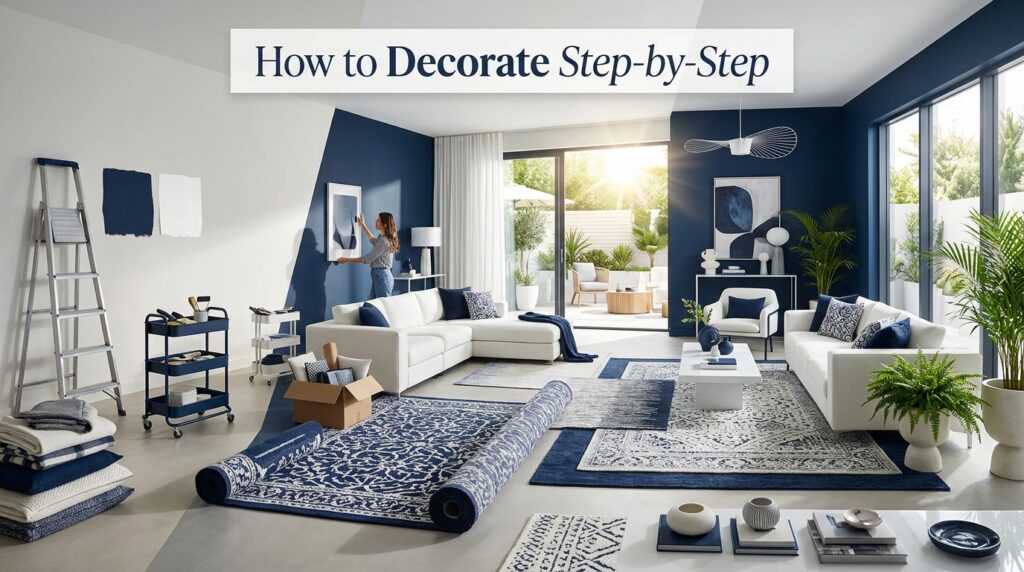
Decorating with this palette becomes much easier when approached in a structured order rather than randomly buying pieces. The steps below outline a practical process for beginners.
Choosing a Focal Point
Start by selecting one statement piece, such as a sofa, rug, or accent wall, to anchor the room’s color story. Every other decision should complement this central piece rather than compete with it.
Layering Patterns Without Overwhelming
Introduce patterns gradually, starting with a large piece like curtains, then adding smaller patterned accents like cushions. Keeping patterns within the same color family prevents the room from feeling too busy.
Balancing Bold Navy with Soft White
Use navy sparingly in larger furniture pieces or accent walls, then balance it with generous amounts of white on walls, trim, or ceilings. This contrast keeps the room feeling bright rather than heavy.
Mixing Textures
Combine materials like linen, ceramic, rattan, and wood to add depth to the color scheme. Texture variation prevents an all-blue-and-white room from feeling flat or one-dimensional.
Adding Greenery for Contrast
Green plants naturally complement blue and white decor by introducing an organic, living element. Even a few potted plants can soften the palette and prevent it from feeling too formal.
Budget-Friendly Tips
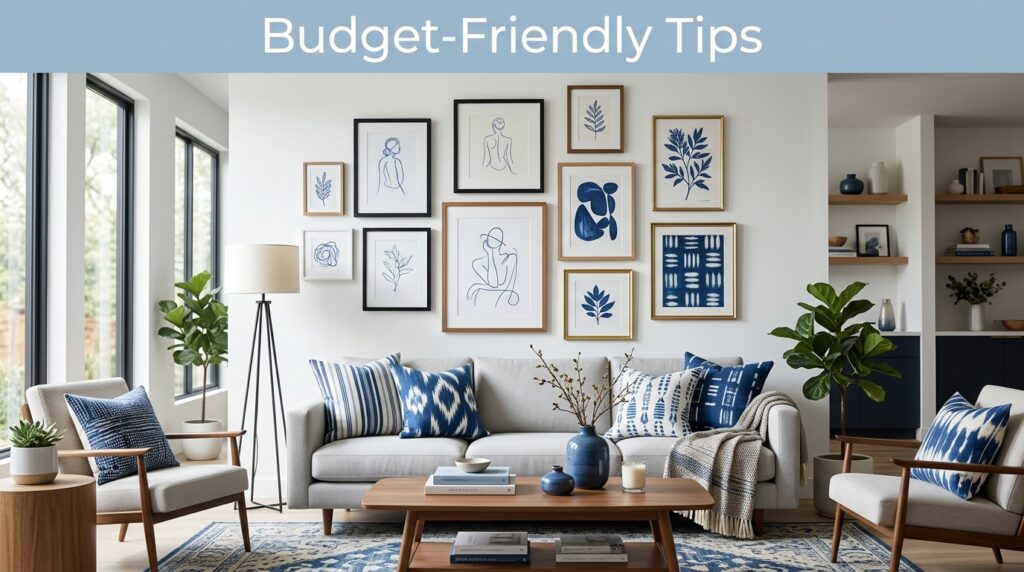
You do not need a large budget to bring blue and white home decor into your space. Small, thoughtful changes often make just as much impact as expensive renovations.
DIY Painting Ideas
Painting an accent wall, old furniture piece, or even ceramic pots in shades of blue is an affordable way to start. This allows you to test the palette before committing to bigger purchases.
Thrift and Vintage Finds
Secondhand stores and flea markets often carry blue and white porcelain, vintage textiles, or furniture pieces at a fraction of retail cost. These finds also add character that new items sometimes lack.
Affordable Retailers and Brands
Many home decor retailers offer budget-friendly blue and white cushions, curtains, and dinnerware in various price ranges. Comparing a few stores before purchasing helps you find quality pieces without overspending.
Small Accent Swaps for Big Impact
Simple swaps like new cushion covers, a table runner, or a set of coasters can refresh a room instantly. These small changes are ideal for renters or anyone hesitant to commit to major decor changes.
Common Mistakes to Avoid
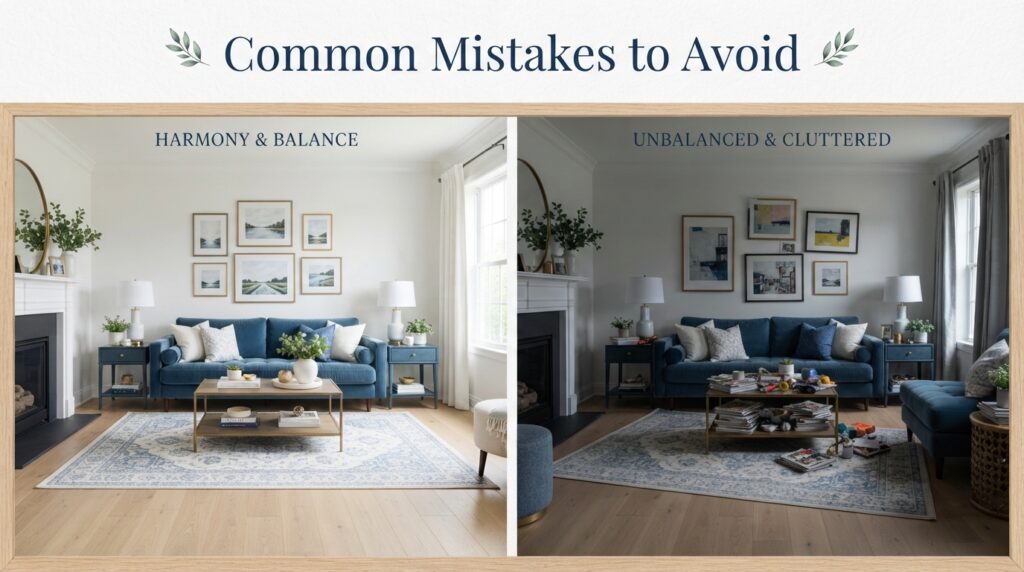
Even with a timeless palette, certain styling mistakes can make a room feel unbalanced. Being aware of these pitfalls helps you achieve a more polished result.
Overusing One Shade of Blue
Relying on a single shade throughout the room can make the space feel flat and monotonous. Mixing two or three complementary blue tones adds dimension and visual interest.
Too Much Pattern Clashing
Combining too many bold patterns at once can overwhelm a room rather than enhance it. Sticking to a limited color palette across patterns helps maintain harmony.
Ignoring Natural Light Effects on Blue
Blue tones can shift dramatically depending on natural or artificial lighting throughout the day. Testing paint or fabric samples in the actual room before committing avoids unexpected results.
Forgetting Warm Accents for Balance
A room that is entirely blue and white can sometimes feel cold or clinical without warmth. Adding wood tones, warm lighting, or natural textures helps balance the coolness of the palette.
Seasonal Styling Ideas
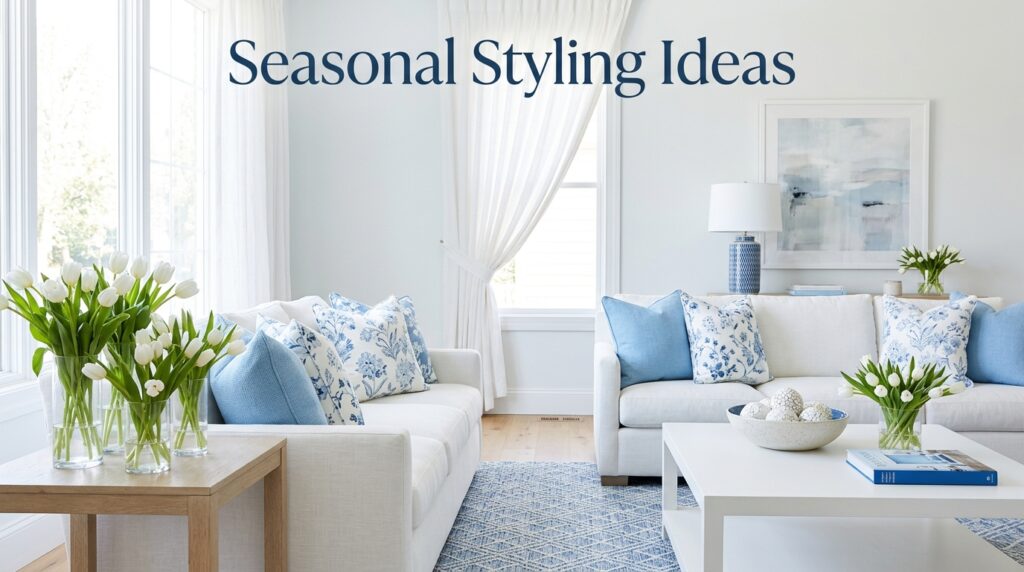
Blue and white home decor can be adjusted slightly throughout the year to match seasonal moods. This keeps the space feeling fresh without a complete overhaul.
Summer and Coastal Refresh
During summer, lighter blues, linen textures, and nautical stripes bring a breezy, coastal feel to the home. Swapping out heavier textiles for lighter ones instantly refreshes the space.
Winter Blue and White
In winter, deeper navy tones paired with cozy textures like wool or velvet create a warmer, frostier atmosphere. Adding soft lighting also helps counter the coolness of the palette during darker months.
Holiday Decor in Blue and White
For festive occasions, blue and white can be styled with silver accents or white string lights for an elegant, wintery look. This offers an alternative to traditional red and green holiday themes.
Inspiration and Real-Life Examples

Looking at real transformations and trends can help solidify your own styling direction. This section highlights where to find reliable inspiration.
Before-and-After Room Transformations
Many home decor blogs and forums showcase full room makeovers using this palette, offering practical before-and-after comparisons. These examples are useful for understanding how small changes add up.
Designer Homes Using This Palette
Interior designers frequently return to blue and white schemes for client homes because of their broad appeal and timeless quality. Studying professionally styled spaces can offer proportion and balance ideas.
Popular Social Media Trends
Platforms like Pinterest and Instagram consistently feature blue and white home decor due to its photogenic, calming appeal. Following relevant hashtags can provide ongoing inspiration and current trend updates.
Shopping Guide
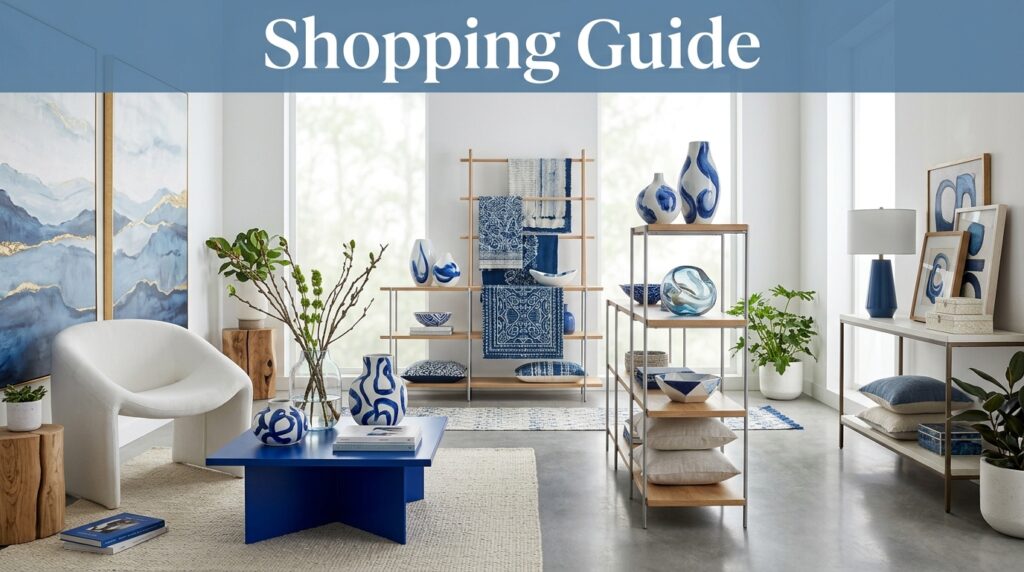
Knowing what to prioritize when shopping helps you build a cohesive look without unnecessary purchases. This section covers where to focus your budget.
Best Furniture Pieces
Invest first in larger anchor pieces like a sofa, headboard, or dining chairs in your chosen blue tone. These items set the tone for the rest of the room’s accessories.
Best Accessories and Accent Decor
Smaller items like vases, cushions, and lighting are ideal for adding personality without a large financial commitment. These pieces are also easiest to update seasonally.
Where to Buy
Options range from budget-friendly home stores to mid-range retailers and luxury boutiques specializing in porcelain or textiles. Mixing price points across categories helps balance overall spending while still achieving a high-quality look.
Conclusion
Blue and white home decor remains a reliable, versatile choice for anyone wanting a fresh yet timeless home. By understanding the color palette, choosing a sub-style, and applying ideas room by room, you can create a cohesive look at any budget.
The key is balance: enough blue to add character, enough white to keep things light, and enough texture to avoid flatness.
FAQs
Does blue and white work in small rooms?
Yes, using more white as the dominant tone with blue as an accent can actually make small rooms feel more open and airy.
What colors pair well with blue and white?
Natural wood tones, soft greens, and touches of gold or brass complement blue and white home decor nicely.
Is this style expensive to achieve?
Not necessarily; many elements like paint, textiles, and thrifted accessories allow for an affordable version of this look.
Will this style go out of fashion soon?
Blue and white home decor has remained popular for centuries due to its natural, calming appeal, making it unlikely to feel dated.