 homeofdecor.online
Minimalist home decor essentials are not just about owning fewer things; they are about choosing the right things that bring calm and purpose into your living space. This style focuses on simplicity, functionality, and clean visual lines rather than heavy ornamentation.
When you understand the true minimalist home decor essentials, you learn how to balance comfort with simplicity instead of leaving your home feeling cold or empty. This guide walks you through every essential element, from color choices to furniture, lighting, storage, and room-by-room application.
By the end, you will have a clear roadmap to transform any space into a calm, organized, and visually appealing minimalist home.
What Is Minimalist Home Decor?
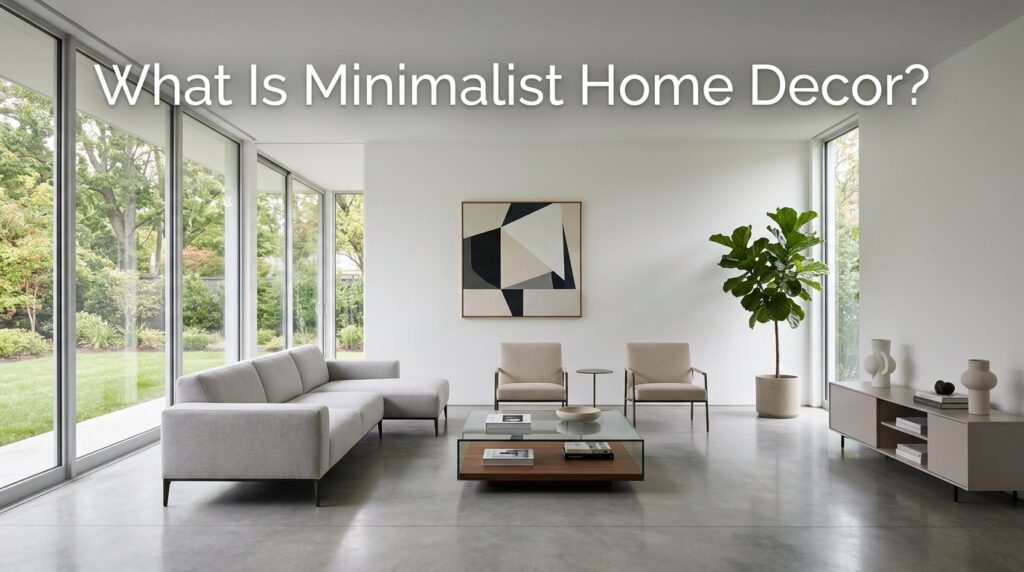
Minimalist home decor is a design approach that removes unnecessary items and keeps only what serves a purpose or brings genuine value. It is built on the idea that a simplified space creates a simplified, more peaceful mind.
Core Philosophy Behind Minimalism
The core philosophy of minimalism revolves around the idea of “less is more.” Instead of filling rooms with decorative objects, minimalist design highlights a few carefully chosen pieces. Every item in the room is expected to serve a function or hold real meaning, which naturally reduces clutter and visual noise.
Why Minimalism Is Trending Today
Modern lifestyles are busier and more digitally overwhelming than ever, which is pushing people toward simpler physical environments.
Many homeowners are downsizing or living in smaller apartments, making efficient and clutter-free design more practical. Social media has also popularized clean, aesthetic interiors, encouraging more people to adopt minimalist principles at home.
Key Benefits of Minimalist Home Decor Essentials
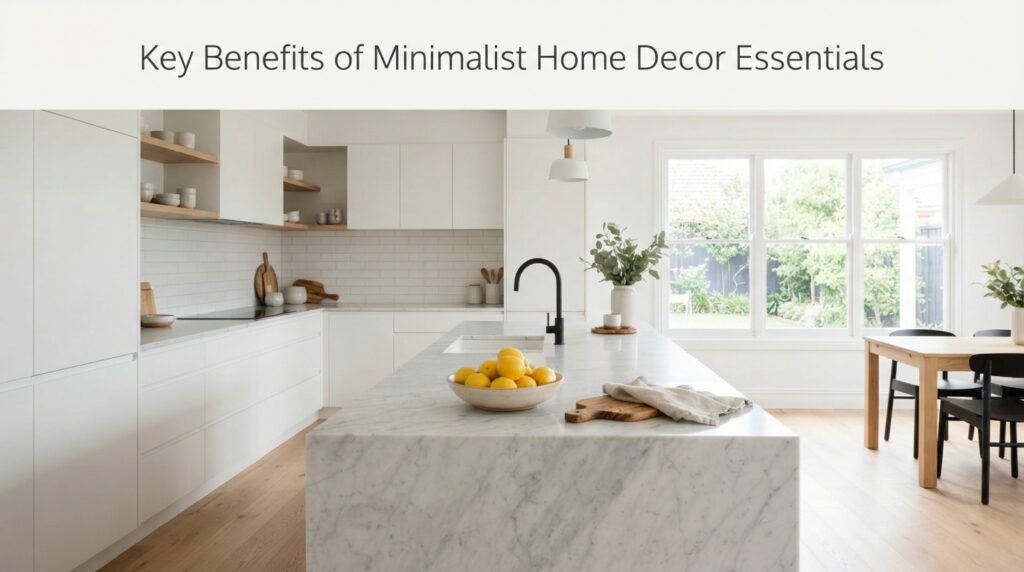
Adopting minimalist home decor essentials offers benefits that go beyond appearance, touching daily habits, budgeting, and even mental wellbeing. These advantages make minimalism a practical lifestyle choice rather than just a passing design trend.
Mental Clarity and Reduced Stress
A cluttered home can quietly contribute to feelings of stress and mental fatigue over time. Minimalist spaces reduce visual distractions, helping the mind feel calmer and more focused. Many people report better sleep and improved concentration after simplifying their living environment.
Cost and Time Savings
Buying fewer, higher-quality items means spending less money on constant replacements or trendy decor pieces. Cleaning also becomes faster and easier because there are fewer surfaces cluttered with objects. Over time, this approach saves both money and the daily time spent maintaining a home.
Color Palette Essentials
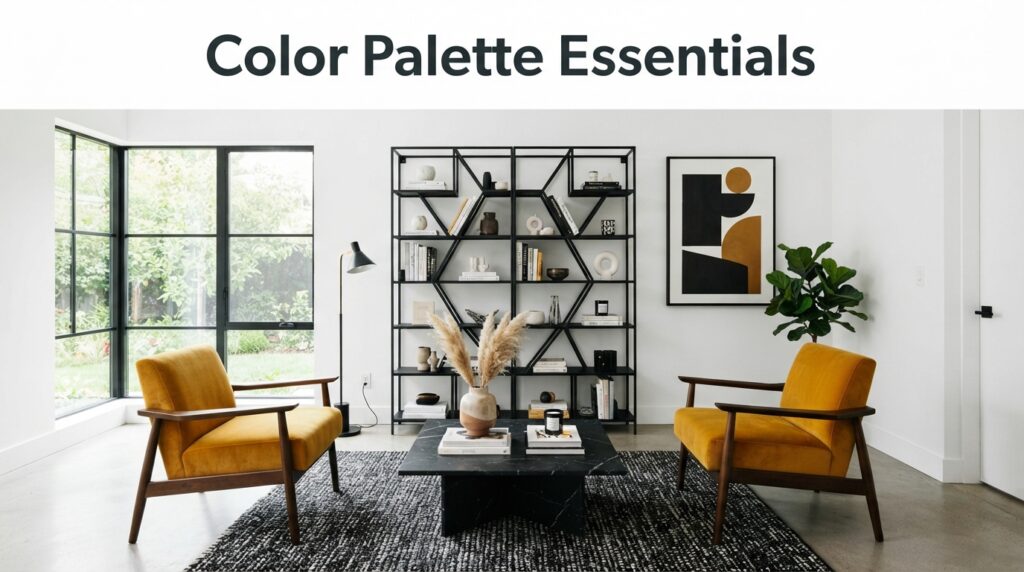
The color palette is one of the most defining minimalist home decor essentials, setting the tone for the entire home. Neutral and muted colors dominate this style, creating a sense of openness and calm.
Neutral Base Tones
White, beige, soft gray, and off-white shades form the foundation of most minimalist interiors. These tones reflect natural light well, making rooms feel more spacious and airy. They also serve as a flexible backdrop that pairs easily with different furniture styles.
Using Accent Colors Sparingly
While neutrals dominate, one or two muted accent colors can be added for subtle warmth. Soft sage green, terracotta, or dusty blue are popular choices used in cushions or a single wall. The key is restraint, since too many accent colors quickly break the minimalist feel.
Furniture Essentials
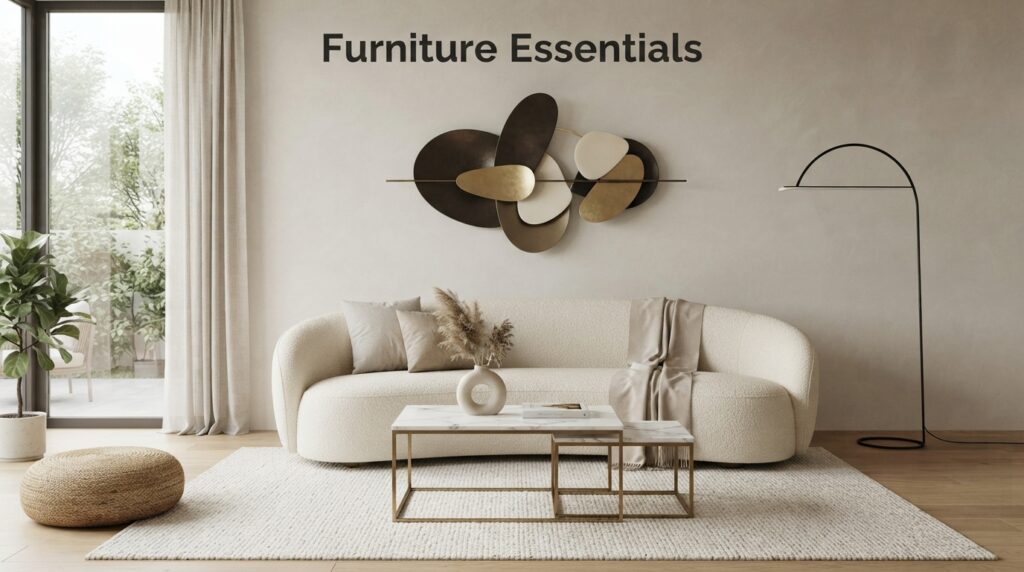
Furniture selection plays a major role among minimalist home decor essentials because pieces should be both functional and visually simple. Every furniture item should earn its place through daily usefulness.
Simple and Functional Pieces
Furniture with clean lines, minimal detailing, and practical use is preferred over ornate or bulky designs. Multi-functional pieces, such as storage ottomans or extendable tables, are especially valuable in smaller homes. This approach reduces the number of items needed while maintaining full functionality.
Choosing the Right Materials
Natural materials like wood, metal, and glass are commonly used because they age well and feel authentic. These materials also tend to blend naturally with neutral color palettes. Avoiding synthetic, overly shiny, or heavily patterned materials keeps the look consistent and timeless.
Lighting Essentials
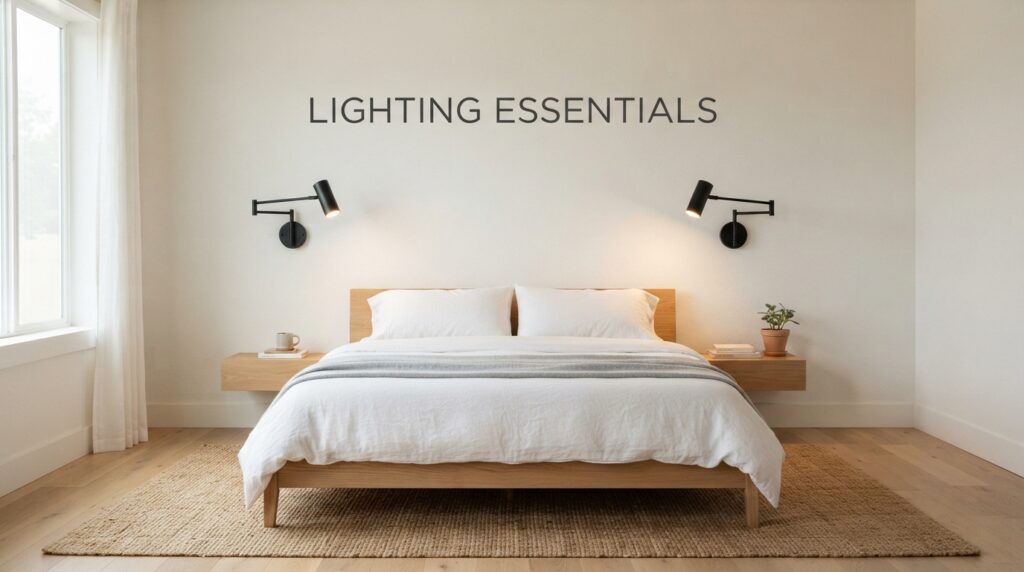
Lighting is often overlooked, yet it remains one of the most important minimalist home decor essentials for creating warmth in a simple space. Good lighting design balances function with a clean visual appearance.
Prioritizing Natural Light
Large windows left uncovered or dressed with sheer curtains allow maximum daylight into a room. Natural light enhances neutral color palettes and makes spaces feel larger than they actually are. Positioning furniture to avoid blocking windows is a simple but effective minimalist technique.
Simple Statement Fixtures
Instead of multiple small lights, minimalist homes often feature one well-designed pendant light or floor lamp as a focal point. These fixtures usually have clean geometric shapes without excessive detailing. A single well-placed light can add character to a room without disrupting its simplicity.
Storage and Organization
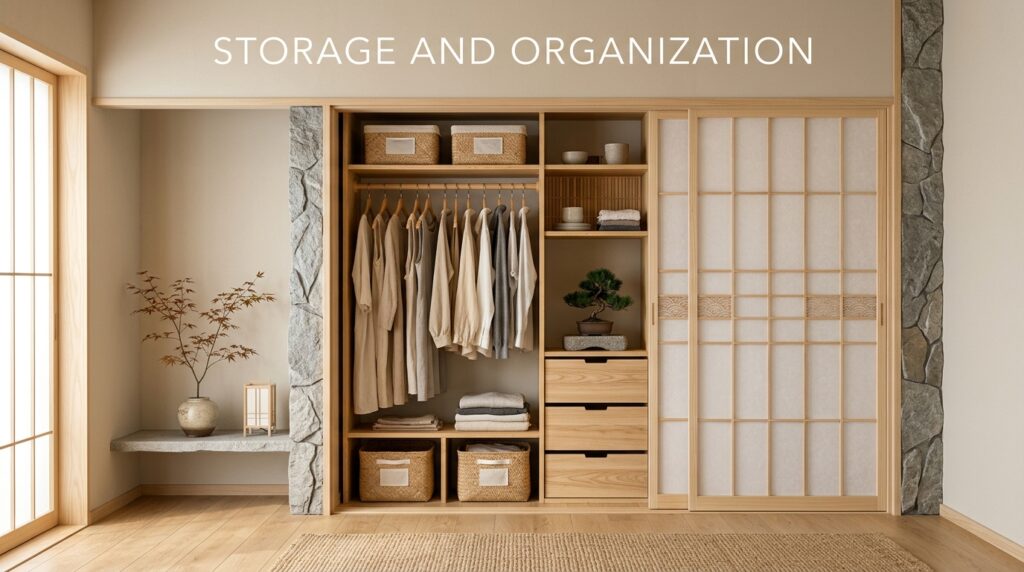
Effective storage is central to minimalist home decor essentials since it keeps surfaces clear and rooms visually calm. Without proper storage systems, even minimal furniture can start to look cluttered.
Hidden and Built-In Storage
Cabinets, drawers, and closed shelving units help keep everyday items out of sight. Built-in storage solutions, such as under-bed drawers, maximize space without adding visual clutter. This keeps rooms looking tidy even when they are actively used.
The One In One Out Rule
A simple but effective decluttering method is removing one item every time a new one is brought into the home. This habit naturally prevents possessions from accumulating over time. It also encourages more thoughtful purchasing decisions before buying new items.
Textures, Materials, and Wall Decor
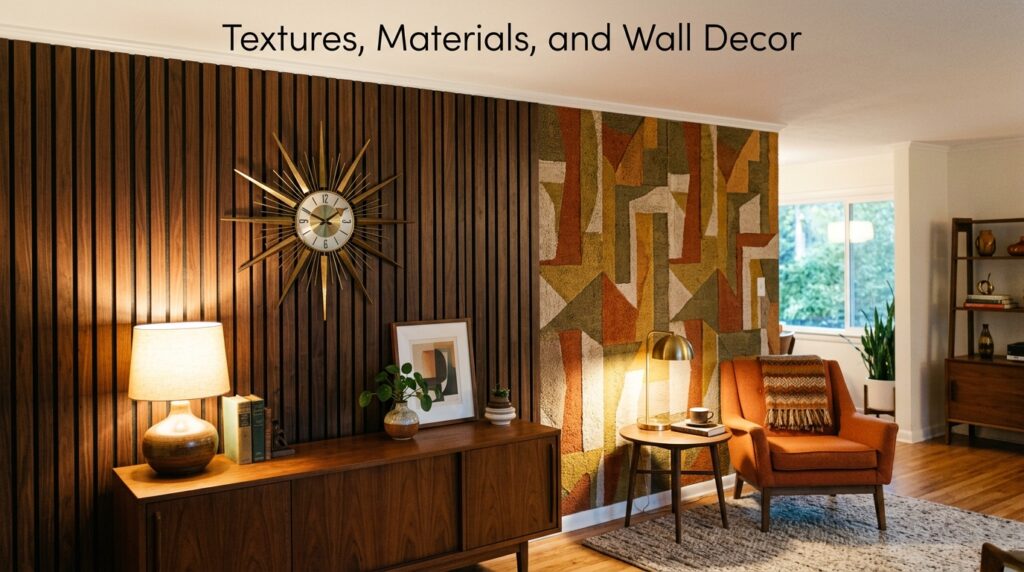
Textures and wall decor add warmth to minimalist home decor essentials without introducing unnecessary clutter. This is where subtle personality can be added to an otherwise simple space.
Natural Textures for Warmth
Linen, cotton, wool, and jute are popular materials used in cushions, throws, and rugs. These natural textures add depth and comfort to a room while staying within a neutral palette. Layering two or three textures is usually enough to avoid a flat or cold appearance.
Minimal Wall Art Choices
Instead of covering walls with multiple small frames, minimalist homes often choose one or two large, meaningful art pieces. Blank wall space is treated as an intentional design choice rather than something that needs to be filled. Mirrors are also commonly used to enhance light and create a sense of depth.
Room-by-Room Application
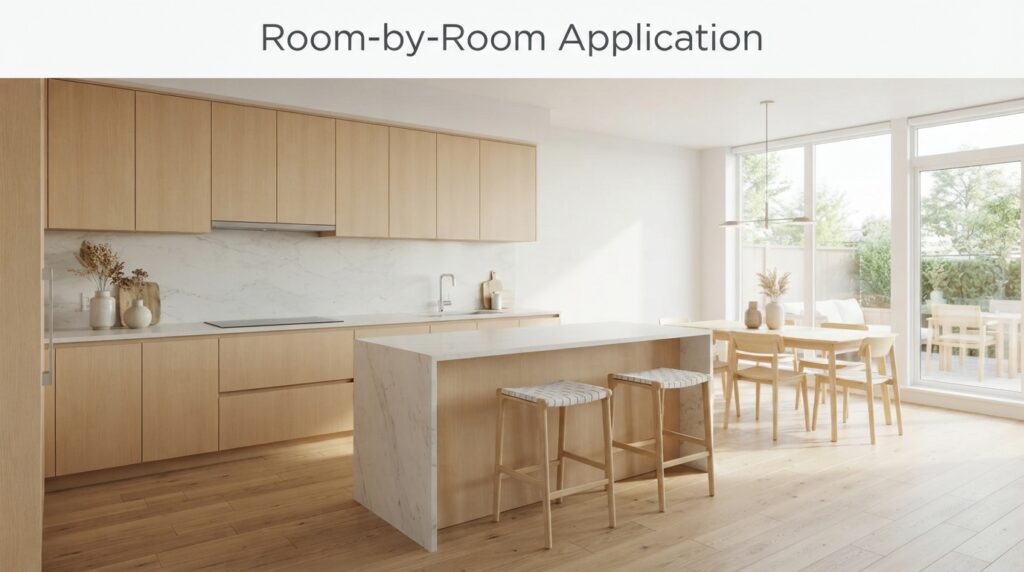
Minimalist home decor essentials can be applied differently depending on the room, though the underlying principles remain the same throughout the house.
| Room | Key Minimalist Essentials |
| Living Room | Neutral sofa, one statement light, minimal wall art |
| Bedroom | Simple bed frame, hidden storage, soft neutral bedding |
| Kitchen | Closed cabinetry, clutter-free counters, functional tools only |
| Bathroom | Matching neutral accessories, hidden storage, simple fixtures |
| Home Office | Clean desk, minimal decor, effective cable management |
Living Room and Bedroom Essentials
In the living room, a neutral sofa paired with one or two accent cushions keeps the space simple yet inviting. Bedrooms benefit from a simple bed frame and soft, breathable bedding in muted tones. Both rooms should avoid excessive decorative accessories that compete for attention.
Kitchen and Bathroom Essentials
Kitchens work best with closed cabinetry that hides appliances and utensils from view. Bathrooms should focus on matching, simple accessories and hidden storage for toiletries. In both spaces, keeping countertops clear is one of the most effective minimalist habits.
Common Mistakes to Avoid
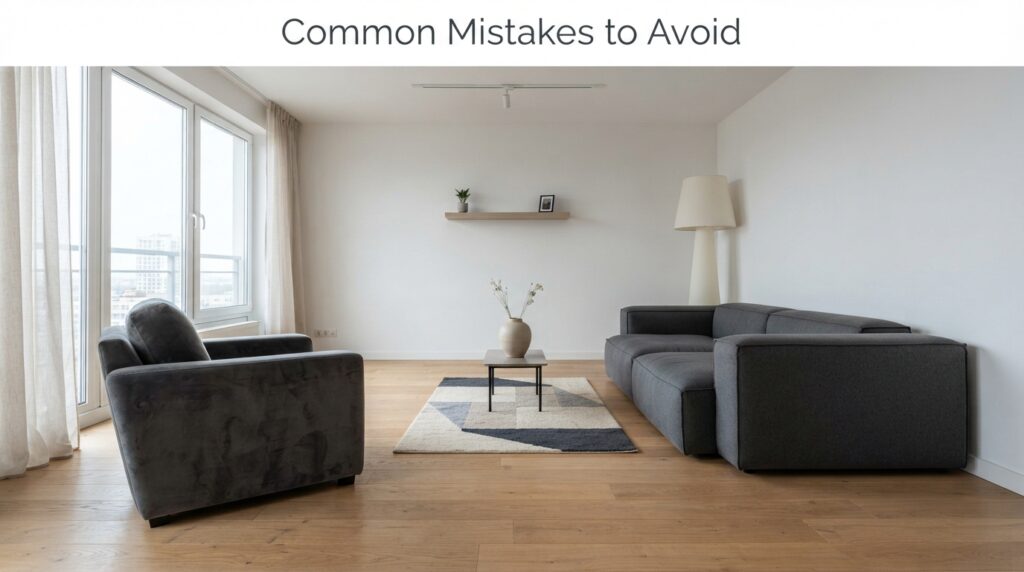
Even with good intentions, homeowners often misunderstand certain minimalist home decor essentials, leading to spaces that feel unfinished rather than calm.
Confusing Empty With Minimal
Minimalism is not about leaving rooms completely empty or cold. It is about intentional choices, where every item serves a purpose or adds genuine value. A truly minimalist room should still feel warm and lived-in, not bare.
Ignoring Comfort for Style
Some homeowners focus too heavily on aesthetics and forget that furniture still needs to be comfortable and practical. A visually simple sofa that is uncomfortable defeats the purpose of good design. Comfort and functionality should always guide style choices, not the other way around.
Budget-Friendly Minimalist Decor Tips
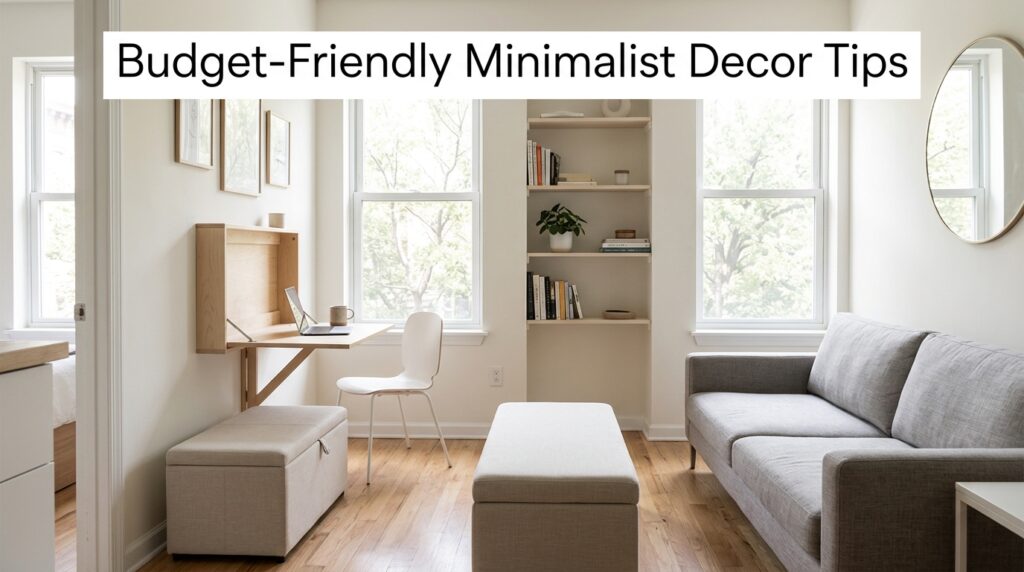
Minimalist home decor essentials do not have to be expensive, and many budget-friendly approaches can achieve the same calm, clean aesthetic.
Thrifting and DIY Options
Secondhand furniture stores often carry simple, well-made pieces at a fraction of retail prices. Repainting or reupholstering old furniture in neutral tones is an affordable way to match the minimalist aesthetic. DIY shelving or simple wooden decor pieces can also reduce overall costs significantly.
Smart and Intentional Shopping
Creating a checklist before shopping helps avoid impulse purchases that do not fit the overall design. Choosing versatile, neutral pieces ensures they will match future decor changes as well. Waiting before making a purchase often helps distinguish genuine needs from temporary wants.
How Minimalist Style Compares to Other Decor Approaches
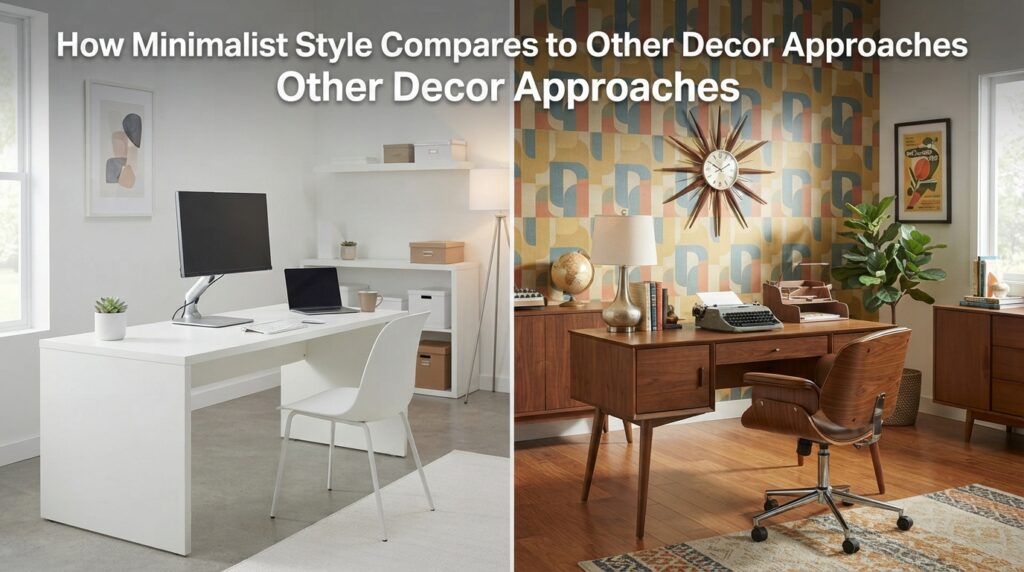
Compared to traditional or maximalist decor styles, minimalism generally requires a smaller upfront investment in decorative items but focuses more on quality furniture pieces.
Maximalist interiors rely on layered patterns, bold colors, and abundant accessories, while minimalist homes rely on restraint and negative space. Neither approach is inherently better, but minimalist home decor essentials tend to suit smaller spaces, busier lifestyles, and those seeking easier long-term maintenance.
Frequently Asked Questions
Is minimalist decor expensive?
Minimalist decor can actually be more affordable since it focuses on fewer, well-chosen items rather than constant purchases.
Does minimalist decor work in small apartments?
Yes, minimalist home decor essentials are especially effective in small spaces since they create a sense of openness and reduce visual clutter.
Can minimalist homes still feel warm and cozy?
Absolutely, using natural textures, soft lighting, and thoughtful accent pieces keeps minimalist spaces warm rather than cold or empty.
Conclusion
Minimalist home decor essentials offer a practical and calming approach to designing any living space.
By focusing on neutral colors, functional furniture, smart storage, and intentional decor choices, homeowners can create rooms that feel both simple and inviting. This style proves that a beautiful home does not require excess, but rather thoughtful, purposeful design choices.