Wall Art in 3D: A Complete Guide to Dimensional Home Decor
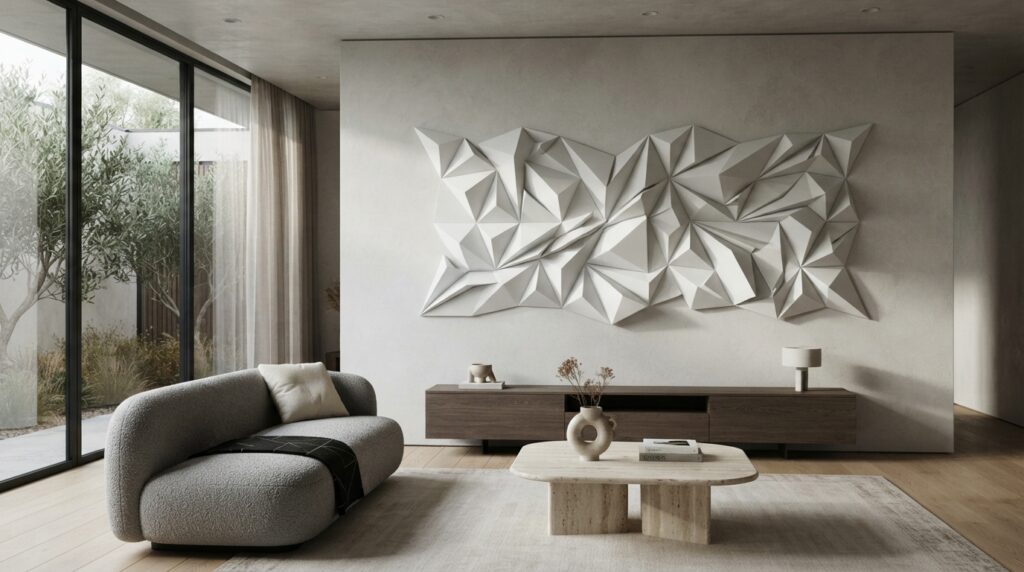
Wall art in 3d has become one of the most popular ways to transform plain walls into striking visual statements. Unlike flat paintings or prints, this style uses depth, texture and shadow to create a sculptural effect that instantly draws attention.
Homeowners, interior designers and DIY enthusiasts are choosing this decor style because it adds personality without requiring a full renovation. From geometric panels to nature-inspired sculptures, there is a design suited to every taste and budget. This guide breaks down everything you need to know before bringing dimensional art into your space.
Many existing guides online only list a few product types without explaining materials, placement or maintenance in detail. This article fills those gaps by combining practical buying advice with DIY guidance and current design trends, giving readers a single, complete resource.
What Is 3D Wall Art?
Wall art in 3d refers to decorative pieces that physically extend outward from the wall instead of lying flat. It relies on layers, curves and raised surfaces to create real depth rather than an illusion painted onto a canvas.
Definition of 3D Wall Art
This form of decor is built using materials that can hold shape, such as wood, metal or resin. Each piece is designed so that light naturally falls across its surface, creating shifting shadows throughout the day. This makes the artwork feel alive rather than static, which is the main reason it stands out on a wall.
How It Differs From 2D Wall Art
Traditional 2D art is printed or painted on a flat surface and viewed from a single angle. Dimensional pieces, on the other hand, change appearance depending on where you stand or how the room is lit. This interactive quality gives the space a more dynamic, gallery-like feel compared to standard framed prints.
Types of 3D Wall Art
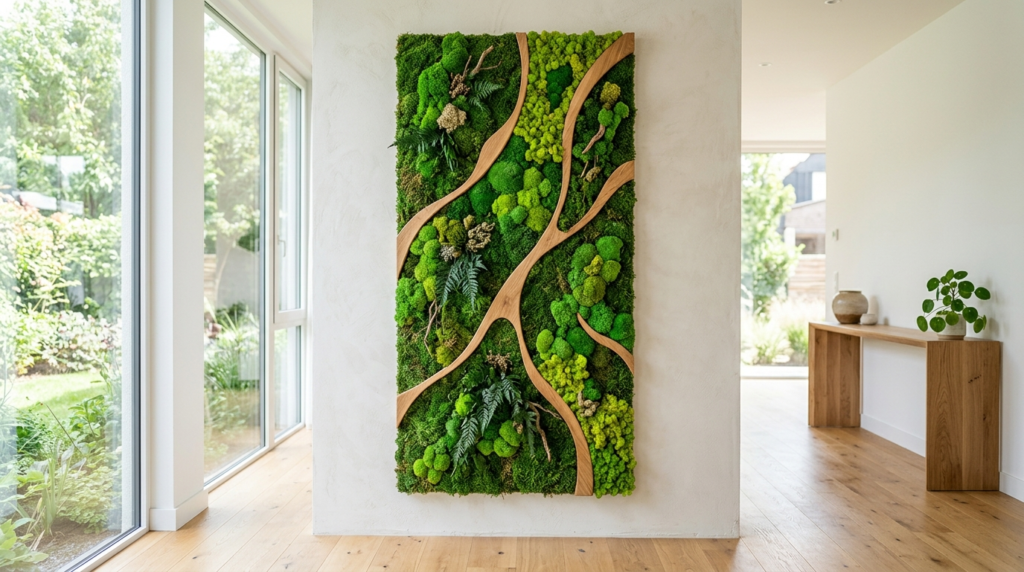
There are many styles of wall art in 3d available today, ranging from sharp geometric shapes to soft floral sculptures. Choosing the right type depends on the existing decor theme and the mood you want the room to convey.
Geometric and Abstract Panels
Geometric designs use repeating shapes like triangles, hexagons or waves to create a modern, structured look. Abstract sculptural panels take this further with irregular, artistic forms that work well as a bold centerpiece. Both styles suit contemporary and minimalist interiors particularly well.
Floral and Nature-Inspired Pieces
Botanical designs featuring leaves, flowers or branches bring a calming, organic feel into a room. These pieces are often crafted from wood or metal and painted in natural tones. They pair beautifully with earthy color palettes and softer, cozier interior styles.
Metal and Wooden Wall Art
Metal pieces, often made from iron or copper, offer a sleek and durable option with a slightly industrial edge. Wooden wall art, carved or layered into shapes, brings warmth and a rustic charm. Both materials are long-lasting and suit a wide range of decor themes.
Resin, Paper and Mixed Media Art
Resin and acrylic pieces allow for smooth, glossy finishes and creative light effects. Paper-based art, including origami-inspired designs, offers a lightweight and budget-friendly alternative. Mixed media combines several materials together for a truly one-of-a-kind sculptural piece.
Materials Used in 3D Wall Art
The material chosen affects durability, weight and overall style, so understanding the options helps in making a better purchase decision. Below is a simple comparison of common materials used in dimensional wall pieces.
| Material | Durability | Best Suited For |
| Wood | High | Rustic, warm interiors |
| Metal | Very High | Modern, industrial spaces |
| Resin/Acrylic | Medium | Contemporary, glossy themes |
| Paper | Low | Budget-friendly, temporary decor |
| Plaster/Ceramic | Medium-High | Classic, textured walls |
Wood and Metal
Wood is favored for its natural texture and ability to be carved into intricate patterns, making it ideal for warm, traditional spaces. Metal is chosen when a sleeker, more permanent finish is needed, since it resists wear and holds fine detail exceptionally well.
Resin, Plaster and Eco-Friendly Options
Resin allows designers to experiment with transparency and color layering, giving pieces a modern glass-like appearance. Plaster offers a more classic, hand-finished texture. Increasingly, eco-friendly materials such as recycled wood or biodegradable resin are being used to reduce environmental impact.
Benefits of 3D Wall Art
Choosing wall art in 3d over flat prints offers several practical and aesthetic advantages that make it worth the investment. It elevates a room’s character while requiring minimal ongoing effort.
Adds Depth, Texture and Focal Points
Because these pieces cast real shadows, they add visual depth that flat art simply cannot achieve. A single well-placed sculpture can become the natural focal point of a room, drawing the eye immediately upon entry.
Works With Lighting and Interior Styles
Dimensional art interacts beautifully with both natural sunlight and artificial lighting, changing its appearance throughout the day. It also adapts easily across interior styles, from minimalist to bohemian, making it a versatile long-term decor choice.
How to Choose the Right 3D Wall Art
Selecting the right piece involves more than just picking a design you like visually. Size, color and placement all need to work together with the existing room layout.
Matching Style, Size and Color
The artwork should complement the room’s existing color scheme rather than clash with it. Oversized pieces work well on large, empty walls, while smaller or modular designs suit tighter spaces. Neutral tones tend to blend easily into most interiors.
Budget and Wall Space Considerations
Handmade or metal pieces typically cost more due to material and labor, while paper or resin options are more affordable. Before buying, measure the wall space carefully to avoid choosing artwork that overwhelms or underfills the area.
Best Rooms for 3D Wall Art
Certain rooms benefit more noticeably from dimensional decor because of their layout, lighting or purpose. Identifying the right room helps maximize the visual impact of the piece.
Living Room and Bedroom
The living room is the most common choice since it is usually the first space guests see, making a bold sculptural piece highly effective above a sofa or fireplace. In bedrooms, softer floral or abstract designs above the headboard create a relaxing atmosphere.
Hallways, Offices and Outdoor Spaces
Hallways and staircases benefit from smaller modular pieces arranged in a sequence, guiding the eye along the walk. Offices can use geometric designs for a professional touch, while weather-resistant metal pieces work well on covered outdoor walls or patios.
DIY 3D Wall Art Ideas
For those who enjoy hands-on projects, creating dimensional wall art at home is both affordable and rewarding. Simple materials found around the house can be transformed into impressive decor.
Simple Beginner Projects
Paper quilling, folded cardboard shapes and painted wooden offcuts are excellent starting points for beginners. These projects require minimal tools and can be completed within a single afternoon, making them ideal for a first attempt.
Tools and Materials Needed
Basic supplies include a hot glue gun, craft knife, sandpaper and acrylic paint, depending on the chosen material. Having a measuring tape and level on hand also ensures the finished piece is mounted evenly and looks professional once installed.
Installation and Care Tips
Proper installation ensures the artwork stays secure and looks its best for years. Maintenance requirements vary slightly depending on the material used.
Hanging It Safely
Heavier pieces, particularly metal or resin, should be mounted using wall anchors rated for their weight rather than simple nails. For drywall, locating a stud whenever possible provides additional support and prevents the piece from loosening over time.
Cleaning and Maintenance
Dust should be removed regularly using a soft brush or microfiber cloth to prevent buildup in the crevices. Wooden pieces may need occasional polishing, while metal and resin art typically only require a gentle wipe-down with a damp cloth.
Latest Trends in 3D Wall Art
Design preferences shift over time, and current trends reflect a growing interest in sustainability and technology integration alongside classic craftsmanship.
Minimalist and Sustainable Designs
Clean, simple geometric shapes in neutral tones remain popular for minimalist interiors. At the same time, more buyers are seeking pieces made from recycled or sustainably sourced materials, reflecting broader eco-conscious buying habits.
Smart and LED-Integrated Art
A newer trend involves embedding subtle LED lighting within the artwork itself, enhancing the shadow and depth effect after dark. These smart pieces are especially popular in living rooms and entryways where ambient lighting is valued.
Frequently Asked Questions
Is 3D wall art expensive?
Prices vary widely depending on material and size, with paper designs being budget-friendly and handcrafted metal pieces costing significantly more.
Can I make 3D wall art at home?
Yes, simple designs using paper, cardboard or wood are achievable with basic tools and beginner-level skill.
Does it need special maintenance?
Most pieces only need occasional dusting, though wooden art may require light polishing every few months.
What wall type is best suited for it?
Drywall with proper anchors and solid concrete walls both work well, provided the mounting hardware matches the piece’s weight.
Conclusion
Wall art in 3d offers a creative, lasting way to enhance any room through depth, texture and thoughtful material choices. Whether purchased ready-made or crafted through a DIY project, selecting the right style, size and placement ensures the piece becomes a lasting highlight of the home.
Related Articles
Hometown Furniture and Decor: Complete Buying Guide, Locations & Financing
How to Furnish a Small Apartment: A Complete Room-by-Room Guide
Dining Room Wall Art: The Ultimate Guide to Transform Your Space