Big Bedroom Ideas: How to Design, Furnish, and Style a Spacious Room
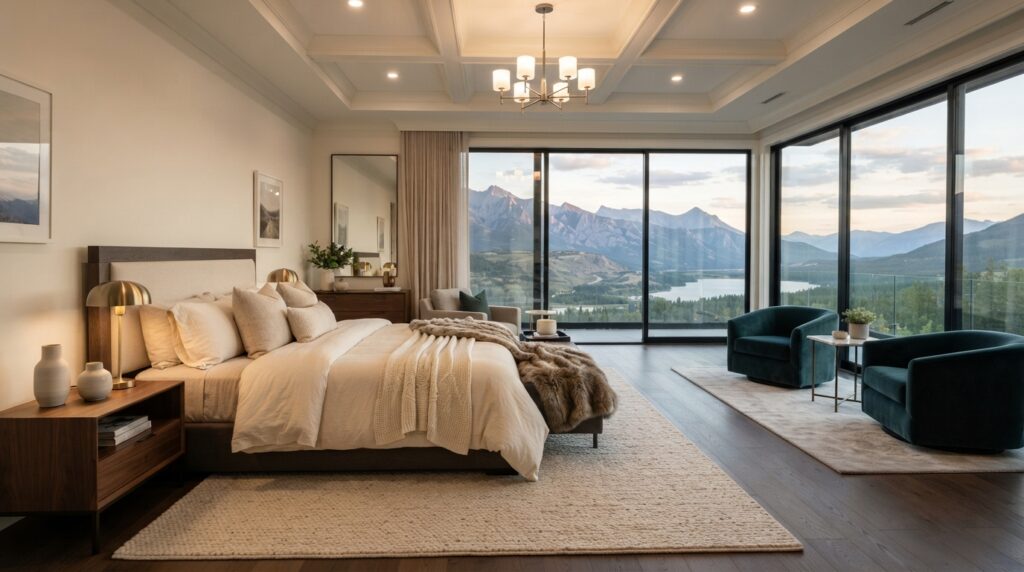
A big bedroom offers more freedom than a standard-sized room, but that freedom can quickly turn into an empty or cluttered space if it isn’t planned properly. Many homeowners struggle to fill a large bedroom without making it feel cold or overly busy.
This guide walks through layout planning, furniture choices, lighting, colour schemes, and styling tips so your big bedroom feels warm, balanced, and purposeful. Whether you’re furnishing a new primary suite or redesigning an existing large room, these ideas will help you use every corner wisely.
What Is Considered a Big Bedroom?
There’s no single fixed number that defines a big bedroom, since sizes vary by home and region. Generally, anything noticeably larger than the standard bedroom size falls into this category.
Average Bedroom Size
A typical bedroom in most homes ranges between 120 and 200 square feet. This size comfortably fits a bed, a small dresser, and a nightstand or two. Anything above this range starts to feel spacious enough for extra furniture.
Large Bedroom Size Range
A big bedroom usually starts around 250 square feet and can extend well beyond 400 square feet in primary suites. At this size, homeowners can add seating, a desk, or a dedicated dressing area without the room feeling cramped.
Common Challenges With Large Bedrooms
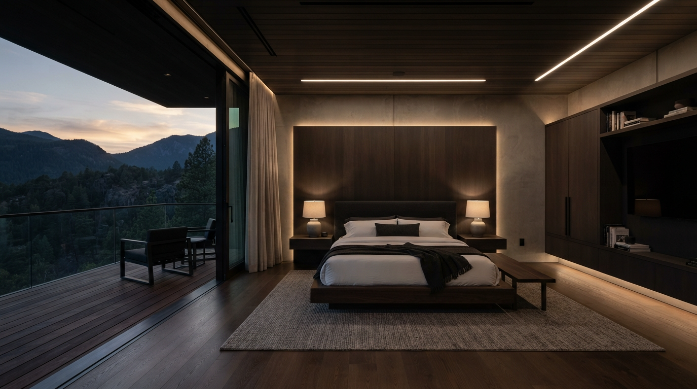
Extra space sounds like an advantage, but it often creates design problems that smaller rooms never face. Below are the most common issues people run into.
Feeling Empty or Uncozy
Large rooms can feel cold and impersonal if furniture is too sparse. Without enough visual warmth, the room loses the relaxing quality a bedroom should have. Layered textiles and grouped furniture help solve this.
Awkward Furniture Placement
Pushing everything against the walls is a common mistake that leaves the centre of the room feeling hollow. Furniture placed with intention, sometimes floating away from walls, creates a more balanced and lived-in feel.
Difficulty Zoning the Space
Without clear zones, a big bedroom can feel like one large, undefined area rather than a functional room. Splitting the space into purposeful sections makes it easier to use and easier to decorate.
How to Plan the Layout
A strong layout is the foundation of any successful big bedroom design. Getting this step right makes every later decision easier.
Measuring the Room and Mapping Zones
Start by measuring the full room and sketching a rough floor plan, even a simple one on paper. This helps identify where the bed, seating, and storage will naturally fit without guesswork later.
Placing the Bed as the Focal Point
The bed should usually be centred against the strongest wall, ideally away from doors and windows. Once the bed is positioned, the rest of the furniture can be arranged around it for balance.
Traffic Flow and Walkway Spacing
Leave at least two to three feet of walking space around major furniture pieces. Good flow prevents a big bedroom from feeling obstructed, even when it’s filled with multiple furniture zones.
Zoning a Big Bedroom Into Functional Areas
Dividing a large bedroom into smaller functional zones is one of the most effective ways to make the space feel intentional rather than empty.
| Zone | Purpose | Suggested Furniture |
| Sleeping zone | Core rest area | Bed, nightstands, bench |
| Seating/lounge | Relaxing or reading | Armchair, small sofa, side table |
| Home office corner | Work or study | Desk, chair, shelving |
| Dressing/vanity area | Getting ready | Vanity table, mirror, stool |
| Fitness corner | Light exercise | Yoga mat storage, small equipment |
Each zone doesn’t need to be large; even a small reading nook or vanity corner adds purpose to a big bedroom without overcrowding it.
Furniture Ideas for Big Bedrooms
Choosing furniture that matches the scale of a big bedroom is essential, since undersized pieces can make the room look unfinished.
- Oversized or king-size bed as the central anchor
- A bench or ottoman placed at the foot of the bed
- One or two armchairs for a small seating corner
- A full-sized dresser paired with a separate wardrobe
- Accent tables to fill gaps between furniture groupings
Selecting furniture that’s proportionate to the room prevents the space from looking sparse or disorganised.
Color Schemes and Wall Treatments
Colour choice plays a major role in how a big bedroom feels day to day, influencing warmth, mood, and perceived cosiness.
Warm vs Cool Palettes
Warm tones like terracotta, soft beige, or muted browns help large rooms feel inviting rather than clinical. Cool tones such as sage or soft blue can still work well if paired with warm textures like wood and wool.
Accent Walls and Texture
An accent wall behind the bed adds depth and breaks up the visual size of a big bedroom. Textured finishes, wood panelling, or wallpaper also add character without requiring extra furniture.
Lighting Ideas
Lighting needs to do more work in a big bedroom, since a single overhead fixture rarely lights the entire space evenly.
Layered Lighting
Combining ambient, task, and accent lighting ensures every zone of the room is properly lit. This layered approach also makes the room feel warmer in the evening.
Statement Fixtures and Bedside Lighting
A chandelier or pendant light adds a focal point overhead, while bedside lamps or wall sconces support reading and relaxing. Together, these layers prevent the room from feeling flat or under-lit.
Rugs, Flooring, and Textiles
Soft furnishings help ground a big bedroom, especially when floors are hard or the room feels visually empty.
Choosing the Right Rug Size
A rug that’s too small will make furniture look like it’s floating disconnected from the rest of the room. In a big bedroom, the rug should extend under at least the front legs of the bed and nearby furniture.
Curtains and Layered Textiles
Floor-length curtains add height and softness to large windows common in big bedrooms. Throws, cushions, and layered bedding also add warmth without requiring additional furniture pieces.
Storage Solutions
More floor space often means more opportunity for smart, built-in storage rather than freestanding clutter.
Built-In Wardrobes and Walk-In Closets
A dedicated closet area keeps clothing organised and out of sight, which is especially useful in a big bedroom used for multiple purposes. This also frees up wall space for other furniture.
Multi-Functional Storage Furniture
Under-bed drawers, storage benches, and ottomans with hidden compartments add function without taking up extra floor space. These pieces work well in secondary zones like the seating or reading corner.
Decor and Styling Tips
Thoughtful decor ties every element of a big bedroom together and prevents the space from feeling generic.
Artwork and Mirrors
Large-scale artwork suits the proportions of a big bedroom better than several small pieces scattered around. Mirrors placed opposite windows also help bounce natural light across the room.
Plants and Personal Touches
Adding a few larger plants fills empty corners naturally while improving air quality. Personal items like books, framed photos, or travel finds make the space feel lived-in rather than staged.
Design Styles to Consider
Different design styles suit different lifestyles, and choosing one early makes furniture and colour decisions much easier.
| Style | Key Features | Best For |
| Minimalist | Clean lines, neutral tones | Those who prefer simplicity |
| Cozy/Rustic | Wood tones, warm textures | Homeowners wanting warmth |
| Modern Luxury | Bold colours, statement pieces | Those who enjoy a refined look |
| Scandinavian | Light woods, soft neutrals | Fans of airy, functional spaces |
Common Mistakes to Avoid
Even with good intentions, a few recurring mistakes tend to undermine big bedroom designs.
Ignoring Furniture Scale
Small furniture in a large room looks lost and makes the space feel emptier than it is. Choosing appropriately sized pieces keeps the proportions balanced.
Skipping a Rug or Proper Lighting
Bare floors and a single ceiling light are common oversights in big bedrooms. Both choices leave the room feeling incomplete, no matter how nice the furniture is.
Budget-Friendly Tips for Filling a Big Bedroom
A big bedroom doesn’t require an unlimited budget to feel complete; a few smart choices go a long way.
Where to Save
Textiles like cushions, throws, and curtains are affordable ways to add warmth without spending on new furniture. Secondhand or refurbished accent pieces also work well for filling extra space.
Where to Splurge
Investing in a quality bed frame and mattress makes the most sense, since it’s the room’s focal point and most-used item. Good lighting fixtures are also worth the extra spend, as they affect the entire room’s atmosphere.
FAQs
What size counts as a big bedroom?
Most designers consider anything above 250 square feet a big bedroom, though this varies by home and region.
How do I stop a big bedroom from feeling empty?
Zoning the space into functional areas and layering textiles, rugs, and lighting are the most effective fixes.
Is a rug necessary in a big bedroom?
Yes, a properly sized rug helps ground the furniture and prevents the floor from looking bare.
Conclusion
A big bedroom truly comes together when the space is divided into clear functional zones instead of being left open and undefined. Choosing furniture that matches the room’s scale, layering warm lighting, and adding a properly sized rug all help prevent the space from feeling empty.
Colour choices and textiles play a supporting role in making the room feel cosy rather than cold. Small styling touches like artwork, mirrors, and personal items give the space character and warmth. Starting with the bed as the anchor point makes every other design decision in a big bedroom much easier to plan.
Related Articles
Over Kitchen Cabinet Decorating Ideas: 40+ Budget to Designer Tips (2026)
Kitchen Counter Decor: Ideas by Style, Budget & Kitchen Size
Decor — A Complete, No-Fluff Guide for Every Room
Decor Steals : Affordable Farmhouse & Vintage Home Decor Deals