Cozy Living Room : The Complete Guide to a Warm and Inviting Space
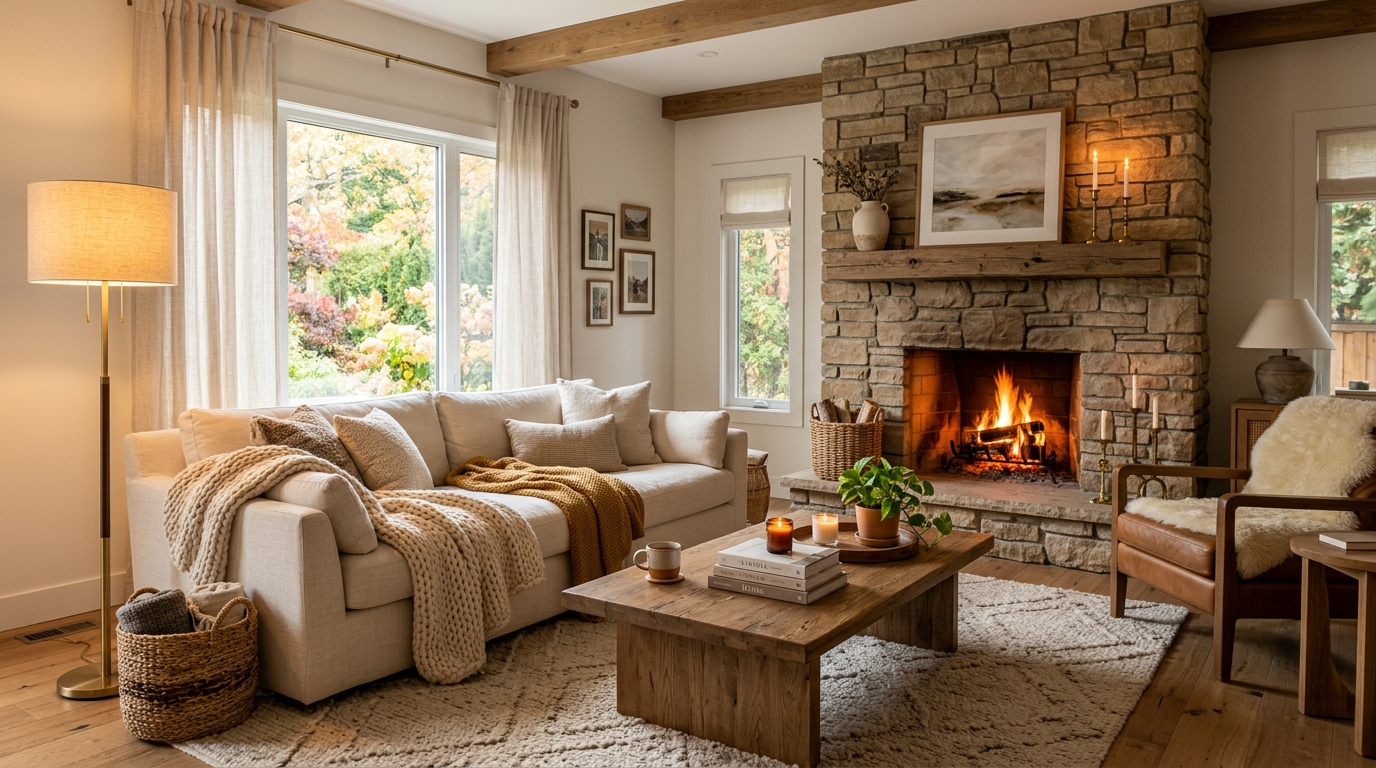
A cozy living room is more than a trend, it is the feeling of walking into a space and instantly wanting to sit down and stay a while. It comes from a mix of comfortable furniture, soft lighting, warm colors, and small personal touches that make a house feel lived in.
Many homeowners struggle because they focus only on decoration and forget that comfort starts with the layout and the materials used in the room.
This guide breaks down every element that goes into designing a cozy living room, from furniture arrangement to budget-friendly upgrades.
Whether you are working with a large open space or a small apartment corner, the same principles apply and can be adjusted to fit your home. By the end of this guide, you will know exactly how to turn any living room into a warm retreat.
What Makes a Living Room Feel Cozy
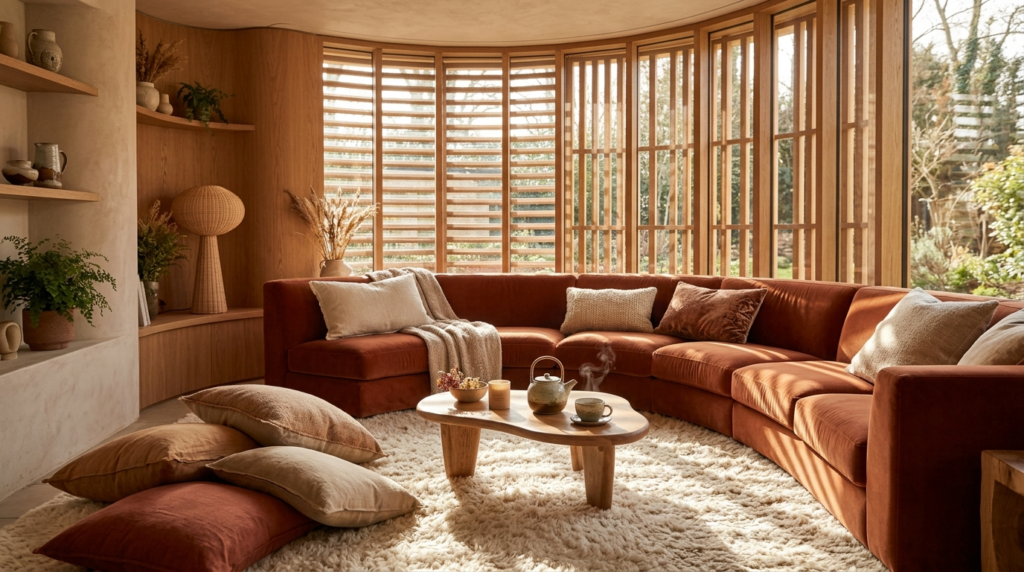
Coziness is not random, it comes from specific design choices that work together to create warmth. The following sections explain the psychology behind cozy spaces and the core elements every warm living room shares.
The Psychology of Coziness
A room feels cozy when it supports connection rather than distance, which is why furniture placement matters as much as decor.
Seating that faces inward encourages conversation and makes a space feel intimate instead of formal. This is why interior designers often say that comfort should be planned before style is even considered.
Key Cozy Elements Every Room Needs
Every warm and inviting living room shares a few common building blocks that work together rather than standing alone. These elements are simple to identify but easy to overlook when decorating a space.
- Comfortable, deep-seated furniture that invites relaxation
- Layered lighting instead of one harsh overhead source
- Warm color tones on walls, textiles, and accessories
- Natural materials such as wood, wool, and cotton
- Personal touches like books, photos, and plants
Layout and Furniture Arrangement for a Cozy Living Room
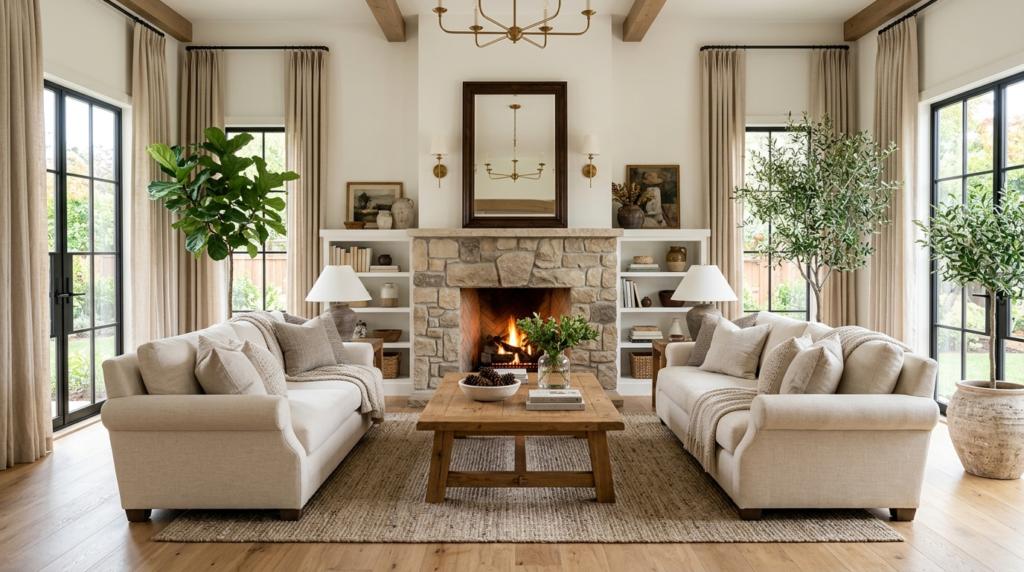
The way furniture is arranged has a bigger impact on coziness than most homeowners realize. Getting the layout right creates a foundation that every other design choice can build on.
Conversational Seating Arrangement
Pulling sofas and chairs a few inches away from the wall instantly makes a room feel more intentional and welcoming.
Arranging seating so it faces inward, such as two sofas across from each other, encourages people to sit and talk rather than scatter around the room. This single layout change is one of the easiest ways to add warmth without spending any money.
Choosing the Right Sofa or Sectional
A deep-seated sofa with a high back gives a room an anchor that feels sturdy and comforting.
Fabrics like velvet, soft cotton, or buttery leather add a tactile warmth that hard, glossy materials cannot match. Choosing a slightly larger sectional than needed also allows guests to sink in and relax during longer visits.
Small Space Layout Tricks
In smaller living rooms, choosing furniture with rounded edges instead of sharp corners helps the space feel softer and less cramped.
Placing a rug under the main seating area visually anchors the layout and makes the room feel more complete.
Multi-purpose furniture, like an ottoman that doubles as storage, keeps small spaces functional without sacrificing comfort.
Designer Tricks to Make a Cozy Living Room Feel Instantly Warm
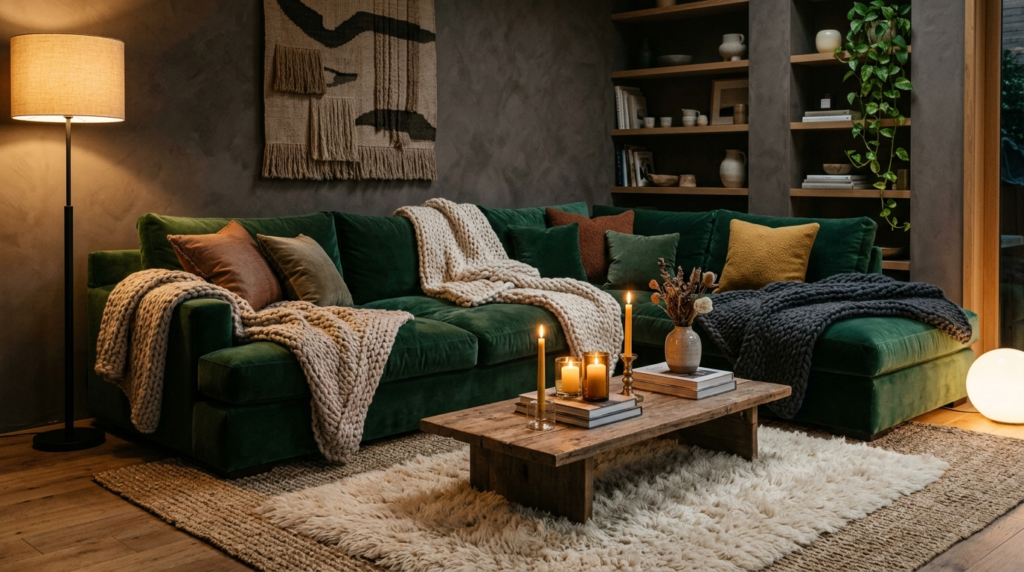
Professional designers rely on a handful of repeatable techniques to add warmth quickly. These tricks focus on texture and layering rather than expensive renovations.
Layering Textures for Warmth
Mixing materials like fur throws, velvet cushions, and knitted blankets creates a tactile richness that flat, single-texture rooms lack.
Even a small amount of texture, such as one textured cushion on a plain sofa, can shift the entire mood of a room. This layering approach is one of the most affordable ways to add a cozy living room feel.
Rugs and Underfoot Comfort
A thick-pile area rug softens hard flooring and adds an immediate sense of comfort underfoot.
Rugs should be sized proportionally to the furniture so the room does not feel visually unbalanced. Layering a smaller patterned rug over a larger neutral one is a popular designer trick for adding depth.
Mixing Patterns Without Overwhelming the Room
Combining two or three patterns, such as a striped cushion with a floral throw, adds personality without creating visual chaos. Keeping a consistent color family across the patterns helps them feel intentional rather than mismatched. This technique works best when one pattern is bold and the others are subtle.
Lighting sets the emotional tone of a room more than almost any other design element. The right mix of light sources can make even a plain room feel warm and welcoming.
Layered Lighting Sources
Relying on a single overhead light often makes a room feel flat and cold, no matter how nice the furniture looks.
Combining floor lamps, table lamps, and ambient wall lighting creates depth and softens harsh shadows. This layered approach is a favorite technique among interior designers for good reason.
Creating a Cozy Reading Corner
A soft floor lamp placed beside a comfortable chair instantly creates a small retreat within the larger room. Adding a throw blanket and a side table for books completes the feel of a private, relaxing nook.
This kind of corner is one of the simplest additions that makes a cozy living room feel personal.
Candles and Fireplace Focal Points
A simple fireplace design paired with candles creates a natural focal point that draws people toward it. Even without a working fireplace, grouping candles on a mantel or console can mimic the same warm glow. This focal point technique gives the room a clear visual anchor.
Best Color Palettes for a Cozy Living Room
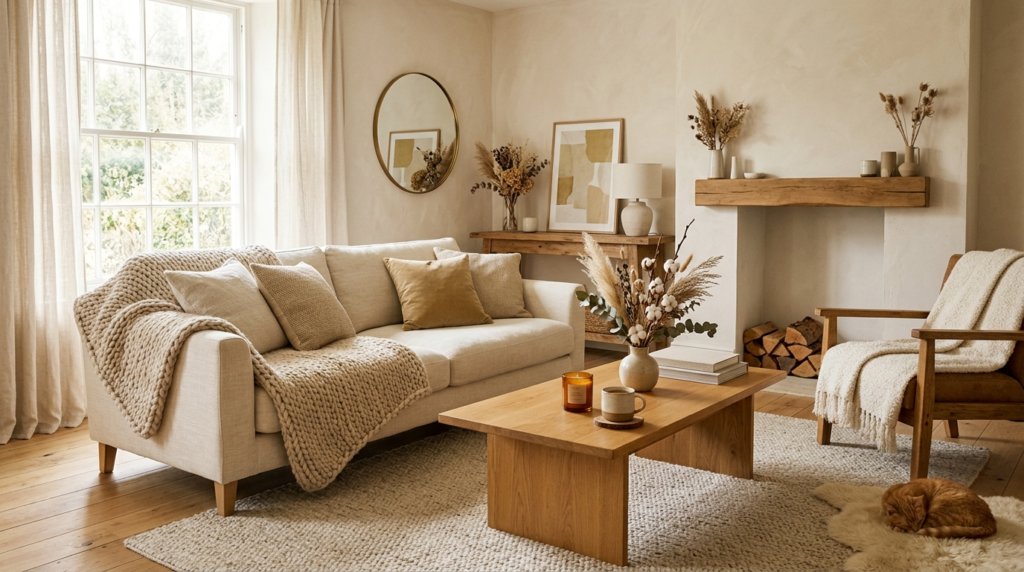
Color choice plays a major role in how warm or cold a space feels, even before furniture is considered. The right palette works with lighting and texture to reinforce the cozy atmosphere.
Warm Neutral Tones
Shades like terracotta, caramel, cream, and beige naturally warm up a room without feeling overwhelming.
These tones work well on walls, sofas, and rugs because they pair easily with wood and natural textures. A warm neutral palette is often the safest starting point for anyone new to designing a cozy living room.
Moody Dark Shades
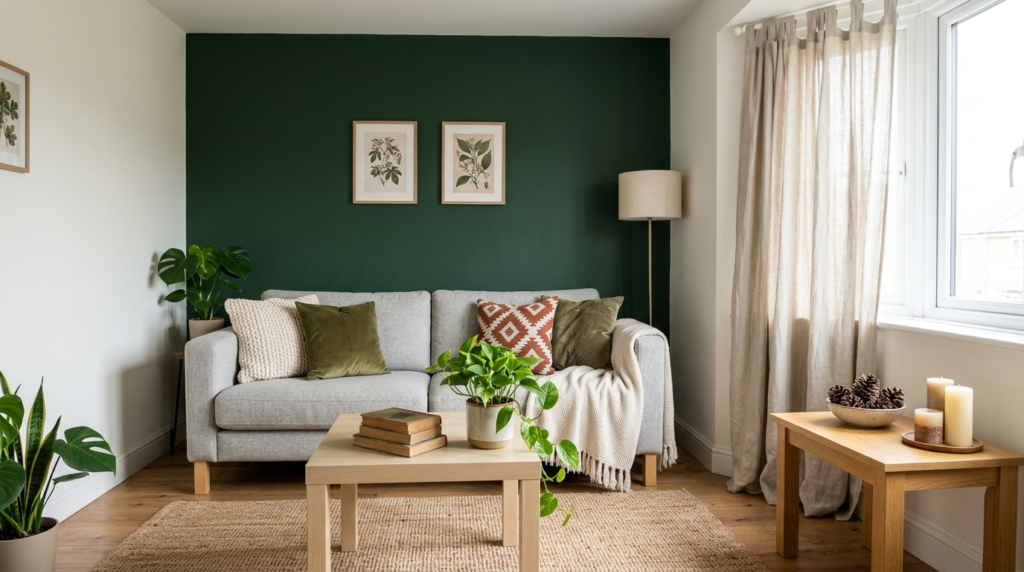
Deep colors like black, navy, or olive green can make a room feel intimate and enveloping rather than cold.
These shades work especially well in rooms with good natural light, where they will not make the space feel too dark. Pairing dark walls with warm wood tones prevents the look from feeling harsh.
Balancing Warm and Cool Tones
A light gray sofa paired with a cream rug and warm wood accents shows how cool and warm tones can coexist. The key is to let one temperature dominate while using the other sparingly as an accent. This balance keeps the room from feeling either too stark or overly heavy.
Budget-Friendly Ways to Create a Cozy Living Room
Creating a cozy living room does not require a full renovation or a large budget. Small, planned purchases at different price points can transform the feel of a space over time.
Under $50 Upgrades
Items like throw pillows, scented candles, and a small throw blanket can noticeably change the mood of a room for very little cost.
These small additions are also easy to swap out seasonally to refresh the space. This price range is the easiest starting point for anyone testing the cozy living room look.
Mid-Range Additions Between $50 and $200
A quality area rug or a floor lamp in this range can add both function and warmth to a room.
These items tend to have a bigger visual impact than smaller accessories while still remaining affordable. Many homeowners find this range offers the best value for the change it creates.
Investment Pieces Above $200
A new sofa, sectional, or accent chair falls into this category and typically anchors the entire room.
Because these pieces are used daily and seen first, spending more here often pays off in comfort and durability. This is usually the last upgrade homeowners make once the smaller details are already in place.
| Budget Range | Example Items | Impact Level |
| Under $50 | Throw pillows, candles, small throws | Quick visual refresh |
| $50 to $200 | Area rugs, floor lamps, wall art | Noticeable mood change |
| Above $200 | Sofas, sectionals, accent chairs | Room-defining upgrade |
Natural Materials and Greenery for Coziness
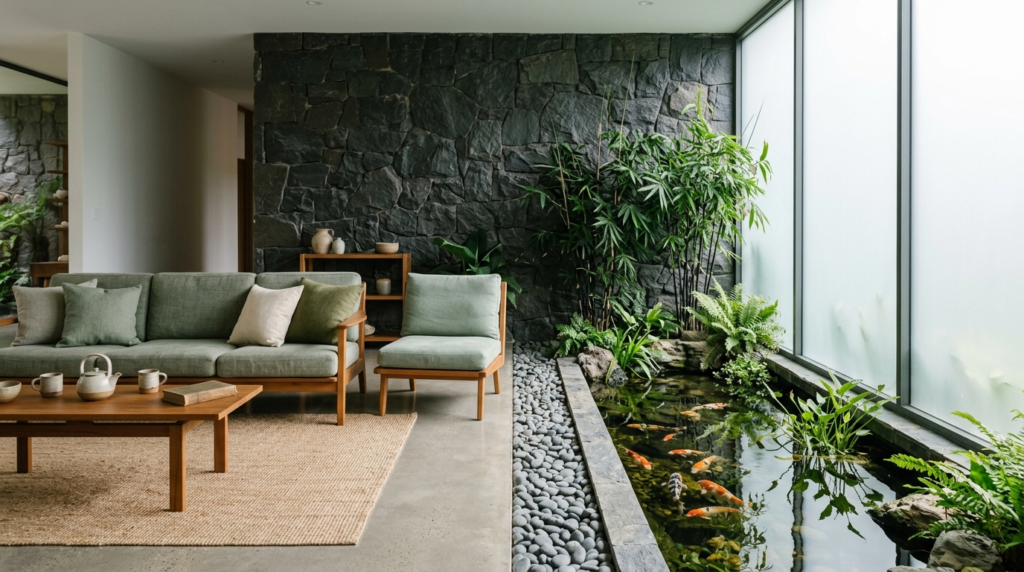
Natural elements bring texture and life into a room in ways that manufactured materials cannot replicate. This section covers two of the most effective additions for warmth.
Wood Accents Around the Room
Wooden shelves, side tables, and console units add warmth and break up flat, painted surfaces. Even small wood details, like a picture frame or tray, contribute to the overall cozy feel.
This natural material pairs well with almost every color palette discussed earlier in this guide.
Houseplants for Softness
A houseplant in a ceramic pot adds height, greenery, and a sense of life to an otherwise static room.
Plants also soften hard edges in a space, especially near furniture with sharp lines. This is one of the most affordable ways to add both color and texture at the same time.
Common Mistakes That Make a Living Room Feel Cold
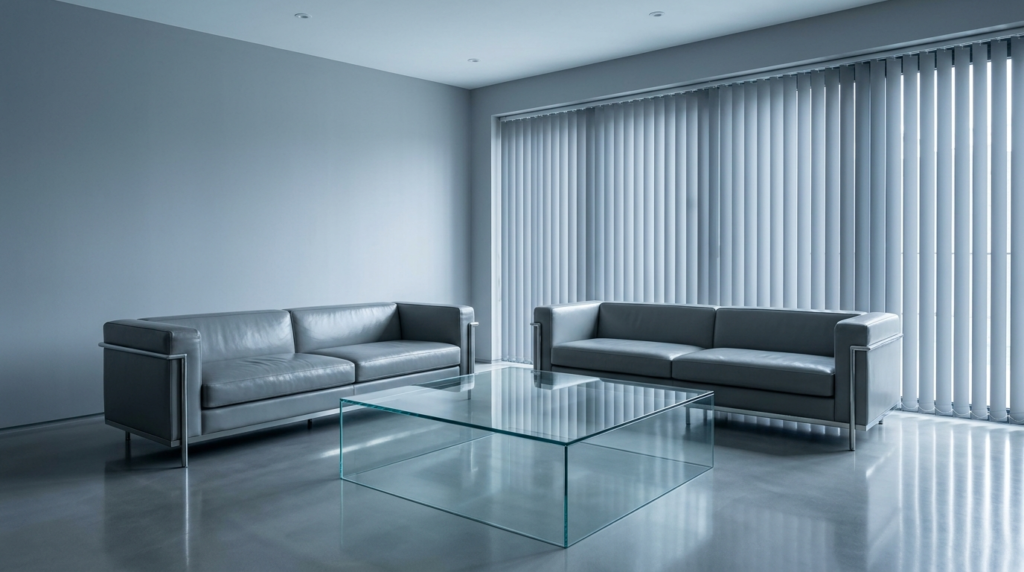
Even well-decorated rooms can feel unwelcoming if a few key mistakes are overlooked. Avoiding these issues is just as important as adding the right elements.
Pushing Furniture Against the Walls
Placing every piece of furniture against the walls creates distance and makes conversation difficult.
Pulling pieces even slightly inward, as discussed earlier, immediately improves the sense of togetherness in the room. This is one of the most common layout mistakes homeowners make.
Relying on Harsh White Lighting
Bright, cool-toned overhead lighting can make even a beautifully decorated room feel clinical and unwelcoming.
Switching to warm-toned bulbs and layered lamp lighting solves this problem without any renovation. Lighting temperature is often overlooked despite having a major effect on mood.
Overcluttering the Space
Adding too many small decorative items can make a room feel busy rather than warm and lived in.
A cozy living room should feel curated, with a few meaningful pieces rather than every surface filled. Keeping some open space allows the eye to rest, which contributes to the relaxed feeling homeowners are aiming for.
Frequently Asked Questions About Cozy Living Room Design
How do I make my living room cozy on a budget?
Start with small, affordable items like throw pillows, candles, and warm-toned lighting before investing in larger furniture.
What colors make a living room feel cozy?
Warm neutrals like terracotta and cream, along with moody tones like olive and navy, both create a cozy atmosphere.
How should I arrange furniture for a cozy feel?
Pull seating away from the walls and angle it inward so the layout supports conversation rather than distance.
What is the difference between cozy and cluttered?
A cozy room feels curated with a few meaningful pieces, while a cluttered room has too many items competing for attention.
Conclusion
A cozy living room comes from combining the right layout, lighting, color palette, and natural materials rather than following one single trend.
Most existing guides on this topic focus on only one angle, such as designer tricks, visual inspiration, or styling by category, leaving budget planning and common mistakes largely unaddressed.
This guide brings those missing pieces together so readers get a complete, practical roadmap instead of a partial one. Applying even a few of these ideas gradually can transform any living room into a warm, inviting space that people naturally want to spend time in.
Related Articles
Blue and White Home Decor: The Complete Styling Guide
Decorations Guide 2026: Themed Kits vs Mix-and-Match & Top Trends
Art Wall Home Decor: A Complete Guide to Transform Your Space
Shiny Brite Decorations: Complete Guide to Vintage & Modern Ornaments
Custom Home Decor: Unique Personalized Pieces for Every Room (2026 Guide)