Types of Home Decor Styles: A Complete Guide
Choosing among the many types of home decor styles can feel overwhelming when you are starting a new project, whether it is a single room or an entire house. Every style carries its own colors, textures, furniture shapes, and overall mood, so understanding the differences helps you avoid costly mistakes.
This guide breaks down the most popular styles in simple language, explains how they differ from one another, and gives practical advice on choosing and combining them. By the end, you will know exactly which direction suits your taste, your space, and your budget.
What Is a Home Decor Style
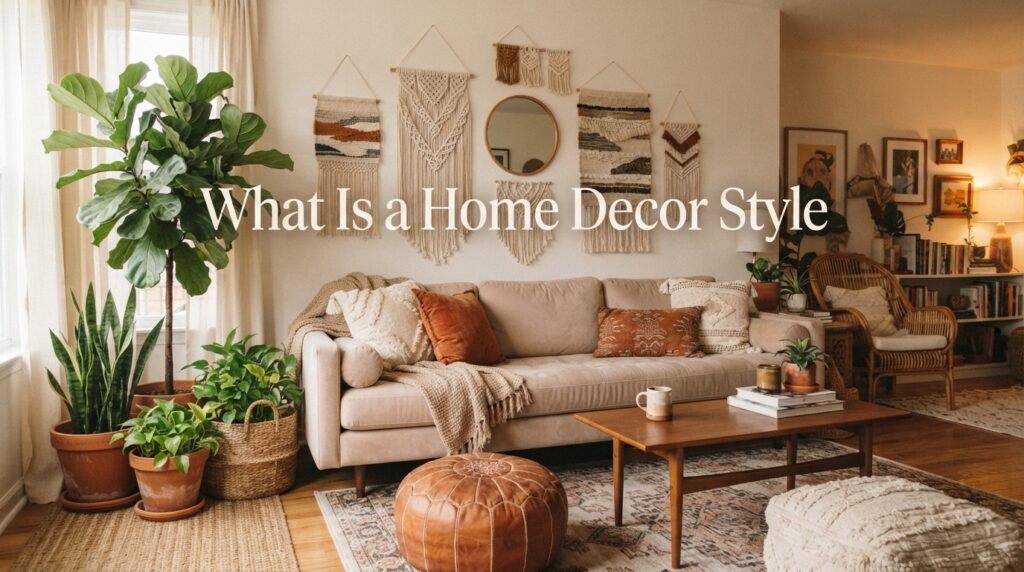
A home decor style is simply a consistent set of colors, materials, furniture shapes, and design rules that give a space a recognizable identity.
It ties every element in a room together so that the sofa, the curtains, the lighting, and the wall colors all feel like they belong in the same story rather than looking randomly assembled.
Why Choosing the Right Decor Style Matters
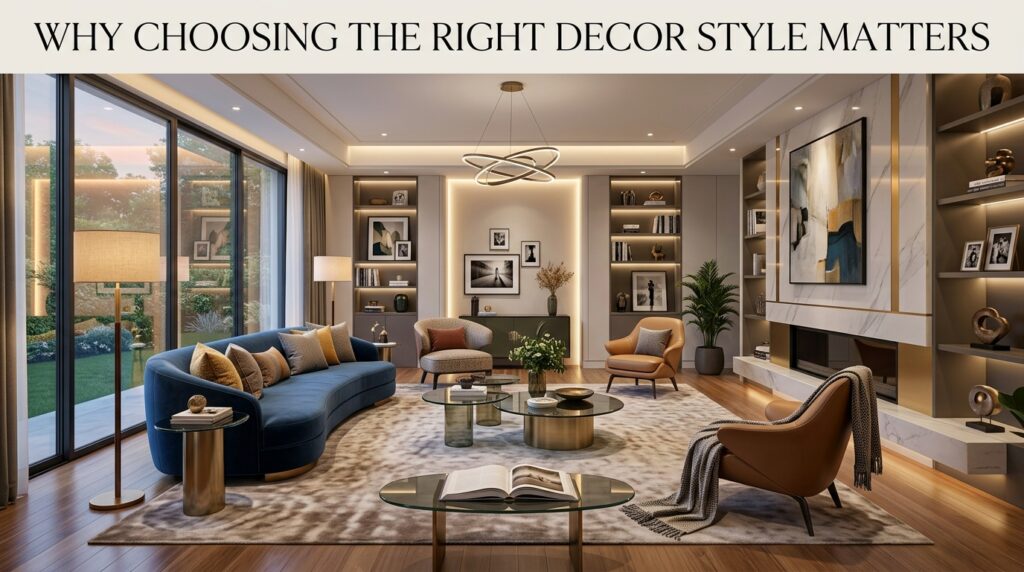
Picking one of the many types of home decor styles is not just about looks; it affects how comfortable, functional, and personal your home feels every single day. The sections below explain the three biggest reasons this decision deserves real thought.
Mood and Comfort
The style you choose directly shapes how a room makes you feel when you walk into it. Bright minimalist spaces tend to feel calm and open, while warm rustic or bohemian rooms feel cozy and inviting.
Matching the mood to how you actually want to relax or entertain makes the home far more enjoyable to live in.
Functionality
Certain styles naturally suit certain lifestyles better than others. A minimalist or Scandinavian layout works well for small apartments because it avoids clutter, while a farmhouse or traditional style may need more storage and square footage to look right. Thinking about daily function prevents a beautiful room from becoming impractical.
Personal Expression
Your decor style is one of the clearest ways to show who you are without saying a word. An eclectic mix of travel finds tells a different story than a polished, symmetrical traditional living room. Choosing intentionally, rather than copying trends blindly, keeps your home feeling authentically yours.
Popular Types of Home Decor Styles
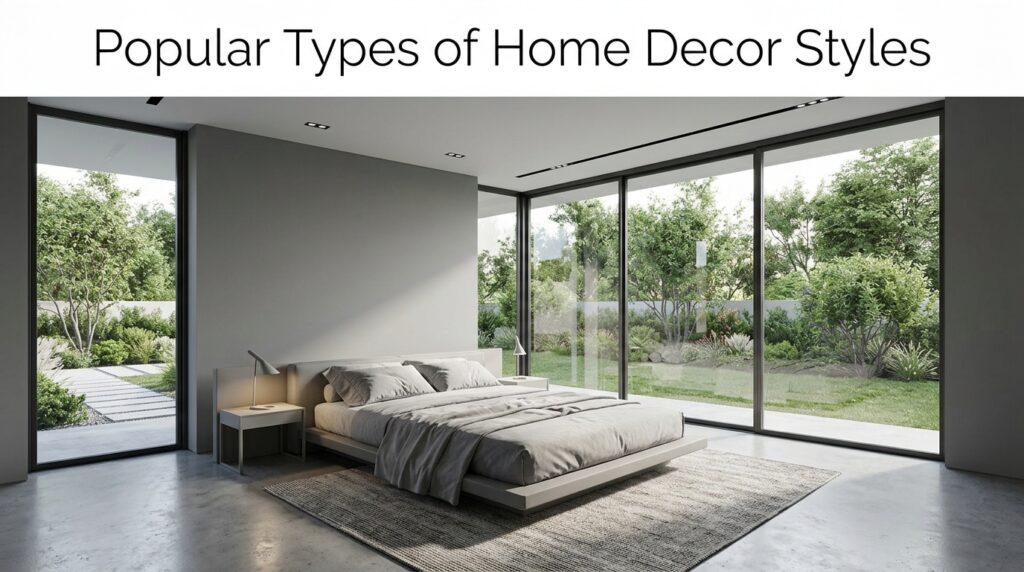
There are dozens of recognized types of home decor styles, but a handful of them consistently top design guides and homeowner searches. The table below gives a quick snapshot before the detailed explanations that follow.
| Style | Key Colors | Signature Features |
| Modern | White, black, gray | Clean lines, minimal ornamentation |
| Scandinavian | White, soft pastels, light wood | Cozy textures, natural light |
| Industrial | Gray, black, brown | Exposed brick, metal fixtures |
| Bohemian | Warm earth tones, jewel tones | Layered textiles, global patterns |
| Farmhouse | White, beige, wood tones | Shiplap, vintage-inspired accents |
| Traditional | Deep reds, browns, gold | Classic furniture, symmetry |
| Coastal | Blue, white, sandy beige | Light fabrics, breezy atmosphere |
| Mid-Century Modern | Mustard, teal, walnut | Organic shapes, tapered legs |
Modern Style
Modern decor relies on clean lines, a neutral color palette, and a strict “no clutter” approach to furniture and accessories.
Materials like glass, steel, and polished wood are common, and every piece usually serves a clear function. This style suits people who prefer a calm, uncluttered environment over heavy ornamentation.
Scandinavian Style
Scandinavian design centers on light wood, soft neutral tones, and the Danish concept of hygge, which focuses on comfort and warmth.
Rooms in this style typically use plenty of natural light, simple furniture shapes, and cozy textiles like wool throws. It works especially well in smaller homes because it keeps spaces feeling airy.
Industrial Style
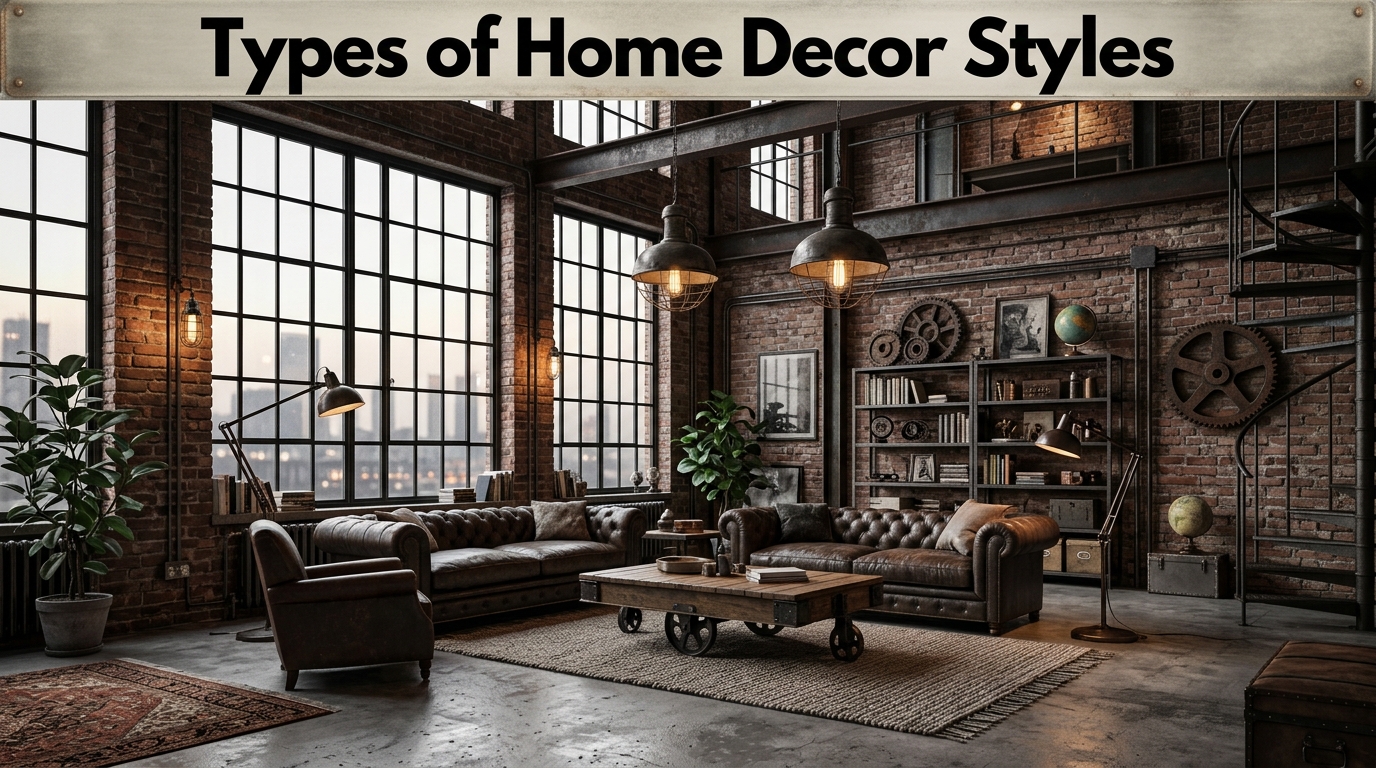
Industrial decor borrows from old factories and warehouses, featuring exposed brick, visible pipes, and raw metal finishes.
Furniture often mixes reclaimed wood with black metal frames, and lighting fixtures tend to be bold and utilitarian. This style suits loft apartments or homeowners who like an edgy, urban atmosphere.
Bohemian Style
Bohemian, or boho, decor is built around layered textiles, mixed patterns, and decor items collected from different cultures and travels.
Plants, woven baskets, and warm jewel tones give rooms a relaxed, artistic feel. It is ideal for people who enjoy an eclectic, personality-driven space over a strict formula.
Farmhouse Style
Farmhouse decor combines rustic charm with practical comfort, often using shiplap walls, wood beams, and vintage-style accessories.
Neutral color schemes with pops of wood tone keep the look warm without feeling outdated. This style remains popular for family homes that want a cozy, welcoming atmosphere.
Traditional Style
Traditional decor draws from classic European design, favoring rich colors, symmetrical furniture arrangements, and detailed woodwork.
Fabrics like velvet and damask, along with antique-inspired furniture, give rooms a timeless, formal elegance. It suits homeowners who prefer a polished, established look over trendy minimalism.
Coastal Style
Coastal decor uses light blues, whites, and sandy neutrals to recreate the relaxed feeling of a beach house. Natural fibers like rattan and linen, along with breezy curtains, keep the space feeling airy and casual. This style is popular in warm climates or for anyone wanting a permanent vacation feel at home.
Mid-Century Modern Style
Mid-century modern decor is inspired by furniture design from the 1950s and 1960s, featuring organic curves, tapered wooden legs, and bold accent colors like mustard and teal.
It blends function with a slightly retro personality, making it popular for both living rooms and home offices. The style pairs well with statement lighting and geometric patterns.
How to Choose the Right Style for Your Home
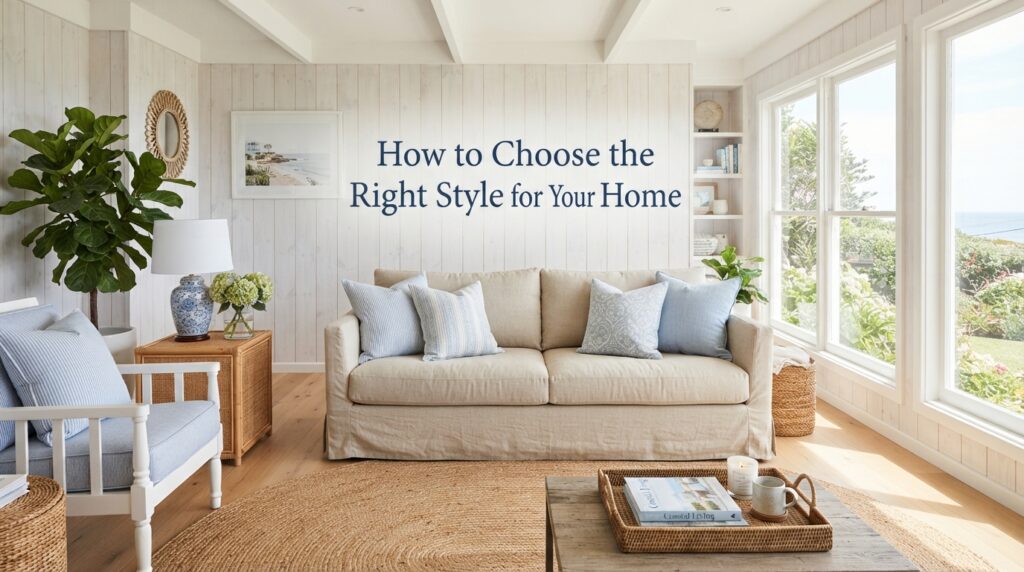
With so many types of home decor styles available, narrowing down the right one comes down to matching your space, budget, and daily habits rather than only following trends. The three factors below make that decision much easier.
Assess Your Space
Start by looking honestly at your room’s size, natural light, and existing architecture, since these factors limit or support certain styles.
Small apartments generally suit minimalist or Scandinavian looks, while larger homes can carry heavier traditional or farmhouse furniture without feeling cramped. Matching the style to the space prevents rooms from feeling either empty or overcrowded.
Define Your Budget
Some styles, like bohemian or eclectic, allow you to mix affordable thrifted items with a few statement pieces, keeping costs flexible.
Others, such as traditional or glam, often require higher-quality furniture and fabrics to look authentic rather than cheap. Setting a realistic budget early helps you choose a style you can actually execute well.
Mix Styles Carefully
Many well-designed homes blend two complementary styles rather than following one rulebook exactly, such as Scandinavian with a touch of industrial metal accents.
The key is keeping one dominant style as the base and using the second only for accents like lighting, textiles, or a few furniture pieces. This avoids the room feeling disorganized or visually confusing.
Common Mistakes to Avoid
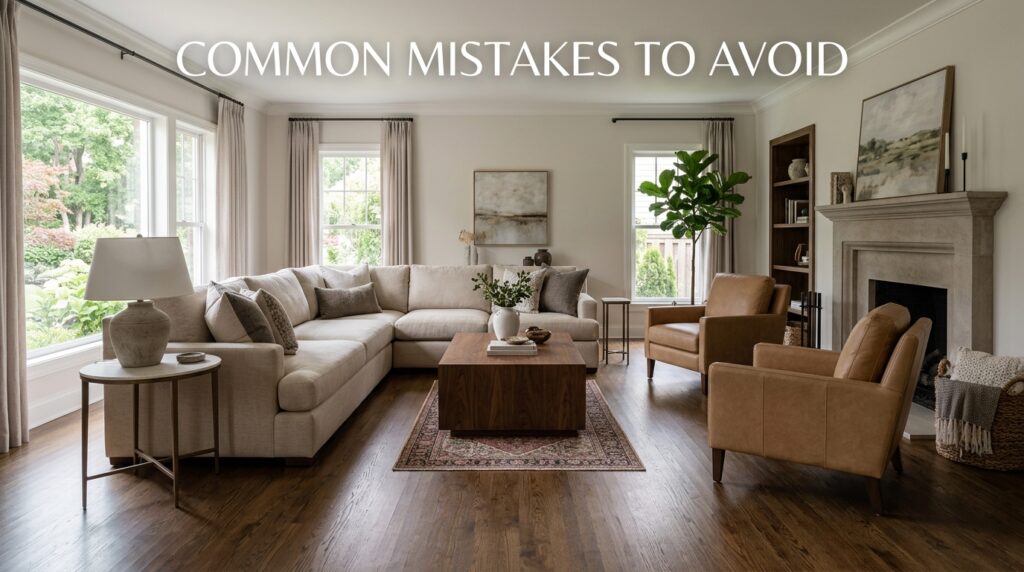
Even with a clear style in mind, a few recurring mistakes can weaken the final result. Ignoring furniture scale relative to room size often makes spaces feel cramped or oddly empty.
Overcrowding a room with decorative items dilutes the style instead of strengthening it. Skipping proper lighting planning can also make even a well-chosen style look flat and uninviting. Finally, copying a style exactly from a photo without adapting it to your own home’s layout usually feels forced rather than natural.
FAQs
Which home decor style is best for small spaces?
Minimalist and Scandinavian styles generally work best for small spaces because they avoid clutter and rely on light colors that make rooms feel larger.
Can I combine two decor styles in one home?
Yes, combining two styles is common and often called transitional or eclectic decor, as long as one style stays dominant and the other is used only for accents.
What is the most budget-friendly decor style?
Bohemian and eclectic styles tend to be the most budget-friendly since they welcome thrifted, secondhand, and DIY pieces without breaking the overall look.
How do I know which style suits my personality?
Look at the colors, textures, and rooms that consistently attract you in photos or real life, since your natural preferences usually point toward one or two matching styles.
Conclusion
Understanding the different types of home decor styles gives you the confidence to design a home that truly fits your taste, space, and budget instead of copying trends blindly. Whether you lean toward the clean simplicity of modern design or the warm layers of bohemian decor, the right choice always comes from matching style to lifestyle. Start small, stay consistent with your chosen palette, and let your home evolve naturally over time.