Sculptures for Home Decor: A Complete Guide to Elevating Your Interiors

Sculptures for home decor are more than just decorative objects; they are expressions of personality, culture, and artistic taste placed within living spaces. Whether crafted from wood, metal, stone, or resin, these pieces bring depth, texture, and visual interest to any room.
A well-chosen sculpture can transform a plain corner into a striking focal point that reflects the homeowner’s style. From ancient civilizations to modern interiors, sculptures have always held a special place in how people decorate their homes. This guide walks through everything you need to know before adding sculptures to your own living space.
Understanding Sculptures for Home Decor
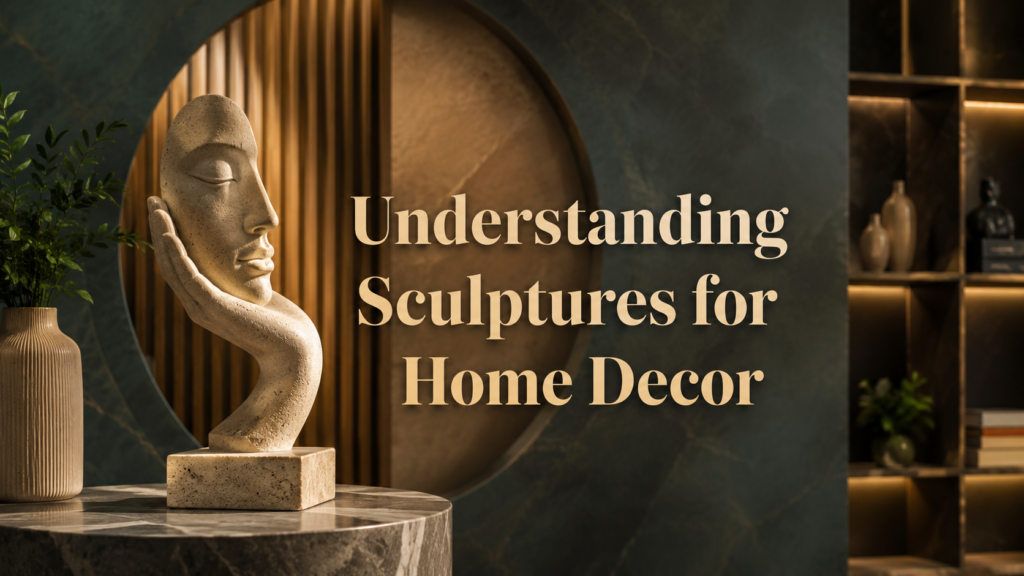
Before choosing a piece, it helps to understand what decorative sculptures actually are and why they hold such importance in interior design. The following sections break down their meaning and significance in simple terms.
What Are Decorative Sculptures
Decorative sculptures are three-dimensional art pieces designed specifically to enhance the visual appeal of indoor or outdoor spaces. Unlike paintings or wall art, they occupy physical space and can be viewed from multiple angles, adding a sense of depth to a room. These pieces range from small tabletop figures to large statement installations, making them adaptable to almost any home size or style.
Why Sculptures Matter in Interior Design
Sculptures for home decor serve as conversation starters and reflect the personality of the people living in the space. They add texture and dimension that flat decor items, like paintings or photographs, cannot provide on their own.
A carefully placed sculpture can balance a room’s proportions and draw the eye toward a specific area, making the entire layout feel more intentional and complete.
A Brief History of Sculptures in Homes
The tradition of decorating homes with sculptures dates back thousands of years, from Greek and Roman busts to Asian religious figures placed in household shrines.
Over centuries, sculptures evolved from purely religious or ceremonial objects into everyday decorative items found in living rooms and gardens. Today, this history continues to influence modern designs, blending traditional craftsmanship with contemporary artistic trends.
Popular Types and Materials of Sculptures for Home Decor
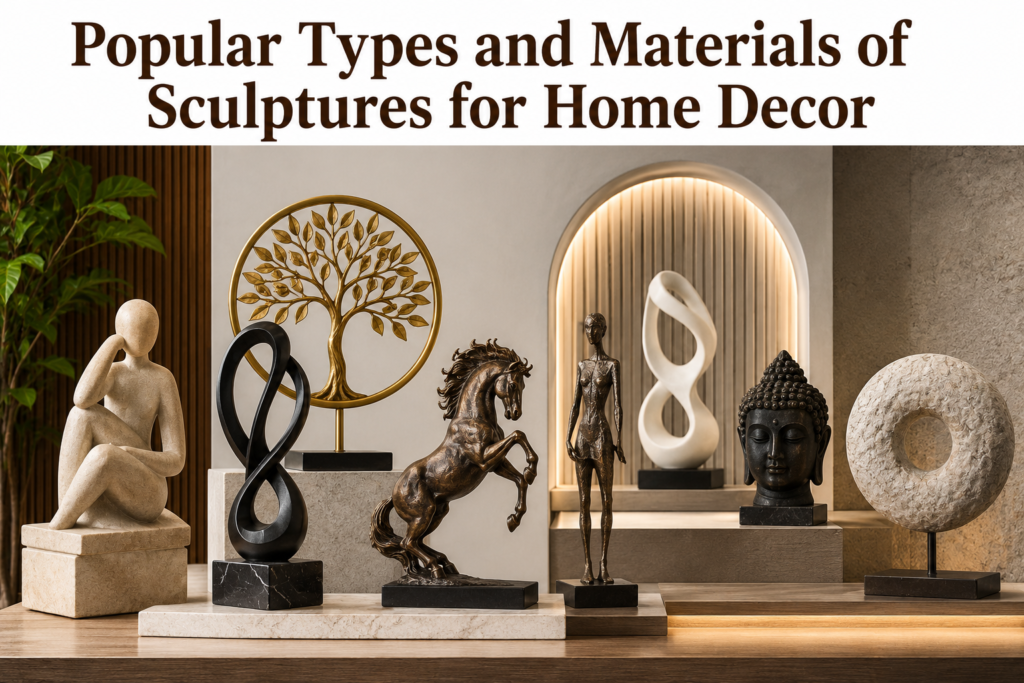
There is a wide variety of sculpture types and materials available, each suited to different tastes and interior styles. Knowing the common categories makes it easier to pick a piece that fits your home.
Common Sculpture Types
Sculptures for home decor generally fall into a few recognizable categories, each offering a different visual effect:
- Abstract sculptures – Modern, non-representational shapes ideal for contemporary interiors
- Figurative sculptures – Human or animal figures that add a classic or artistic touch
- Religious and spiritual sculptures – Symbolic pieces such as Buddha statues or deities
- Tabletop sculptures – Small pieces suited for shelves, consoles, and desks
- Wall-mounted sculptures – Three-dimensional art fixed directly onto walls
- Outdoor and garden sculptures – Weather-resistant pieces for patios and gardens
Materials Used in Sculptures
The material of a sculpture affects its appearance, durability, and price point significantly. The table below summarizes the most common materials and their typical use in home decor.
| Material | Best Suited For | Durability |
| Wood | Traditional and rustic interiors | Moderate, needs polishing |
| Metal (bronze, iron, brass) | Modern and industrial spaces | High, long-lasting |
| Stone and marble | Classic, luxury interiors | Very high, heavy |
| Resin and fiberglass | Budget-friendly, lightweight decor | Moderate |
| Ceramic and clay | Delicate tabletop pieces | Low to moderate, fragile |
| Glass | Contemporary, minimalist homes | Low, requires care |
Choosing the Right Sculpture for Your Home

Selecting the right sculpture involves more than picking something visually appealing. It requires thinking about how the piece will interact with the room’s existing style, size, and lighting.
Matching Style and Room Theme
A sculpture should complement the overall theme of the room rather than clash with it. For a minimalist space, a simple abstract piece works better than an ornate figurative sculpture,
while traditional homes often suit wooden or stone figures with intricate detailing. Considering the existing color palette and furniture style helps narrow down the right choice.
Size, Placement and Lighting
The size of a sculpture should be proportionate to the space it occupies, as an oversized piece can overwhelm a small room while a tiny one may get lost in a large space.
Placement near natural light sources or accent lighting enhances the sculpture’s shadows and details, making it stand out. Entryways, console tables, and empty corners are common spots where sculptures create maximum visual impact.
Styling Sculptures by Interior Design Themes

Different interior design styles call for different types of sculptures to maintain a cohesive look throughout the home. Matching the sculpture to the design theme ensures the piece feels intentional rather than random.
Modern and Minimalist Homes
Modern interiors typically favor sculptures with clean lines, geometric shapes, and neutral tones like black, white, or metallic finishes. Abstract or geometric sculptures work particularly well in these spaces, as they echo the simplicity found in the furniture and decor. Placing one bold piece as a focal point often works better than scattering multiple smaller sculptures around the room.
Traditional, Bohemian and Zen Spaces
Traditional interiors pair well with wooden or stone figurative sculptures that carry a sense of history and craftsmanship. Bohemian spaces welcome eclectic, handmade, and culturally inspired pieces that add character and warmth. Zen or meditation-focused rooms often feature Buddha statues or nature-inspired sculptures to create a calm, grounded atmosphere.
Benefits, Buying Guide and Care Tips

Beyond aesthetics, sculptures for home decor offer emotional and practical benefits, but choosing and maintaining them correctly requires some guidance.
Benefits of Adding Sculptures
Sculptures do more than fill empty space; they contribute to the emotional atmosphere of a home by evoking calmness, curiosity, or inspiration depending on their form.
They also allow homeowners to express personal taste and cultural identity in a way that mass-produced decor items often cannot. Additionally, well-chosen sculptures from renowned artists or unique materials can appreciate in value over time.
Buying Guide for Sculptures
When purchasing a sculpture, it helps to consider a few practical factors before making a final decision:
- Determine your budget range before browsing options
- Decide between custom-made and ready-made pieces
- Check the material’s durability for your climate and location
- Buy from trusted sellers, galleries, or verified online stores
- Ask about return policies and authenticity certificates for premium pieces
Maintenance and Care Tips
Different materials require different cleaning approaches to keep sculptures looking their best for years. The table below offers a quick reference for common care methods.
| Material | Cleaning Method |
| Wood | Dust with a dry cloth, avoid excess moisture |
| Metal | Wipe with a soft cloth, polish occasionally |
| Stone/Marble | Use mild soap and water, avoid acidic cleaners |
| Resin | Wipe with a damp cloth, avoid direct sunlight |
| Ceramic | Dust gently, handle with care to avoid chipping |
| Glass | Clean with glass cleaner, dry immediately |
Trends and DIY Ideas for Sculpture Lovers
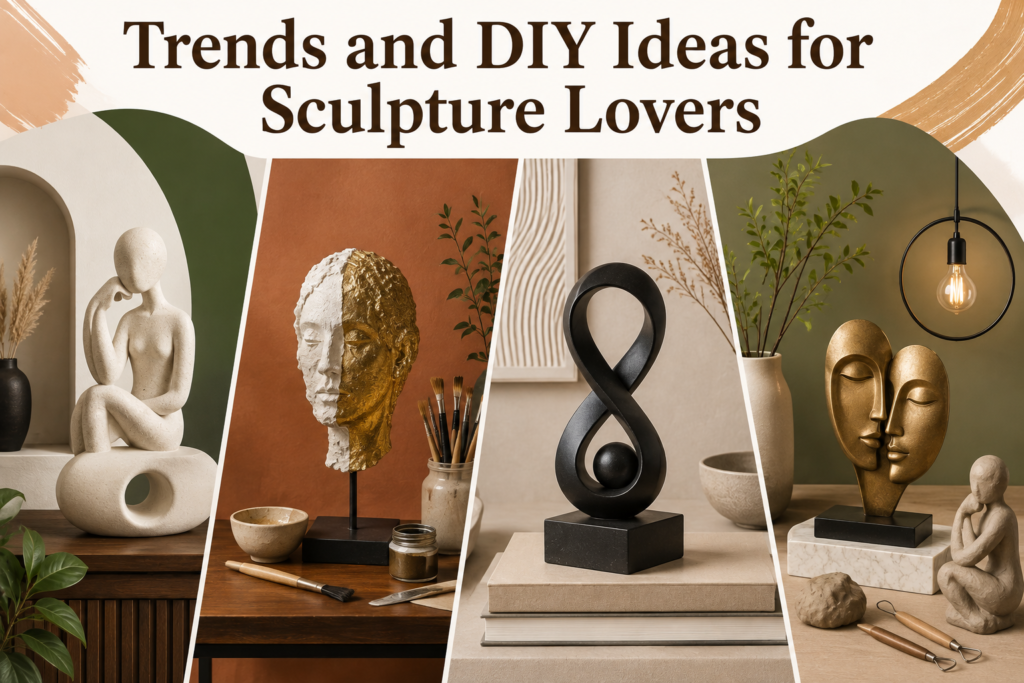
Sculpture decor continues to evolve with changing design preferences, and many homeowners now enjoy creating their own pieces at home.
Latest Trends in Sculpture Decor
Sustainable and eco-friendly sculptures made from recycled materials are gaining popularity among environmentally conscious buyers. Minimalist abstract designs continue to dominate modern homes, while smart or interactive sculptures with subtle lighting effects are emerging as a niche trend. These shifts reflect a broader move toward personalized, meaningful decor rather than mass-produced items.
Simple DIY Sculpture Ideas
Beginners can start with simple projects using clay, plaster, or upcycled materials found around the house, requiring only basic tools like sculpting knives and molds.
Creating a small abstract clay figure or repurposing old wood into a rustic sculpture are accessible entry points into sculpture-making. These projects not only save money but also add a personal, handmade touch to home decor.
A Quick Look at How Others Cover This Topic
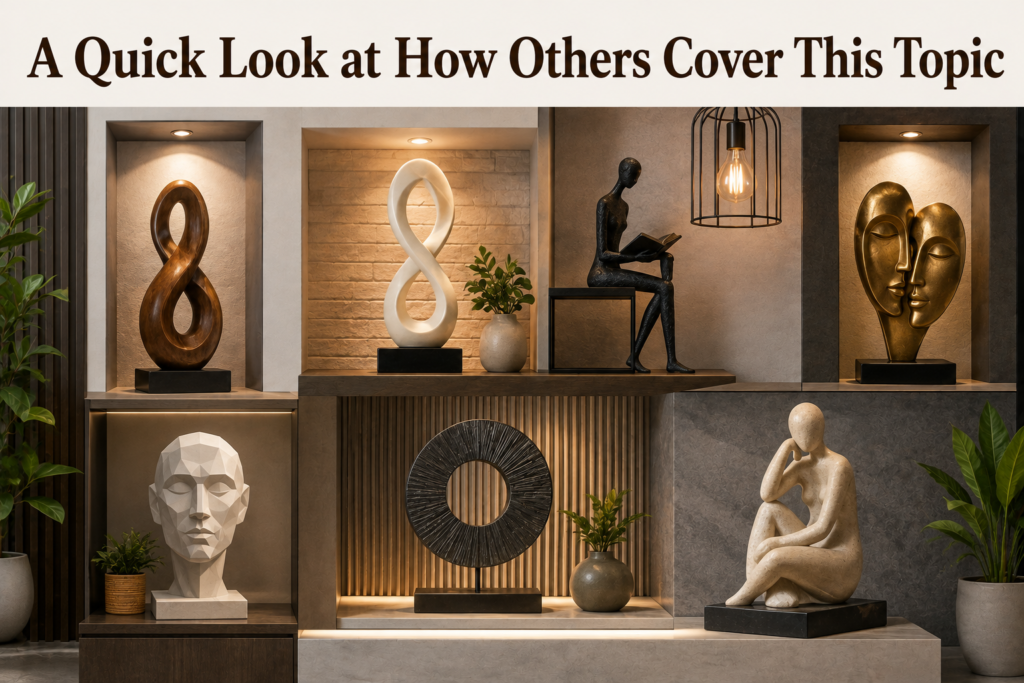
Many existing articles on sculptures for home decor focus heavily on product listings or shopping guides without explaining the reasoning behind style choices or material differences.
This guide instead combines practical buying advice with design theory, material comparisons, and maintenance tips in one place. The goal is to give readers a complete understanding rather than just a list of items to purchase.
Frequently Asked Questions
What is the best material for indoor sculptures?
Resin, ceramic, and wood are commonly preferred for indoor use due to their lighter weight and easier maintenance compared to stone or metal.
How do I choose the right size sculpture for a small room?
Opt for tabletop or wall-mounted sculptures under two feet in height, as they add visual interest without overwhelming limited space.
Are sculptures a good investment for home decor?
Yes, especially pieces made from durable materials or created by known artists, as they can retain or increase in value over time.
Can I mix different sculpture styles in one home?
It is best to maintain some consistency in material or color tone, even when mixing styles, to keep the overall look cohesive.
Conclusion
Sculptures for home decor offer a unique way to add character, culture, and artistic depth to any living space. By understanding the different types, materials, and styling approaches covered in this guide, homeowners can confidently choose pieces that truly complement their interiors.
With proper care and thoughtful placement, a single sculpture can become a lasting centerpiece that reflects personal taste for years to come.
Related Articles
Living Room Wallpaper Decor: Ultimate Guide to Styles, Colors & Tips
Japanese Home Decor: A Complete Guide to Minimalist and Calm Interiors
Modern Classic Home Decor: A Complete Guide to Timeless Interior Design
Luxury Home Decor: The Complete Guide to Elevating Your Living Space
Linon Home Decor: Complete Guide to Styles, Quality & Buying Tips