Lower Middle Class Home Decor: Meaning, Style Guide & Modern Update Tips
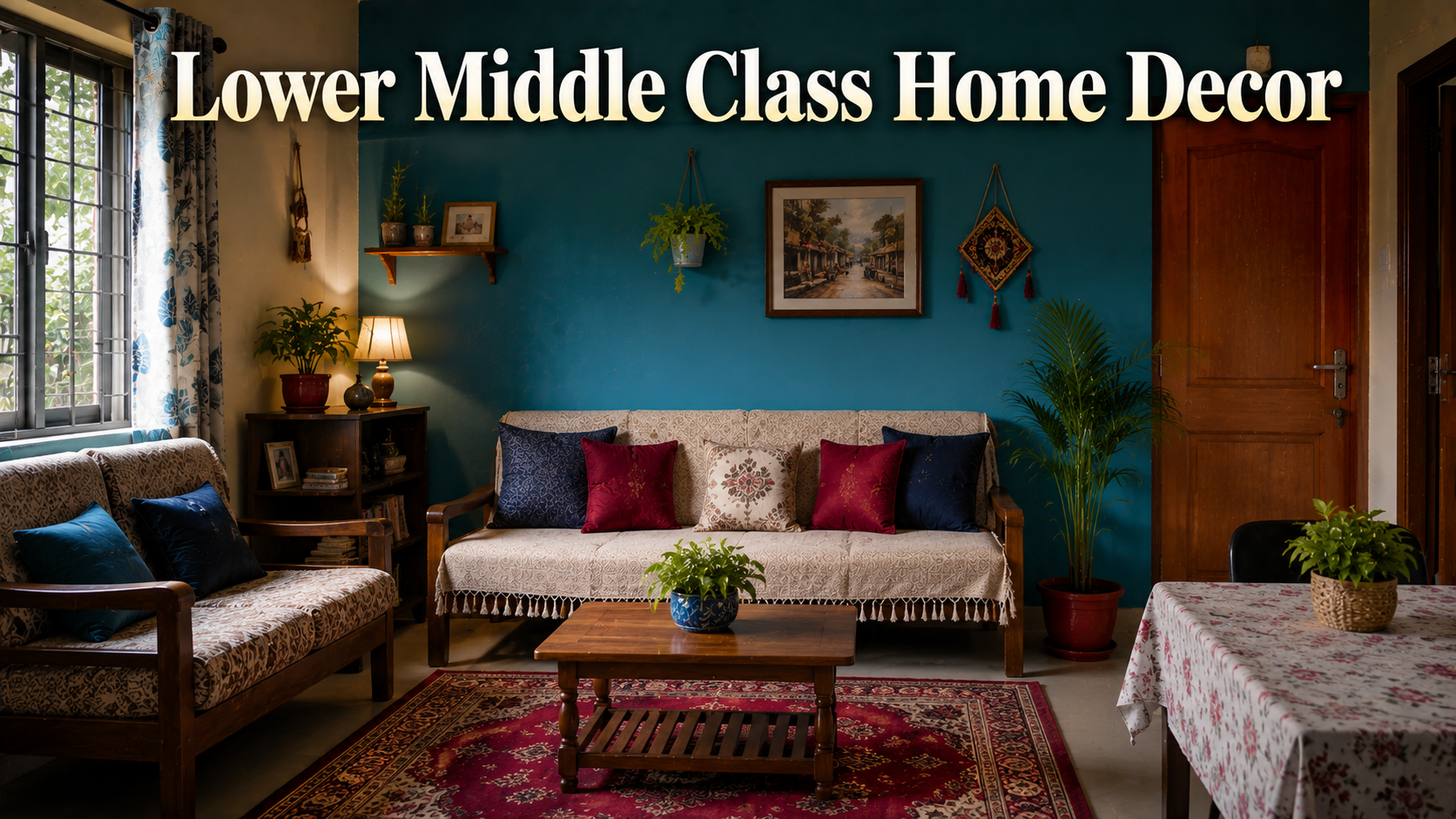
Lower middle class home decor is a term used online to describe a specific home styling pattern found in modest income households. It usually includes budget furniture, plastic covers, artificial flowers, and wall showcases filled with family items.
This style is often discussed on social media, sometimes in a mocking tone, but it actually reflects practicality, sentiment, and cultural habits more than a lack of taste. This article explains where the term came from, what it really includes, why people decorate this way, and how the style can be gently modernized.
The goal is to understand this decor style with respect, not judgment. By the end, you will clearly understand what lower middle class home decor means and how it fits into the bigger picture of home design culture.
What Does Lower Middle Class Home Decor Mean
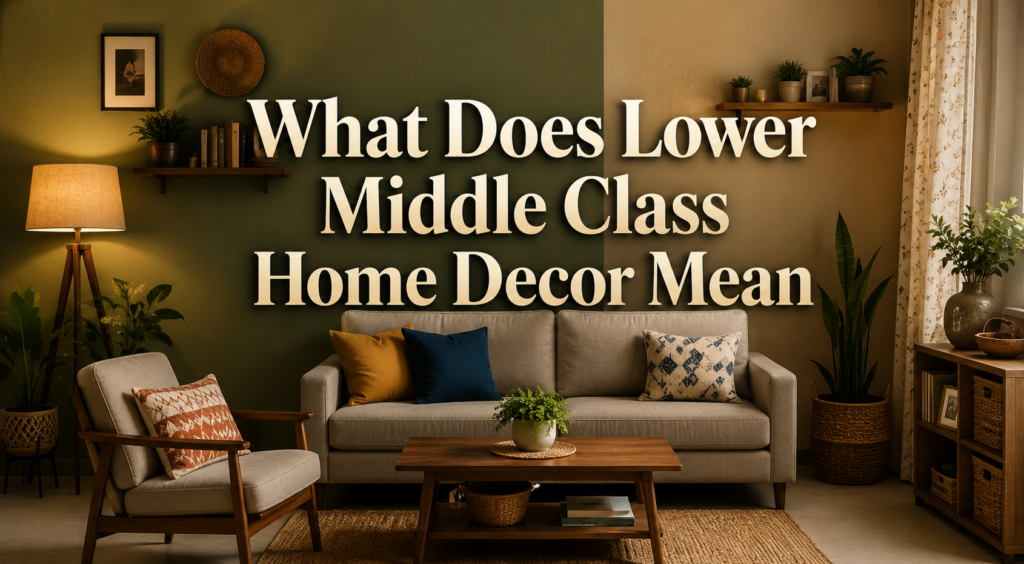
Lower middle class home decor refers to a home styling pattern common in households with limited budgets, focused more on function and sentiment than trends. It is not an official design category but a term shaped mostly through online discussion.
Origin of the Term
The phrase became popular through social media memes and comparison posts about different home styles across income groups. People started using it to describe recognizable patterns like showcases, plastic covers, and calendar art. Over time, it turned into a shorthand label rather than a formal design term.
Why It Is Used Online
The term is mostly used in casual online conversations, often in a joking or critical way, to compare modest homes with more expensive, minimalist interiors. It highlights visible differences in furniture, materials, and decoration choices. However, this comparison often ignores the practical reasoning behind these choices.
Key Features of Lower Middle Class Home Decor
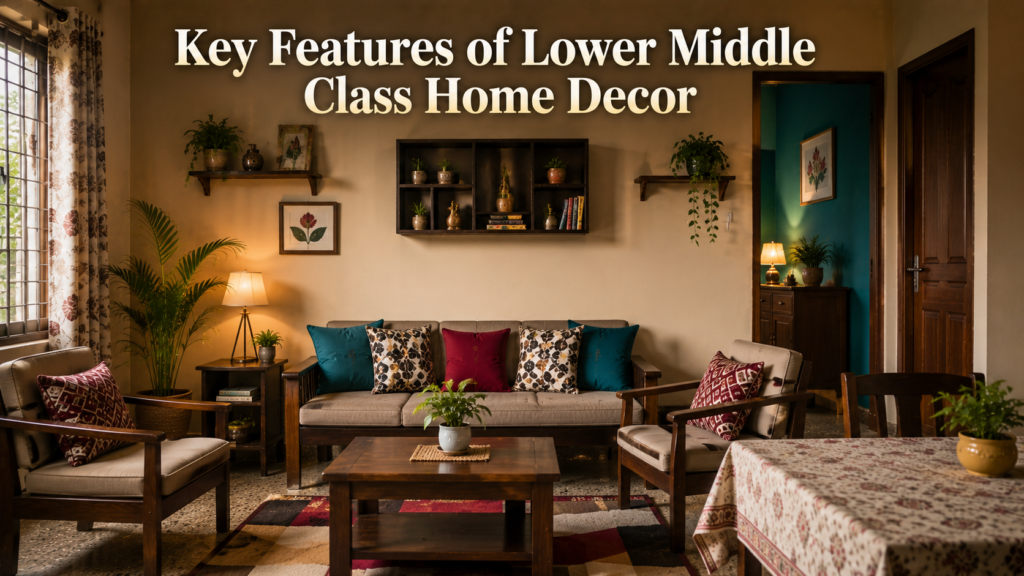
This decor style has a few recognizable features that repeat across many households, regardless of location. These features are shaped by budget limits, family habits, and long term usage needs rather than seasonal design trends.
Furniture Choices
Furniture in this style is usually affordable, sturdy, and chosen for long term use rather than appearance alone. Wooden furniture is often replaced with laminate or plastic alternatives because they are cheaper and easier to maintain. Matching furniture sets are less common, since pieces are usually bought over time as needed.
Wall Decor Elements
Walls often feature calendar art, religious posters, or framed family photographs instead of abstract art or minimalist prints. Wall-mounted showcases are common, used to display crockery, trophies, or small decorative items. These elements usually carry personal or cultural meaning rather than being chosen purely for style.
Textiles and Fabric Choices
Textiles in lower middle class home decor often include crocheted table covers, patterned curtains, and printed bedsheets with bold colors. Plastic covers are commonly used on sofas and cushions to protect fabric from daily wear. This approach values durability and practicality more than delicate or expensive materials.
Decorative Items and Clutter
Homes in this style often include artificial flowers, plastic fruit bowls, and multiple small decorative items placed together. Television units are frequently filled with photo frames, souvenirs, and small ornaments collected over the years. This visual density reflects years of memories rather than a lack of planning.
| Decor Element | Lower Middle Class Style | Common Alternative Style |
| Furniture Material | Plastic or laminate | Solid wood or metal |
| Wall Decor | Calendar art, family photos | Abstract prints, minimal art |
| Textiles | Printed, plastic-covered | Plain, neutral fabrics |
| Decorative Items | Many small items, showcases | Few curated pieces |
The Psychology Behind This Decor Style
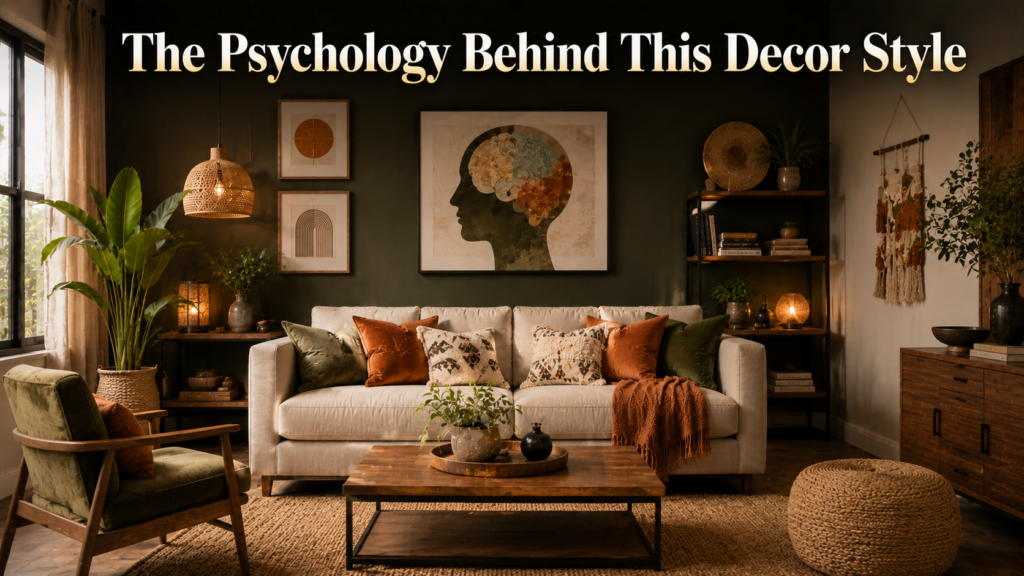
The choices in this decor style are usually practical decisions rather than random preferences. They come from years of experience managing a household on a limited budget while still wanting a warm and lived-in space.
Functionality Over Aesthetics
In many homes, decor decisions prioritize usefulness and durability over visual trends. Furniture is chosen because it lasts long and serves multiple purposes, not because it matches a specific design theme. This mindset comes from valuing practicality in daily life.
Social Signaling Through Display
Displaying items like trophies, gifts, or crockery in showcases often serves as a subtle way to show guests family achievements or special occasions. It reflects pride in what the family has earned or received over time. This behavior is common across many cultures, not limited to one economic group.
Practical Mindset and Protection Habits
Covering furniture with plastic sheets is a habit rooted in protecting items that were bought with careful saving. Families often plan for these items to last for many years or even be passed down. This mindset values preservation more than short-term appearance.
Lower Middle Class vs Other Decor Styles
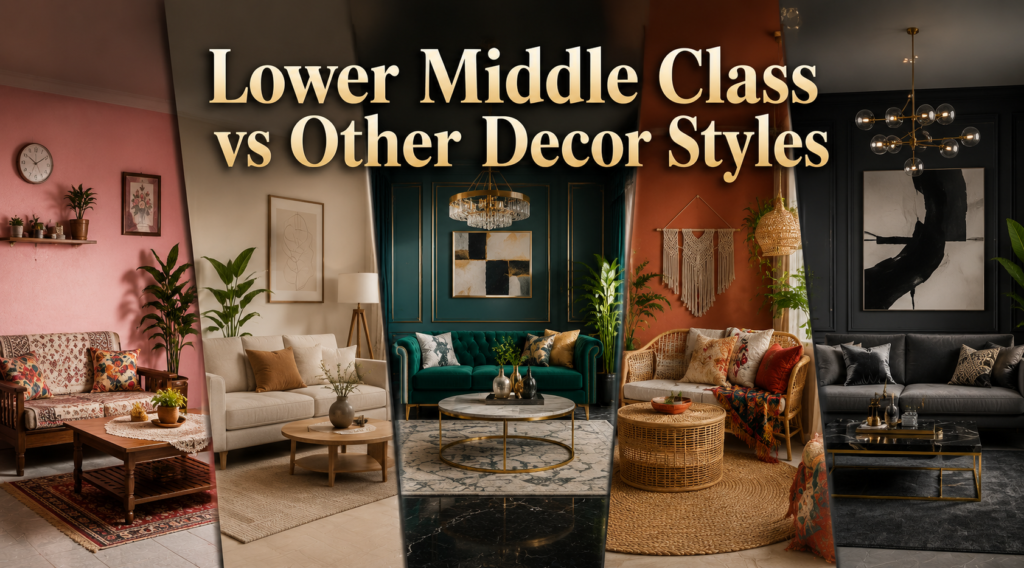
Comparing this style with other decor categories helps explain why people notice such clear differences online. Each style reflects a different set of priorities shaped by budget, lifestyle, and personal taste.
Comparison With Upper Middle Class Decor
Upper middle class or minimalist decor usually focuses on fewer, more expensive items with clean lines and neutral colors. Lower middle class home decor instead favors variety, personal items, and visible sentimental value. Both styles reflect different priorities, not different levels of care for the home.
Comparison With Working Class Decor
Working class decor and lower middle class decor can overlap, but the second usually includes slightly more decorative elements like showcases or printed textiles. Working class homes may focus more strictly on essential furniture due to tighter budgets. The line between these categories is often blurry and based more on habits than strict income levels.
| Style Type | Focus | Typical Decor Choices |
| Lower Middle Class | Practicality with personal display | Showcases, plastic covers, patterned textiles |
| Upper Middle Class | Minimal and curated | Neutral tones, fewer statement pieces |
| Working Class | Essential and functional | Basic furniture, limited decoration |
Is the Term Classist
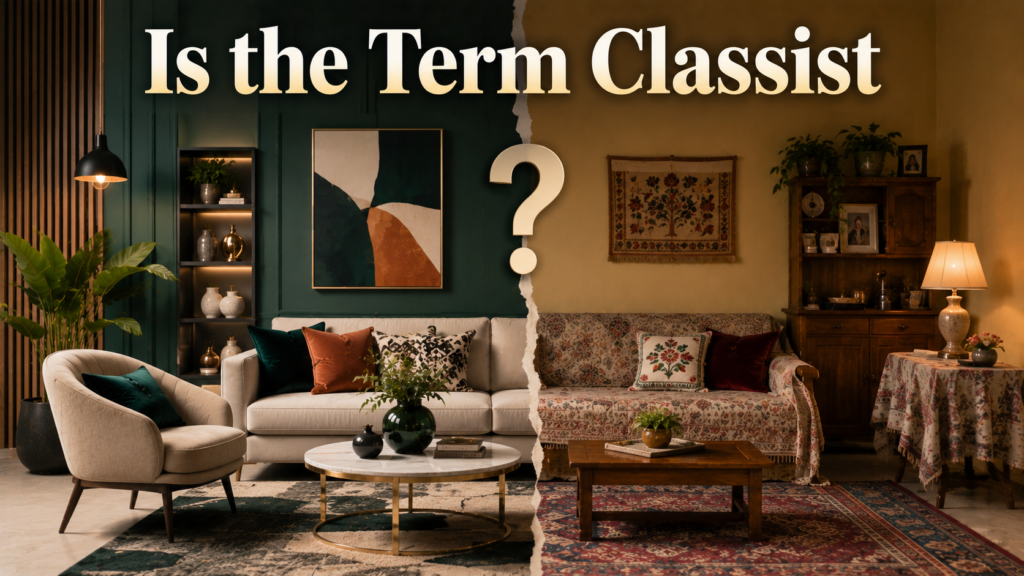
This section looks at whether using “lower middle class” as a decor label is fair or if it unintentionally mocks certain communities. Understanding this helps use the term more respectfully in conversations.
Where Mocking Crosses Into Judgment
When this term is used only to laugh at certain homes, it can come across as disrespectful toward families who prioritize function and memory over trends. The line is crossed when the term stops describing a style and starts criticizing people’s economic situation. Awareness of this difference matters in respectful design discussions.
Should Decor Be Judged By Class
Home decor should ideally be judged by comfort, meaning, and personal happiness rather than cost or trend alignment. Every decor choice reflects different life circumstances and values. Judging homes by income unfairly reduces personal choices to a financial label.
Emotional and Cultural Value of This Decor
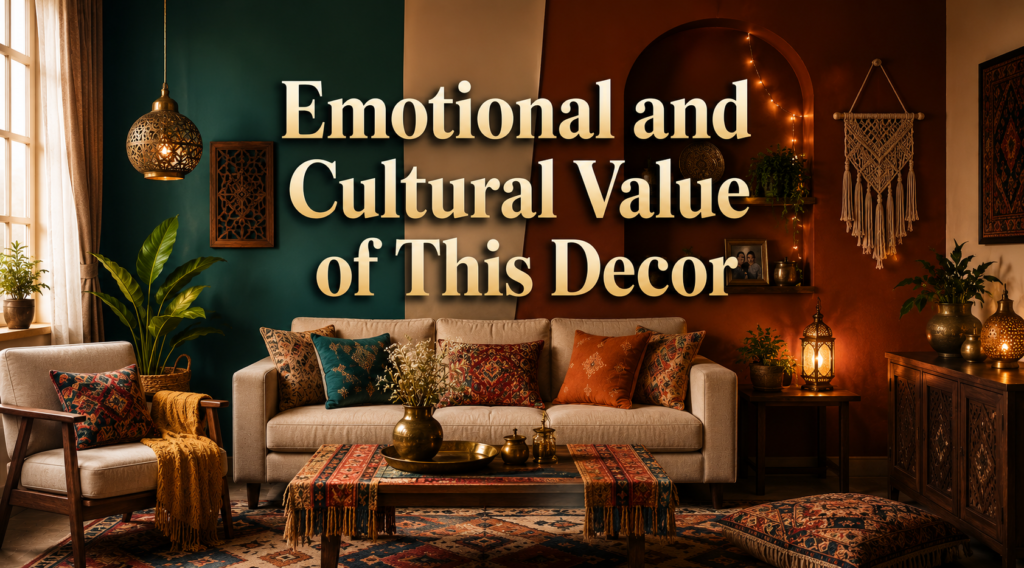
Many decor choices in this style carry emotional weight that goes far beyond appearance. Understanding this value changes how the style is perceived by outsiders.
Sentimental Attachment To Items
Items displayed in showcases or hung on walls often represent milestones, gifts, or family achievements. These pieces are kept not for their appearance but for the memories attached to them. This emotional connection is often stronger than any design trend.
Decor As Family History
Many homes decorated in this style visually represent decades of family history through photographs, souvenirs, and inherited furniture. Each item often has a story tied to a specific event or person. This turns the home into a personal archive rather than just a styled space.
Modern Shifts in Home Decor Trends
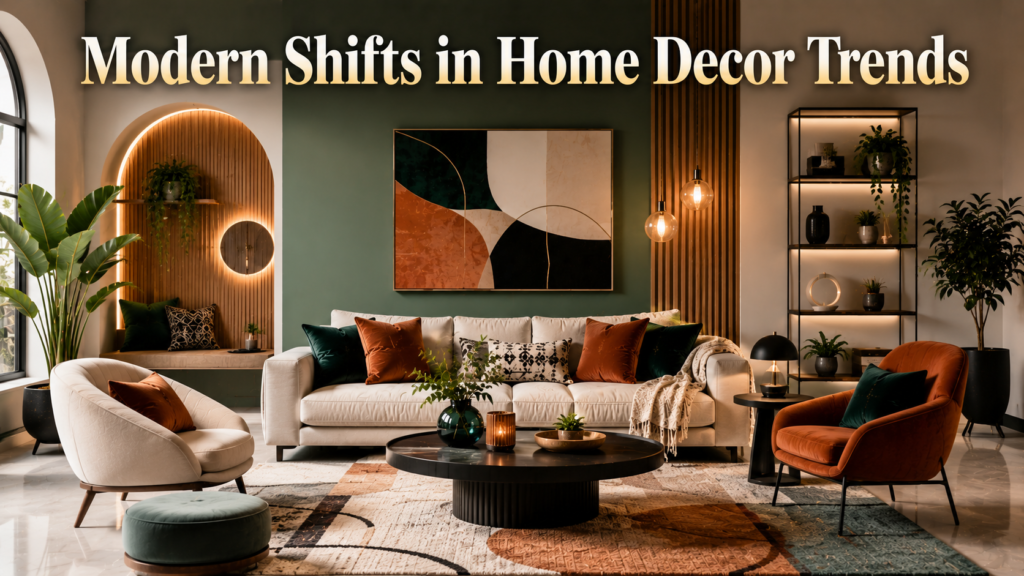
As access to design inspiration grows, home decor preferences are gradually shifting even within lower middle class households. This section explains how younger generations are changing the visual approach to home styling.
Younger Generation Preferences
Younger family members often prefer simpler layouts with fewer decorative items and more neutral color schemes. They tend to blend sentimental items with slightly more modern furniture choices. This creates a mixed style rather than a complete shift away from tradition.
Social Media Influence On Taste
Platforms like Pinterest and Instagram expose people to global design trends, encouraging more experimentation at home. This influence often leads to gradual decluttering and updated color palettes. However, many families still keep meaningful items despite these new influences.
Tips To Update Lower Middle Class Home Decor
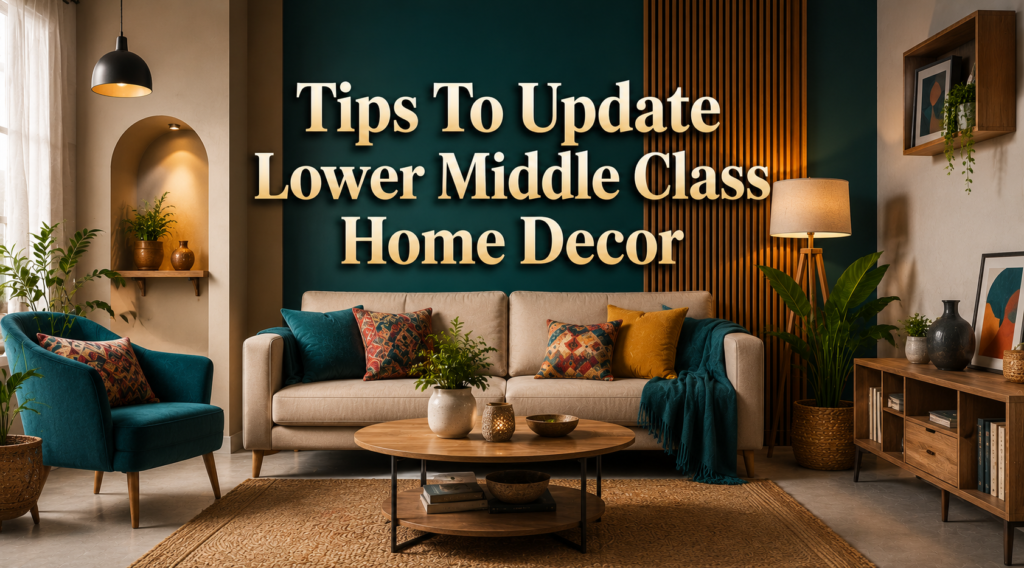
Updating this decor style does not require removing its personality or sentimental value. Small, thoughtful changes can modernize a space while respecting its history.
Simple Decluttering Ideas
Grouping similar decorative items together instead of spreading them across every surface can instantly reduce visual clutter. Keeping only the most meaningful pieces on display, while storing others safely, helps balance sentiment with a cleaner look. This approach keeps the home personal without feeling overcrowded.
Affordable Modern Touches
Simple additions like neutral throw pillows, updated lighting, or a fresh coat of paint can modernize a room without high costs. Swapping heavy patterned curtains for lighter fabrics can also refresh the space significantly. These small updates work well alongside existing furniture.
Keeping Sentimental Items
Instead of removing family photos or gifts, they can be arranged more intentionally in a single gallery wall or designated shelf. This keeps sentimental value visible while creating a more organized appearance. It allows the home to feel both meaningful and refreshed.
How Other Articles Cover This Topic
Most existing content about lower middle class home decor focuses only on mocking the style through memes or comparison lists. Very few articles explain the reasoning, emotional value, or cultural background behind these choices.
This gap leaves readers without a balanced understanding of why families decorate this way, which this article aims to fill by combining explanation with practical respect for the style.
FAQs
Is lower middle class home decor a real design category?
No, it is an informal term used mostly in online discussions rather than a recognized interior design category.
Why do many homes use plastic covers on furniture?
Plastic covers help protect furniture that was purchased with careful saving, extending its usable life for many years.
Can this decor style be modernized easily?
Yes, small changes like decluttering, updated lighting, and simpler textiles can modernize the space while keeping sentimental items intact.
Conclusion
Lower middle class home decor reflects practicality, memory, and family history rather than a lack of design sense. Understanding the reasoning behind these choices allows for a more respectful view of different home styles. With small, thoughtful updates, this decor style can feel fresh while still honoring its emotional and cultural roots.
Related Articles
Gothic Home Decor: A Complete Guide to Dark, Dramatic Interior Design
Economy Home Decor: Simple Budget Ideas to Style Your Home
Western Home Decor: The Complete Guide to Rustic Ranch Style