Interior Design Decorating Styles: The Complete 2026 Guide
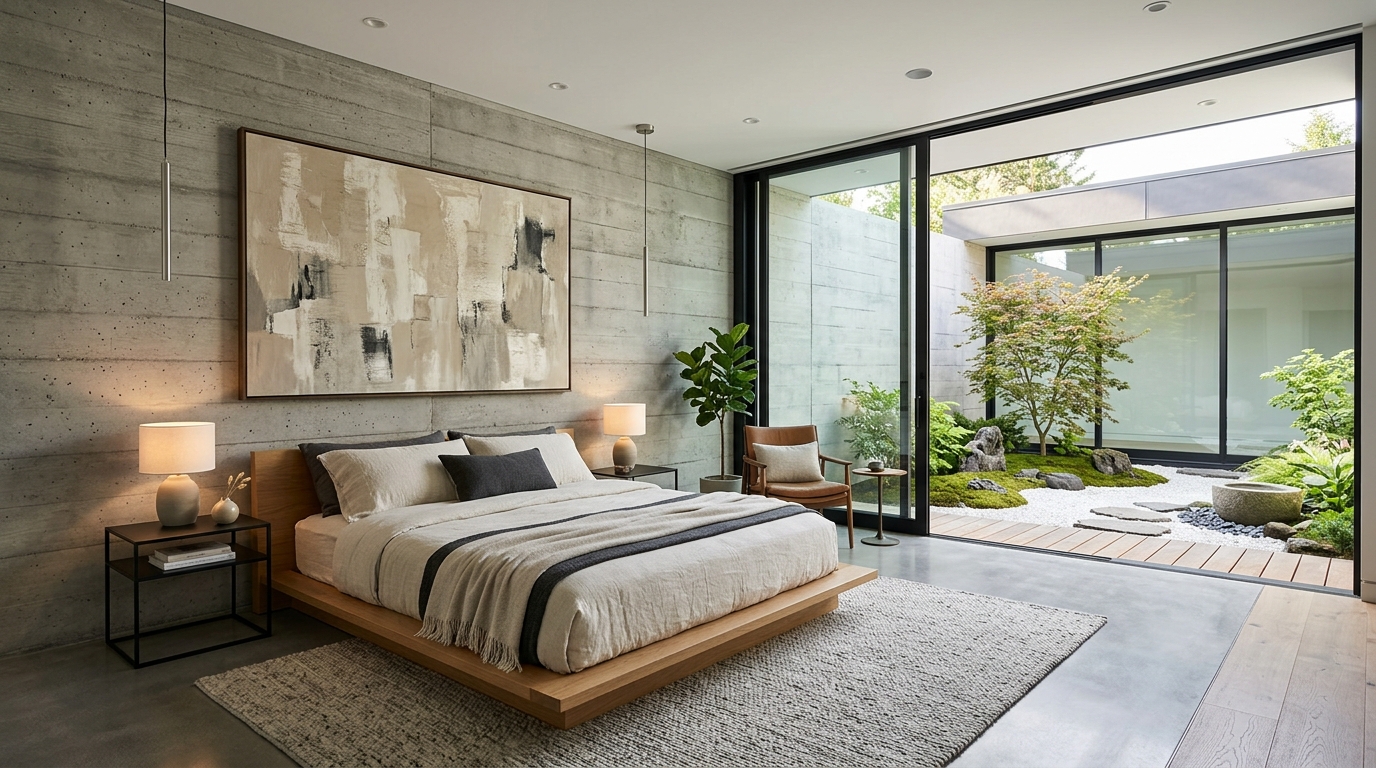
Every home tells a story, and that story is shaped by the interior design decorating styles chosen to bring a space to life. From the clean lines of modern interiors to the relaxed warmth of farmhouse decor, each style carries its own personality, history, and visual language.
Understanding these different approaches makes it far easier to create a home that feels intentional rather than random. Many people naturally blend elements from more than one style, and this is completely normal, often resulting in the most personal and comfortable spaces.
This guide breaks down the most recognized interior design decorating styles in simple, easy-to-follow terms, explaining what defines each one and where it works best. By the end, choosing a direction for your own home should feel far less overwhelming and much more exciting.
Quick Comparison of Interior Design Decorating Styles
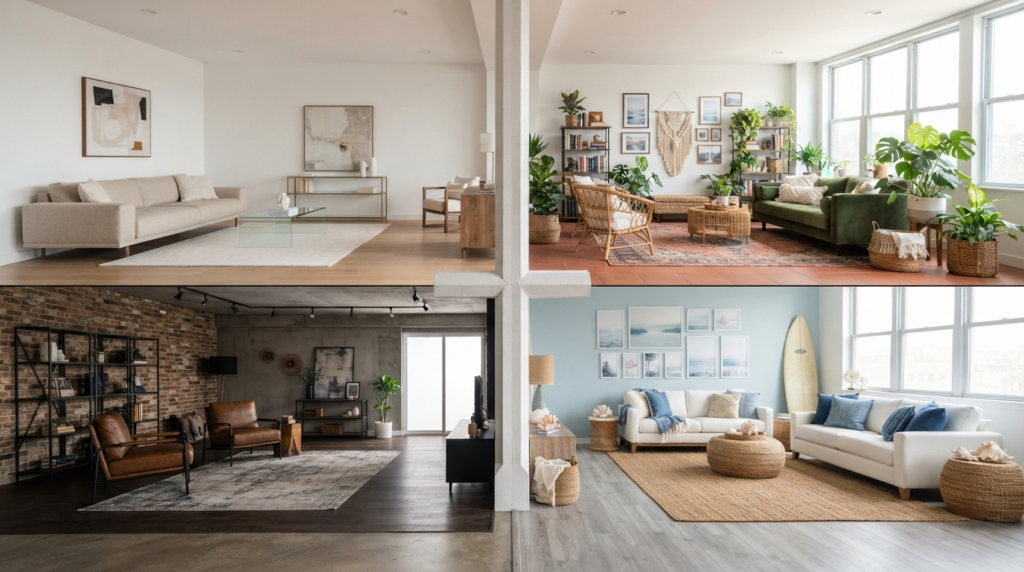
Before exploring each style in detail, it helps to see them side by side. The table below offers a quick snapshot of popular interior design decorating styles and what sets them apart in terms of mood, color, and materials.
| Style | Best Suited For | Typical Color Palette | Signature Materials |
| Modern | City apartments, offices | Neutral, monochrome | Metal, glass, steel |
| Minimalist | Small or compact spaces | White, soft grey | Clean, uncluttered surfaces |
| Scandinavian | Cozy family homes | Light wood tones, white | Wood, wool, natural fiber |
| Industrial | Lofts, converted warehouses | Grey, black, brown | Exposed brick, raw metal |
| Traditional | Formal, classic homes | Deep reds, gold, navy | Wood, damask fabric |
| Mid-Century Modern | Retro-inspired homes | Mustard, teal, walnut | Wood, tapered furniture legs |
| Farmhouse | Country or suburban homes | Cream, sage, off-white | Reclaimed wood, shiplap |
| Coastal | Beach houses, sunrooms | Blue, sand, white | Linen, rattan, jute |
| Bohemian | Creative, artistic spaces | Earthy, layered tones | Textiles, plants, rugs |
| Maximalist | Bold, expressive homes | Rich, contrasting colors | Pattern, layered decor |
Modern and Minimalist Interior Design Decorating Styles
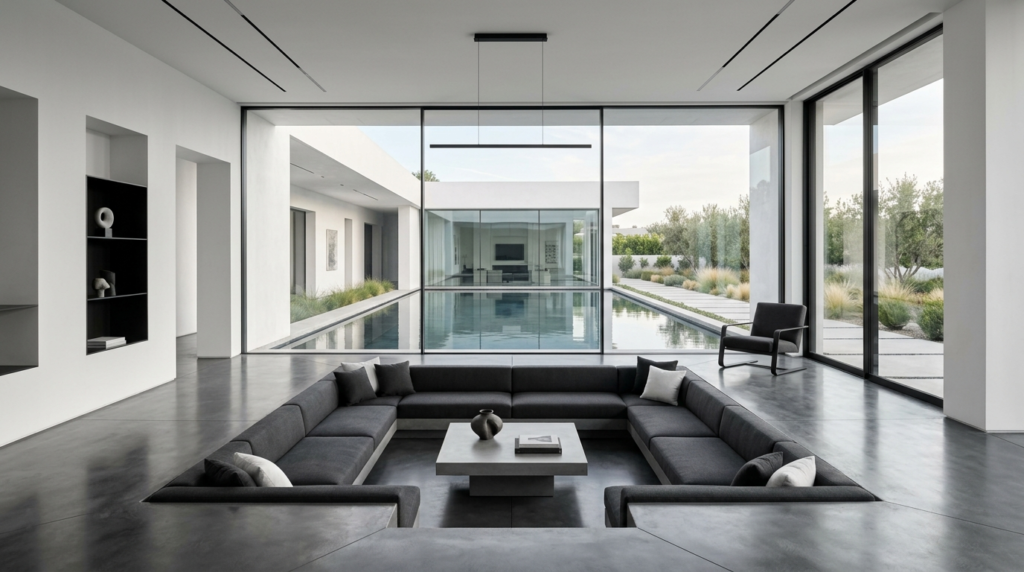
This group focuses on simplicity, function, and restraint rather than heavy ornamentation. It appeals strongly to people who want their homes to feel calm, organized, and visually light.
Modern
Modern style centers on clean geometric lines, uncluttered surfaces, and a neutral color base with occasional bold accents.
Furniture tends to have simple silhouettes with minimal detailing, favoring materials like steel, glass, and polished wood. It works particularly well in apartments and homes where openness and light are priorities.
Minimalist
Minimalist decorating strips a room down to only what is functional and meaningful, avoiding excess furniture or decoration.
Every item in the space usually serves a clear purpose, and color palettes stay close to white, grey, or soft neutrals. This style suits smaller homes and anyone who prefers a calm, distraction-free environment.
Scandinavian
Scandinavian style blends minimalism with warmth, using light wood, soft textiles, and plenty of natural light to keep spaces feeling cozy rather than cold.
Functionality remains important, but comfort is never sacrificed for simplicity. It is one of the most livable interior design decorating styles for everyday family homes.
Industrial and Mid-Century Styles
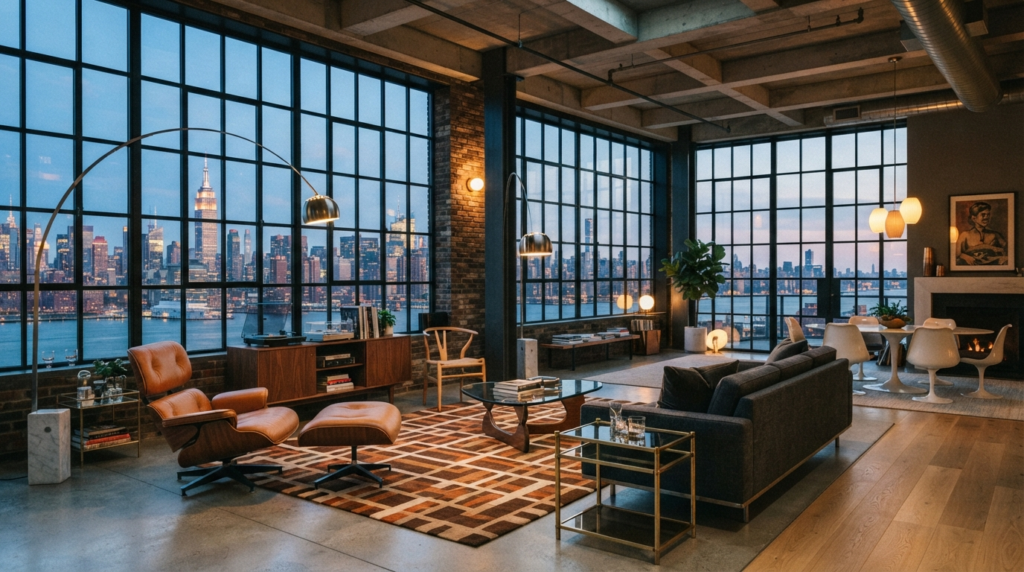
These styles draw inspiration from earlier design eras, mixing raw structural elements with retro shapes and finishes. They tend to feel bold, characterful, and slightly unconventional compared to modern minimalism.
Industrial
Industrial decorating showcases raw, unfinished materials such as exposed brick, ductwork, and metal fixtures, often found in converted warehouses or urban lofts. Furniture typically leans toward reclaimed wood and dark metal frames. The overall mood feels rugged, masculine, and unapologetically utilitarian.
Mid-Century Modern
Mid-century modern draws from the 1950s and 60s, featuring tapered wooden legs, organic curves, and a palette of mustard, teal, and burnt orange.
Function and form are balanced carefully, with furniture designed to be both practical and sculptural. It remains one of the most enduring and widely referenced interior design decorating styles today.
Art Deco
Art Deco brings glamour through bold geometric patterns, metallic accents, and rich jewel-toned colors like emerald and gold.
It originated in the 1920s and continues to influence luxury interiors with its symmetrical layouts and statement lighting. This style suits homeowners who want drama and polish rather than understatement.
Traditional and Transitional Styles
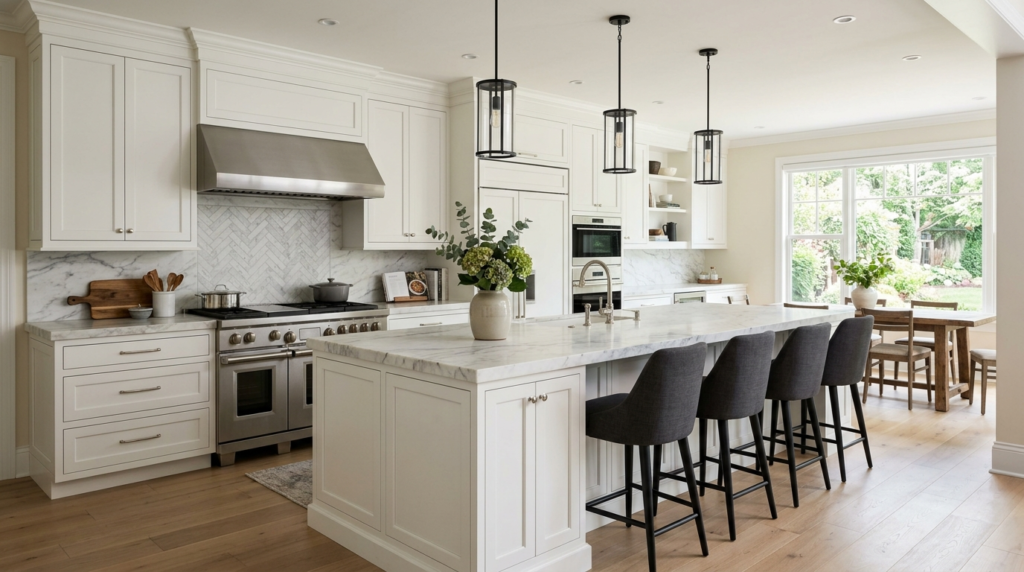
This category appeals to those who appreciate classic elegance, whether through fully formal decor or a softened, updated version of it. Both styles prioritize comfort alongside refinement.
Traditional
Traditional decorating draws from 18th and 19th century European design, featuring ornate furniture, rich wood tones, and detailed fabrics like damask or velvet. Symmetry and coordinated color schemes are central to the look. It suits homeowners who enjoy formality and timeless sophistication over trend-driven choices.
Transitional
Transitional style blends traditional comfort with modern simplicity, softening ornate details while keeping warmth and texture intact.
Neutral palettes are common, layered with subtle patterns and clean-lined furniture. It works well for those who cannot fully commit to either strictly classic or strictly modern interiors.
Nature-Inspired Interior Design Decorating Styles
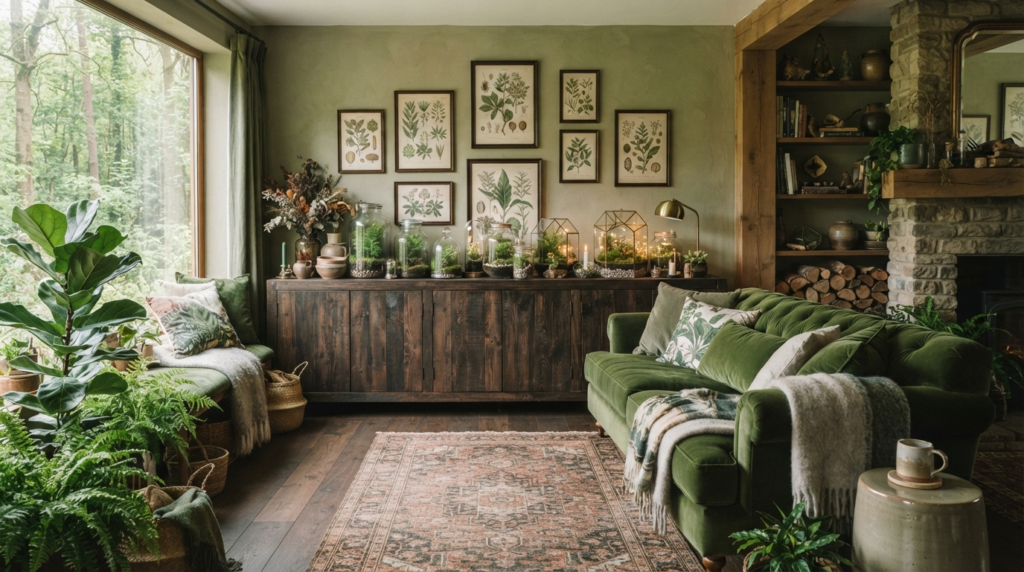
These styles bring the outdoors in, relying heavily on natural textures, muted tones, and organic materials to create relaxed, grounded spaces. They tend to feel inviting and low-pressure rather than formal.
Farmhouse
Farmhouse decorating combines rustic charm with practical comfort, often featuring shiplap walls, reclaimed wood furniture, and a soft cream or sage color palette.
Vintage-inspired accessories add character without feeling cluttered. It remains popular for suburban and countryside homes seeking a welcoming, lived-in atmosphere.
Rustic
Rustic style leans into raw, natural materials such as unfinished wood, stone, and wrought iron, evoking cabins and countryside retreats. Colors stay earthy and warm, avoiding anything too polished or synthetic. This approach suits homeowners drawn to a cozy, nature-first aesthetic.
Coastal
Coastal decorating mirrors the calm of beach environments through soft blues, sandy neutrals, and breezy textiles like linen and cotton.
Natural fibers such as rattan and jute are common in furniture and accessories. It works particularly well in sunrooms, vacation homes, or any space meant to feel light and airy.
Eclectic and Expressive Interior Design Decorating Styles
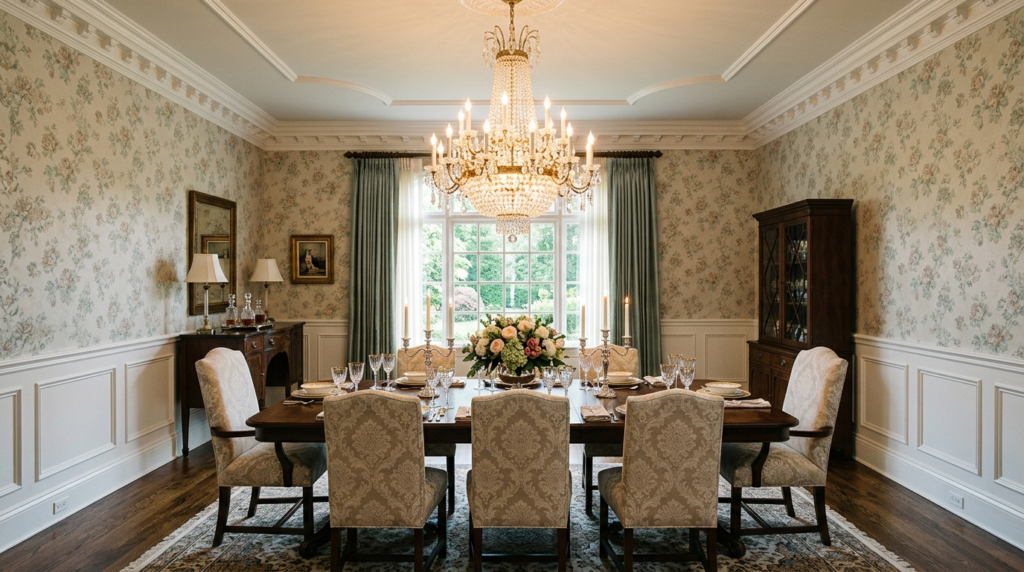
For homeowners who prefer personality over restraint, these styles allow layering, mixing, and bold self-expression. They tend to reject strict rules in favor of curated individuality.
Bohemian
Bohemian, often shortened to boho, layers textiles, plants, and global-inspired patterns to create a relaxed, artistic atmosphere. There are no strict color rules, though earthy and jewel tones appear frequently. It suits creative individuals who enjoy collecting pieces from different cultures and eras.
Eclectic
Eclectic decorating intentionally mixes furniture, colors, and eras that would not normally be paired, unified through a thoughtful sense of balance. It requires a good eye for proportion and color harmony to avoid feeling chaotic. This style is ideal for those who dislike being confined to one category.
Maximalist
Maximalist style embraces bold colors, layered patterns, and abundant decor rather than restraint. Every surface often carries visual interest, from patterned wallpaper to curated collections of art and objects. It appeals to confident decorators who see their home as a full expression of personal taste.
How to Choose the Right Interior Design Decorating Style for Your Home
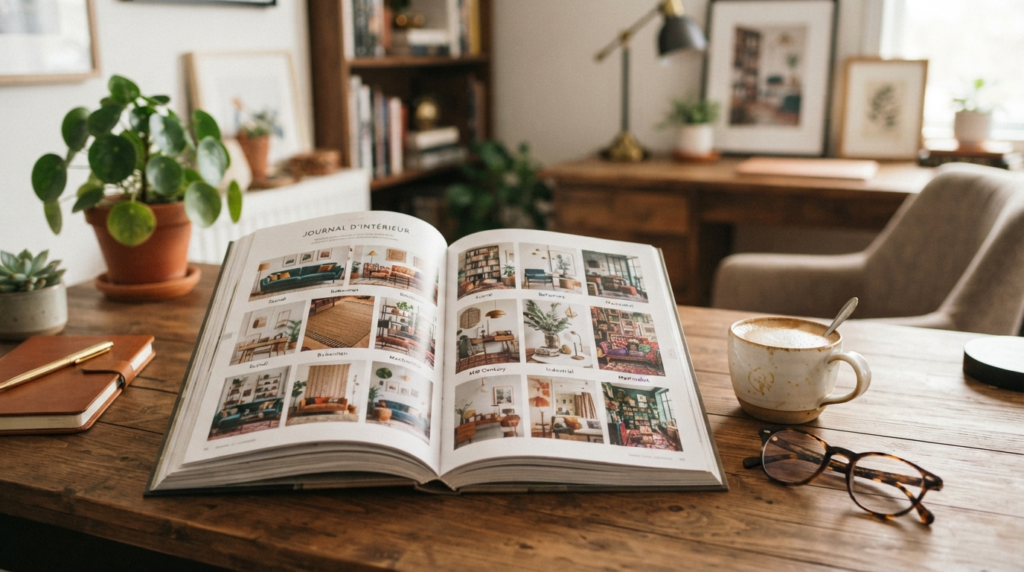
Selecting from the many interior design decorating styles available should start with lifestyle rather than trends. A busy household with children may benefit from durable, low-maintenance choices like Scandinavian or transitional styles, while a single professional in a small apartment might lean toward minimalist or modern layouts.
Budget also plays a role, since traditional and art deco interiors often require more investment in detailed furniture and finishes compared to farmhouse or industrial looks that embrace imperfection. Space size matters too, as minimalist and coastal styles tend to make small rooms feel larger, while maximalist and bohemian styles thrive in homes with more square footage to layer decor.
How This Guide Compares to Other Style Resources
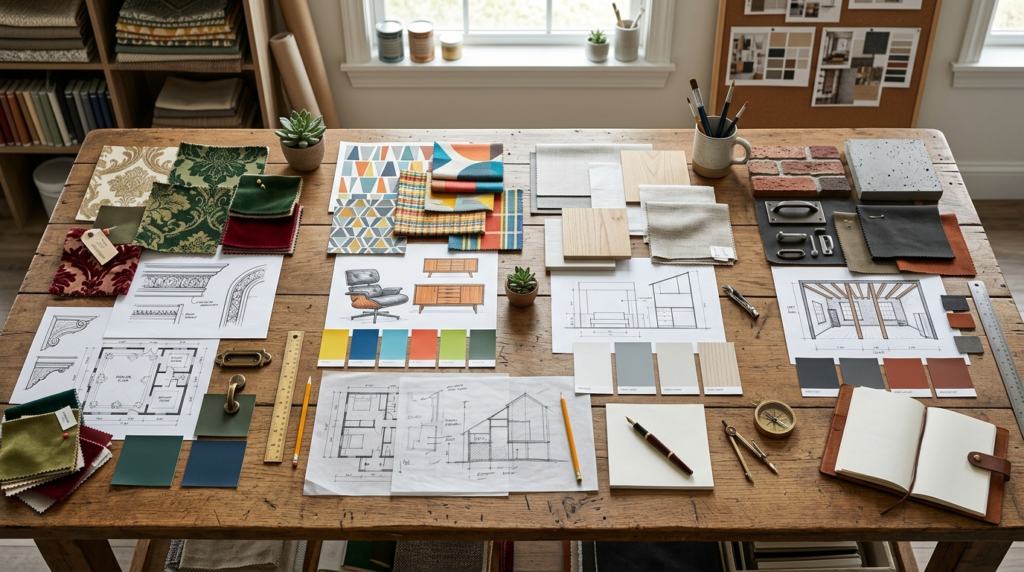
Many existing guides either list dozens of styles briefly or focus heavily on a single designer’s personal projects, leaving readers without a clear side-by-side reference.
This guide combines a quick comparison table with focused explanations of each style’s defining features, colors, and ideal use cases in one place. The goal is to offer practical clarity rather than overwhelming readers with excessive detail or repetitive style descriptions.
Frequently Asked Questions
What is the most popular interior design decorating style right now?
Modern and Scandinavian styles remain among the most searched and adopted interior design decorating styles due to their versatility and calming appeal. Both work well across apartments, family homes, and rental spaces alike.
Can I mix two interior design decorating styles together?
Yes, mixing styles is common and often produces the most personalized results, such as combining industrial and Scandinavian elements. The key is maintaining a consistent color palette so the space still feels cohesive.
How do I find my own decorating style?
Start by noticing which rooms in magazines, homes, or online galleries consistently appeal to you, then look for shared colors, materials, or furniture shapes. Over time, a clear pattern usually emerges that points toward one or two core styles.
Do interior design decorating styles change with trends?
Core styles like traditional, modern, and farmhouse remain fairly stable, though specific colors and materials within them shift with seasonal trends. It is common for a style’s overall structure to stay consistent while smaller details evolve yearly.
Conclusion
Interior design decorating styles ultimately serve as a starting point rather than a strict rulebook, giving homeowners a shared language to describe what they love about a space.
Whether the goal is the calm simplicity of minimalism, the warmth of farmhouse charm, or the boldness of maximalist decor, understanding these categories makes decision-making far easier. Most successful homes end up reflecting a personal blend rather than a single textbook style, and that is exactly how it should be.
Related Post
Dining Room Wall Art: The Ultimate Guide to Transform Your Space
How to Furnish a Small Apartment: A Complete Room-by-Room Guide
Hometown Furniture and Decor: Complete Buying Guide, Locations & Financing