 homeofdecor.online
DIY room decor is one of the easiest ways to turn a plain, boring room into a space that actually feels like you. Instead of spending a fortune on store-bought items, you can create personalized decor using simple materials, a bit of creativity, and some free time.
Whether you live in a rented apartment, a college dorm, or your own house, DIY room decor gives you full control over how your room looks without draining your wallet. This guide walks you through everything from planning your project to finishing touches, so you can start decorating with confidence.
Why DIY Room Decor Is Worth Trying
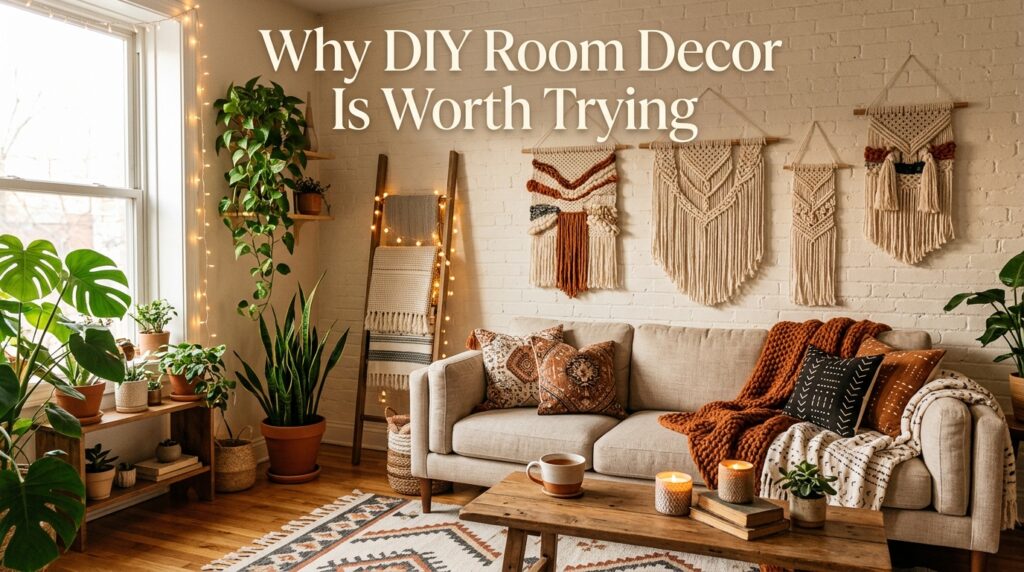
DIY room decor is not just about saving money, it is also about creating something meaningful with your own hands. Below are the main reasons people are turning to DIY projects instead of ready-made decor.
Saves Money Without Sacrificing Style
Store-bought decor items are often overpriced for what they actually are. With DIY room decor, you can use affordable or recycled materials to create pieces that look just as good, sometimes even better, than expensive alternatives. This makes it a great option for students and anyone working with a tight budget.
Lets You Express Your Personality
When you make your own decor, every piece reflects your taste, mood, and interests rather than a mass-produced design that thousands of other people also own. This personal touch makes a room feel warmer and more like an extension of who you are.
Encourages Sustainable Living
Many DIY room decor projects involve reusing old jars, fabric scraps, cardboard, or furniture instead of throwing them away. This reduces waste and gives new life to items that would otherwise end up in a landfill, making your decorating habit a little kinder to the environment.
Planning Your DIY Room Decor Project
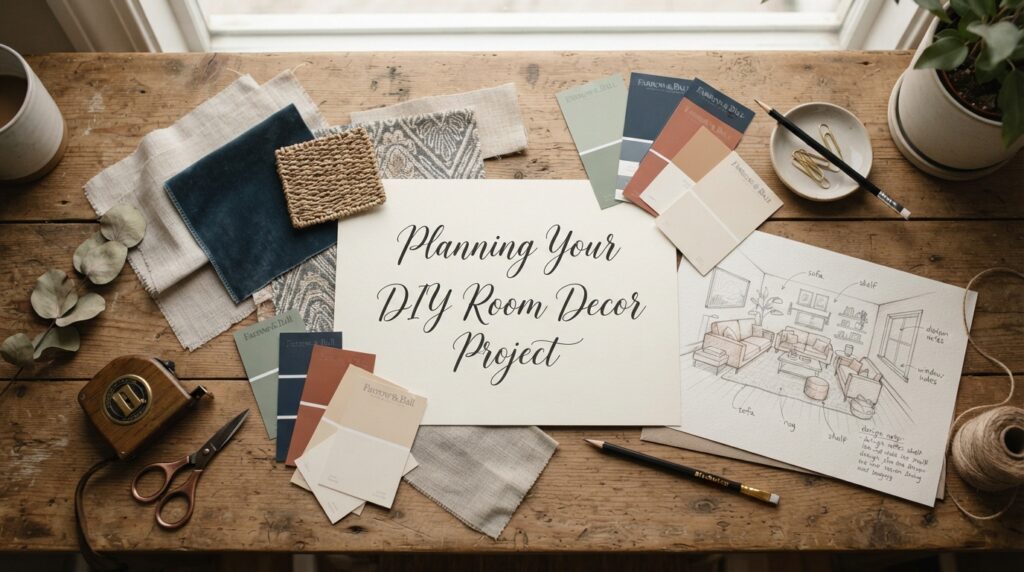
Before picking up any glue gun or paintbrush, a little planning goes a long way. It helps you avoid wasted materials and keeps your final result looking cohesive.
Setting a Realistic Budget
Decide how much you are willing to spend before you start shopping for supplies. Even a small budget of a few dollars can go far if you shop smart at thrift stores, dollar stores, or clearance sections, so write down a number and stick to it throughout the project.
Choosing a Theme That Fits You
Pick a style that matches your personality, such as boho, minimalist, vintage, pastel, or dark academia. Having a clear theme in mind keeps your choices consistent and prevents your room from looking cluttered or mismatched once everything is put together.
Measuring Space and Making a Mood Board
Take basic measurements of your walls, shelves, and furniture so you know what will actually fit. Creating a simple mood board, even just a few saved images on your phone, helps you visualize the final look before you commit time and money to any single idea.
Tools and Materials You’ll Need

Most DIY room decor projects require only a handful of basic tools and materials, many of which you may already have at home.
Basic Tools Every DIYer Should Own
A glue gun, scissors, measuring tape, paintbrushes, and double-sided tape will cover the majority of beginner projects. These tools are inexpensive and reusable, so investing in a small starter kit will save you money on every future project you take on.
Affordable Materials and Where to Find Them
Cardboard, mason jars, fabric scraps, string lights, and washi tape are common materials used across many DIY room decor ideas. Thrift stores, recycling bins, and dollar stores are excellent places to find these items cheaply, often for a fraction of retail price.
| Material | Common Use | Where to Find |
| Mason jars | Vases, lanterns, storage | Kitchen, thrift stores |
| Cardboard | Wall art, organizers | Recycling bin |
| Fabric scraps | Pillow covers, curtains | Old clothes, thrift stores |
| String lights | Room ambiance | Dollar stores, online |
| Washi tape | Wall designs | Craft or stationery stores |
Creative Wall Decor Ideas
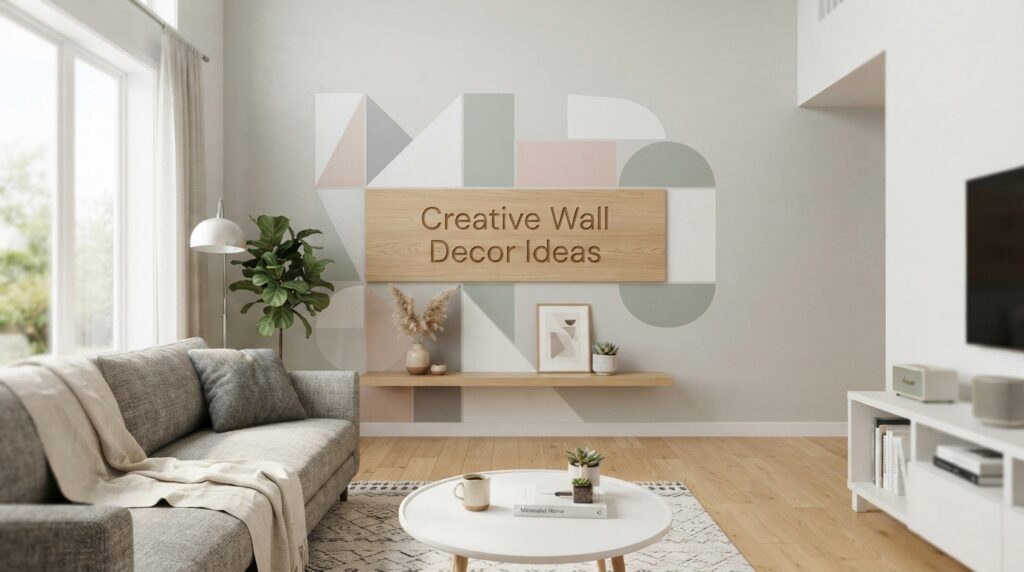
Walls take up the most visual space in a room, which makes them one of the best places to focus your DIY room decor efforts.
Gallery Walls and Painted Art
Arrange a collection of photos, prints, or your own paintings into a gallery wall for an instant focal point. This works well because it can be updated over time and lets you mix different frame styles, colors, and sizes for a personal, curated look.
String Lights and Washi Tape Designs
Draping string lights across a wall or ceiling adds a cozy glow without any permanent damage. Washi tape can also be arranged into geometric shapes or patterns directly on the wall, giving you a decorative accent that peels off easily when you want a change.
Floating Shelves and Stencils
Small floating shelves let you display books, plants, or small decor pieces while keeping floor space free. Paint stencils are another easy option, allowing you to add patterns or designs to a wall without needing advanced painting skills.
Lighting Ideas to Transform Your Room

The right lighting can completely change how a room feels, often more than any single decor piece.
Fairy Lights and LED Strips
Fairy lights wrapped around a headboard, mirror, or window frame create a soft, warm atmosphere in the evening. LED strips placed behind furniture or along ceiling edges add a modern touch and can often be adjusted to different colors.
Mason Jar and Paper Lanterns
Turning old mason jars into lanterns with a small candle or fairy lights inside is a simple weekend project. Paper lanterns, whether store-bought or handmade from folded paper, add a soft diffused light that works well for both daytime and nighttime decor.
Upcycling Furniture and Storage
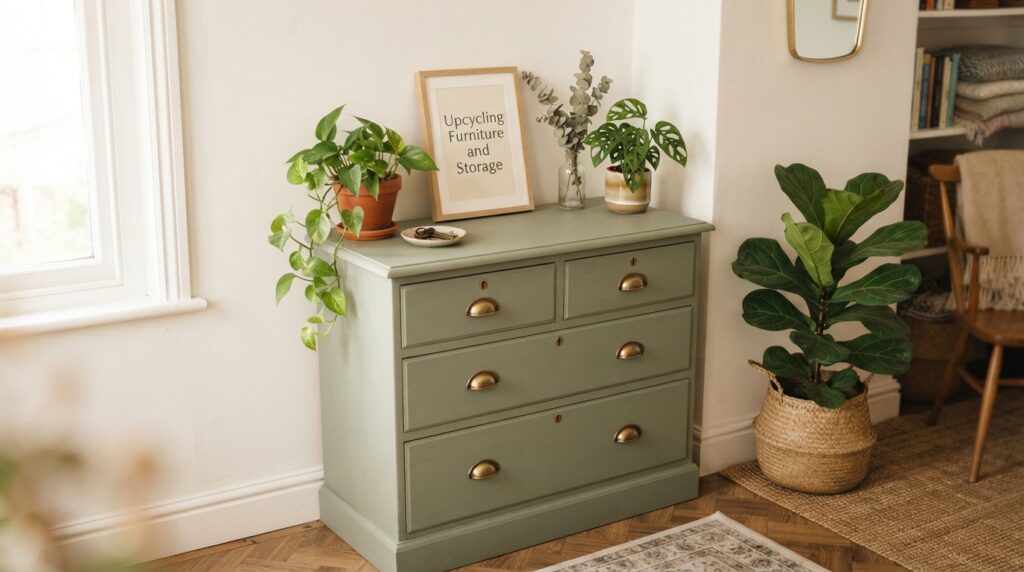
Rather than buying new furniture, upcycling old pieces is a core part of many DIY room decor projects.
Repainting Old Furniture
A fresh coat of paint can completely transform an old nightstand, dresser, or chair into something that looks brand new. Choose a color that matches your room’s theme, and consider adding new handles or knobs for an extra upgrade.
Turning Crates and Boxes into Shelves
Wooden crates or sturdy cardboard boxes can be stacked, painted, and mounted to create functional shelving. This is a low-cost storage solution that also adds visual interest, especially when the crates are arranged in an asymmetrical pattern.
Textiles and Soft Decor Touches
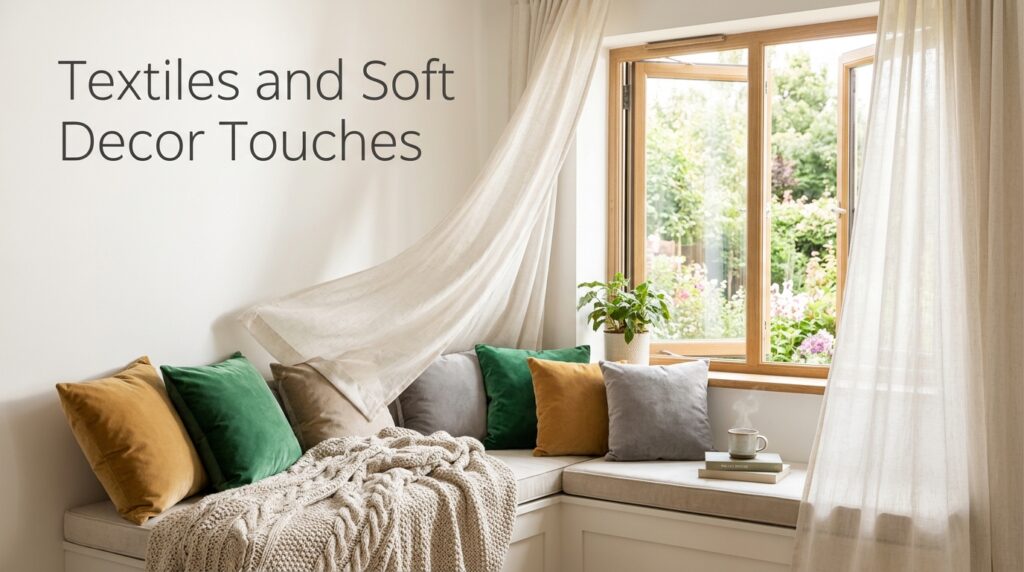
Soft furnishings add comfort and color, rounding out the overall feel of your room.
DIY Pillow Covers and Curtains
Sewing or even no-sew pillow covers from fabric scraps is an easy way to refresh your seating or bed area. Tie-dyeing or block-printing plain curtains is another beginner-friendly project that instantly adds personality to a window.
No-Sew Rugs and Throws
Braided t-shirt rugs or pom-pom blankets require no sewing machine and are surprisingly simple to make with basic materials. These projects are ideal for beginners and add texture underfoot or an extra layer of warmth to a bed or chair.
Budget-Friendly Decor Hacks
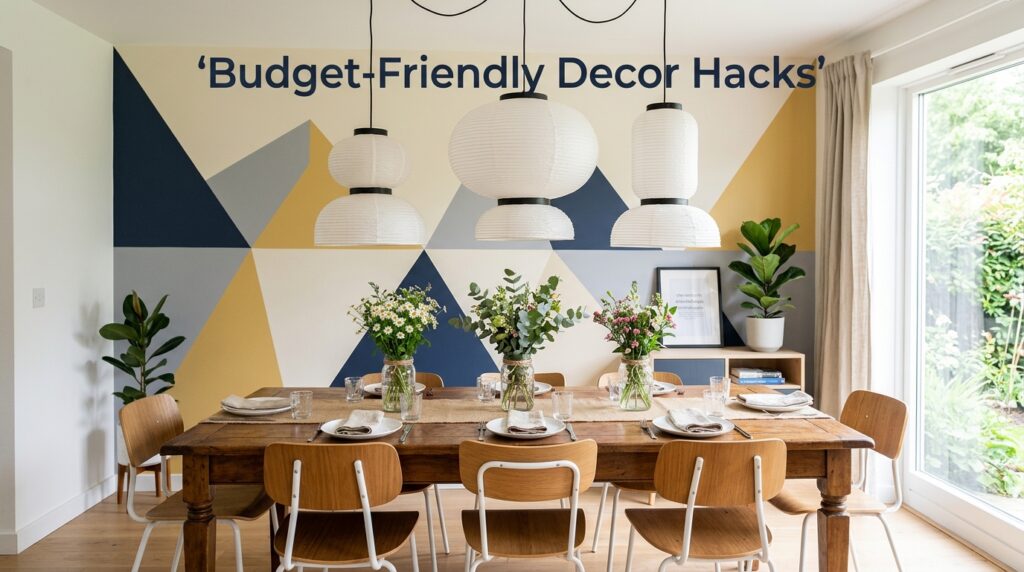
You do not need a large budget to make your room look put together, especially when you know where to look.
Dollar Store Finds
Dollar stores often carry vases, frames, artificial plants, and small containers that can be repainted or repurposed into custom decor pieces. Shopping here first before a craft store can significantly cut down your overall project cost.
Decorating With Nature
Dried flowers, leaves, and smooth stones collected from outdoors cost nothing and can be arranged in jars or framed for wall art. This approach brings a natural, organic feel into your DIY room decor without spending a single dollar.
Tips for Small Spaces and Rented Rooms
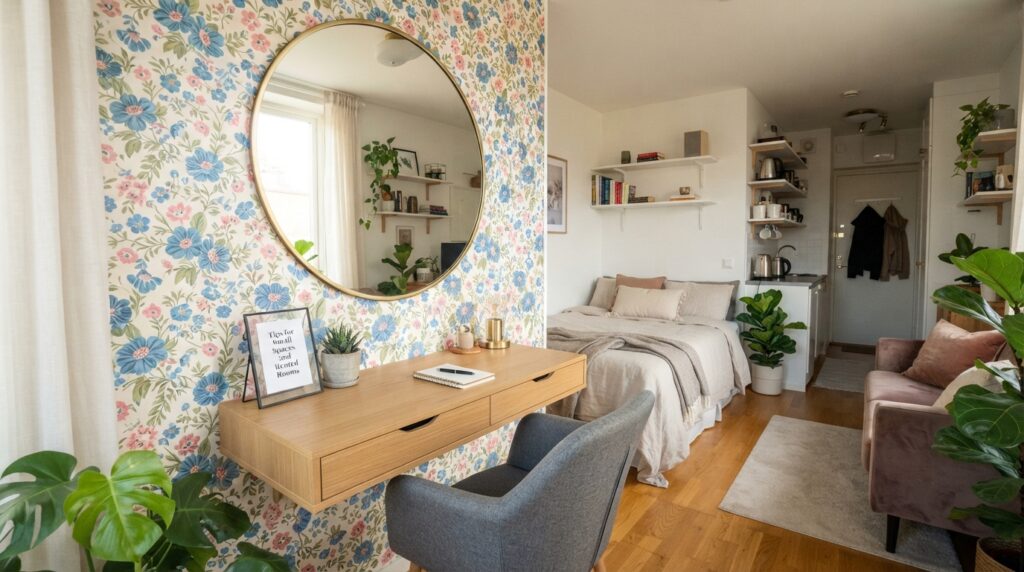
Not everyone has full freedom to paint or drill into their walls, so these tips focus on flexible, damage-free solutions.
Removable and Damage-Free Options
Command strips, removable wallpaper, and washi tape allow you to decorate without leaving marks when it is time to move out. These options are especially useful for renters who still want a personalized space without risking their security deposit.
Space-Saving Tricks
Wall-mounted shelves, under-bed storage, and multi-purpose furniture help small rooms feel larger and more organized. Keeping decor items vertical rather than spread across the floor also makes a tight space feel less cluttered.
Mistakes to Avoid When Decorating
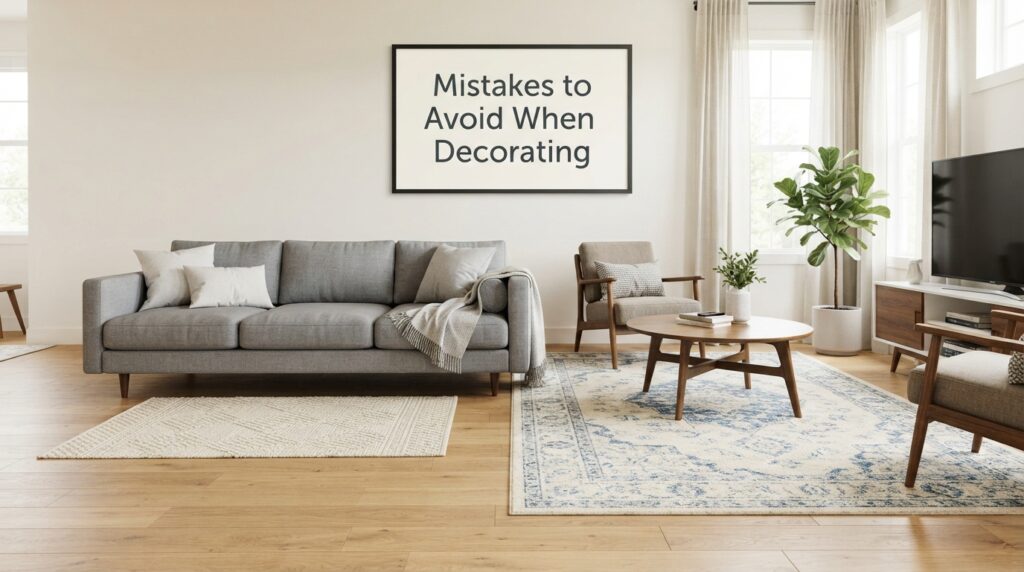
Even with good intentions, a few common errors can make a DIY room decor project less successful.
Overspending on Budget Projects
It is easy to lose track of spending when buying small items one at a time, so the total cost ends up higher than expected. Sticking to a written budget and shopping list helps prevent this common trap.
Overcrowding the Room
Adding too many decor pieces at once can make a room feel cluttered rather than cozy. It is usually better to add items gradually and step back often to judge whether the space still feels balanced.
How This Guide Compares to Other Resources
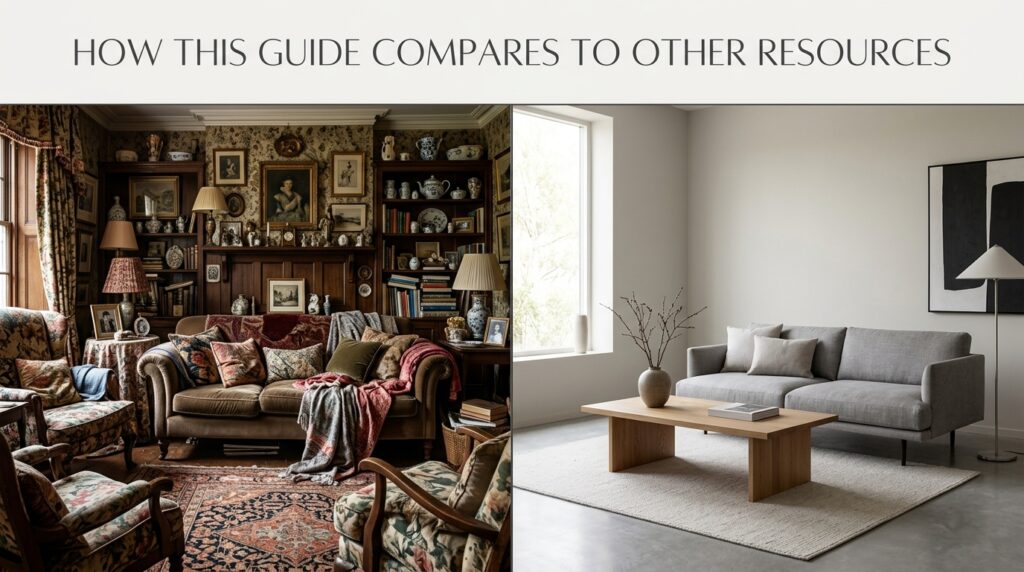
Many articles on DIY room decor either focus only on Pinterest-style photo lists or go too deep into complicated crafting tutorials that beginners struggle to follow.
This guide instead balances practical planning advice, a wide range of beginner-friendly ideas, and budget-conscious tips in one place, making it easier for readers at any skill level to actually start and finish a project rather than just collect inspiration.
Frequently Asked Questions
How much does DIY room decor cost?
Costs vary widely, but many projects can be completed for under a few dollars using thrifted or recycled materials, while more elaborate ones may cost a bit more depending on supplies chosen.
What are the easiest DIY room decor ideas for beginners?
String lights, no-sew pillow covers, and painted mason jars are among the simplest projects, requiring minimal tools and very little prior experience.
How can I decorate my room without damaging the walls?
Command strips, washi tape, and removable wallpaper allow you to add decor without leaving marks, making them ideal for renters or shared spaces.
Conclusion
DIY room decor gives you an affordable, creative, and sustainable way to make any space feel more like home.
By planning ahead, gathering simple materials, and starting with beginner-friendly projects, you can gradually transform your room without overspending or feeling overwhelmed. Start small, experiment with the ideas in this guide, and build your space one project at a time.