 homeofdecor.online
Gothic home decor is a design style that blends medieval architecture, Victorian elegance, and a touch of dark romance into everyday living spaces. It relies on deep colors, ornate furniture, moody lighting, and symbolic accents to create a home that feels dramatic yet welcoming.
This style has grown popular among people who want their homes to reflect personality, mystery, and timeless character rather than plain, generic design. In this guide, you will learn every element needed to build a gothic home decor theme from the ground up, room by room, without overspending or overcomplicating the process.
Understanding Gothic Home Decor

Before decorating any room, it helps to understand where gothic home decor comes from and what makes it different from ordinary interior styles. This section breaks down its meaning and background in simple terms.
What Is Gothic Home Decor
Gothic home decor refers to an interior design approach inspired by Gothic architecture, Victorian aesthetics, and dark academia influences. It focuses on rich textures, deep colors, and ornate detailing rather than minimalism.
The goal is to create a space that feels bold, romantic, and slightly mysterious while still being comfortable to live in.
Origins and History
This style traces back to medieval European architecture and was later revived during the Victorian era through the Gothic Revival movement. Cathedrals, castles, and manor houses inspired the pointed arches, dark wood, and stained glass seen in gothic interiors today.
Over time, this architectural influence moved into home decor, giving birth to the modern gothic aesthetic people use in bedrooms and living rooms.
Core Elements That Define Gothic Style

Every gothic home decor theme is built on a few essential pillars that work together to create the overall mood. Understanding these basics makes it easier to design any room correctly.
Color Palette
The gothic color palette centers around deep, saturated shades rather than bright or pastel tones. Black, burgundy, and dark purple form the foundation, while gold or silver accents add contrast and richness. Choosing two or three dominant colors keeps a room looking intentional instead of chaotic.
| Color Type | Examples | Best Used For |
| Base Colors | Black, charcoal | Walls, large furniture |
| Deep Accents | Burgundy, emerald, plum | Curtains, upholstery |
| Metallic Highlights | Gold, silver, bronze | Frames, hardware, candle holders |
Furniture
Gothic furniture usually features dark wood, carved detailing, and curved or claw-foot legs. Antique or antique-style pieces work best, since they naturally carry the ornate character this style demands. Mixing a few statement pieces with simpler furniture keeps the room from feeling overly heavy.
Lighting
Lighting plays a major role in setting the gothic mood, since natural light is often kept soft and warm rather than harsh. Wrought iron chandeliers, candelabras, and wall sconces are common choices that add drama without feeling artificial. Layering different light sources helps balance visibility with atmosphere.
Textiles, Wallpaper and Wall Treatments

Fabrics and wall finishes add texture and depth to a gothic room, making flat surfaces feel luxurious. This section covers how to choose materials that support the overall theme.
Fabrics and Textiles
Velvet, brocade, and lace are the most common fabrics used in gothic interiors because of their rich texture and light-reflecting quality. These materials work well on curtains, cushions, and upholstered furniture. Layering different textures, such as velvet with lace trim, adds visual interest without needing extra color.
Wallpaper and Wall Finishes
Damask patterns, baroque prints, and dark floral designs are popular choices for gothic wallpaper. For a subtler approach, dark wood paneling or textured paint finishes can achieve a similar effect without full wallpaper coverage. Choosing one accent wall is often enough to set the tone for an entire room.
Decor Accents and Wall Art

Small details often make the biggest difference in gothic home decor, since they carry the symbolism and personality of the style. This section explains how to choose accents that feel authentic rather than costume-like.
Symbolic Accessories
Common gothic accessories include candle holders, antique-style mirrors, and small sculptural items like gargoyles or raven figures. These pieces work best when used sparingly as focal points rather than scattered throughout every shelf. A few well-placed items usually create more impact than a cluttered display.
Art and Mirrors
Dark, moody paintings and vintage-style portraits suit gothic walls far better than bright or abstract art. Ornate mirror frames also double as decorative pieces while making a room feel larger and more reflective of candlelight. Grouping two or three framed pieces together creates a simple gallery wall effect.
Architectural Details for Gothic Interiors
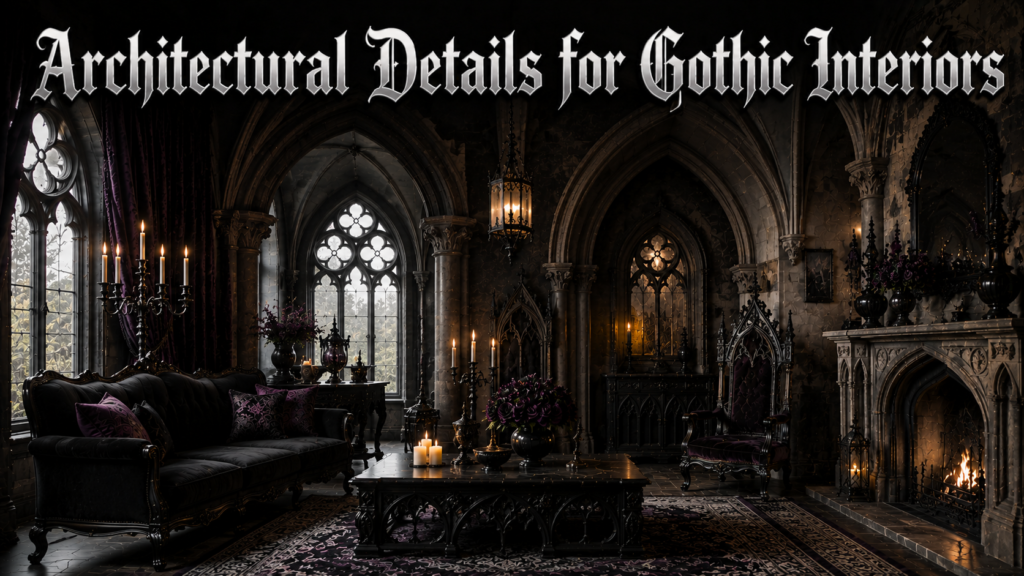
Not everyone can change the structure of their home, but small architectural touches can still recreate a gothic feel. This section looks at practical ways to add these details.
- Doorways, Windows and Beams
- Arched doorways and windows are signature gothic features, and where structural changes aren’t possible, arched mirrors or wall panels can mimic the look. Exposed wooden beams also add an authentic, aged character to ceilings. These details work especially well in older homes with existing architectural charm.
- Iron Fixtures and Stained Glass
- Wrought iron door handles, railings, and light fixtures reinforce the gothic theme through their dark, textured finish. Stained glass panels, even in small window inserts, add color and pattern without overwhelming a space. Both elements are relatively easy to add during minor renovations.
Room-by-Room Gothic Decor Ideas
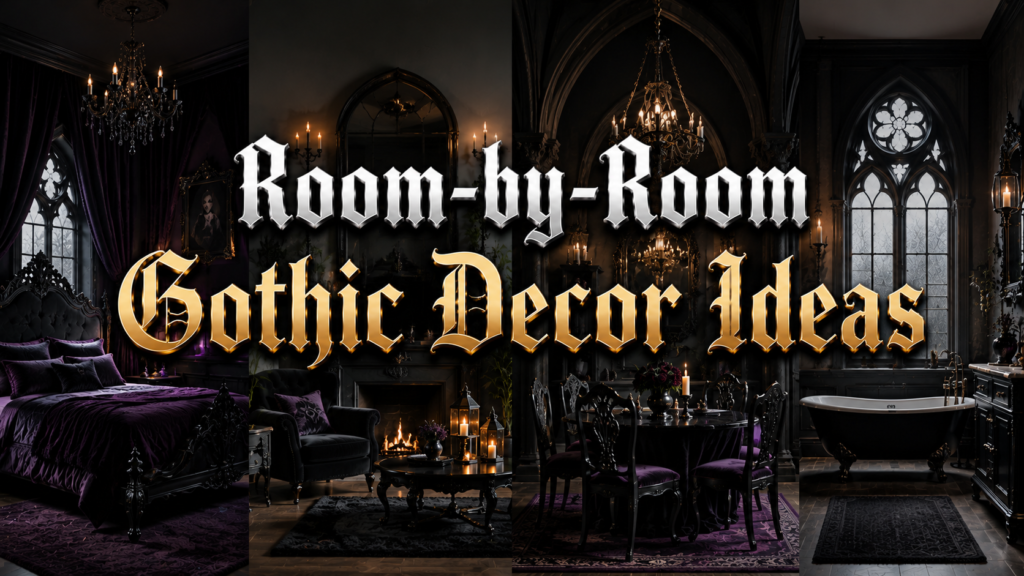
Applying gothic home decor across an entire house can feel overwhelming, so it helps to plan room by room. Each space has slightly different needs based on its function.
Gothic Living Room
A gothic living room usually combines dark upholstered seating, a statement chandelier, and layered textiles like velvet cushions or throws. Adding a dark accent wall or antique mirror above the fireplace strengthens the theme further. Keeping the layout open prevents the room from feeling too enclosed despite the dark palette.
Gothic Bedroom
Bedrooms benefit from a four-poster or carved wooden bed frame paired with deep-colored bedding and soft ambient lighting. Heavy curtains in velvet or brocade help control light while adding to the dramatic effect. A single antique dresser or vanity often completes the look without cluttering the space.
Gothic Dining Room
A long wooden dining table with ornate chairs forms the centerpiece of a gothic dining room, often paired with a wrought iron chandelier above it. Dark tablecloths, candle centerpieces, and vintage-style dinnerware complete the setting. This room works well for entertaining guests in a memorable, atmospheric setting.
Budget-Friendly Gothic Decor Tips
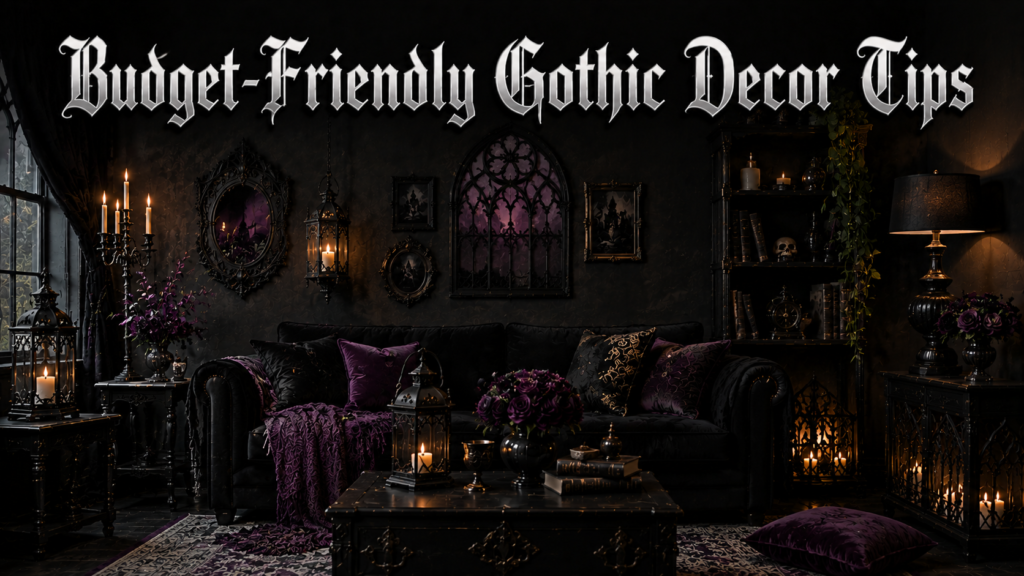
Gothic home decor does not require expensive antique shopping, since many elements can be recreated affordably. This section shares practical, low-cost approaches.
DIY Ideas
Painting existing furniture black or dark brown can instantly recreate the gothic look without buying new pieces. Simple additions like candle holders, dark throw pillows, or framed vintage-style prints also make a noticeable difference. Many of these projects can be completed in a single weekend.
Thrift and Flea Market Shopping
Secondhand stores and flea markets often carry ornate furniture and frames at a fraction of antique store prices. Looking for solid wood pieces with carved detailing, regardless of current color or condition, gives the most flexibility for repainting or reupholstering later. Patience and regular visits usually lead to the best finds.
Modern Gothic vs Traditional Gothic
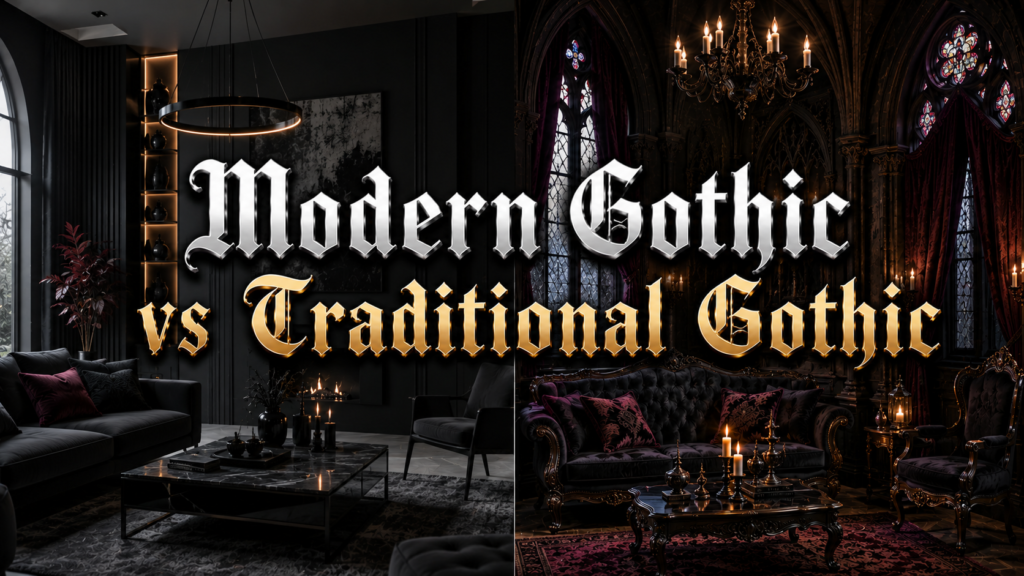
Gothic home decor has evolved into several variations, allowing people to adapt the style to their personal taste and living space.
| Style Type | Key Features | Best Suited For |
| Traditional Gothic | Heavy antique furniture, dark wallpaper, candelabras | Larger, older homes |
| Minimalist Gothic | Dark neutral tones, simple silhouettes, minimal accents | Small apartments, modern spaces |
| Gothic Industrial | Iron fixtures, exposed brick, dark metal accents | Loft-style or converted spaces |
Common Mistakes to Avoid
Many people unintentionally overdo the darker elements of gothic home decor, which can make a room feel cramped rather than dramatic. Ignoring natural light balance is another frequent issue, since a room with zero light contrast can feel lifeless during the day. Mixing too many unrelated furniture styles also weakens the overall theme, so sticking to a consistent color and material palette across each room is essential for a cohesive result.
A Quick Look at How Other Guides Approach This Topic
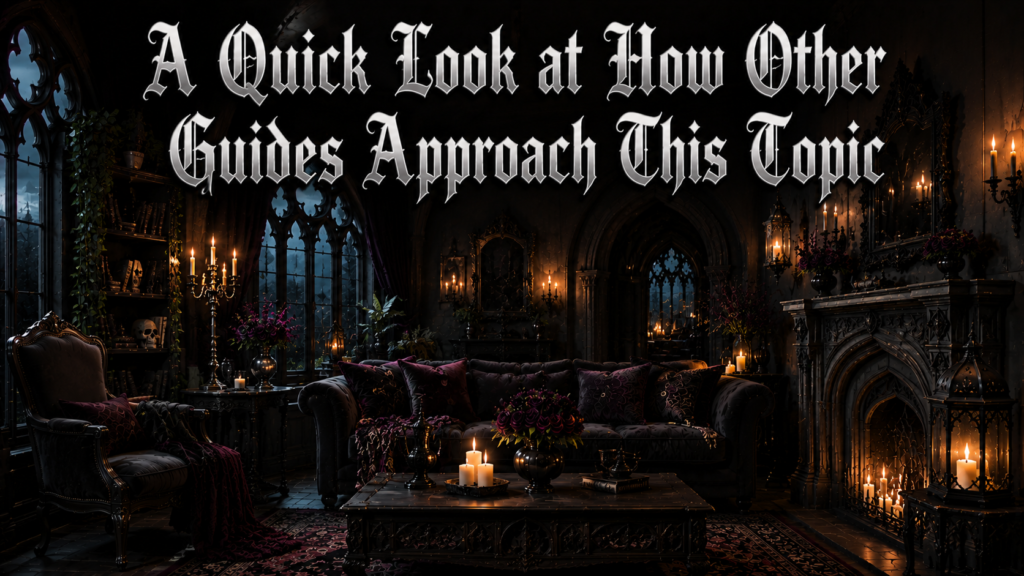
Most existing articles on gothic home decor focus heavily on furniture and color without explaining budget options or room-specific planning in detail. This guide fills that gap by combining historical context, practical shopping advice, and room-by-room breakdowns in one place, giving readers a more complete and actionable resource rather than a surface-level overview.
Frequently Asked Questions
Is gothic home decor expensive to achieve?
Not necessarily, since many effects can be recreated using paint, thrifted furniture, and affordable textiles instead of genuine antiques.
Does gothic decor work in small apartments?
Yes, especially through the minimalist gothic approach, which uses fewer dark accents and simpler furniture shapes suited to smaller spaces.
What is the easiest way to start decorating in this style?
Begin with one accent wall, a few dark textiles, and a single statement lighting piece before expanding to furniture and larger renovations.
Conclusion
Gothic home decor offers a way to bring drama, history, and personality into a home without following generic design trends. By focusing on color, texture, lighting, and a few meaningful accents, anyone can build this look gradually and affordably. Whether applied to a single room or an entire home, the result is a space that feels rich, timeless, and distinctly personal.
Related Articles
Economy Home Decor: Simple Budget Ideas to Style Your Home
Western Home Decor: The Complete Guide to Rustic Ranch Style