 homeofdecor.online
Decorating a home does not always require a huge budget or expensive designer pieces. Economy home decor is about making smart choices that give your space a fresh, stylish look while spending less money.
With a little planning, creativity, and the right shopping habits, anyone can turn a plain room into a warm and welcoming space. This guide walks you through practical ideas, room-by-room tips, DIY projects, and smart shopping advice so you can decorate confidently without stretching your finances.
Understanding Economy Home Decor
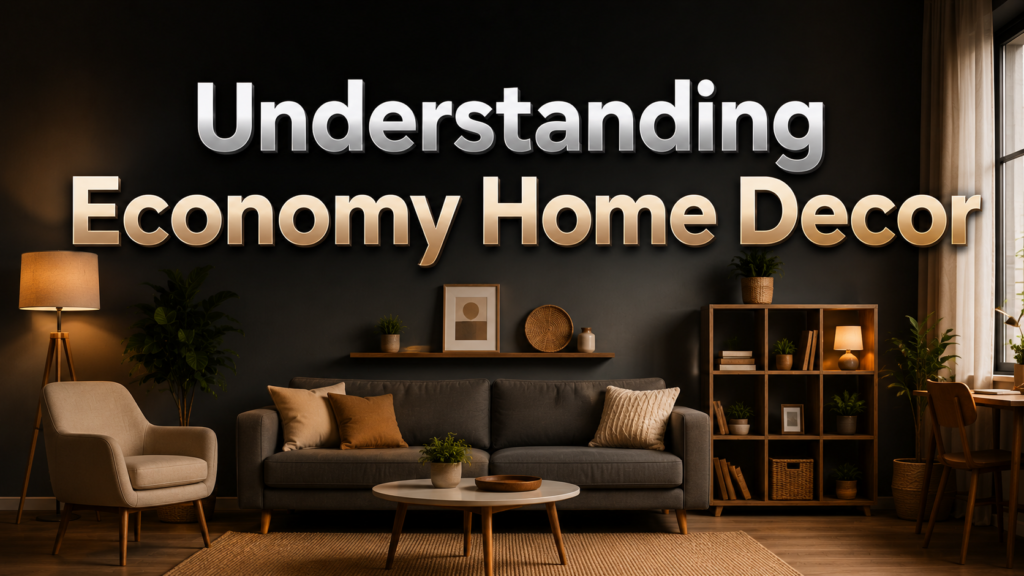
Economy home decor simply means decorating your home in a cost-effective way without compromising on comfort or style. It focuses on smart spending, reusing items, and choosing affordable alternatives to expensive decor pieces.
What Economy Home Decor Really Means
At its core, economy home decor is about value, not cheapness. It means choosing items that look good, last long, and fit your budget instead of overspending on trends. The goal is to create a space that feels personal and comfortable while keeping costs under control.
Common Myths About Budget Decorating
Many people assume budget decorating always looks plain or low quality, but that is not true. With good color choices, thoughtful arrangement, and a few well-picked pieces, an inexpensive room can look just as elegant as an expensive one. The difference lies in planning, not price tags.
Why Choose Economy Home Decor
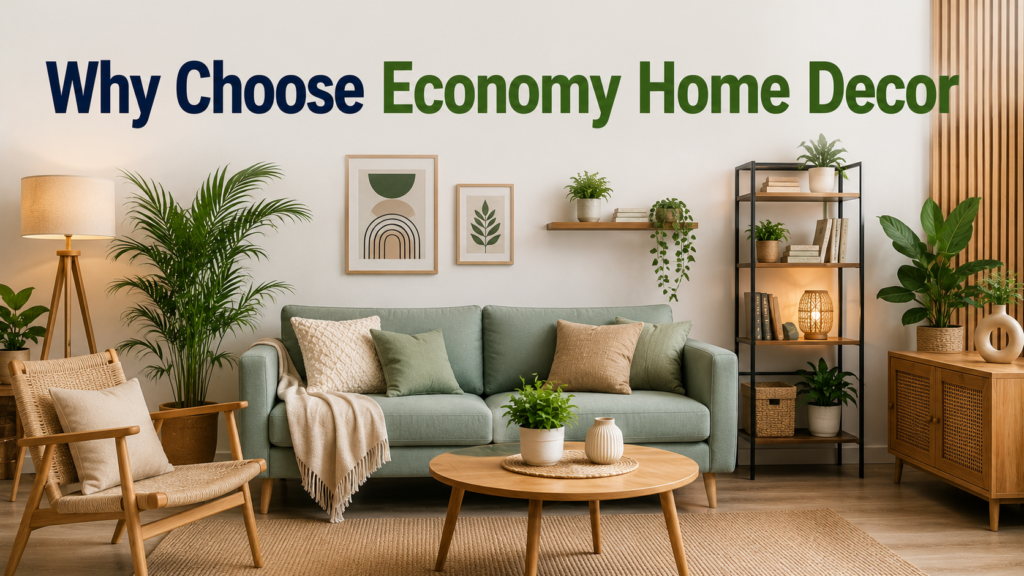
Choosing economy home decor allows you to save money while still enjoying a beautiful home. It also encourages creativity, sustainability, and smarter long-term decisions.
Financial Benefits
Budget decorating helps you avoid unnecessary debt or overspending on furniture and accessories. You can allocate your savings toward other important needs while still enjoying a well-decorated home. This approach also makes it easier to update your space more frequently.
Creative and Personal Benefits
When you decorate on a budget, you naturally explore DIY projects, thrift finds, and unique combinations. This process often results in a home that reflects your personality more than a store-bought, uniform look. It also builds practical skills like painting, sewing, or basic woodworking.
Planning Your Budget Decor Project
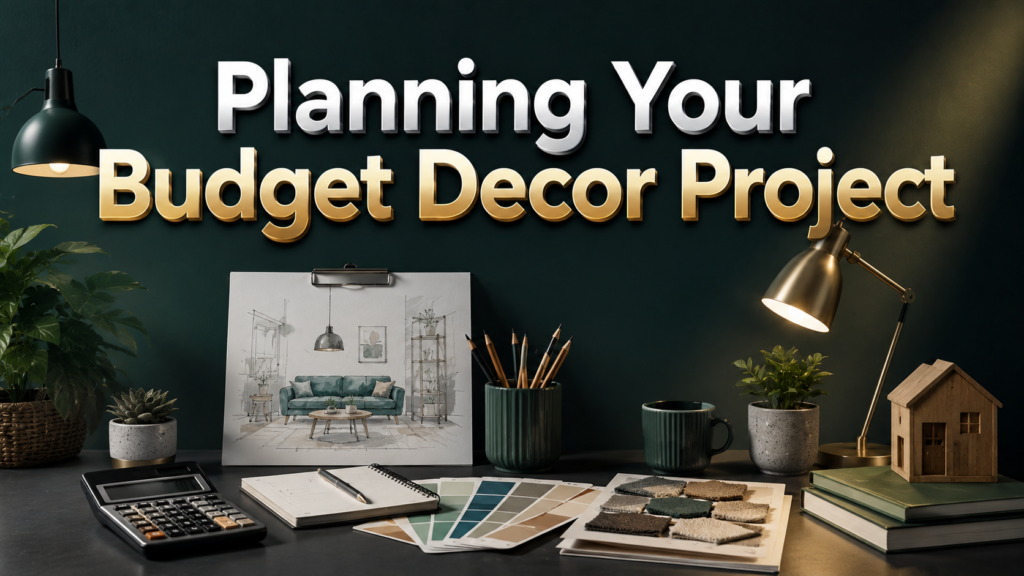
Before buying anything, proper planning ensures your money is spent wisely. A clear plan prevents impulse purchases and keeps your economy home decor project organized.
Setting a Realistic Budget
Start by deciding how much you can comfortably spend on the entire project or on each room. Break this amount into smaller categories such as furniture, lighting, and accessories. Having a clear number in mind helps you avoid overspending later.
Making a Priority List
List down which items are essential and which are optional. For example, a comfortable sofa may be more important than decorative cushions. Prioritizing helps you spend on necessities first and add extra decor pieces later as your budget allows.
Creating a Mood Board
A simple mood board, even made with free apps or printed pictures, helps you visualize colors, textures, and furniture styles before purchasing. This step prevents mismatched purchases and saves money on returns or replacements. It also keeps your decorating theme consistent throughout the home.
Room-by-Room Economy Decor Ideas
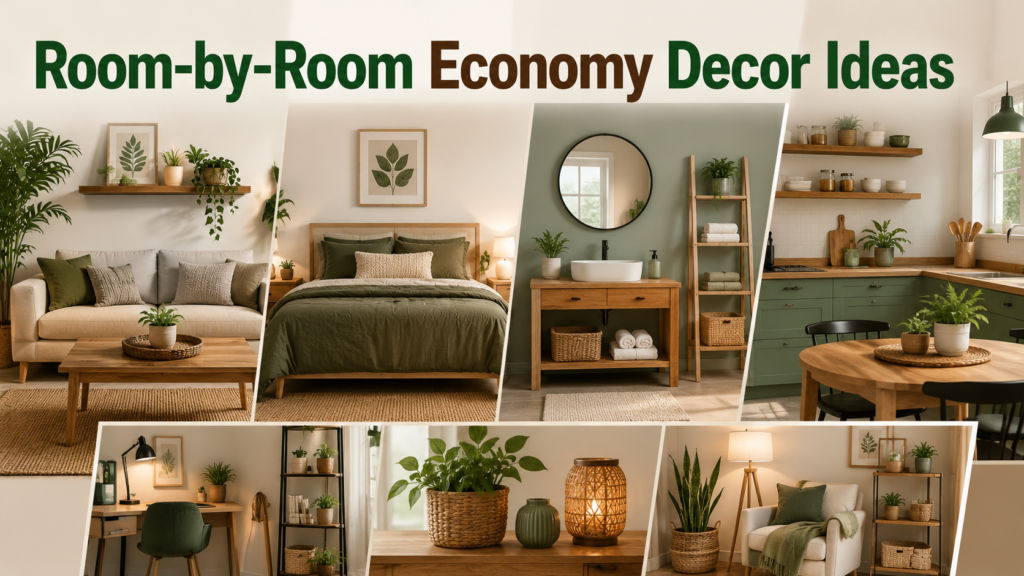
Every room has different needs, so budget decorating ideas should be tailored accordingly. Below are simple, affordable suggestions for the most commonly decorated spaces.
Living Room
For the living room, focus on affordable seating covers, budget-friendly rugs, and a few statement cushions to add color. Rearranging existing furniture can also instantly refresh the look without spending anything. Small additions like a woven basket or a simple table runner add character.
Bedroom
In the bedroom, new bedding, soft lighting, and a simple piece of wall art can transform the entire mood of the space. Choosing one or two accent colors keeps the room looking put-together. Inexpensive curtains can also add warmth without a big expense.
Kitchen
Open shelving, glass jars, and simple organizers make kitchens look neat and stylish at a low cost. Labeling jars or adding a small plant near the window adds a fresh touch. These small changes make daily cooking spaces more pleasant.
Bathroom
Matching towels, a simple bath mat, and small storage baskets instantly upgrade a bathroom’s appearance. Adding a scented candle or a small plant creates a spa-like feel without high spending. These are some of the easiest economy home decor upgrades to apply.
Best Places to Shop for Affordable Decor

Knowing where to shop is just as important as knowing what to buy. Several affordable sources can help you find quality decor items without paying full retail price.
- Thrift Stores and Secondhand Markets
- Thrift stores and secondhand markets often have unique furniture and decor pieces at a fraction of the original price. With a little cleaning or a fresh coat of paint, these items can look brand new. This is one of the most sustainable ways to decorate affordably.
- Online Marketplaces
- Online marketplaces frequently offer discounted decor items, especially during sales seasons. Comparing prices across platforms helps you find the best deals. Reading reviews before purchasing ensures better quality and reduces the risk of disappointment.
- Local Artisans and Sales
- Local artisans often sell handmade decor at reasonable prices while supporting small businesses. End-of-season sales are also a great time to buy furniture and accessories at reduced rates. These options add uniqueness to your economy home decor without overspending.
Easy DIY Projects for Economy Home Decor
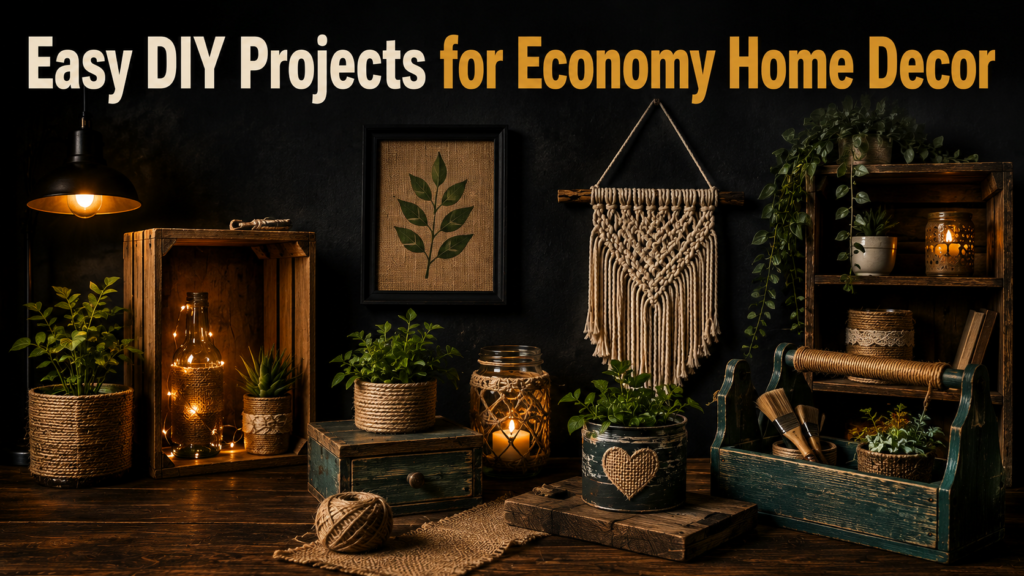
DIY projects are one of the most effective ways to save money while adding a personal touch to your home. They also allow you to customize decor exactly to your taste.
Wall Art and Storage DIYs
Simple wall art can be created using leftover fabric, cardboard, or printed designs framed at home. Painted mason jars or repurposed boxes make excellent storage solutions. These projects are budget-friendly and add a handmade charm to any room.
Repurposing Old Furniture
Old furniture can be repainted, reupholstered, or slightly modified to fit a new theme instead of being replaced. This not only saves money but also reduces waste. A little sanding and paint can make old pieces look completely new.
Smart Decorating Tricks
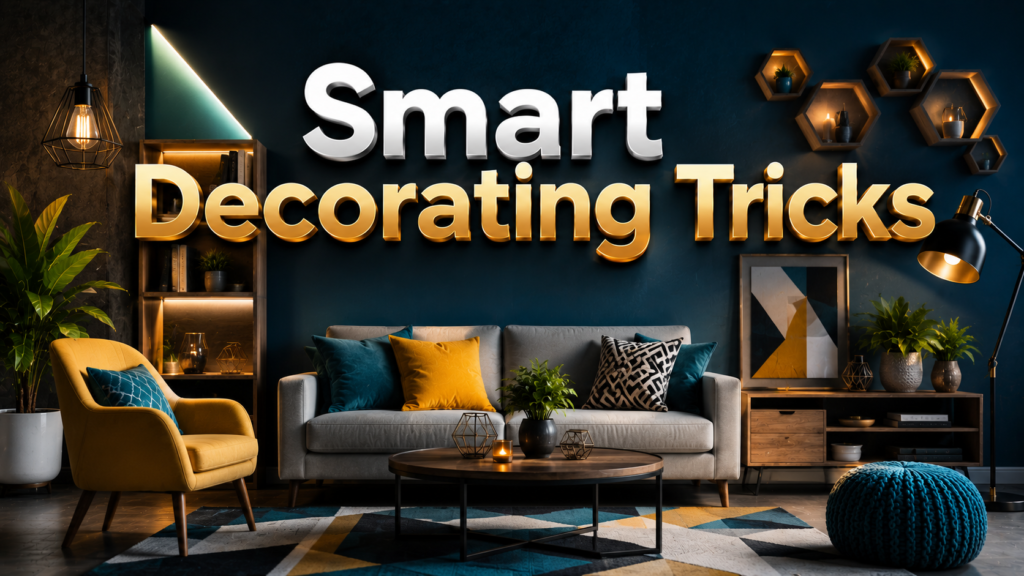
Certain decorating tricks can make a space look more expensive and spacious without any major spending. These techniques rely on visual effects rather than costly items.
Using Mirrors and Lighting
Mirrors reflect light and make rooms appear larger and brighter, which is especially useful in smaller spaces. Adding warm lighting through lamps or fairy lights creates a cozy atmosphere. Both tricks are inexpensive yet highly effective in economy home decor.
Adding Plants and Color
Real or artificial plants bring freshness and life into any room at a low cost. Choosing a simple color palette throughout the home also creates a more expensive, cohesive look. These small additions make a noticeable difference in overall appearance.
Mistakes to Avoid
Avoiding common decorating mistakes helps you get the most value from your budget. Being mindful during the buying process saves both time and money.
Overspending and Poor Planning
One common mistake is buying decor items without measuring the space or checking if they match existing furniture. Overspending on trendy items that fade quickly is another issue to watch for. Careful planning and sticking to your list can prevent these costly errors.
Sustainable Economy Decor
Sustainability and budget decorating often go hand in hand, making economy home decor an environmentally responsible choice as well.
Upcycling and Vintage Choices
Choosing vintage or upcycled items reduces waste while adding character to your home. Reusing materials such as wood, glass, or fabric also supports eco-friendly living. This approach proves that affordable decorating can be both stylish and sustainable.
How This Guide Compares to Other Resources
Many articles on budget decorating focus only on shopping tips or DIY ideas separately, without combining planning, room-specific advice, and sustainability into one place. This guide brings all these aspects together in simple, easy-to-follow language, making it more practical for readers who want a complete approach rather than scattered tips.
| Aspect | Typical Articles | This Guide |
| Room-wise ideas | Rarely covered in detail | Covered for major rooms |
| DIY projects | Often generic | Practical and easy to follow |
| Budget planning | Usually skipped | Step-by-step approach included |
| Sustainability | Mentioned briefly | Integrated throughout |
Frequently Asked Questions
Is economy home decor only for small budgets?
No, it is useful for anyone who wants to spend wisely, regardless of income level.
Can DIY decor really save money?
Yes, DIY projects often cost less than store-bought items and add a personal touch.
Where is the best place to find cheap decor?
Thrift stores, online marketplaces, and local sales are reliable affordable options.
Does budget decor look less stylish?
Not at all, thoughtful planning and color choices can make budget decor look elegant.
Conclusion
Economy home decor proves that a beautiful home does not require a large budget. With careful planning, smart shopping, and simple DIY projects, anyone can create a stylish and comfortable living space. By applying the ideas shared in this guide, you can decorate confidently while keeping your finances in check.