Goth Home Decorating: A Complete Guide to Dark, Elegant Interiors
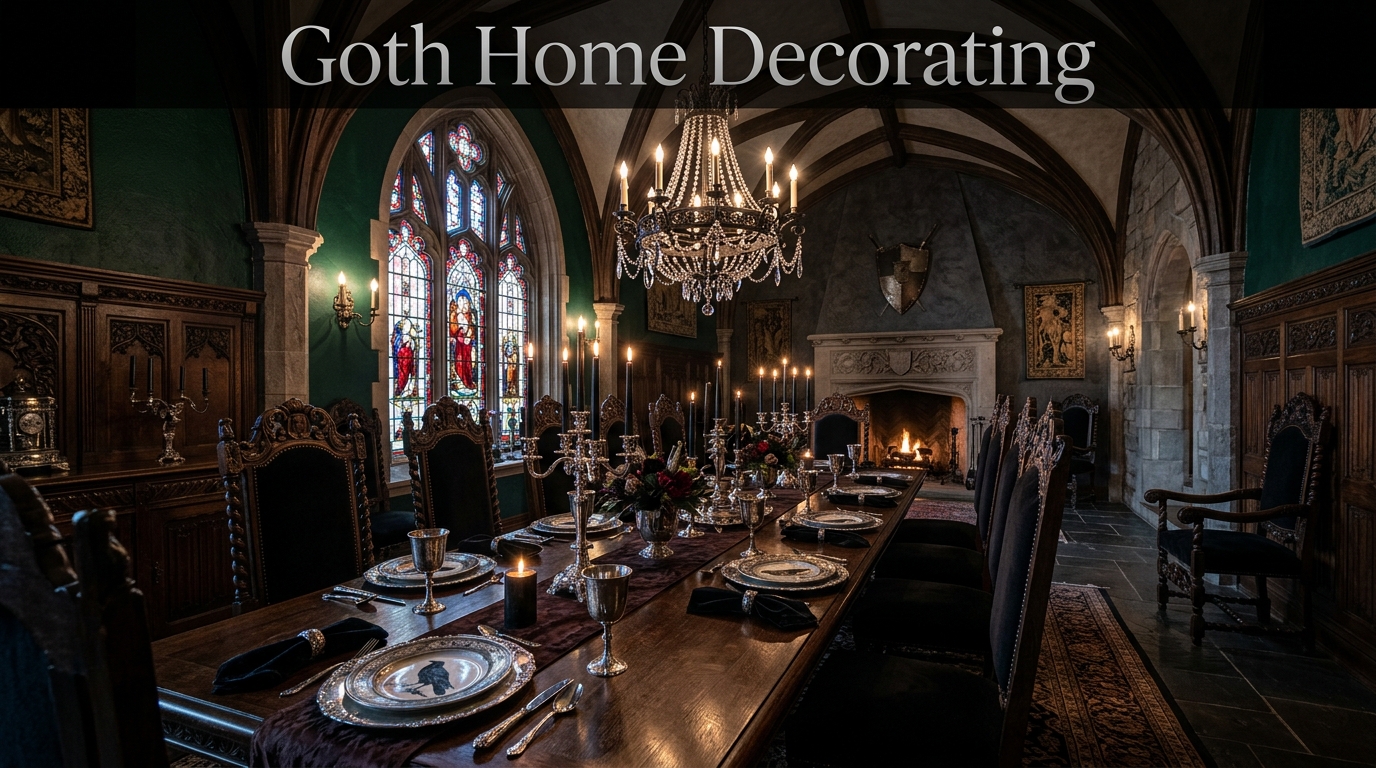
Goth home decorating is a style that blends darkness, drama, and elegance into a living space that feels both mysterious and warm. It is not about creating something scary; it is about layering deep colors, vintage furniture, soft lighting, and unique accents to build a home that reflects a bold, romantic personality.
This guide walks through every part of goth home decorating in simple, easy-to-follow language, from choosing paint colors to arranging furniture in each room of the house, so that anyone, even a complete beginner, can start building this look with confidence.
What is Goth Home Decor?
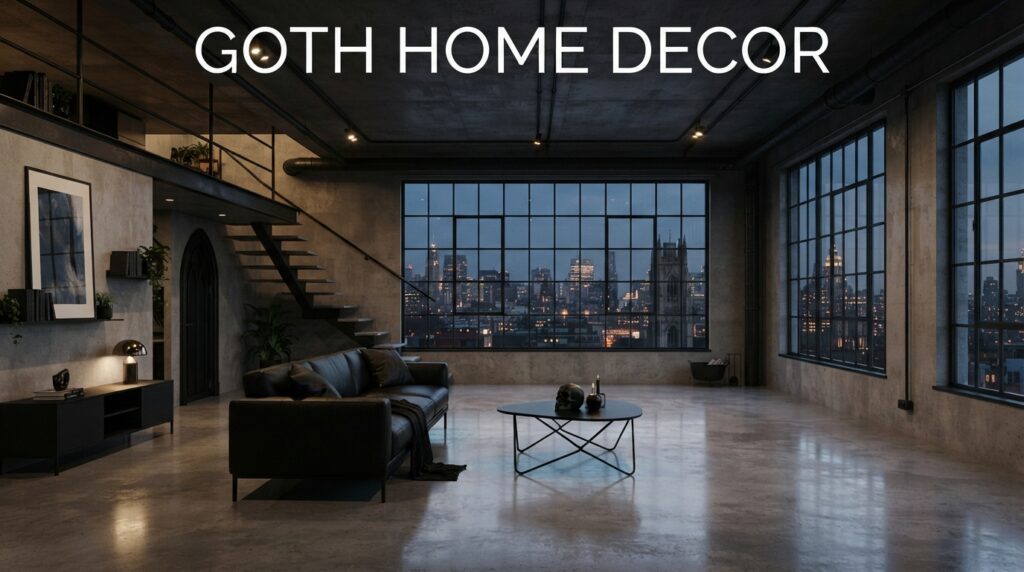
Goth home decor is an interior design approach built around dark color palettes, ornate furniture, and moody lighting. It draws inspiration from Victorian architecture, gothic literature, and romantic art movements. The goal is to create a space that feels rich, layered, and slightly theatrical, rather than plain or sterile.
A Brief History of Gothic Aesthetics
The gothic look traces back to medieval architecture and later the Victorian era, when dark wood furniture, heavy drapery, and ornate details were common in wealthy homes.
The 1980s goth subculture then added its own touches, including candles, lace, and dark romantic imagery, which shaped the modern version of this style seen in homes today.
Why People Choose Goth Style for Their Homes
Many homeowners choose goth decorating because it allows for self-expression that feels warm and personal instead of cold or trend-driven. It suits people who love vintage furniture, candlelight, and rich colors, and who want a home that feels like a retreat rather than a showroom copied from a magazine.
Common Myths About Goth Decor
A common misunderstanding is that goth decor is dark and gloomy in a negative way, when in reality it is often cozy, warm, and inviting once lighting and textures are balanced correctly. Another myth is that it requires expensive antiques, but thrifted and DIY pieces work just as well for building this look.
Understanding the Goth Aesthetic
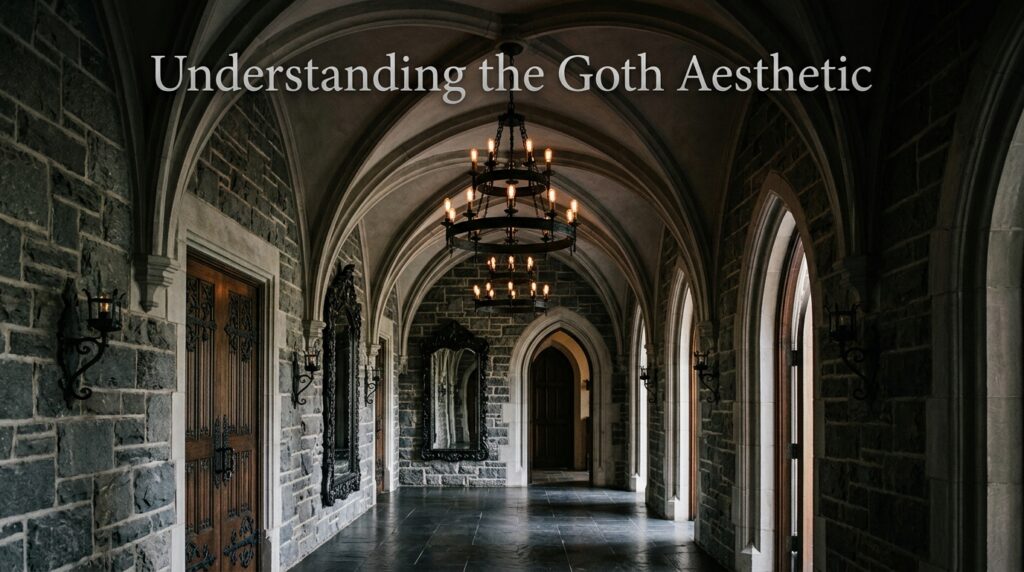
Before decorating, it helps to understand the core ideas behind this style, since goth home decorating is built on a few consistent principles rather than random dark objects placed together. Once these principles are clear, it becomes easier to pick a specific sub-style that matches personal taste.
Core Principles: Drama, Romance, Darkness, Elegance
At its heart, this style is about contrast and mood, using dark tones alongside soft candlelight and rich textures to create depth. Furniture and decor are chosen for their character and craftsmanship rather than simplicity. Every corner of the room is designed to feel intentional and atmospheric.
Different Sub-Styles
Goth decorating is not one single look; it includes several variations that people can mix or choose from, listed below for clarity.
| Sub-Style | Key Features |
| Victorian Gothic | Ornate wood furniture, heavy drapery, antique details |
| Modern Minimalist Goth | Clean lines, black tones, less clutter |
| Dark Academia | Books, wood shelves, muted browns and blacks |
| Witchy/Occult Goth | Crystals, candles, tarot and occult symbols |
| Industrial Goth | Metal fixtures, exposed brick, dark concrete tones |
| Romantic Gothic | Lace, velvet, soft candlelight, floral dark tones |
Color Palette Guide
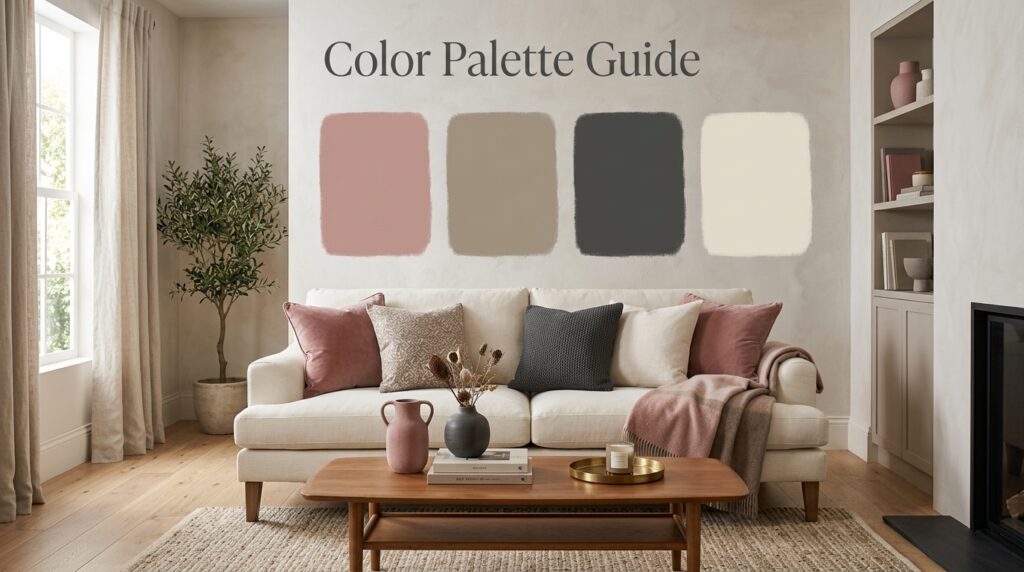
Color is the foundation of goth home decorating, and choosing the right combination makes the difference between a room that feels rich and one that feels flat. Most rooms combine one dominant dark shade with an accent color and a metallic touch for balance.
Primary Colors
Black, charcoal, and deep gray form the base of most goth rooms, often used on feature walls, furniture, or large textiles. These shades create the moody backdrop that the rest of the decor builds upon.
Jewel Tones
Colors like burgundy, emerald green, deep purple, and navy blue add richness without making the room feel completely flat or one-dimensional. They work well on curtains, upholstery, or accent walls paired with black furniture.
Accent Metallics
Gold, silver, bronze, or pewter accents on frames, candle holders, or hardware add a touch of shine that keeps a dark room from feeling heavy. A small amount of metallic detail goes a long way in this style.
How to Balance Dark Colors Without Making Rooms Feel Small
Using lighter ceilings, mirrors, and warm lighting helps prevent a dark room from feeling cramped. Keeping one wall lighter or using glossy paint finishes can also help bounce light around the space.
Paint vs. Wallpaper vs. Textiles for Color
Paint gives a clean, bold base for walls, while wallpaper with damask or botanical patterns adds texture and detail. Textiles such as curtains and rugs are the easiest way to introduce color without a permanent commitment, which is ideal for renters.
Furniture Selection
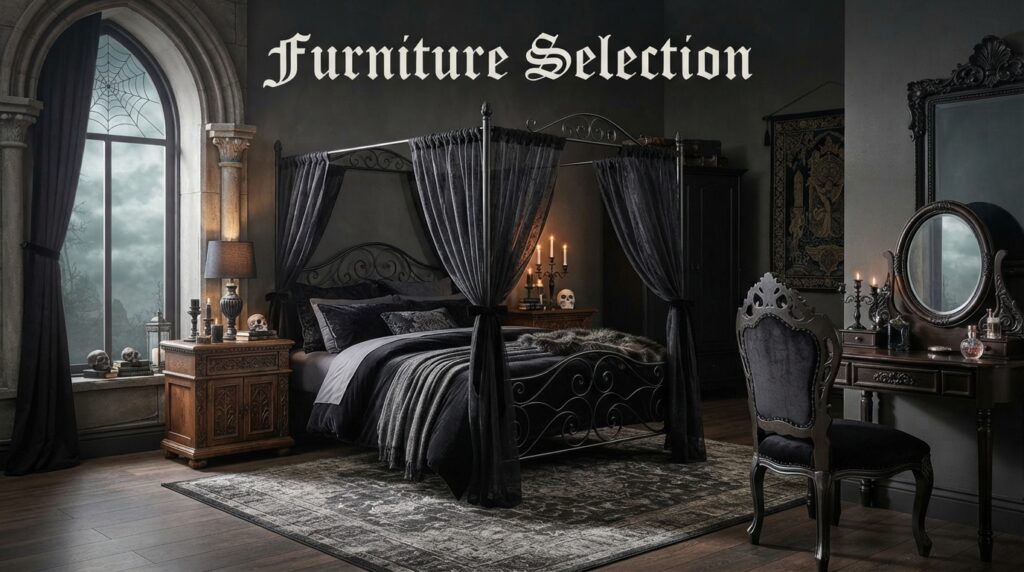
Furniture plays a central role in goth home decorating, since the shape and material of each piece contributes directly to the overall mood of the room. Choosing pieces with character rather than plain modern shapes helps the whole space feel cohesive.
Choosing the Right Furniture Style
Victorian, Baroque, and antique-inspired furniture with curved legs, carved details, and dark wood finishes work best for this look. These pieces naturally carry the ornate, historical feel associated with gothic interiors.
Materials to Look For
Dark wood, wrought iron, and velvet upholstery are the most common materials used in goth furniture. These materials add texture and depth while staying true to the dark, elegant theme.
Statement Pieces
A four-poster bed, a velvet chaise lounge, or a coffin-shaped shelf can act as the focal point of a room. One strong statement piece is often enough to set the tone for the entire space.
Budget-Friendly Furniture Alternatives
Thrift stores, flea markets, and estate sales are excellent sources for affordable furniture that can be painted black or reupholstered in dark fabric. Upcycling old furniture is one of the most cost-effective ways to achieve this look.
Lighting Design
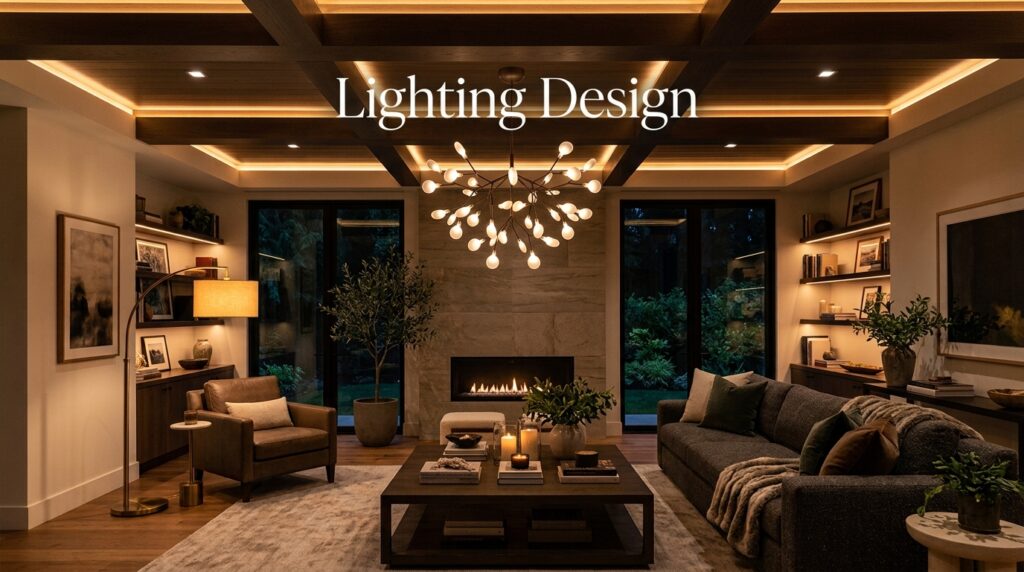
Lighting is what transforms a dark room from feeling cold into feeling warm and inviting, making it one of the most important elements in goth home decorating. Layering different light sources creates depth and atmosphere throughout the day and night.
Importance of Mood Lighting
Soft, warm lighting is essential because harsh overhead lights can make dark colors feel flat and uninviting. Multiple smaller light sources placed around a room create a much cozier atmosphere than one bright overhead fixture.
Chandeliers & Candelabras
A statement chandelier or candelabra adds instant drama to a living room or dining area. Even a modest fixture with ornate detailing can elevate the entire room’s atmosphere.
Candles
Real candles bring warm, flickering light and a sense of ritual to a space, while flameless LED candles offer a safer alternative with a similar effect. Grouping candles of different heights adds visual interest.
Lamps & Sconces
Table lamps with dark shades and wall sconces provide soft, focused lighting in corners and hallways. These fixtures are especially useful for reading nooks or bedside areas.
Layering Light for Ambiance
Combining ceiling lights, lamps, and candles at different heights throughout a room ensures there are no harsh shadows and that the space feels balanced day and night.
Textiles & Fabrics

Fabric choices add softness and comfort to what might otherwise feel like a stark, cold room, making textiles a key part of goth home decorating that is often overlooked.
Velvet, Lace, and Brocade
Velvet is one of the most popular fabrics in this style because of its rich texture and light-catching surface. Lace and brocade add delicate detail, often used in curtains or accent pillows.
Curtains & Drapery
Heavy, floor-length curtains in black or deep jewel tones add drama to windows and help control light throughout the day. Layered sheer and heavy curtains together create extra depth.
Rugs and Carpets
A dark, patterned rug anchors a room and adds warmth underfoot, especially important on hardwood or tile floors. Persian-style or damask-patterned rugs work particularly well.
Throw Pillows & Blankets
Velvet or faux-fur throw pillows and blankets in deep colors add comfort and texture to sofas and beds. These smaller items are an easy, affordable way to update a room’s look.
Bedding Ideas
Dark sheets paired with a burgundy or deep purple duvet, along with lace-trimmed pillowcases, create a romantic gothic bedroom without much effort. Adding a canopy or draped fabric above the bed enhances the effect further.
Wall Decor & Art
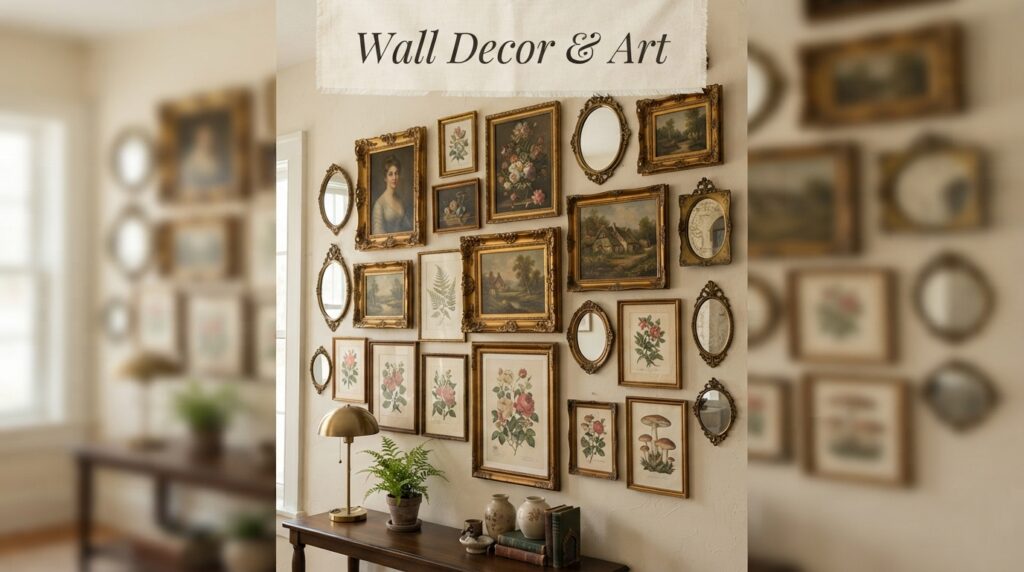
Walls in a goth-decorated home are rarely left bare, since decorative elements here help tell the story of the room and tie the whole design together.
Antique Mirrors & Frames
Ornate mirrors with aged or gold frames add both function and decorative value, while also helping reflect candlelight around the room. Vintage picture frames, even without photos, add character on their own.
Gothic Wall Art and Paintings
Dark, romantic paintings, botanical illustrations, or classic portrait-style art suit this theme well. Art should feel personal rather than purely decorative for the best effect.
Tapestries
Large fabric tapestries with gothic or botanical patterns are an affordable way to cover big wall spaces while adding texture and softness to the room.
Wallpaper Patterns
Damask, botanical, and occult-symbol wallpapers are popular choices for feature walls, adding detail without requiring a full room commitment.
Decorative Accents & Accessories

Small decorative accents are what give a goth home its personality, and this is often the most enjoyable part of the decorating process since it allows for personal storytelling.
Skulls, Bones & Taxidermy
Both real and faux skulls or taxidermy pieces are popular accents, with faux versions being a more accessible and cruelty-free option for most homeowners.
Crystals & Stones
Crystals such as amethyst or black obsidian add natural texture and are often displayed on shelves or side tables as both decor and personal meaning.
Candlesticks & Candelabras
Ornate candlesticks in brass, pewter, or wrought iron double as functional lighting and standalone decorative objects on mantels or tables.
Books & Vintage Objects
Stacks of old books, antique clocks, and vintage trinkets add a lived-in, collected-over-time feeling that is central to the goth aesthetic.
Occult & Religious Iconography
Crosses, tarot cards, and pentagram art are common accents that reflect the romantic and mystical side of this style, used tastefully as wall or shelf decor.
Gargoyles & Statues
Small statues or gargoyle figures placed on shelves or entryways add a touch of gothic architecture-inspired charm to the home.
Plants & Greenery
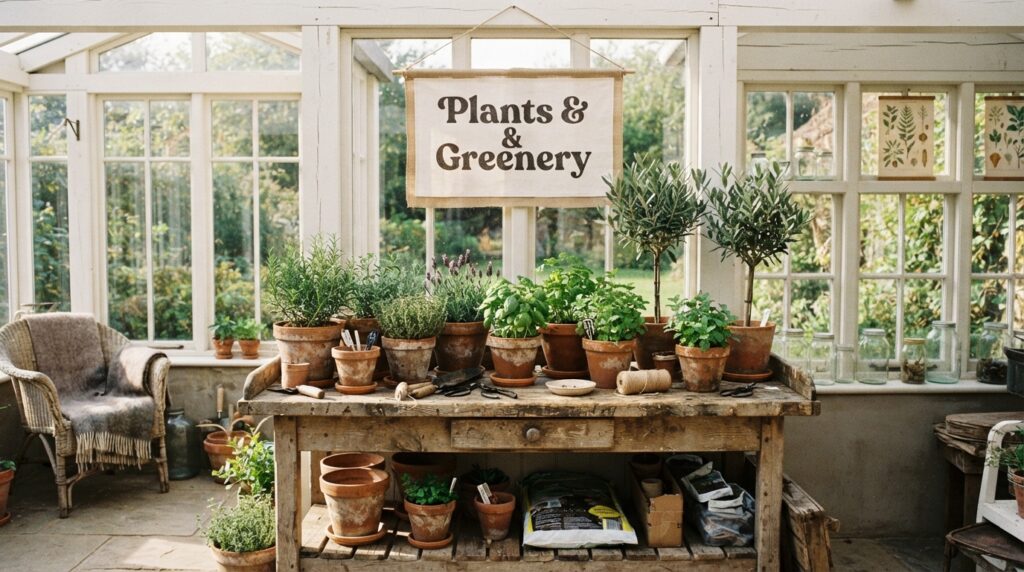
Plants soften the darkness of a goth interior and bring a natural element into an otherwise dramatic space, balancing the overall mood of the room.
Dark & Dramatic Plants
Plants with deep purple or near-black leaves, along with dried or preserved flowers, fit naturally into this color scheme without clashing.
Terrariums
Glass terrariums with moss and small plants add a contained, mysterious touch of greenery that suits gothic shelves and tables well.
Where to Place Greenery for Contrast
Placing plants near windows or against dark walls creates a strong visual contrast that makes both the plant and the wall color stand out more.
Room-by-Room Guide
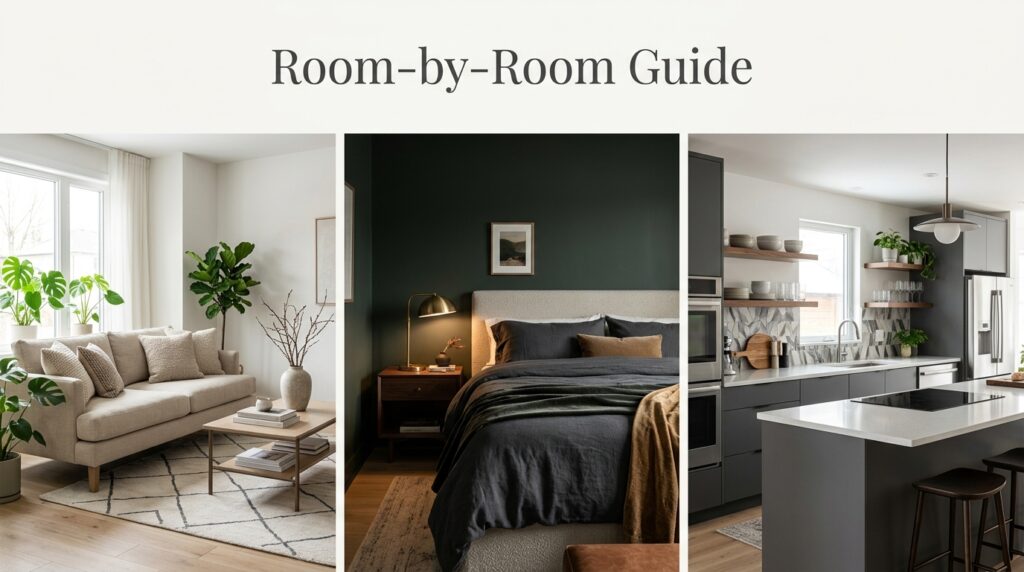
Applying goth home decorating principles looks slightly different depending on the room, since each space has its own function and lighting needs.
Gothic Living Room Ideas
A dark accent wall, velvet sofa, and a statement chandelier form the foundation of a gothic living room, with candles and books completing the look.
Gothic Bedroom Ideas
A four-poster or canopy bed with deep-colored bedding and soft lamp lighting creates a romantic, restful gothic bedroom.
Gothic Bathroom Ideas
Black fixtures, dark tile, and brass hardware bring the theme into the bathroom, paired with candles for a spa-like gothic atmosphere.
Gothic Kitchen & Dining Ideas
Dark cabinetry, wrought iron light fixtures, and a rich-toned dining table extend the style into everyday functional spaces.
Gothic Home Office/Study Ideas
Wooden bookshelves, a leather chair, and warm desk lighting create a dark academia-inspired workspace that feels focused and cozy.
Gothic Entryway & Hallway Ideas
An antique mirror, a small console table, and a statement light fixture make a strong first impression right at the front door.
Budget-Friendly Goth Decorating Tips
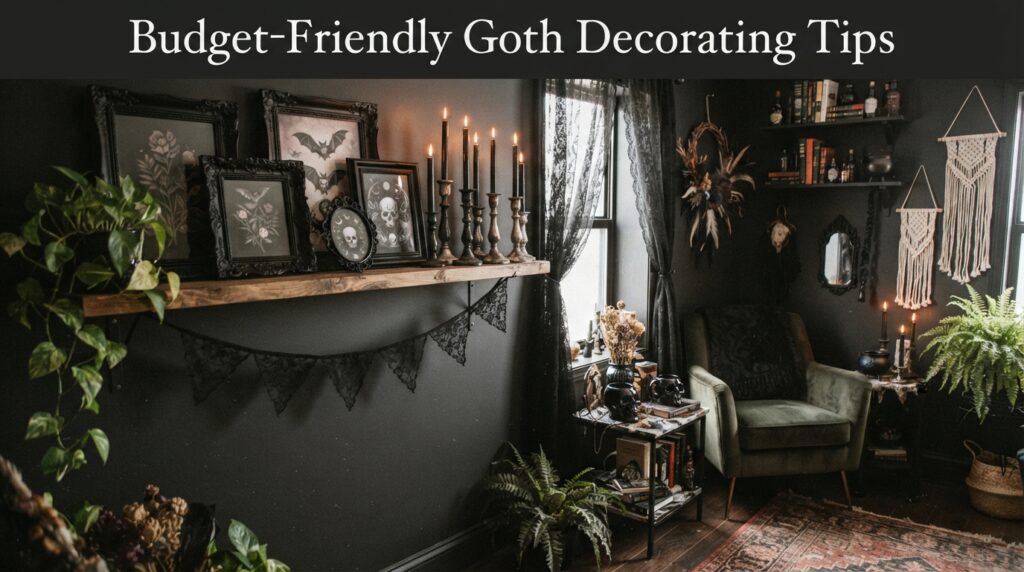
Achieving this look does not require a large budget, since many of the best pieces come from secondhand sources or simple do-it-yourself projects.
Thrift Store & Flea Market Finds
Secondhand furniture and frames are often the most affordable way to find pieces with the right vintage character for this style.
DIY Gothic Decor Projects
Painting old furniture black, distressing frames, or making dried flower arrangements are simple projects that add authentic charm at low cost.
Renter-Friendly Ideas
Removable wallpaper, curtains, and plug-in lighting allow renters to build a full gothic look without making permanent changes to the space.
Common Mistakes to Avoid
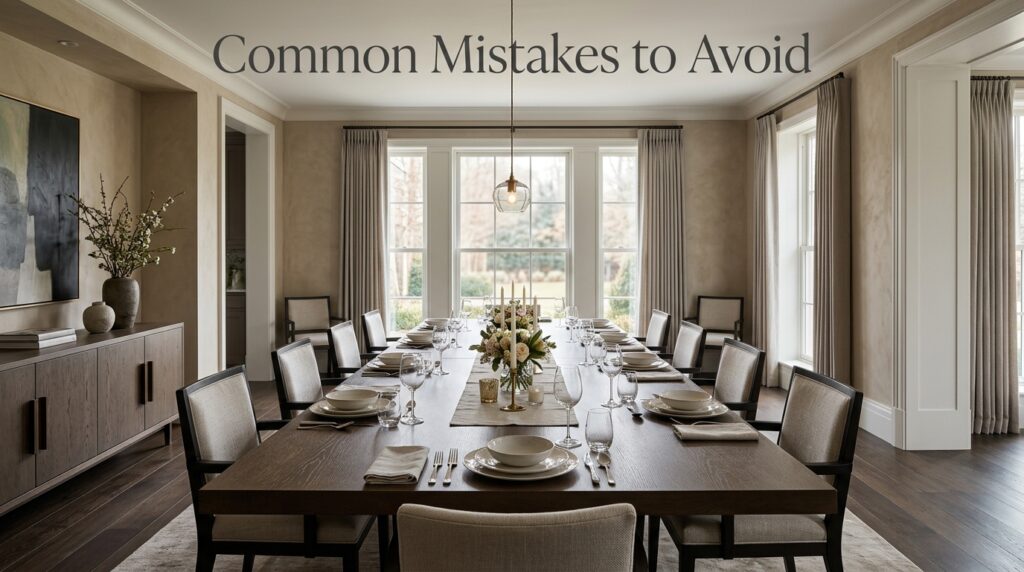
A few common errors can make a goth-themed room feel unbalanced rather than elegant, so it helps to be aware of them before starting.
Overdoing Dark Colors Without Contrast
Using only black without any lighter or metallic accents can make a room feel flat instead of rich and layered.
Ignoring Lighting Balance
Relying on a single harsh light source often ruins the mood that dark colors are meant to create, so layered lighting is essential.
Clashing Sub-Styles
Mixing too many different gothic sub-styles at once, such as industrial metal with heavy Victorian lace, can make a room feel disorganized rather than intentional.
Seasonal & Holiday Goth Decor
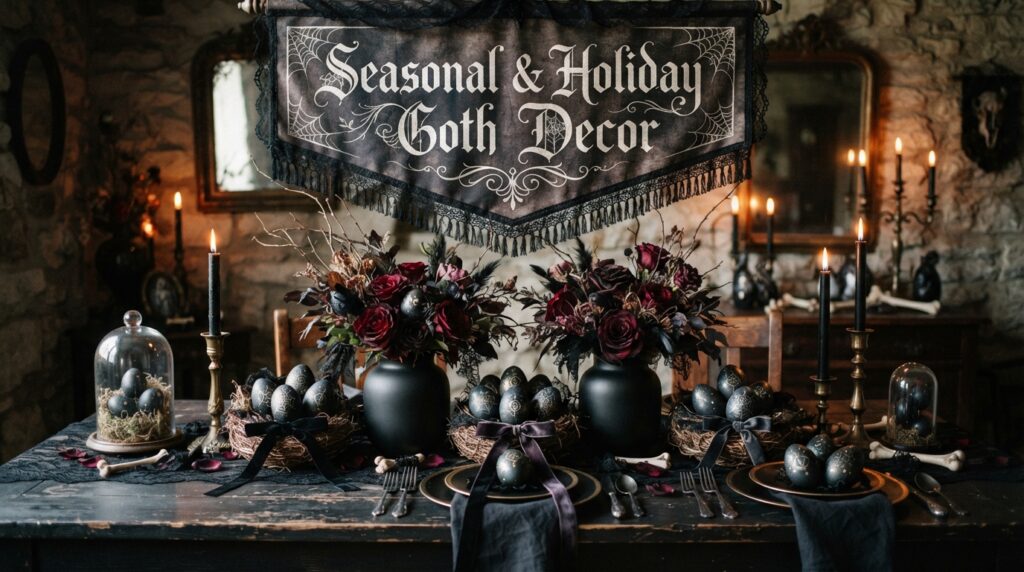
Goth home decorating naturally extends into seasonal decorating, since many holiday themes already share dark, dramatic elements with this style.
Halloween-Inspired Touches
Pumpkins, cobwebs, and candlelight fit naturally into a goth home during the Halloween season without feeling out of place.
Gothic Christmas/Winter Decor
Black and gold ornaments, dark wreaths, and deep red accents allow the gothic theme to continue through the winter holidays.
Year-Round vs. Seasonal Accents
Core furniture and colors should stay consistent year-round, while smaller seasonal items can be rotated in and out for variety.
Where to Shop for Goth Home Decor
Finding the right pieces is easier with a clear idea of where to look, whether shopping online, locally, or through handmade sellers.
Online Stores
Specialty gothic home decor retailers and general marketplaces both offer furniture and accents suited to this style.
Local/Vintage Shops
Antique shops and estate sales often have unique, one-of-a-kind pieces that add authenticity to the space.
DIY & Etsy Options
Handmade sellers on platforms like Etsy offer custom candles, art, and decor pieces that add a personal touch not found in mass-produced items.
Conclusion
Goth home decorating is ultimately about layering dark colors, meaningful objects, and warm lighting to build a home that feels personal, dramatic, and comfortable at the same time.
By focusing on furniture, color, lighting, and accents in a balanced way, anyone can create this look on any budget, whether starting from scratch or gradually updating an existing space.
FAQs
Is goth decor expensive?
No, it can be done affordably using thrifted furniture, DIY projects, and simple paint or fabric changes.
Can goth style work in small apartments?
Yes, using contrast, mirrors, and layered lighting helps dark colors work well even in smaller spaces.
How do I make goth decor feel cozy, not cold?
Layered warm lighting, soft textiles, and personal accents are the key to keeping the space inviting rather than stark.
What’s the difference between goth and dark academia?
Goth leans more toward Victorian drama and occult accents, while dark academia focuses more on books, wood tones, and a scholarly, muted aesthetic.