Home Decor Style Quiz: Find Your Perfect Interior Design Style
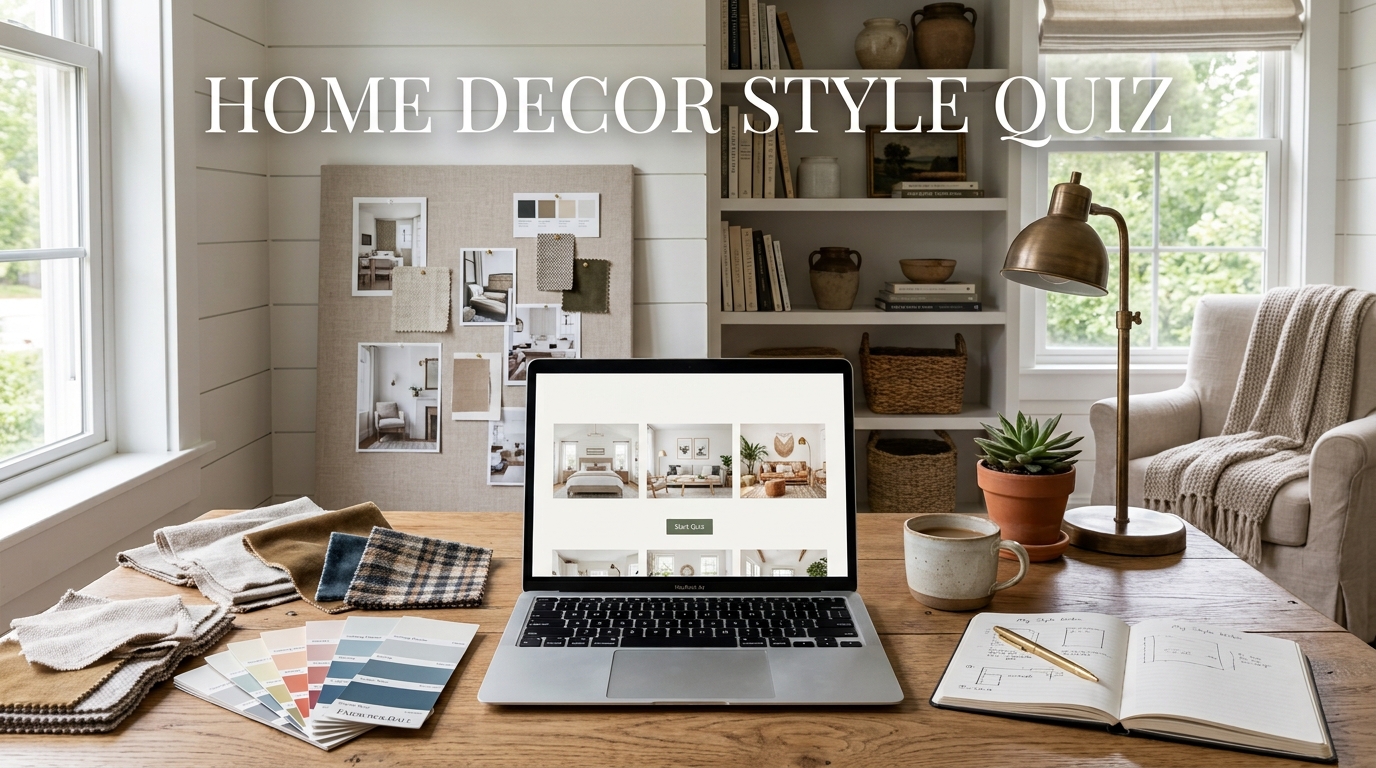
Choosing furniture, colors, and accessories without a clear direction often leads to a home that feels random instead of put together. A home decor style quiz solves this problem by helping you identify the design personality that matches your taste, habits, and lifestyle.
Instead of guessing what looks good, you get a clear starting point based on your real preferences. This guide walks you through why a home decor style quiz matters, how it works, the major styles you might discover, and how to actually use your results to decorate with confidence.
Whether you are furnishing a new house or refreshing a single room, this article gives you a practical roadmap from quiz result to finished space.
Why Knowing Your Decor Style Matters
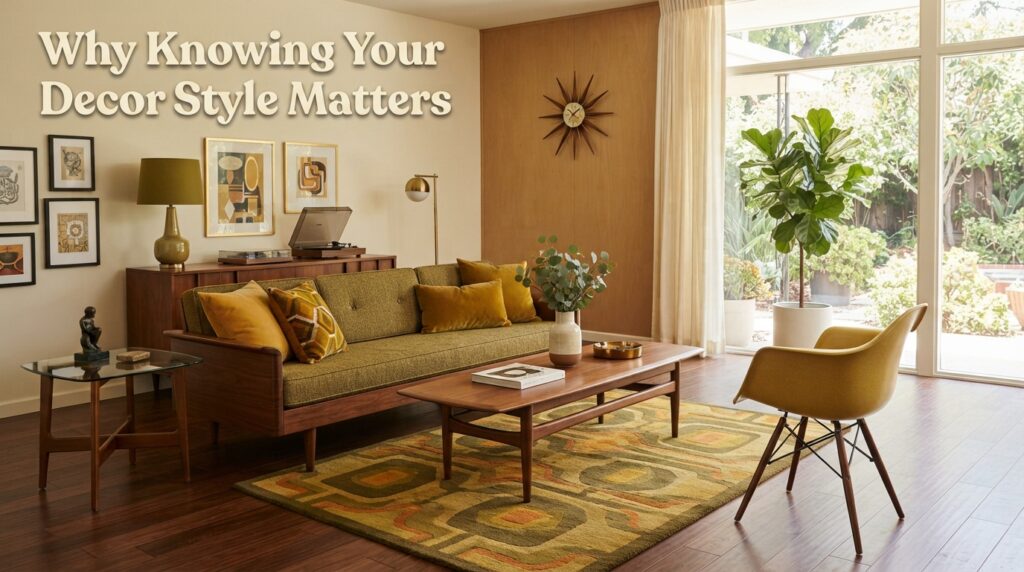
Understanding your decor style before you shop saves both time and money because you stop buying items that clash with each other. A home decor style quiz gives you a filter so every future purchase supports one clear direction instead of working against it.
Saves Money On Mismatched Purchases
When you don’t know your style, it’s easy to buy a rug you love in the store that never quite fits your living room once it’s home. A clear style direction from a home decor style quiz narrows your choices, so you spend on pieces that actually belong together. Over time, this prevents the common cycle of buying, returning, and rebuying furniture.
Creates A Cohesive And Harmonious Space
A home feels calm and finished when the colors, materials, and furniture shapes follow one consistent idea rather than several competing ones.
Knowing your style through a quiz helps every room, from the entryway to the bedroom, feel like part of the same story. This consistency is often what separates a professionally styled home from one that feels unplanned.
Reflects Your Personality And Lifestyle
Your home should feel like an extension of who you are, not a copy of a showroom or a trend you saw once online. A home decor style quiz factors in your daily habits, favorite colors, and comfort preferences, so the result actually mirrors your real personality. This makes your space feel more personal and less generic.
Makes Shopping And Decorating Faster
Without a style in mind, browsing furniture stores or websites can feel overwhelming because everything looks like a valid option.
Once you know your style, you can skip irrelevant categories and focus only on pieces that fit your aesthetic. This turns decorating from a stressful guessing game into a focused, enjoyable project.
How The Home Decor Style Quiz Works
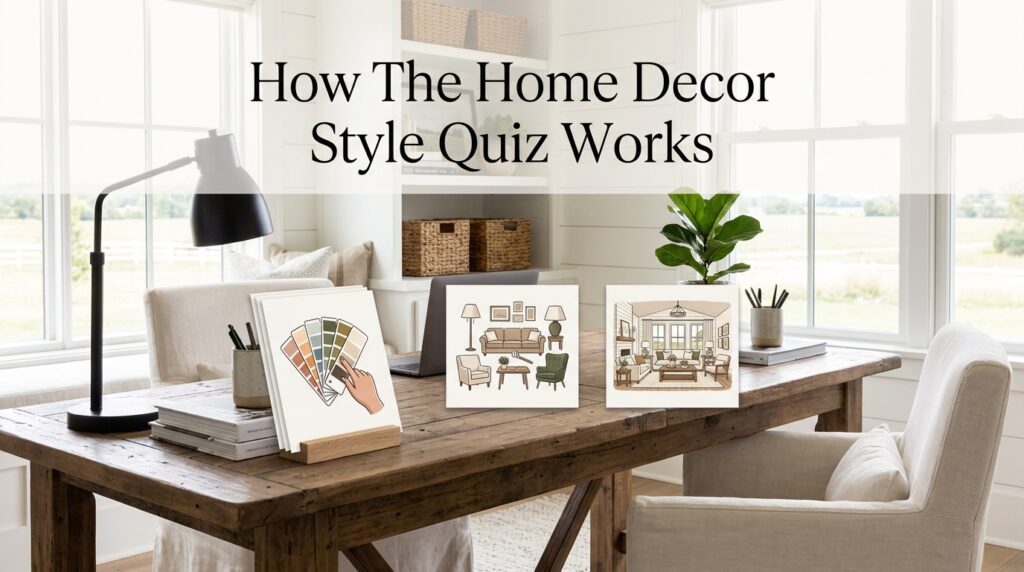
Most quizzes use a simple system of visual and preference-based questions that are scored to reveal your dominant style. The process is designed to feel more like browsing inspiration than taking a test.
Question Types Used In The Quiz
A typical home decor style quiz relies on images, color swatches, and short preference questions rather than long paragraphs of text.
You might be asked to pick a favorite sofa shape, a preferred wall color, or a mood board that feels most “you.” This visual approach makes it easier to answer instinctively rather than overthinking each choice.
How Your Answers Are Scored
Behind the scenes, each answer is usually linked to one or more design styles, and the quiz tallies which style appears most often in your choices.
Some quizzes will show a single dominant style, while others reveal a primary style along with a secondary influence. This scoring method is what makes the quiz personalized rather than generic advice.
Tips For Answering Honestly
The most accurate results come from answering with your first instinct rather than what you think looks impressive or trendy. Try to picture how you actually want to feel relaxing in the space, not how you want it to appear in photos.
Answering quickly and honestly, without second-guessing every option, produces a result that truly matches your taste.
Popular Home Decor Styles You Might Discover
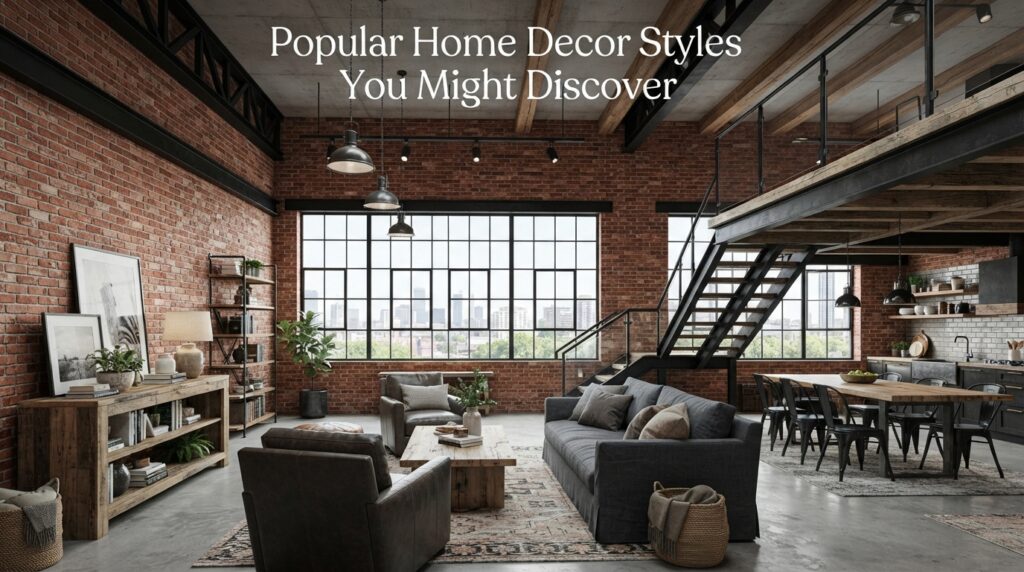
A home decor style quiz usually sorts results into a handful of recognizable categories, each with its own visual language. Knowing what these styles generally look like helps you understand your result and start shopping with direction.
| Style | Core Feeling | Common Colors |
| Modern | Clean, sleek, functional | White, black, gray |
| Minimalist | Simple, uncluttered, calm | Neutral tones |
| Bohemian | Layered, relaxed, artistic | Earthy, warm tones |
| Industrial | Raw, urban, edgy | Charcoal, brown, metal tones |
| Scandinavian | Light, cozy, practical | Soft white, natural wood |
| Farmhouse | Warm, rustic, welcoming | Cream, soft blue, wood |
| Traditional | Classic, elegant, timeless | Deep tones, gold accents |
| Coastal | Airy, breezy, relaxed | Blue, white, sandy tones |
| Mid-Century Modern | Retro, functional, sculptural | Mustard, teal, walnut |
| Eclectic | Mixed, personal, curated | Varies widely |
Modern And Minimalist Styles
Modern style favors clean lines, functional furniture, and a mostly neutral color scheme with occasional bold accents. Minimalist style takes this further by stripping away anything unnecessary, focusing on open space and a calm, uncluttered feel. Both styles work well for people who prefer order and dislike visual clutter in their living space.
Bohemian And Eclectic Styles
Bohemian decor embraces layered textiles, plants, and a mix of patterns that feel collected over time rather than matched perfectly. Eclectic style is similar but pulls elements from several different design periods and cultures into one cohesive look.
These styles suit people who enjoy personality-driven spaces filled with meaningful, unique objects.
Industrial And Mid-Century Modern Styles
Industrial style borrows from old warehouses and factories, using exposed brick, metal fixtures, and raw wood finishes. Mid-Century Modern style, in contrast, focuses on the clean, functional furniture shapes popular from the 1950s and 60s, often paired with warm wood tones. Both styles appeal to people who like furniture with a distinct historical or architectural character.
Scandinavian, Farmhouse, And Coastal Styles
Scandinavian style keeps rooms bright and functional with light woods, soft textiles, and a strong focus on comfort. Farmhouse style adds warmth through rustic wood, vintage-inspired accessories, and cozy textures.
Coastal style leans into airy, breezy spaces with light colors inspired by the beach and open water, making all three ideal for people who want a relaxed, welcoming home.
Sample Questions Found In A Home Decor Style Quiz
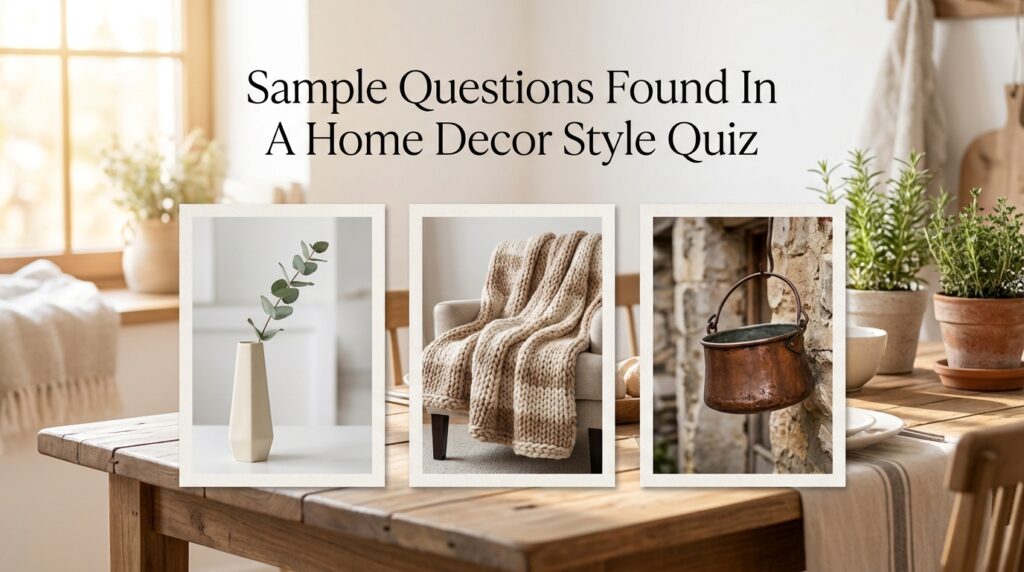
Most quizzes ask a short series of five to ten questions that quickly narrow down your preferences. Reviewing common question formats can help you understand what to expect before you start.
Visual Preference Questions
You may be shown several room photos and asked to pick the one that feels most appealing to you at a glance. These questions test your instinctive reaction to color combinations, furniture arrangement, and overall room mood. Choosing quickly, without analyzing every detail, usually gives the most accurate result.
Object And Material Questions
Other questions focus on specific items, such as choosing a preferred sofa fabric, a flooring type, or a style of wall art. These help the quiz understand your texture and material preferences beyond just color.
Your answers here often reveal whether you lean toward natural materials or more polished, manufactured finishes.
Lifestyle And Mood Questions
Some quizzes also ask lifestyle-based questions, like how you spend a typical weekend or what mood you want your home to create. These questions connect your personality to a design style rather than just your visual taste. This is often what makes quiz results feel personal rather than random.
How To Interpret Your Quiz Results
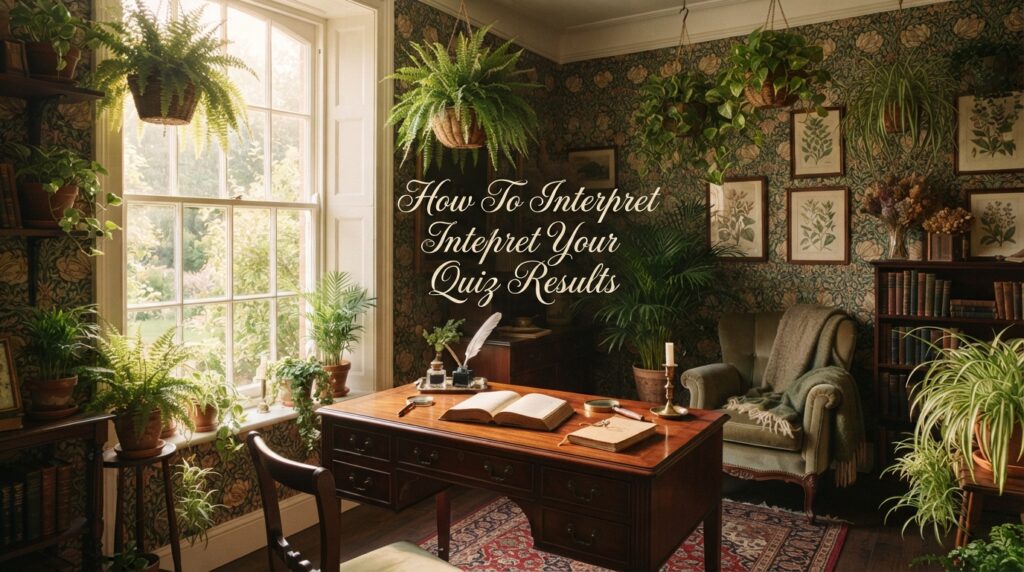
Once you receive your result, it’s worth pausing to understand what it actually says about your preferences rather than accepting it at face value. A thoughtful interpretation makes the result far more useful when you start decorating.
Understanding Your Dominant Style
Your top result usually represents the style you gravitated toward most consistently throughout the quiz. Read the description carefully and note which specific elements, like color or furniture shape, stood out to you most. This helps you focus your future purchases on the details that matter most to your taste.
Mixing Two Styles Together
It’s common to score closely between two styles, such as Scandinavian and minimalist, which actually blend together quite naturally. Rather than picking just one, you can combine elements from both to create a personalized hybrid look. Many well-designed homes are actually a thoughtful mix of two or three complementary styles.
What To Do If Results Feel Uncertain
If your result feels unclear or doesn’t resonate, try retaking the quiz while focusing only on your gut reaction instead of logical reasoning. You can also gather a few photos of rooms you genuinely love and look for common patterns in color or furniture. This manual review often confirms or clarifies what the quiz suggested.
Tips To Decorate According To Your Style
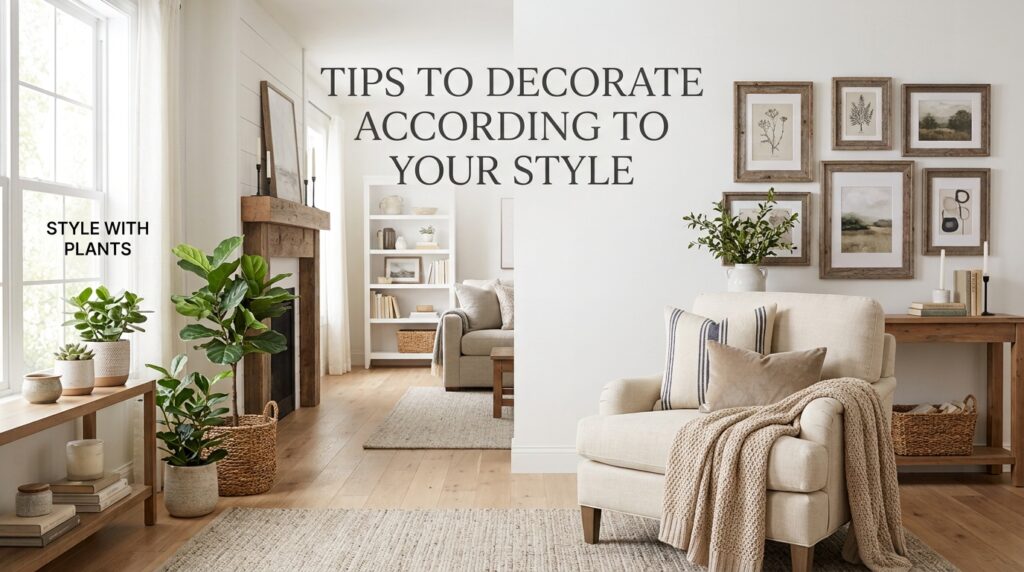
Once you know your style, the next step is applying it practically without overwhelming your budget or your space. A few simple strategies make this transition smooth.
Start With Budget-Friendly Changes
You don’t need to replace every item in your home at once to reflect your new style direction. Start with smaller, affordable changes like cushions, curtains, or wall art that immediately shift the mood of a room. This lets you build toward your full style gradually without financial strain.
Shop With Your Style In Mind
When shopping, keep your style category in mind and avoid getting distracted by items that don’t fit, no matter how appealing they look individually. Create a simple list of colors and materials that match your result before you start browsing. This keeps your purchases focused and consistent over time.
Avoid Common Decorating Mistakes
A frequent mistake is mixing too many unrelated styles without a clear connecting theme, which can make a room feel chaotic. Another is ignoring scale, such as placing oversized furniture in a small room regardless of style. Staying mindful of these details ensures your finished space looks intentional rather than accidental.
Applying Your Style Room By Room
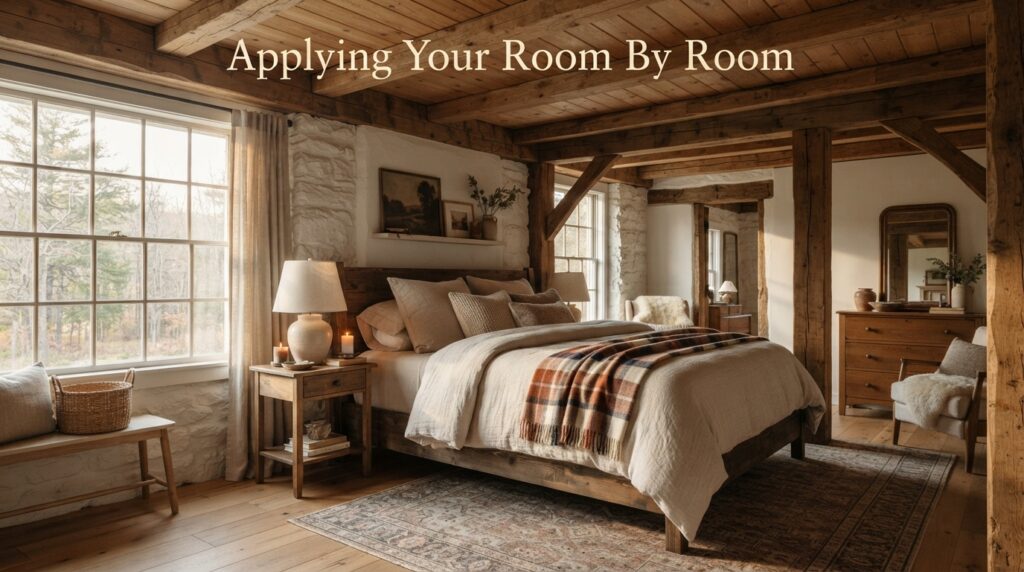
Your decor style doesn’t have to look identical in every room, but it should feel connected throughout the home. Adjusting the intensity of your style per room keeps each space functional for its purpose.
Living Room And Bedroom
The living room is often where your style shows most strongly, since it’s the main space for gathering and relaxing. The bedroom can use a softer, calmer version of the same style, focusing more on comfort than statement pieces. Keeping a shared color palette between these two rooms creates a natural flow through the home.
Kitchen, Bathroom, And Home Office
Kitchens and bathrooms usually reflect style through smaller details like hardware, tile, and lighting rather than large furniture changes. A home office can lean more functional while still using colors and materials that match your overall result. These smaller applications keep your entire home consistent without requiring a full renovation.
Frequently Asked Questions
Can my decor style change over time?
Yes, personal taste naturally evolves, so it’s common to feel drawn to a different style after a few years or a major life change.
Can I mix multiple styles in one home?
Absolutely, many homes successfully blend two or three complementary styles as long as color and material choices stay consistent.
How often should I retake a home decor style quiz?
Retaking it every couple of years, or after a major lifestyle change, can help confirm whether your preferences have shifted.
Conclusion
A home decor style quiz turns a confusing decorating process into a clear, personalized starting point. By understanding your dominant style, mixing influences when needed, and applying your results room by room, you can build a home that genuinely feels like you.
Taking a few minutes to complete the quiz today can save countless hours of second-guessing your decorating choices later.