 homeofdecor.online
Western home decor is a design style that draws its character from cowboy culture, ranch living, and the open landscapes of the American West. It brings together natural materials, earthy colors, and rugged textures to create a home that feels warm, grounded, and full of personality. This style is not just about hanging a cowboy hat on the wall; it is about building an atmosphere that feels honest, lived-in, and connected to nature.
Over the years, western home decor has grown from a niche regional style into a globally loved aesthetic that fits farmhouses, cabins, and even modern city apartments. In this guide, we will walk through every element of western home decor in detail so you can plan, shop, and style your space with confidence.
Introduction to Western Home Decor

Western home decor is inspired by cowboy heritage, ranch life, and the rugged beauty of the western frontier. It has become popular because it offers warmth, character, and a sense of storytelling that many modern styles lack.
What Is Western Home Decor
Western home decor refers to an interior design approach that uses rustic materials, leather furnishings, and earthy tones to recreate the feel of a ranch or frontier home. It focuses on comfort and authenticity rather than polished perfection. Every element, from furniture to accessories, is chosen to reflect a rugged and welcoming lifestyle.
History and Origins of the Style
This decor style traces back to the ranches, ranch houses, and trading posts of the 19th century American West. Cowboys, settlers, and Native American communities all influenced the materials and patterns still used today. Over time, these practical, hardworking origins transformed into a recognizable and beloved decorating theme.
Why Western Decor Is Popular Today
People are drawn to western home decor because it offers a break from cold, minimalist interiors. It brings texture, story, and a sense of adventure into everyday living spaces. Homeowners also appreciate that it blends easily with other cozy styles like farmhouse and rustic design.
Key Characteristics of Western Style
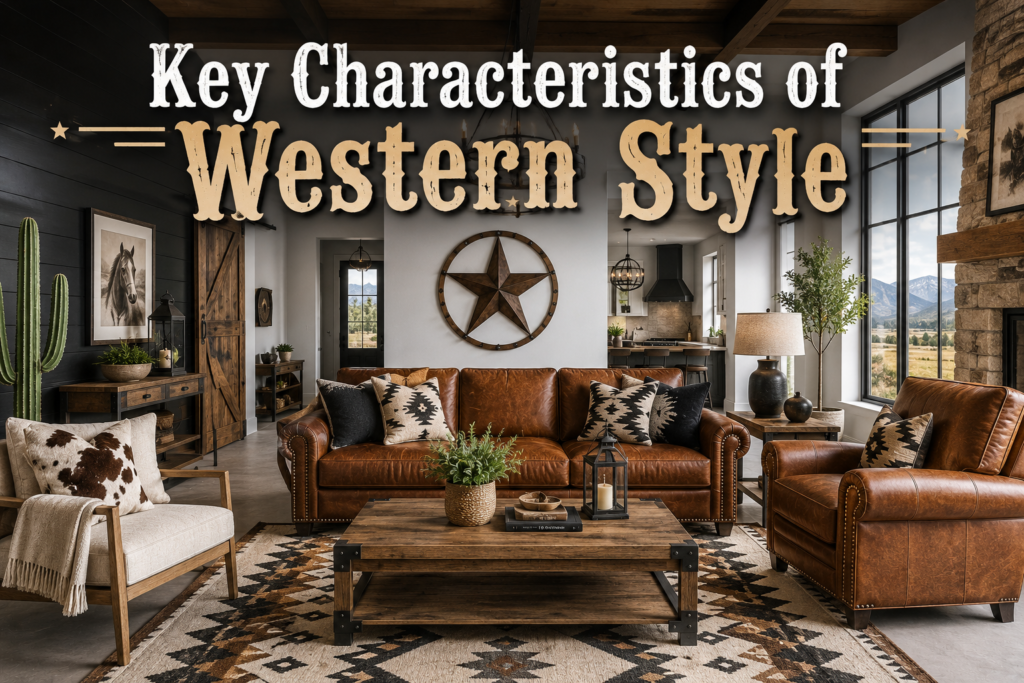
Western style stands out because of its combination of natural materials, warm colors, and bold accessories. Understanding these core traits makes it easier to shop and design with intention.
Core Elements That Define the Look
The defining features of western decor include wood furniture, leather seating, iron fixtures, and animal-inspired accents.
These elements work together to create a space that feels sturdy and authentic rather than delicate or overly refined. Texture plays a major role, since rough wood and soft leather are often placed side by side.
How It Differs from Farmhouse and Southwestern Styles
While farmhouse decor leans toward soft whites and shabby-chic charm, western decor embraces darker woods and bold leather textures.Southwestern style shares some overlap through color and pattern but focuses more on desert motifs and Native-inspired geometric prints. Western decor sits between the two, combining ranch practicality with a touch of frontier boldness.
Color Palette for Western Home Decor
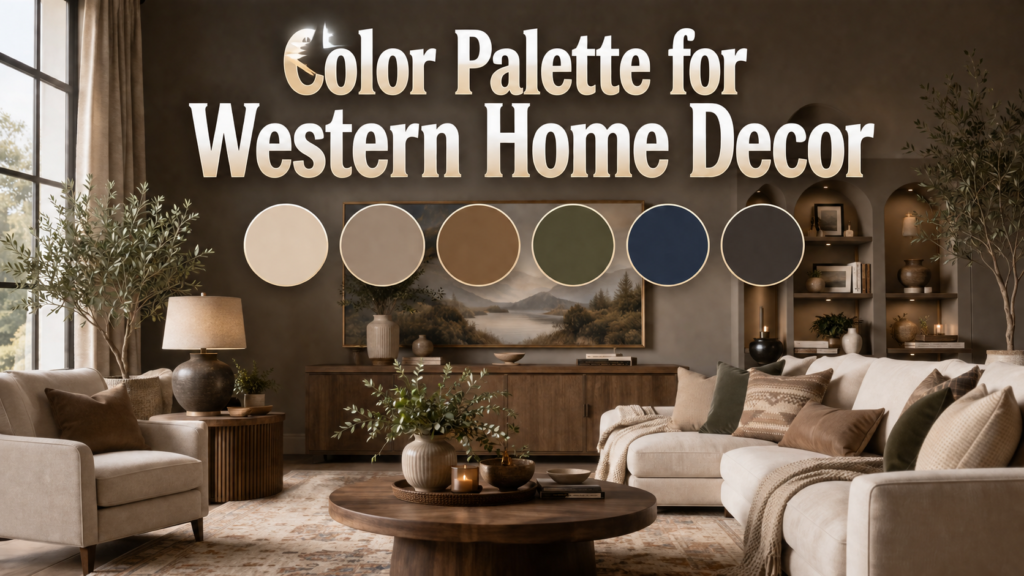
The western home decor color palette is built around warm, earthy shades that mimic the natural landscape. These tones create a cozy, grounded feeling throughout the home.
- Primary Earthy Tones
- Brown, tan, rust, and terracotta form the base of most western-themed rooms. These colors are usually found in wood furniture, leather upholstery, and wall paint. They create a warm backdrop that makes other decor pieces stand out naturally.
- Accent Colors to Add Depth
- Turquoise, deep red, and mustard yellow are often used as accent colors to bring life into a mostly neutral room. These pops of color are commonly seen in blankets, pillows, and pottery. A small touch of these shades can make a big visual difference without overwhelming the space.
Materials and Textures
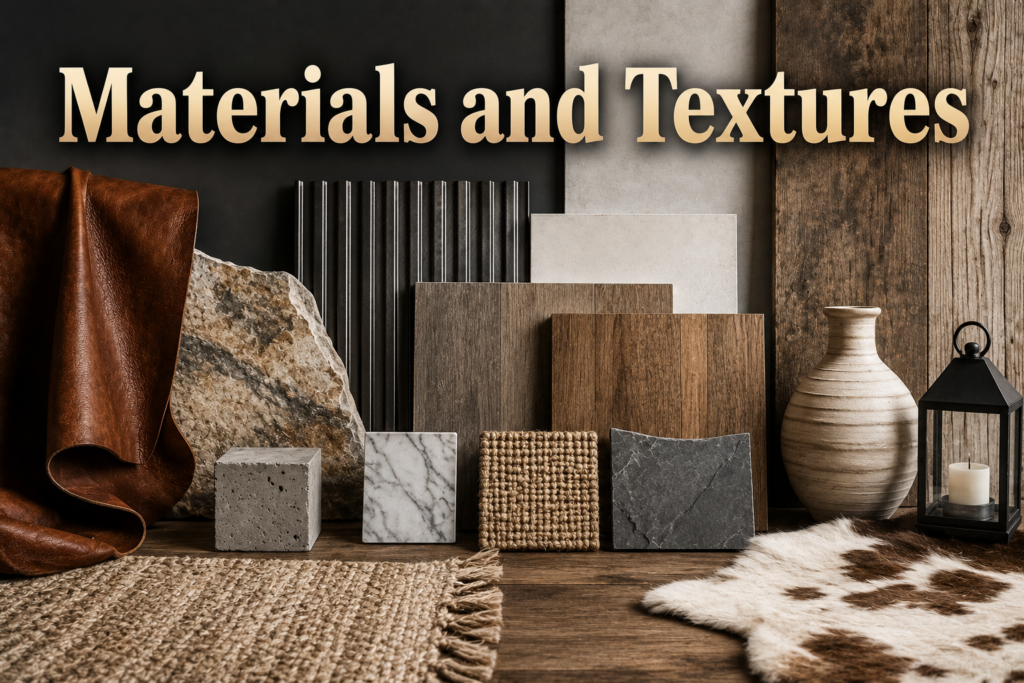
Materials are at the heart of western home decor, giving each room its rugged and authentic feel. The right combination of textures can transform a plain room into a warm retreat.
Wood and Reclaimed Timber
Reclaimed and rustic wood is one of the most important materials in this style, often used for beams, furniture, and flooring. The rougher and more weathered the wood looks, the more authentic the western feel becomes. This material also adds warmth and a sense of history to any room.
Leather, Iron, and Stone
Leather is widely used for sofas, chairs, and accent cushions, offering both comfort and durability. Wrought iron appears in light fixtures, curtain rods, and furniture frames, adding a slightly industrial contrast. Natural stone, used in fireplaces or flooring, completes the rugged, outdoorsy feel that defines western interiors.
Furniture Selection for a Western Look
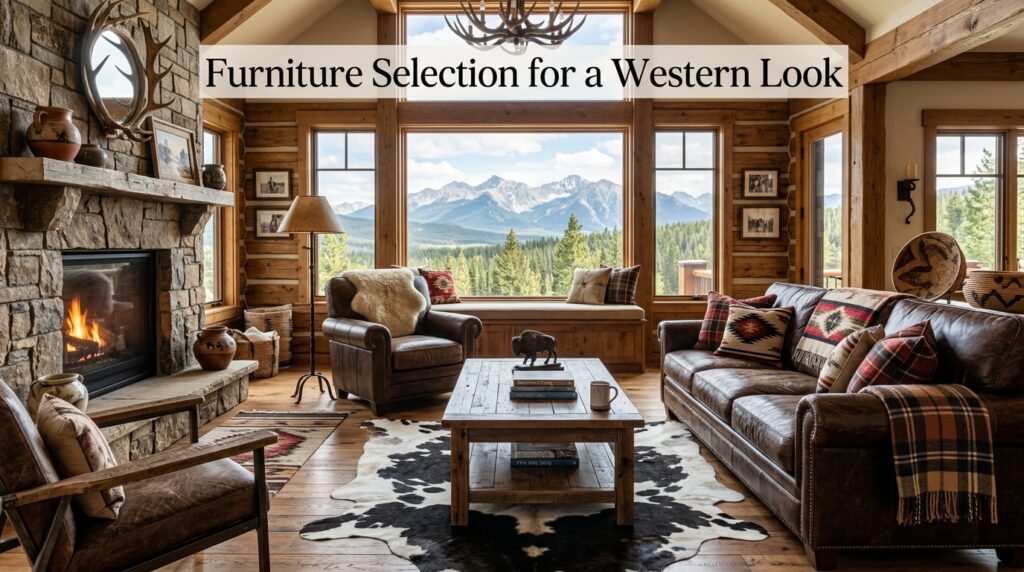
Furniture in western home decor should feel solid, comfortable, and slightly oversized. Choosing the right pieces sets the tone for the entire room.
Seating and Living Room Pieces
Leather sofas, cowhide-accented chairs, and chunky wooden coffee tables are staple pieces in western living rooms. These items are chosen for comfort first, with style following naturally. A large leather recliner or a rustic wood-framed sofa can instantly anchor the room.
Bedroom and Storage Furniture
Bed frames made of thick, dark wood with iron or leather detailing are common choices for western bedrooms. Storage furniture, such as trunks or wooden dressers, often features metal handles and a slightly aged finish. These pieces combine function with the rustic charm the style is known for.
Flooring and Rug Choices
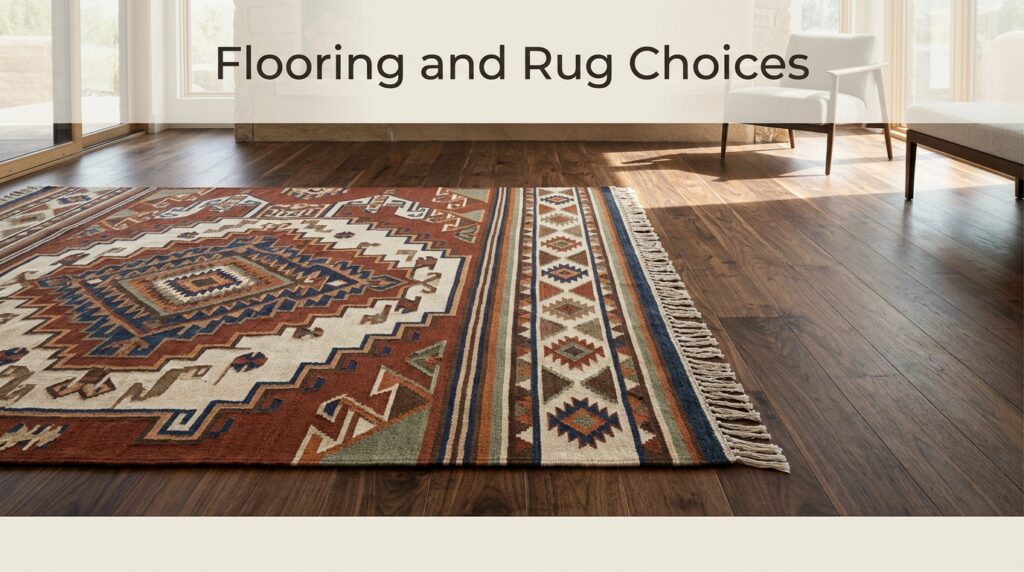
Flooring and rugs play a supporting yet important role in tying a western-themed room together. They add texture underfoot while reinforcing the overall color scheme.
Popular Rug Styles
Cowhide rugs are one of the most recognizable elements of western home decor, often placed in living rooms or entryways. Navajo and Aztec-print rugs add pattern and color while staying true to the western and southwestern crossover. Layering a patterned rug over a plain one is a popular technique for added depth.
Best Flooring Options
Hardwood flooring, especially in darker or reclaimed finishes, pairs naturally with western furniture and rugs. Stone tile is another popular option, particularly in entryways or kitchens. Both choices support the earthy, grounded feel that defines this decorating style.
Wall Decor and Artwork
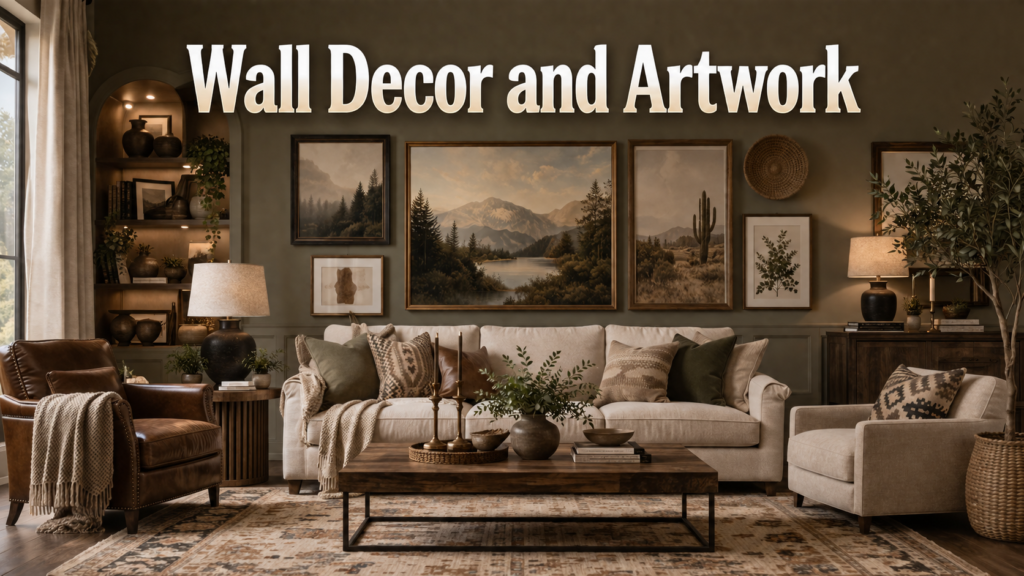
Walls in a western-themed home are usually filled with meaningful, rustic accents rather than generic artwork. This is where personality and storytelling come through most clearly.
Animal-Inspired Wall Pieces
Antlers, mounted animal heads, and horseshoes are commonly used as wall decor in western homes. These pieces are often placed above fireplaces or on large empty walls to create a focal point. They add a rugged, outdoor feel that instantly signals the western theme.
Vintage Signs and Framed Art
Vintage metal signs, old advertisements, and framed western landscape paintings are also popular wall choices. These pieces add color and storytelling without requiring major renovation. A gallery wall combining a few of these elements can create a striking visual impact.
Lighting Choices for Western Interiors

Lighting in western home decor is meant to feel warm, soft, and slightly rustic rather than bright and modern. The right fixtures can dramatically change the mood of a room.
Chandeliers and Ceiling Fixtures
Wrought-iron chandeliers, often shaped like wagon wheels or antlers, are a signature lighting choice in this style. These fixtures add drama while staying true to the rustic theme. They work especially well in dining rooms or entryways with higher ceilings.
Lamps and Accent Lighting
Lantern-style table lamps and Edison bulb fixtures are popular for creating a warm, ambient glow. These lighting choices mimic the soft, natural light of old ranch homes. Placing them near seating areas enhances the cozy atmosphere western decor is known for.
Textiles and Soft Furnishings
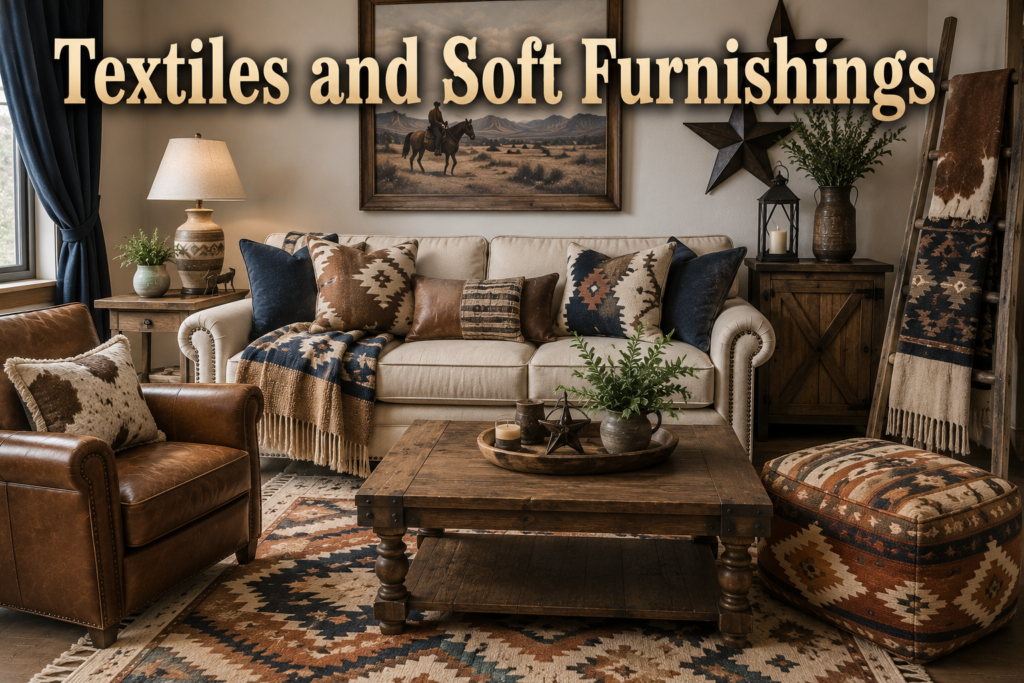
Textiles add comfort and softness to balance out the heavier materials found in western decor. They also introduce pattern and color in a flexible, easy-to-change way.
Blankets and Throws
Plaid and striped blankets are frequently draped over sofas, chairs, or beds to add texture and warmth. These textiles are practical as well as decorative, especially in cooler climates. Choosing a mix of solid and patterned throws keeps the look balanced.
Cushions and Curtains
Leather or suede cushions add a tactile element to sofas and chairs, while fringe detailing on curtains reinforces the western theme. These smaller textile choices are an easy way to update a room without major renovation. They also allow for seasonal changes without much effort.
Decorative Accents and Accessories
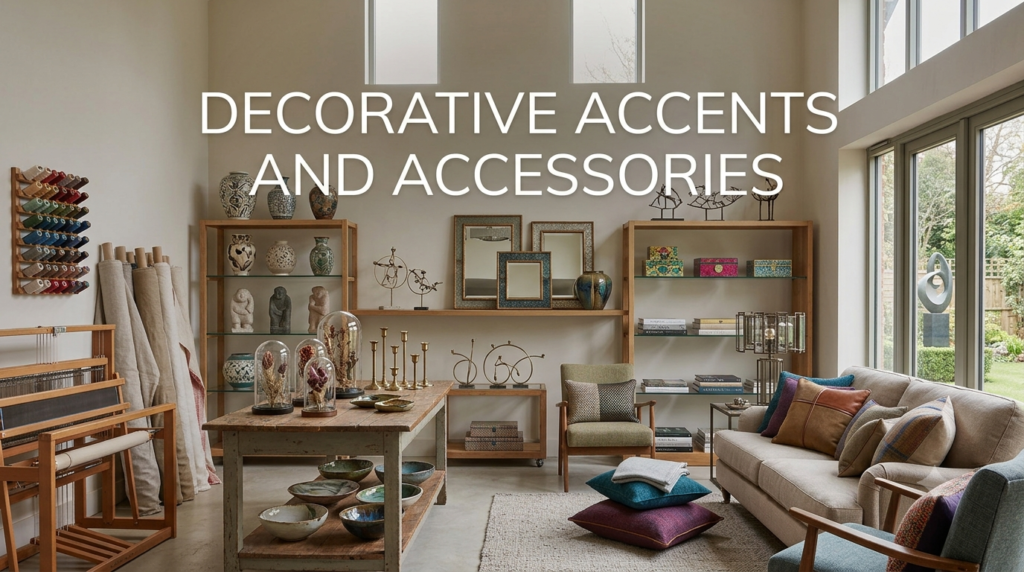
Small accessories often make the biggest difference in western home decor, adding personality and charm to every corner of a room.
Nature-Inspired Accents
Cactus and succulent arrangements are popular for adding a touch of greenery that fits the western and southwestern aesthetic. Longhorn skulls, whether real or decorative replicas, are another common accent piece. These items reinforce the outdoor, rugged feel of the style.
Vintage and Handmade Items
Horseshoes, old cowboy memorabilia, and handmade pottery are frequently used as decorative accents throughout western-themed homes. These pieces add authenticity and often carry sentimental or historical value. Displaying them on shelves or mantels creates natural conversation points.
Room-by-Room Western Decor Guide
Different rooms in the home can be styled differently while still keeping the western theme consistent throughout. Below is a simple breakdown of how each space can be approached.
| Room | Key Decor Focus |
| Living Room | Leather sofas, cowhide rugs, wagon-wheel lighting |
| Bedroom | Wooden bed frames, plaid bedding, antler wall art |
| Kitchen and Dining | Wood dining tables, iron light fixtures, pottery accents |
| Bathroom | Stone tile, rustic wood shelving, leather-trimmed mirrors |
| Outdoor Patio | Wooden furniture, lantern lighting, woven textiles |
Blending Western Decor with Other Styles
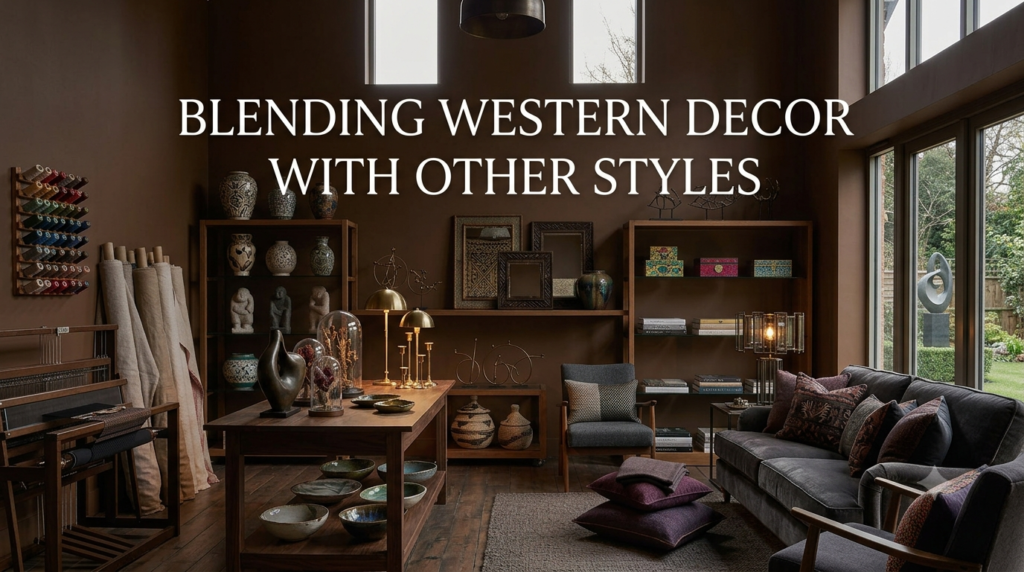
Western home decor does not have to stand alone; it blends beautifully with several other popular interior styles. This flexibility makes it easier to personalize for different tastes.
Western-Farmhouse Fusion
Combining western decor with farmhouse style softens the rugged look with lighter woods and simple, functional furniture. This mix works especially well in kitchens and dining areas. It creates a balance between cozy and rustic without feeling overly themed.
Southwestern and Modern Mixes
Adding southwestern patterns and colors introduces more vibrancy, while a modern-western mix keeps furniture simple and lets accessories carry the theme. This combination works well for homeowners who prefer a cleaner, more minimal base. It allows the western elements to stand out without overwhelming the space.
Budget-Friendly Western Decor Tips
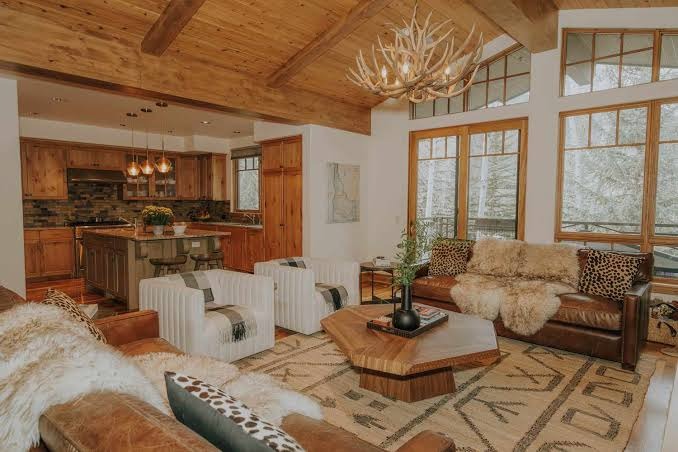
Creating a western-themed home does not require a large budget if you focus on smart shopping and simple upgrades. Small changes can have a noticeable impact.
DIY and Upcycling Ideas
Repainting old wooden furniture or adding leather straps to plain drawers can instantly update a piece to fit the western theme. Thrifted items, once cleaned and refinished, often work just as well as new ones. These small projects also add a personal touch to the space.
Affordable Accent Pieces
Items like throw pillows, small pottery pieces, and inexpensive wall art can transform a room without a large investment. Focusing on a few statement pieces, rather than filling every corner, keeps the budget in check. This approach also prevents the room from feeling cluttered.
Where to Shop for Western Home Decor
Finding the right pieces is easier when you know where to look, whether online or in person. A mix of sources often gives the best variety.
Online and Local Options
Online marketplaces offer a wide range of western decor items, from furniture to small accessories, often with customer reviews to guide choices. Local antique markets and ranch supply stores are excellent for finding authentic, one-of-a-kind pieces. Custom and handmade options are also worth exploring for unique statement items.
Common Mistakes to Avoid
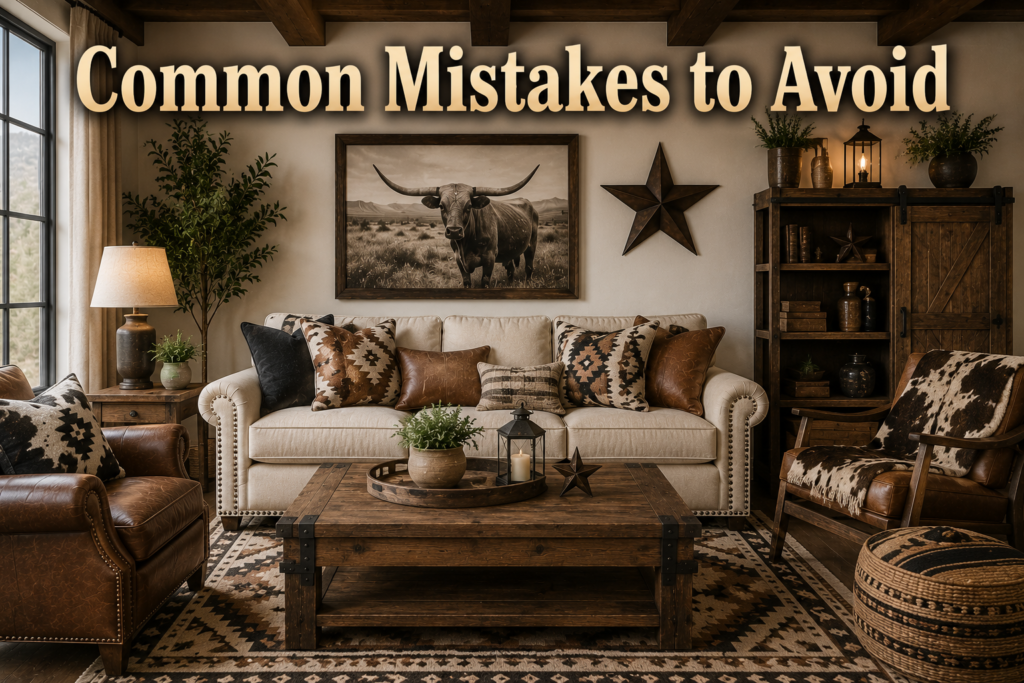
Even a well-loved style like western decor can go wrong if certain design choices are overdone or mismatched.
Overdoing the Theme
Filling every wall and shelf with western items can make a room feel like a theme park rather than a home. It is better to choose a few strong pieces and let them stand out. Balance is what makes the style feel authentic rather than exaggerated.
Poor Color and Space Balance
Using too many dark colors without enough natural light can make a room feel heavy and closed in. Mixing textures without considering scale can also make a space feel cluttered. Paying attention to balance ensures the room stays warm and inviting rather than overwhelming.
FAQs About Western Home Decor
Is western home decor only suitable for large houses or ranches?
No, western home decor can be adapted to apartments and smaller homes by focusing on a few key pieces rather than filling every space.
Can western decor work in a modern home?
Yes, pairing simple modern furniture with western accessories like leather cushions or iron lighting creates an easy, updated version of the style.
What is the easiest way to start decorating in this style?
Begin with one statement piece, such as a cowhide rug or a leather sofa, and build the rest of the room around it.
Conclusion
Western home decor offers a warm, authentic way to bring character and history into any living space. By focusing on natural materials, earthy colors, and meaningful accents, homeowners can create a room that feels both rugged and comfortable.
Whether used on its own or blended with other styles, western home decor remains a timeless choice for those who want their home to tell a story.