60s Home Decor : History, Colors, Furniture & Modern Ideas
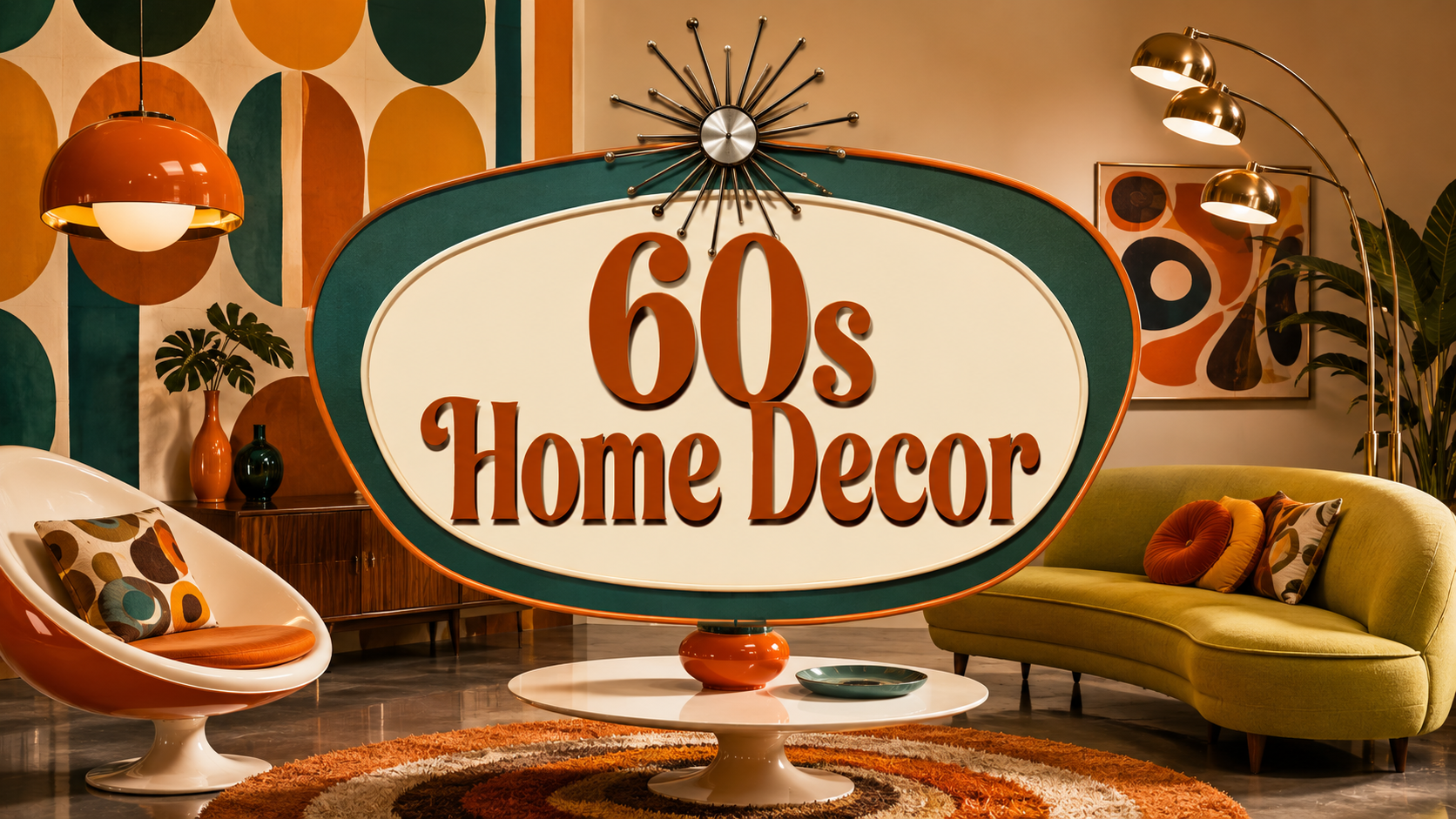
60s home decor is known for its bold colors, playful patterns, and futuristic furniture that broke away from older, more formal styles. This era brought warmth, energy, and personality into homes through avocado greens, mustard yellows, and burnt oranges paired with plastic chairs and low sofas.
The style was shaped by the space race, pop art, and a growing youth culture that wanted homes to feel fun rather than stiff. Even today, many people bring back elements of 60s home decor because it adds character and warmth that modern minimalism sometimes lacks.
This guide walks through every part of this decade’s design language in a simple and easy-to-understand way. By the end, you will know exactly how to identify, appreciate, and even recreate 60s home decor in your own space.
Historical Background
The 1960s were shaped by big social and technological changes that directly influenced how homes looked and felt. Understanding this background helps explain why the decor choices of this decade were so different from earlier styles.
Post-War Optimism Into the 60s
After the difficulties of the previous decades, people entered the 60s with a sense of hope and forward movement. This optimism showed up in homes through brighter colors and more relaxed furniture choices instead of the darker, heavier styles used before. Families wanted their houses to reflect a fresh start and a more positive outlook on daily life.
Influence of Technology and Space Exploration
The space race between world powers pushed design in a futuristic direction, and this had a direct effect on furniture and decor shapes. Rounded chairs, shiny metal accents, and unusual geometric forms were inspired by rockets, satellites, and the general excitement around space travel. This gave rise to what many now call the “space-age” look within home interiors.
Rise of Consumerism and Mass Production
As factories became more efficient, furniture and decor items became cheaper and easier to produce in large quantities. This meant more households could afford trendy pieces like plastic chairs or patterned wallpaper, which had once been limited to wealthier homes. Mass production is a major reason why 60s home decor spread so quickly across different countries and income levels.
Color Palette of the 60s
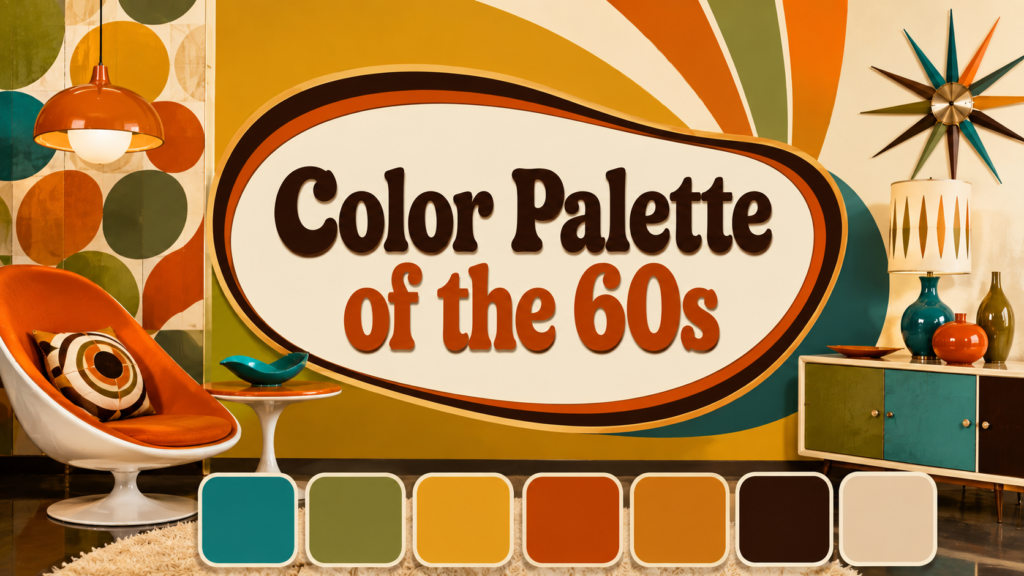
Color was one of the most defining features of 60s home decor, setting it apart from the muted tones of earlier decades. Homes became a canvas for bold self-expression rather than quiet neutrality.
Popular Colors Used in Homes
Certain shades became closely associated with this decade and are still instantly recognizable today. The table below highlights some of the most common colors used across furniture, walls, and accessories during this period.
| Color | Common Use in Homes |
| Avocado Green | Kitchen appliances, upholstery |
| Mustard Yellow | Curtains, cushions, wall paint |
| Burnt Orange | Sofas, rugs, accent chairs |
| Teal | Bathroom tiles, decorative items |
| Hot Pink | Accessories, artwork, small furniture |
Color Combinations Used in Homes
Instead of sticking to one shade, many homeowners mixed several bold colors within a single room to create energy and contrast.
A common pairing was orange with brown, or teal with mustard yellow, often balanced with white or cream walls to prevent the space from feeling overwhelming. This layered approach to color is one of the easiest ways to identify authentic 60s home decor today.
Psychedelic and Pop-Art Influenced Tones
Toward the later part of the decade, brighter and more unusual color combinations appeared, inspired by psychedelic art and music culture.
Neon-like pinks, purples, and greens started showing up in smaller decor pieces such as cushions or wall hangings. This added a more experimental and youthful layer on top of the earlier, more grounded color choices.
Patterns and Prints
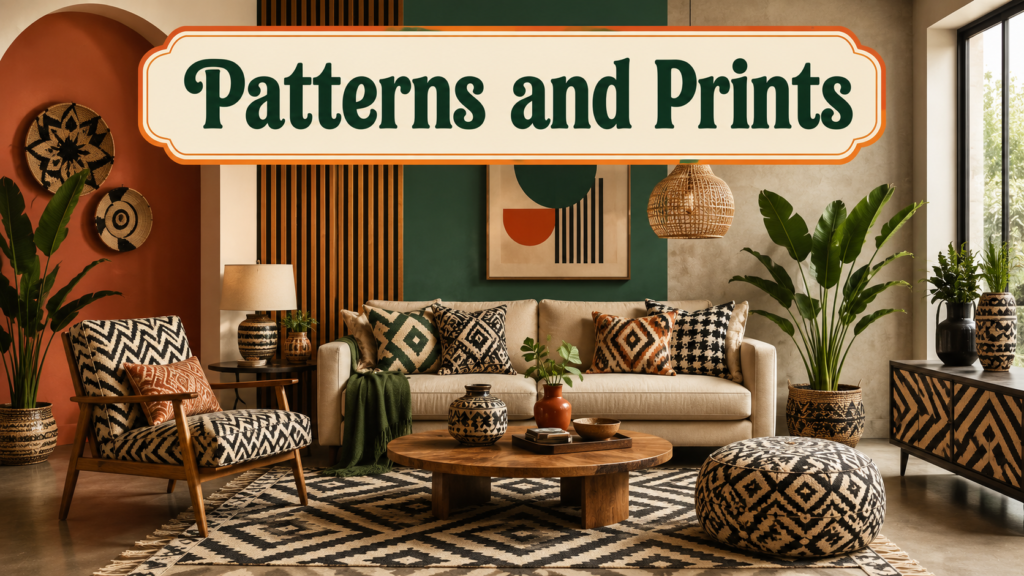
Patterns played a huge role in giving 60s home decor its unmistakable personality, often appearing on textiles, wallpaper, and even furniture upholstery. These prints added movement and visual interest to otherwise simple furniture shapes.
Geometric Shapes
Circles, hexagons, and bold stripes were extremely popular, often printed in contrasting colors for a strong visual impact. These shapes were frequently used on rugs, curtains, and wallpaper to create a sense of rhythm across a room. Geometric prints remain one of the easiest patterns to recognize from this era.
Psychedelic Swirls
Inspired by music album covers and art movements of the time, swirling and wavy patterns became common in smaller decorative items. These designs were less structured than geometric prints and gave rooms a more artistic, free-flowing feel. They were often used sparingly, such as on a single accent wall or cushion set.
Floral and Paisley Designs
Large, oversized floral prints and paisley patterns were common choices for curtains, bedspreads, and wallpaper. Unlike traditional small floral prints from earlier decades, these designs were bigger, bolder, and often paired with bright, unexpected colors. This style is still popular today for people wanting a soft, retro touch in bedrooms.
Op-Art Patterns
Optical art, or op-art, used black-and-white or high-contrast designs to create an illusion of movement or depth. This pattern style was often used on smaller surfaces like cushions, lampshades, or wall art rather than large areas. It represented the more artistic and experimental side of 60s home decor.
Furniture Styles
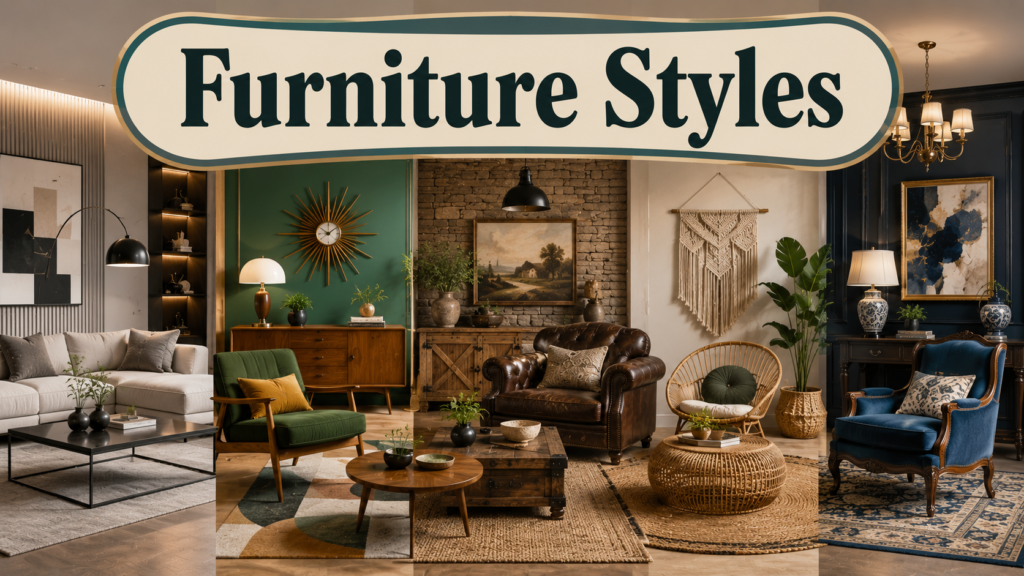
Furniture from this decade moved away from heavy, traditional designs toward lighter, more playful shapes. This shift reflected the era’s interest in new materials and modern living.
Mid-Century Modern Influence
Clean lines, tapered wooden legs, and functional shapes were central to mid-century modern furniture that carried into the 60s.
This style focused on simplicity and usefulness while still looking stylish, making it a practical choice for growing families. Many pieces from this influence remain popular reproductions today.
Molded Plastic Chairs
New manufacturing techniques allowed designers to create chairs from a single molded piece of plastic, often in bright colors.
These chairs were lightweight, affordable, and available in unusual shapes that older wooden furniture simply could not achieve. They became a symbol of the era’s forward-thinking approach to everyday objects.
Modular and Low-Slung Sofas
Sofas during this time were often lower to the ground and designed in sections that could be rearranged based on the room’s needs. This modular approach gave homeowners flexibility while also creating a relaxed, casual seating area. It was a clear break from the stiff, formal sofas of earlier decades.
Teak and Walnut Wood Pieces
Warm wood tones like teak and walnut were commonly used for tables, cabinets, and shelving units throughout the decade. These pieces balanced out the brighter plastic and colorful furniture by adding a natural, grounded element to the room. This combination of wood and color is still a popular styling choice today.
Space-Age Furniture Designs
Some furniture pieces directly mimicked the rounded, futuristic shapes seen in spacecraft and technology of the time. Egg-shaped chairs and bubble-style seating are well-known examples of this influence within 60s home decor. These pieces were often used as statement items rather than everyday furniture.
Materials and Textures
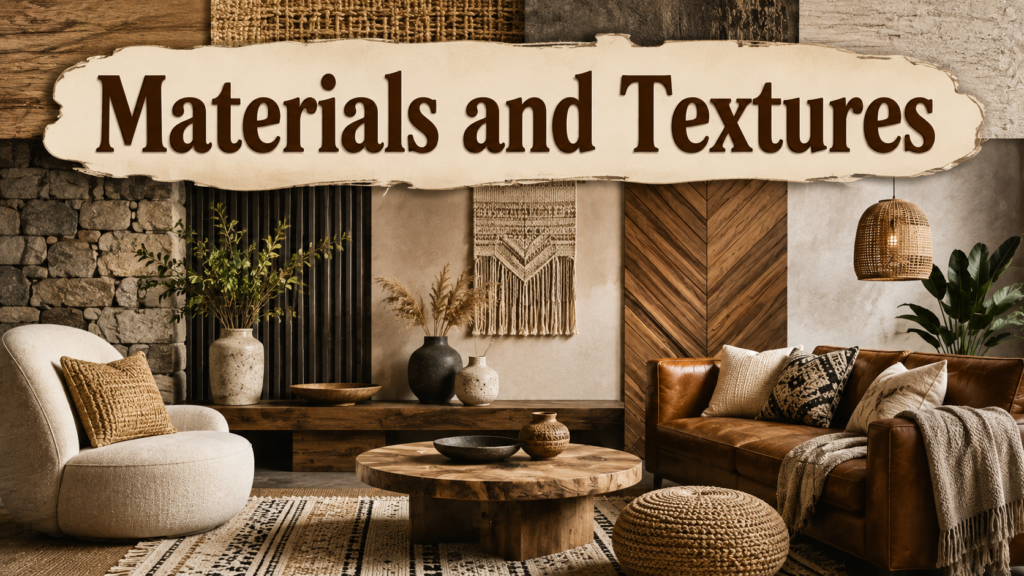
Beyond color and shape, the choice of materials gave 60s interiors their distinct feel and texture. New materials allowed for designs that simply weren’t possible before.
Plastic and Vinyl
Plastic and vinyl became widely used for furniture, flooring, and even wall coverings due to their affordability and easy maintenance. These materials also allowed for brighter, glossier finishes compared to traditional fabric or wood. Their popularity reflected the decade’s excitement about new industrial materials.
Shag Carpets
Thick, long-pile shag carpets became a defining floor covering, often chosen in bold colors like orange or green. These carpets added softness and warmth to rooms filled with hard plastic furniture and glossy surfaces. They remain one of the most recognizable textures associated with 60s home decor.
Chrome and Metal Accents
Shiny chrome legs on tables and chairs, along with metal light fixtures, added a sleek, modern touch to many rooms. This metallic detailing paired well with both the plastic furniture and the natural wood pieces common at the time. It helped balance the softness of shag carpets with something more structured.
Wood Paneling
Many homes featured wood paneling on walls, particularly in living rooms and basements, adding warmth and texture. This paneling often appeared alongside bold wallpaper or paint in adjoining spaces, creating contrast between natural and synthetic materials. It remains a nostalgic feature strongly tied to this decade.
Lighting
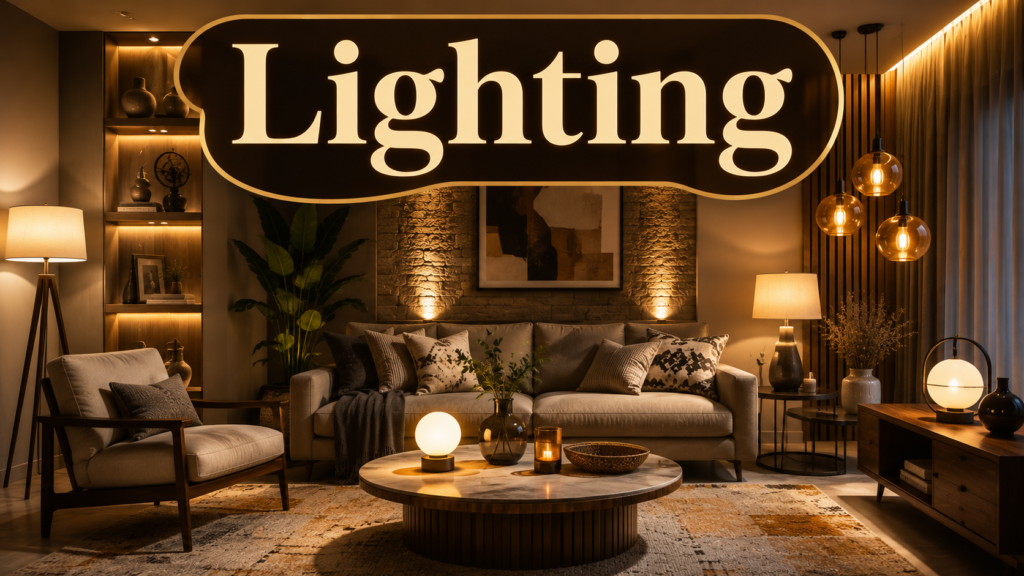
Lighting fixtures during the 60s were treated as design statements rather than purely functional items. Unique shapes and playful movement became just as important as brightness.
Lava Lamps
Lava lamps became one of the most iconic decor items of the decade, combining colorful, slow-moving wax with soft lighting. They were often placed in living rooms or bedrooms as a fun, conversation-starting accessory. Even now, lava lamps are instantly associated with 60s home decor.
Sunburst Wall Lamps
Wall-mounted lamps with rays extending outward, similar to sunburst mirrors, added both light and decorative value to a room. These fixtures were often placed above sofas or in hallways as a stylish focal point. Their bold shape matched well with the geometric patterns popular at the time.
Pendant and Globe Lighting
Round, globe-shaped pendant lights became common in kitchens and dining areas, often in bright colors like orange or yellow. These lights provided a softer, more diffused glow compared to sharper fixtures from earlier decades. Their simple shape fit well with the era’s love of clean, rounded forms.
Statement Chandeliers
In more formal spaces, chandeliers with unusual shapes or colored glass pieces replaced traditional crystal designs. These fixtures combined luxury with the playful, experimental spirit of the decade. They served as a centerpiece in dining rooms or entryways.
Wall Decor and Accessories
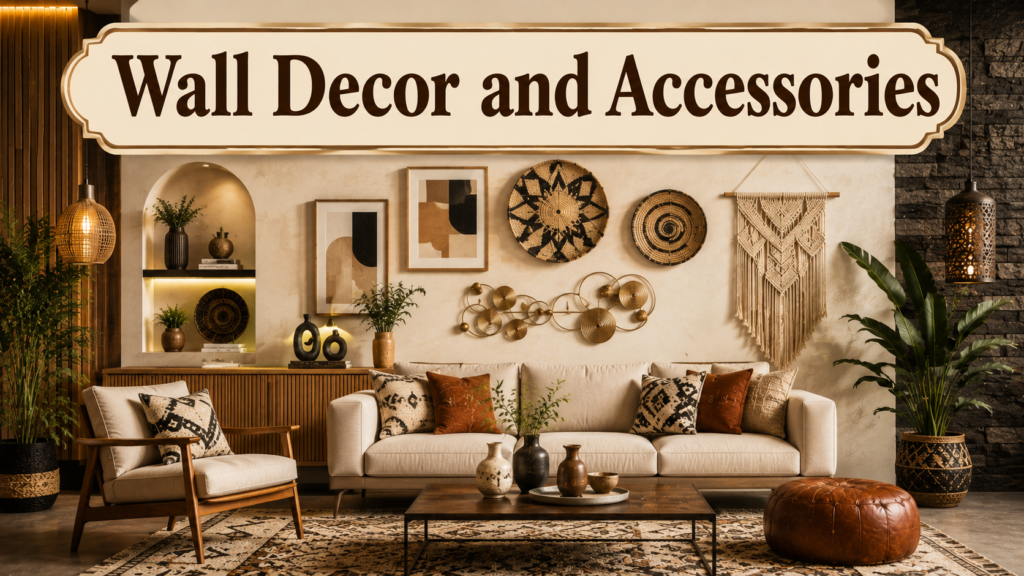
Walls and small accessories offered an easy way to bring 60s home decor into a space without changing major furniture pieces. These details often carried the strongest personality within a room.
Sunburst Mirrors and Clocks
Mirrors and clocks shaped like a sun, with metal rays extending outward, were extremely popular wall decorations. They added both function and visual interest, often becoming the focal point above a fireplace or sofa. This design remains popular in retro-inspired interiors today.
Bold Wallpaper Designs
Wallpaper featuring large florals, geometric shapes, or psychedelic patterns was used to make a strong style statement in living rooms and bedrooms. Unlike plain painted walls, wallpaper allowed homeowners to introduce pattern and color without changing furniture. It was often used on a single accent wall to avoid overwhelming the space.
Wall Art Inspired by Pop Art
Bright, bold artwork inspired by the pop art movement became a common way to decorate empty wall space. These pieces often used simple shapes and strong color blocks rather than detailed, realistic imagery. They reflected the same playful energy seen throughout 60s home decor.
Beaded Curtains
Beaded curtains, often used in doorways instead of solid doors, added texture, sound, and a relaxed, bohemian feel to a home. They were especially popular in casual spaces like family rooms or teenage bedrooms. This accessory represents the more free-spirited side of the decade’s style.
Room-by-Room Breakdown
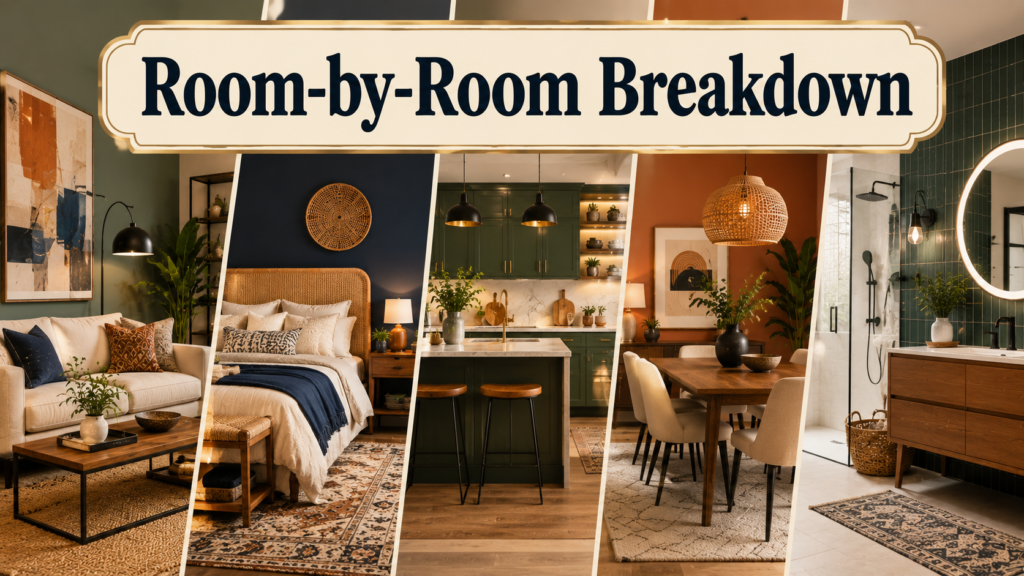
Different rooms in the home expressed 60s home decor in slightly different ways based on their function. Looking at each space individually makes it easier to apply this style practically.
Living Room
The living room was often the boldest space in the home, combining colorful sofas, patterned rugs, and statement lighting. This is where geometric wallpaper, shag carpets, and modular seating usually came together most strongly. It served as the main showcase for a household’s personal style.
Kitchen
Kitchens featured colorful appliances, often in avocado green or harvest gold, paired with bright countertops and cabinets. Patterned tiles and simple, functional layouts kept the space practical while still reflecting the decade’s love of color. This room shows how 60s home decor balanced style with everyday usability.
Bedroom
Bedrooms often used softer patterns like large florals or paisley on bedspreads and curtains, paired with wooden furniture. Lighting here tended to be more relaxed, sometimes including a small lava lamp or globe-style bedside lamp. The overall feel was cozy rather than as bold as the living room.
Bathroom
Bathrooms commonly featured colored tiles, especially in teal, pink, or mustard yellow, paired with matching fixtures. This was one of the few rooms where color extended even to items like sinks and bathtubs. It remains one of the most distinctive and easily recognizable features of 60s home decor.
Iconic Design Movements Influencing the Era
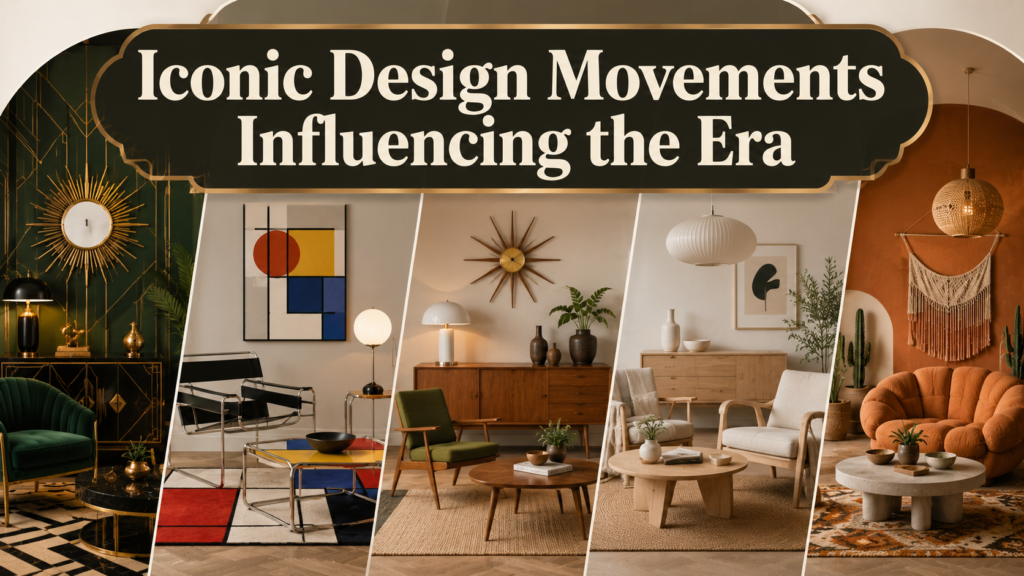
Several broader design and art movements shaped how homes looked during this decade. These influences worked together rather than separately, creating the layered style we now recognize.
Pop Art Movement
Pop art’s bold colors and graphic shapes directly influenced wall art, textiles, and even furniture upholstery patterns. This movement encouraged homeowners to see everyday objects as opportunities for creative expression. Its playful nature matches closely with the overall spirit of 60s home decor.
Space Age Design
As mentioned earlier, excitement around space exploration pushed furniture and lighting toward rounded, futuristic shapes. This movement was less about color and more about form, giving rooms a sleek, forward-looking feel. It worked well alongside the brighter, pattern-heavy elements from pop art.
Scandinavian Modern Influence
Simple, functional wooden furniture from Scandinavian design added balance to the boldness of other 60s trends. This influence is why so many pieces from the decade still feel practical and usable in modern homes today. It softened the more experimental elements with clean, honest craftsmanship.
Famous Designers and Brands of the Era
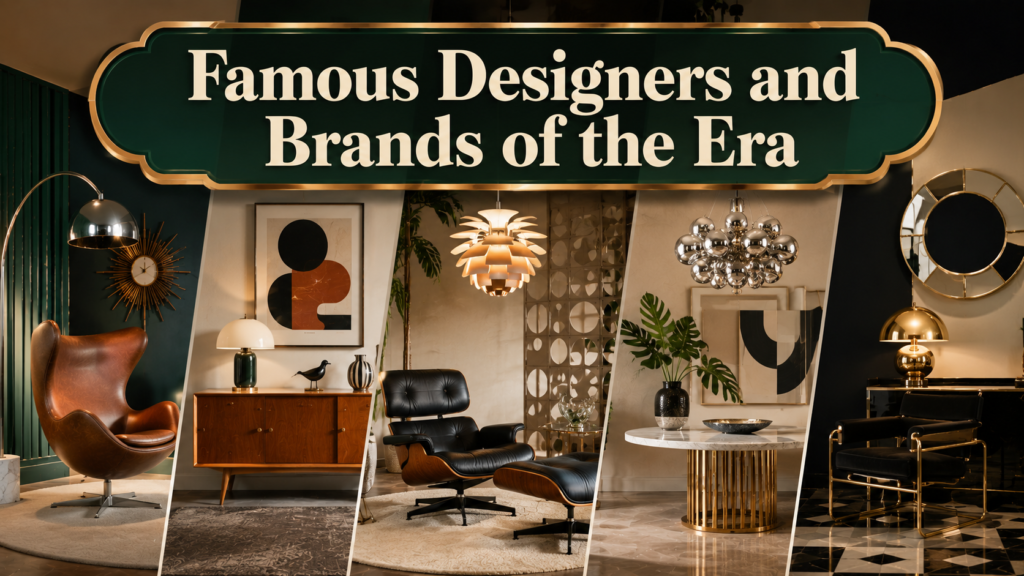
Certain designers and companies became closely associated with shaping the visual identity of 60s home decor. Their work continues to influence furniture design even now.
Key Furniture Designers
Designers from this period focused heavily on new materials like molded plastic and combined them with bold, sculptural shapes.
Their furniture often prioritized comfort and flexibility, matching the decade’s more relaxed approach to daily living. Many original designs are still reproduced and sold today under vintage-inspired collections.
Popular Decor Brands
Several manufacturers became known for producing affordable, stylish items that made 60s home decor accessible to everyday households.
These brands helped standardize popular colors and patterns across furniture, textiles, and small appliances. Their catalogs from this period are often used today as reference points for authentic recreations.
How to Recreate 60s Decor Today
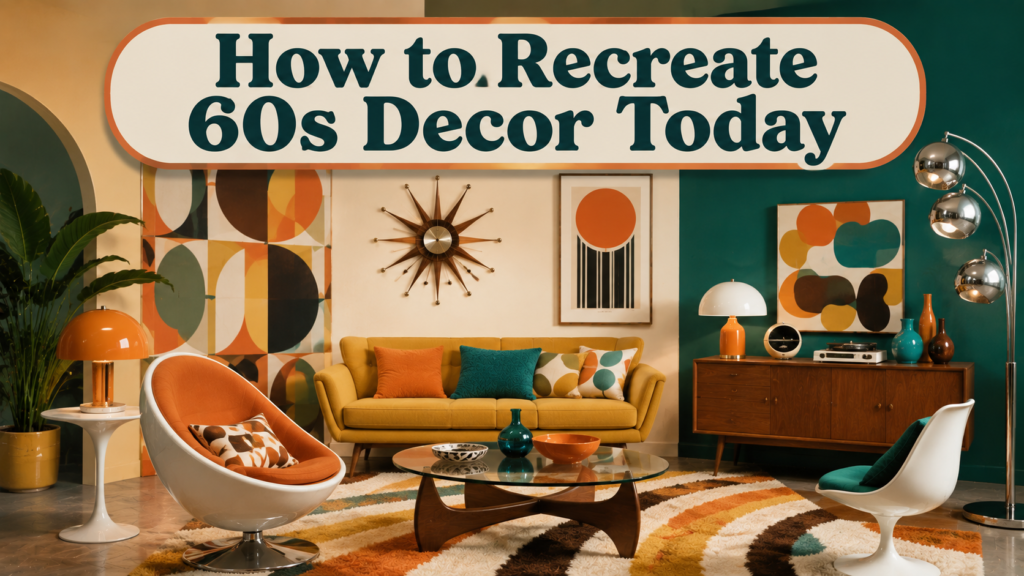
Bringing this style into a modern home does not require a complete renovation or an entirely themed room. Small, thoughtful choices can capture the spirit of the decade while still feeling livable today.
Modern Retro-Inspired Products
Many furniture brands now produce new pieces specifically designed to mimic the shapes and colors of this era. Choosing items like a mustard yellow accent chair or a sunburst mirror is an easy starting point. These reproductions offer the look without needing to search for original vintage pieces.
Tips for Mixing Vintage with Contemporary
Rather than filling an entire room with retro items, it often works better to mix a few statement pieces with simpler, modern furniture. For example, pairing a plain modern sofa with a bold geometric rug keeps the space balanced. This approach makes 60s home decor feel fresh rather than like a themed costume.
Where to Shop for Authentic Pieces
Vintage furniture shops, estate sales, and online resale platforms are good places to find genuine pieces from the decade. Local thrift stores can also occasionally offer surprising finds at affordable prices. Buying original pieces adds authenticity that reproductions sometimes cannot fully match.
Pros and Cons of 60s Style in Modern Homes
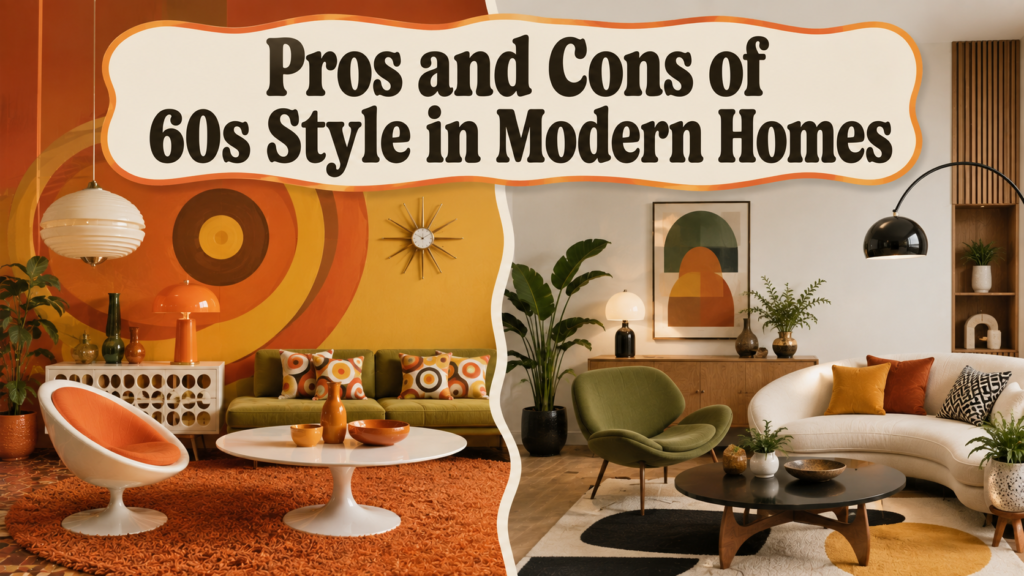
Like any design style, bringing 60s home decor into a modern space comes with both advantages and challenges worth considering.
Benefits of This Style
This decor style brings strong character, warmth, and a sense of personality that many minimalist modern designs lack. Bold colors and patterns can make a home feel more inviting and memorable to guests. It also allows for creative freedom, since there are so many colors and textures to work with.
Challenges to Consider
Finding authentic pieces can sometimes be difficult or expensive, especially for larger furniture items. Additionally, bold colors and patterns are not to everyone’s taste and may need to be balanced carefully to avoid feeling overwhelming. Matching vintage pieces with modern technology and layouts can also require some creative problem-solving.
Conclusion
60s home decor remains one of the most recognizable and loved design styles because of its bold colors, playful patterns, and comfortable furniture shapes.
From avocado green kitchens to sunburst mirrors and shag carpets, this decade brought warmth and personality into everyday homes. Whether through authentic vintage finds or modern reproductions, this style continues to inspire homeowners who want their space to feel unique and full of character.
FAQs
What colors are commonly used in 60s home decor?
Common colors include avocado green, mustard yellow, burnt orange, teal, and hot pink, often mixed together for a bold, energetic look.
What furniture materials were popular during this decade?
Molded plastic, teak wood, walnut wood, and chrome metal were widely used, offering a mix of modern and natural materials.
Is 60s home decor still popular today?
Yes, many homeowners incorporate elements like sunburst mirrors, shag rugs, or retro-inspired furniture to add character to modern interiors.
How can I add this style without a full renovation?
Start with small items like lighting, wall art, or a single statement chair rather than redesigning an entire room.
Where can I find authentic 60s decor pieces?
Vintage shops, estate sales, and online resale platforms are good sources for original furniture and accessories from this era.
Related Articles
Luxury Home Decor: The Complete Guide to Elevating Your Living Space
Linon Home Decor: Complete Guide to Styles, Quality & Buying Tips
Mens Home Decor: A Complete Guide to Masculine Interior Style
Home Decor China Import Products: A Complete Guide for Buyers and Retailers