Japanese Home Decor: A Complete Guide to Minimalist and Calm Interiors
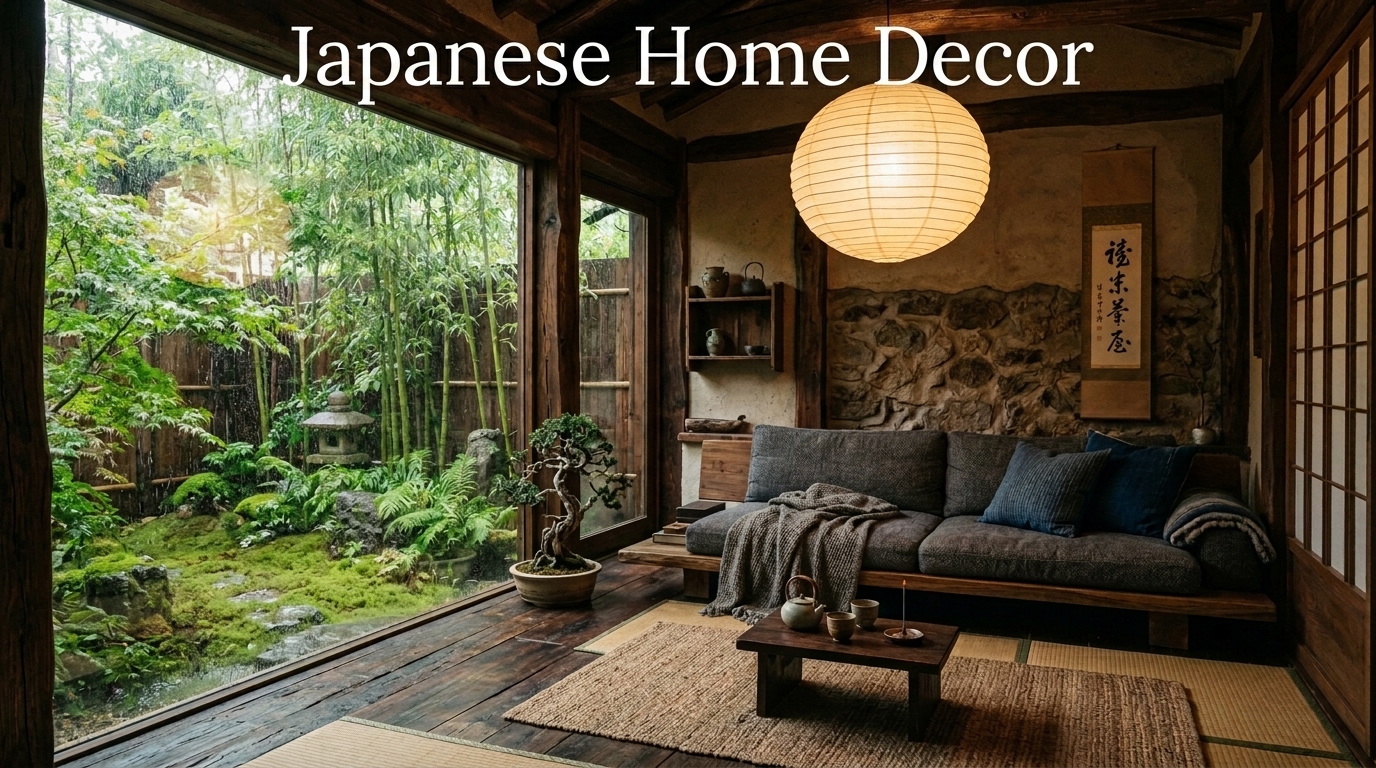
Japanese home decor is a design approach built on simplicity, natural materials, and a deep respect for empty space. Instead of filling a room with objects, this style focuses on function, calm, and a quiet connection to nature.
Over the years, homeowners around the world have adopted Japanese home decor because it creates spaces that feel peaceful rather than cluttered. This guide walks through the philosophy, architecture, furniture, colors, and practical steps needed to bring this style into any home. By the end, you will understand not just what Japanese home decor looks like, but why it works so well.
What is Japanese Home Decor and Where Did It Come From
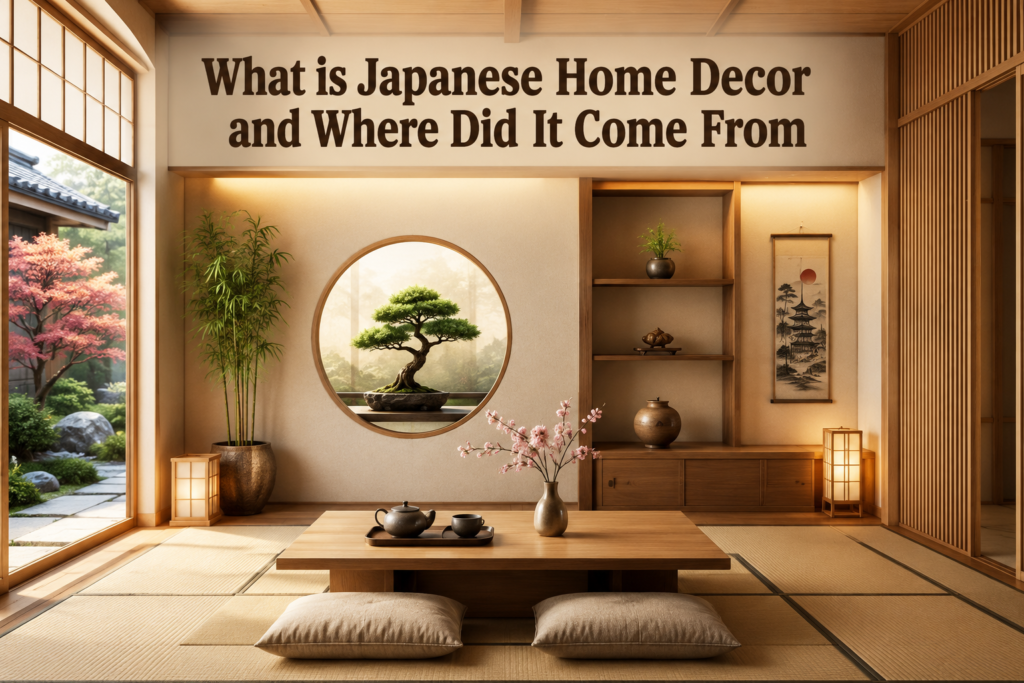
Japanese home decor grew out of centuries-old living traditions shaped by limited space and a strong respect for nature. Its roots can be traced back to temple architecture, tea ceremony rooms, and traditional farmhouses.
The Origins of the Style
Traditional Japanese homes were built around wood, paper, and natural light rather than heavy furniture. Rooms were designed to change purpose throughout the day, which shaped a design language that values flexibility. This history still influences modern Japanese home decor choices today.
Why It Has Become Globally Popular
People today are drawn to Japanese home decor because it offers a break from cluttered, fast-fashion interiors. It promotes fewer possessions, better organization, and a sense of calm that many modern homes lack. This shift toward mindful living has pushed the style into mainstream popularity.
Core Philosophy Behind the Design
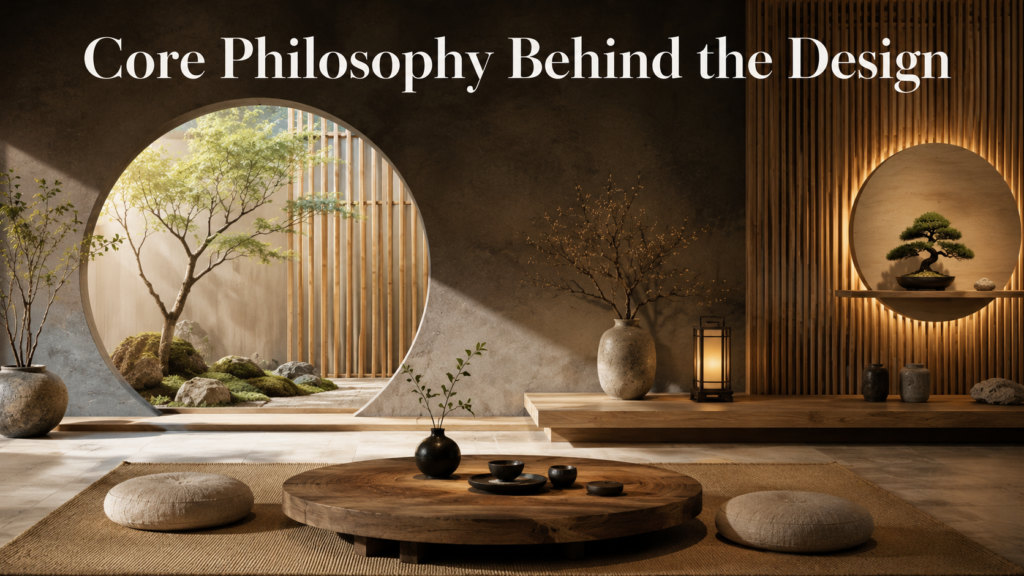
Before choosing furniture or colors, it helps to understand the ideas that shape every decision in Japanese home decor. These principles are not just aesthetic rules; they reflect a way of thinking about daily life.
Wabi-Sabi: Beauty in Imperfection
Wabi-sabi values natural wear, asymmetry, and imperfect textures over polished perfection. A slightly uneven ceramic bowl or a weathered wood surface is seen as more beautiful than something flawless. This idea encourages homeowners to keep imperfect, handmade items instead of replacing them.
Ma: The Power of Empty Space
Ma refers to the intentional use of empty space within a room. Rather than filling every corner, Japanese home decor treats blank space as an active design element that allows the eye and mind to rest. This is one of the biggest differences from Western maximalist interiors.
Shibui: Quiet, Understated Elegance
Shibui describes a subtle beauty that does not shout for attention. Furniture and decor pieces are chosen for their simplicity rather than bold patterns or bright colors. Over time, this quiet elegance tends to feel more satisfying than trend-driven decor.
Key Architectural Elements
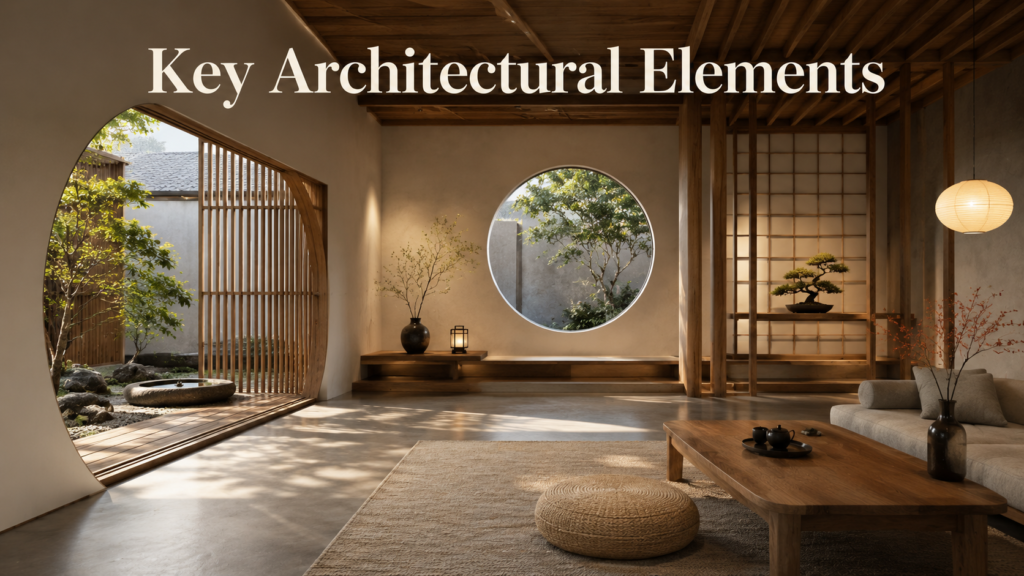
Architecture plays a major role in shaping how a home feels, and Japanese home decor pays close attention to structural details, not just furniture.
Tatami Mat Flooring
Tatami mats are woven straw flooring pads that create a soft, natural surface underfoot. They also act as a measuring unit for room size in traditional Japanese design. Even in modern homes, a single tatami-style room is often kept as a calm retreat space.
Shoji and Fusuma Sliding Screens
Shoji screens use translucent paper over wooden frames to filter natural light softly into a room. Fusuma panels are opaque sliding doors used to divide larger spaces when needed. Both allow rooms to be reshaped depending on the activity, which is a hallmark of Japanese home decor.
Genkan Entryway Design
The genkan is a small sunken area near the front door where shoes are removed before entering the home. This physical and symbolic threshold separates the outside world from the clean, private interior. Many homes outside Japan now add a genkan-style entry for practicality and style.
Furniture and Layout Principles
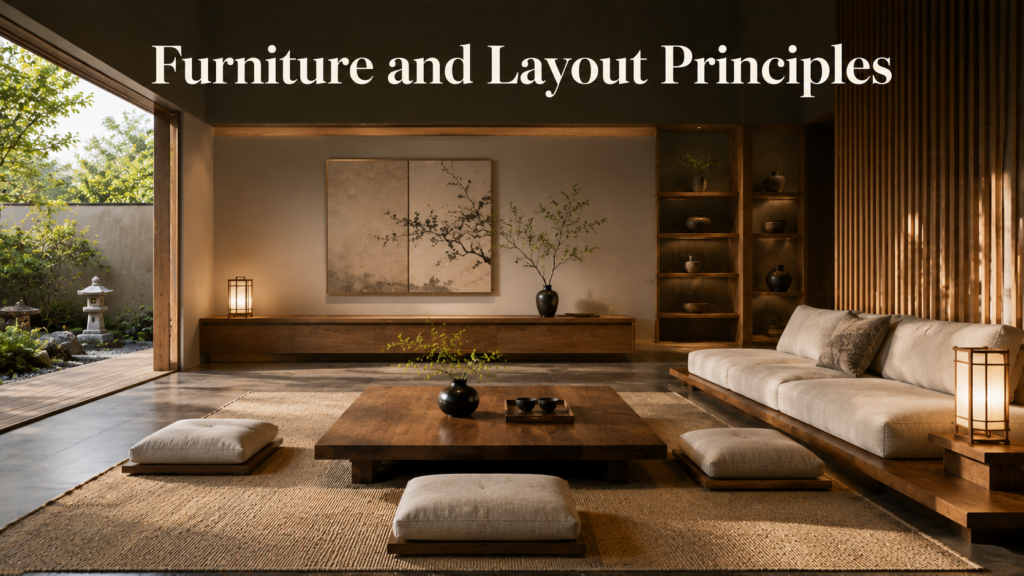
Furniture choices in Japanese home decor prioritize low profiles, multi-use pieces, and open floor plans over bulky, fixed arrangements.
Low Furniture and Floor Seating
Low tables and floor cushions called zabuton are common instead of tall chairs and sofas. Sitting closer to the ground creates a more grounded, relaxed feeling in the room. This also makes ceilings feel taller and spaces feel more open.
Multi-Functional and Foldaway Pieces
Futons that fold away during the day, stackable storage, and collapsible tables allow one room to serve several purposes. This flexibility was originally born from limited space in Japanese cities. It remains a smart solution for small modern apartments today.
Open Floor Plans
Rooms are rarely locked into one fixed use in traditional Japanese homes. Sliding panels allow a single space to become a bedroom, dining area, or sitting room depending on the time of day. This flexible layout is a practical lesson for anyone dealing with limited square footage.
Color Palette and Natural Materials
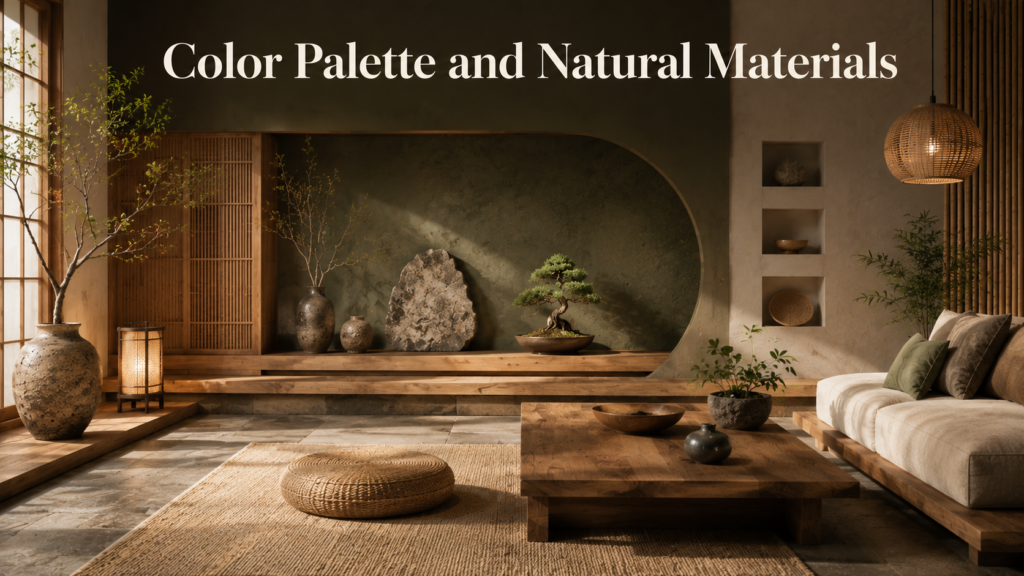
Color and material choices in Japanese home decor stay close to what is found in nature, avoiding artificial brightness or heavy patterns.
Neutral and Earthy Tones
Beige, soft brown, off-white, charcoal, and muted green dominate most Japanese-inspired rooms. These tones create a calm backdrop that never feels overwhelming. Bright accent colors are used sparingly, if at all.
Natural Materials Used in the Style
Wood, bamboo, paper, clay, and stone appear throughout Japanese home decor, often left in their natural, unfinished state. These materials age gracefully and develop character over time instead of looking worn out. The table below summarizes common materials and where they are typically used.
| Material | Common Use | Visual Effect |
| Wood (cedar, cypress) | Flooring, beams, furniture | Warm, grounding tone |
| Bamboo | Blinds, small furniture, decor | Light, airy texture |
| Washi paper | Shoji screens, lamps | Soft, diffused light |
| Stone | Garden paths, bathroom accents | Cool, natural texture |
| Clay and ceramic | Pottery, tableware | Handmade, imperfect charm |
Decorative Elements That Define the Look
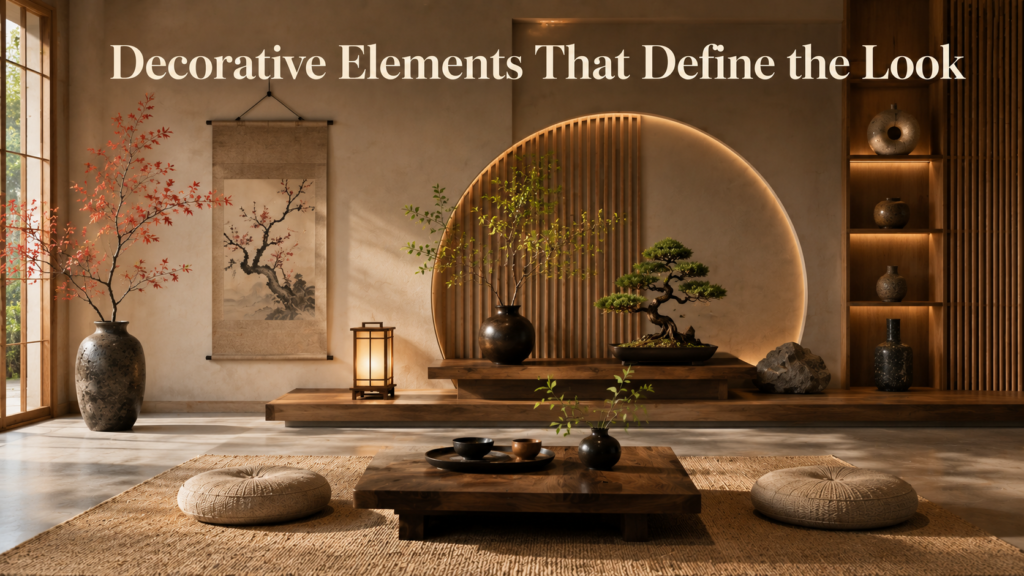
Decor in Japanese home decor is intentionally minimal, with each object chosen for meaning rather than filling space.
Ikebana Flower Arrangement
Ikebana focuses on a few carefully placed stems rather than a full, dense bouquet. The empty space around the flowers is just as important as the flowers themselves. A single ikebana arrangement can become the focal point of an entire room.
Bonsai and Indoor Plants
Small, carefully trained bonsai trees bring a living connection to nature indoors. Unlike large leafy houseplants, bonsai are chosen for their sculptural, patient form. They also require mindful care, which fits the reflective spirit of the style.
Wall Scrolls and Calligraphy
A single hanging scroll, or kakejiku, often features simple calligraphy or a nature scene. These are usually displayed in a small alcove called a tokonoma and changed with the seasons. This rotating display keeps the home connected to time and nature without adding clutter.
Zen and Garden-Inspired Features
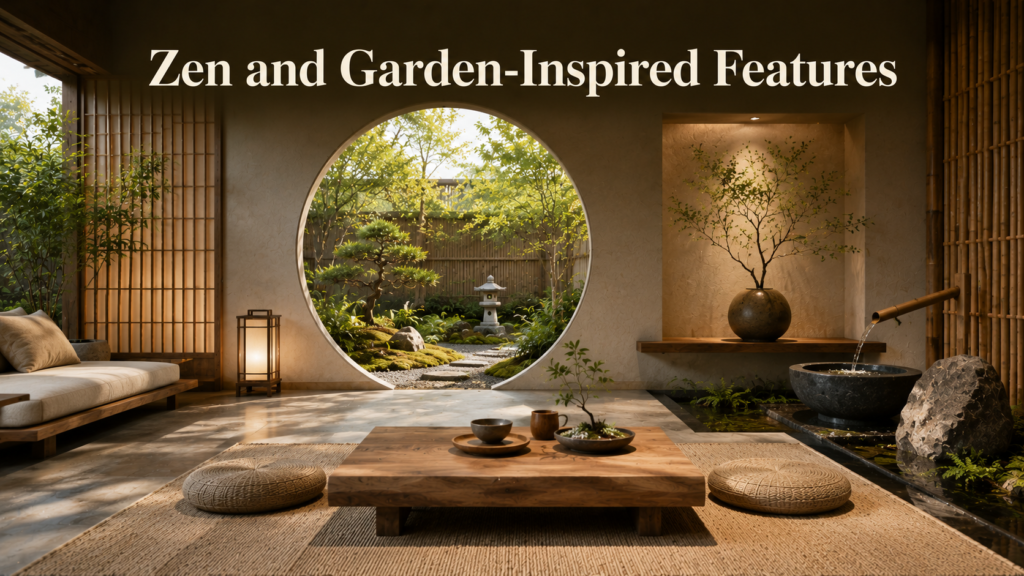
Even indoor spaces in Japanese home decor often borrow ideas directly from traditional Japanese gardens.
Indoor Rock Gardens
A karesansui, or dry rock garden, uses raked gravel and carefully placed stones to represent water and mountains. Miniature versions can fit on a tabletop or in a small corner. This feature adds a meditative quality without needing outdoor space.
Bringing Outdoor Views Indoors
Large windows or glass doors are positioned to frame a garden view as if it were a living painting. This blurs the line between indoor and outdoor space, a concept central to traditional design. Even a small potted garden visible through a window can achieve a similar effect.
Applying the Style Room by Room
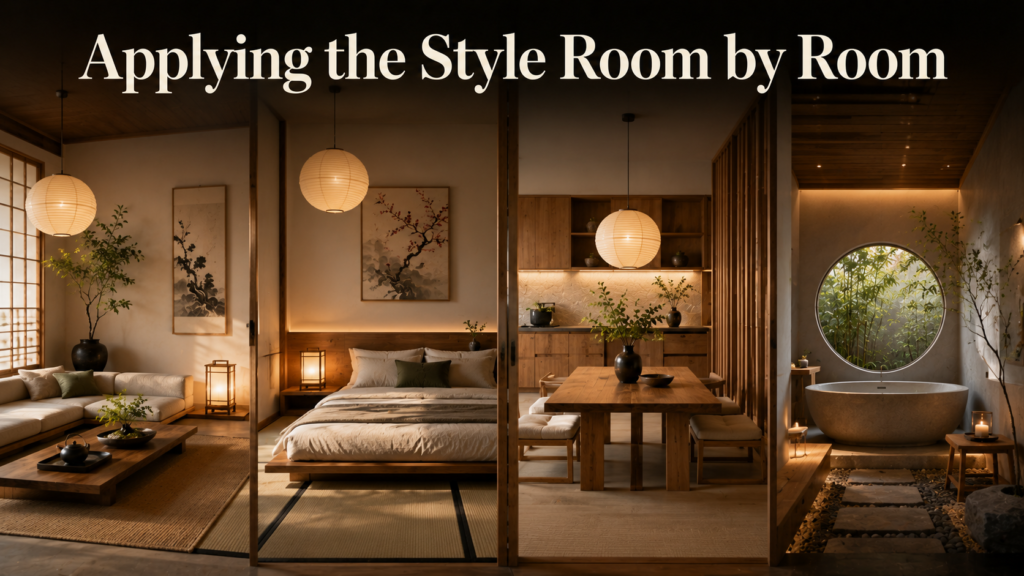
Japanese home decor can be adapted to almost any room, though each space calls for slightly different choices.
Living Room
A low table, floor cushions, and a single piece of wall art usually replace a large sofa and coffee table set. Storage stays hidden behind sliding panels to keep the room visually calm. Soft, warm lighting completes the atmosphere.
Bedroom
A futon on a tatami-style mat, minimal nightstands, and soft paper lighting define a Japanese-inspired bedroom. Clutter is kept to an absolute minimum, with clothing and items stored out of sight. The result is a room built purely for rest.
Kitchen and Bathroom
Kitchens favor open shelving with a small number of well-made tools rather than overflowing cabinets. Bathrooms often draw on the ofuro soaking tub tradition, focusing on warmth, wood, and quiet relaxation. Both spaces avoid unnecessary decoration in favor of function.
Modern Japandi Trends
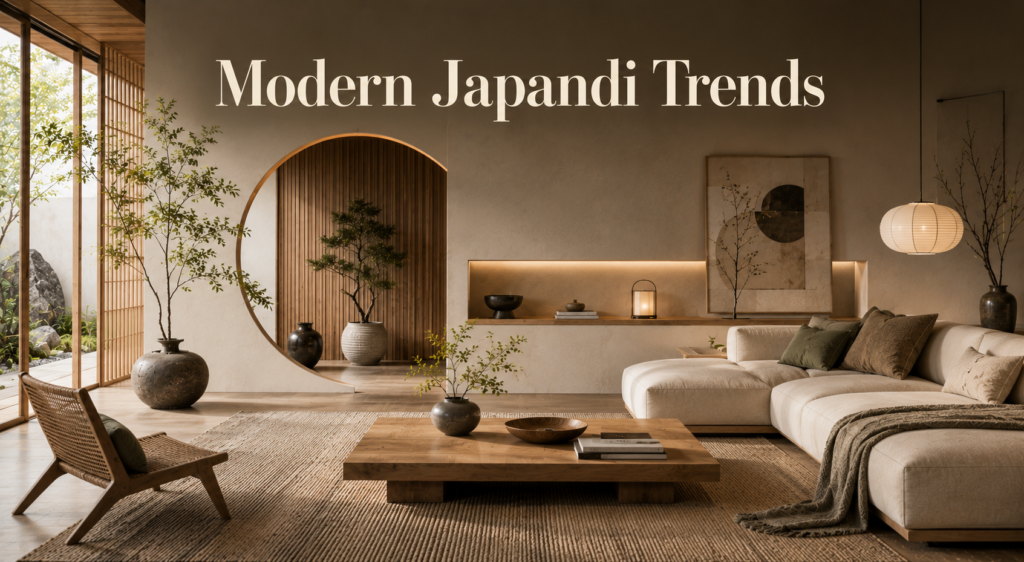
Japandi blends Japanese home decor with Scandinavian design, and it has become one of the most searched interior styles in recent years.
How the Two Styles Combine
Japandi keeps the natural materials and calm palette of Japanese design while adding the cozy textiles associated with Scandinavian homes. The result feels warm rather than stark. This makes it easier to adopt for people who want comfort alongside minimalism.
Popular Japandi Choices Today
Neutral linen textiles, matte black metal fixtures, and light wood tones are common in current Japandi interiors. Compared to purely traditional Japanese rooms, Japandi spaces often include slightly more furniture for everyday comfort. This makes it a practical entry point for beginners exploring the style.
Practical Tips to Start at Home

Adopting Japanese home decor does not require a full renovation; small, deliberate changes can shift the entire feel of a room.
Start With Decluttering
Removing unnecessary items is the first and most important step before adding any new decor. A clear surface immediately creates the calm associated with the style. This step costs nothing and delivers the biggest visual change.
Budget-Friendly Additions
Floor cushions, paper lanterns, and a single wooden tray can introduce the look without a large budget. Secondhand wooden furniture often works better than new pieces because of its natural wear. Small changes, made consistently, build the full effect over time.
Common Mistakes to Avoid
- Overdecorating a room instead of leaving intentional empty space
- Mixing too many unrelated styles, which breaks the calm visual flow
- Choosing furniture for looks alone while ignoring daily function
- Using bright, artificial colors that clash with the natural palette
A Quick Look at How Other Guides Cover This Topic
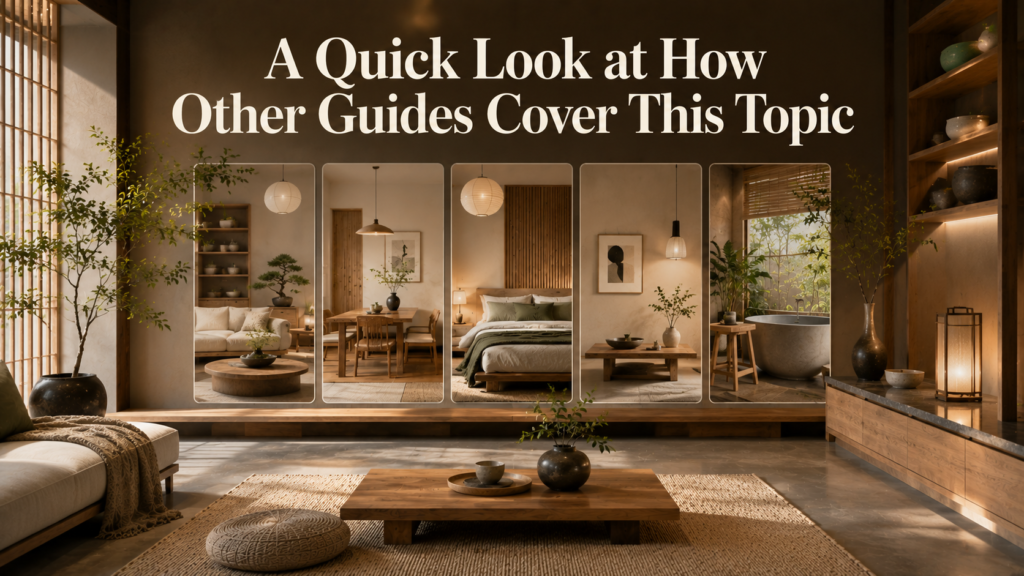
Most existing articles on Japanese home decor either focus only on furniture shopping lists or repeat generic minimalism advice without explaining the underlying philosophy. Few break down architectural elements like genkan or ma in practical detail. This guide aims to close that gap by connecting the reasoning behind the style to specific, room-by-room actions.
Frequently Asked Questions
Is Japanese home decor expensive to achieve?
No, many elements like decluttering, floor cushions, and simple lighting cost very little to introduce.
Can Japanese home decor work in a small apartment?
Yes, its focus on multi-functional furniture and open layouts makes it especially suited to small spaces.
What is the difference between Japanese decor and Japandi?
Japandi adds Scandinavian comfort and texture to the minimal, natural base of traditional Japanese design.
Conclusion
Japanese home decor offers a thoughtful alternative to cluttered, trend-driven interiors by focusing on natural materials, open space, and quiet function. From tatami flooring to a single ikebana arrangement, every element serves a clear purpose.
Anyone can begin adopting this style gradually, starting with decluttering and simple natural materials, to create a calmer and more mindful home.
Related Articles
Modern Classic Home Decor: A Complete Guide to Timeless Interior Design
Luxury Home Decor: The Complete Guide to Elevating Your Living Space
Linon Home Decor: Complete Guide to Styles, Quality & Buying Tips
Mens Home Decor: A Complete Guide to Masculine Interior Style
Home Decor China Import Products: A Complete Guide for Buyers and Retailers