Large Wall Art for Living Room: The Complete Buying and Styling Guide
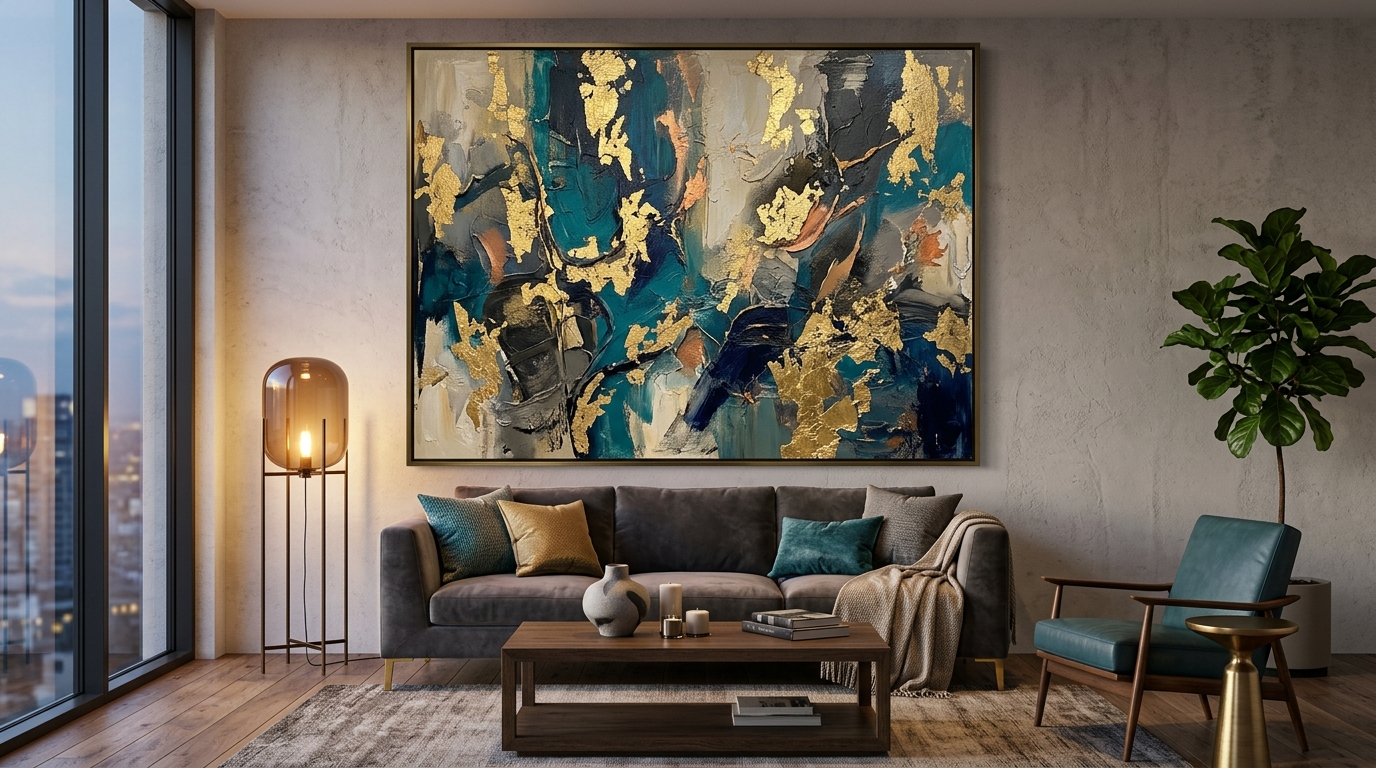
A blank living room wall can make an otherwise well-decorated home feel unfinished, and this is exactly where large wall art for living room spaces makes the biggest difference.
The right piece does more than fill empty space; it sets the tone of the entire room, draws the eye toward a single focal point, and ties together furniture, color, and lighting into one cohesive picture.
Choosing large-scale art, however, is not as simple as picking something that looks nice in a store or online listing. Size, placement, color, and material all need to work together, or the final result can feel mismatched instead of intentional.
This guide walks through every stage of that decision, from measuring your wall correctly to hanging the finished piece safely, so you can shop with confidence rather than guesswork.
Why Large Wall Art Matters for Your Living Room
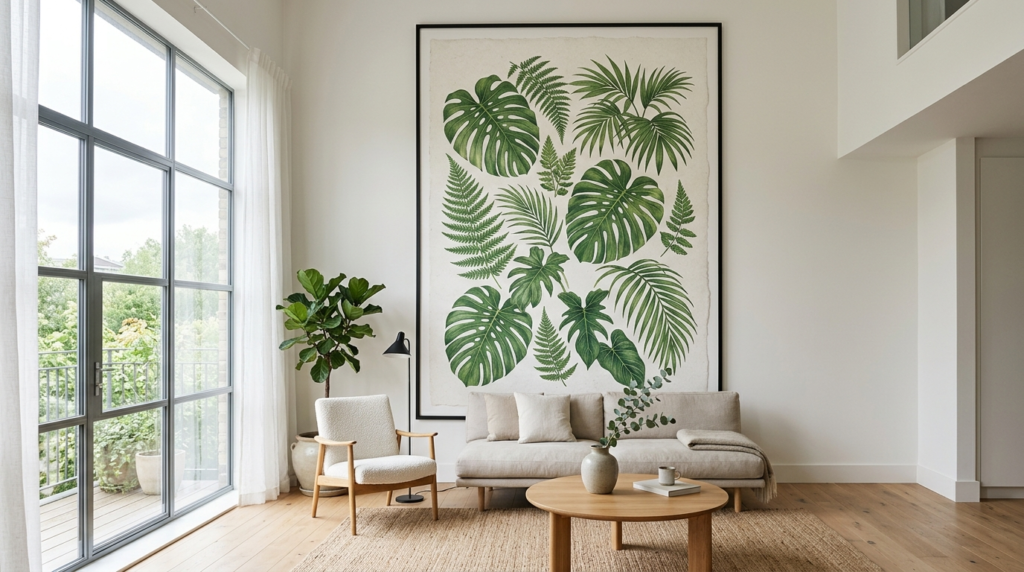
A living room is usually the first space guests see, and an oversized piece of art instantly signals personality and design intent. Without it, even expensive furniture can feel incomplete because the eye has nowhere specific to land.
The Psychological and Visual Impact
Large-scale artwork changes how a room feels emotionally, not just visually. A bold abstract piece can energize a seating area, while a soft landscape can make the same room feel calmer and more restful.
Because the piece is large, its color and mood influence the entire space rather than staying confined to one corner.
Common Mistake — Choosing Art Too Small
One of the most frequent decorating errors is hanging artwork that is too small for the wall or the furniture below it.
A small frame on a large, open wall tends to look accidental, almost like it was forgotten there rather than chosen deliberately.
This is precisely why shoppers searching for large wall art for living room walls tend to get better results than those settling for standard-sized prints.
How to Choose the Right Size
Sizing is the single most important decision when buying wall art, and getting it wrong is the easiest way to waste money. A simple ratio-based approach removes most of the guesswork.
The Two-Third Rule Explained
Interior designers commonly suggest that a piece of art should cover roughly two-thirds the width of the furniture beneath it, such as a sofa or console table.
This keeps the piece proportionate without overwhelming the space or looking too small against the furniture line. The same ratio can be applied to a standalone feature wall by measuring the open wall space instead of the furniture.
Standard Size Chart
The table below outlines common size ranges and where they typically work best in a living room setting.
| Wall Art Size (inches) | Best Used Above | Typical Room Size |
| 24 x 36 | Console table or small accent wall | Small living rooms |
| 36 x 48 | Standard three-seat sofa | Medium living rooms |
| 40 x 60 | Large sofa or sectional | Large or open-plan rooms |
| 48 x 72 and above | Feature wall, standalone statement | Rooms with high ceilings |
Once you know the approximate size range for your wall, choosing large wall art for living room spaces becomes far easier because it narrows the options immediately instead of scrolling through hundreds of unrelated sizes.
Types of Large Wall Art You Can Choose From
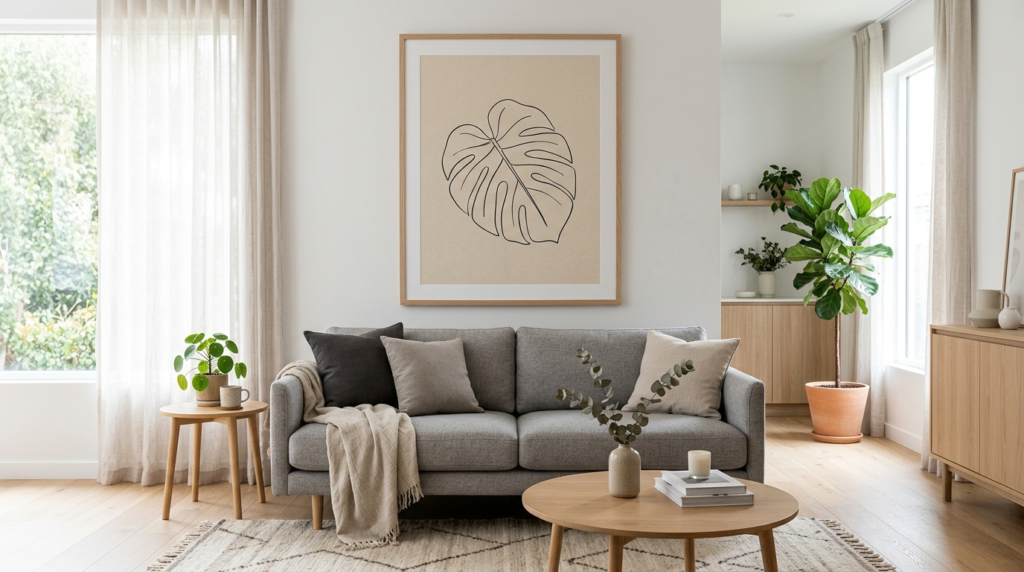
Wall art is not limited to framed paintings anymore, and the material you choose affects both the look and the durability of the piece. Understanding the main categories helps you match the right type to your room’s style.
Canvas Prints and Framed Art
Canvas prints remain the most popular choice because they are lightweight, affordable at large sizes, and available in almost any color palette or subject.
Framed art, on the other hand, adds a more formal, finished look and works especially well for classic or photography-based pieces. Both options are widely available and easy to hang without professional help.
Metal Sculptures, Tapestries and Mirrors
Metal wall sculptures bring texture and dimension that flat prints cannot offer, making them a strong choice for modern or industrial-style rooms.
Fabric tapestries add warmth and softness, which works particularly well in bohemian or eclectic interiors. Oversized mirrors double as wall art while also making a room feel larger and brighter.
Gallery Wall Arrangement
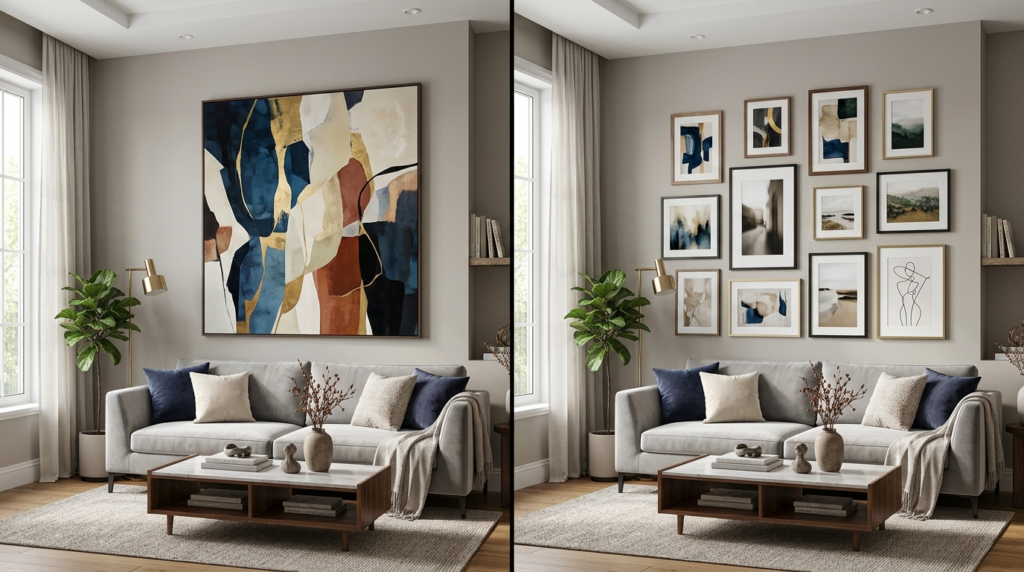
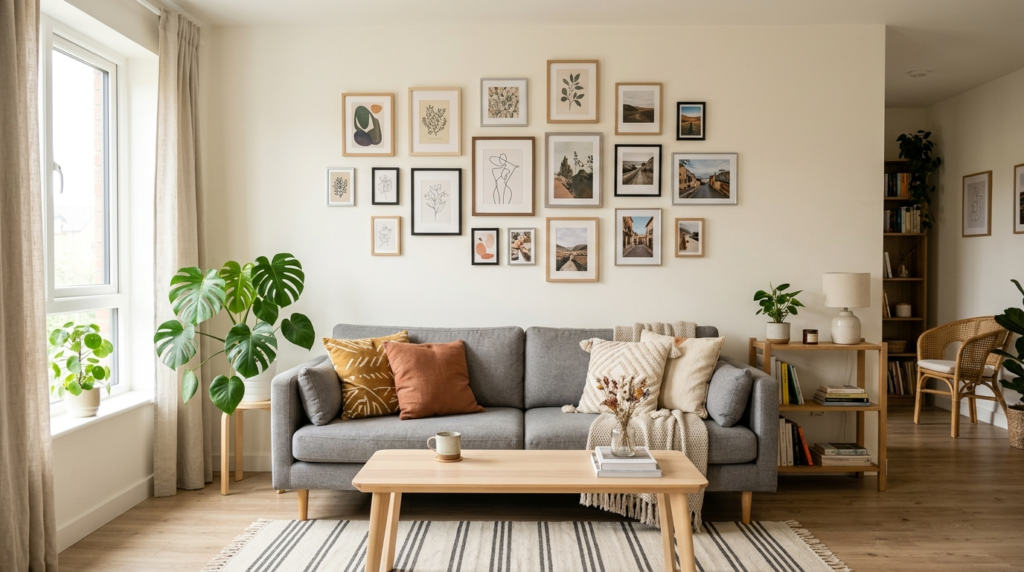
Instead of one large piece, some homeowners prefer grouping several medium-sized frames into a single gallery wall arrangement.
This approach still creates the visual impact of large wall art for living room walls while allowing more flexibility to mix photography, prints, and small objects together.
The key is maintaining consistent spacing so the grouping reads as one unified piece rather than scattered frames.
Style Guide — Matching Art to Your Living Room
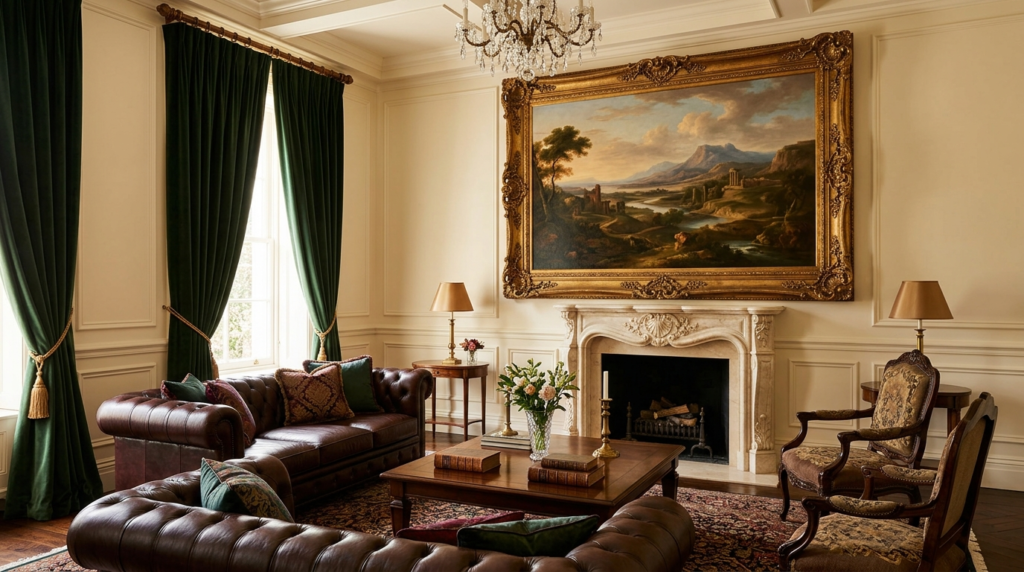
The style of the artwork should reflect the existing design language of the room rather than standing completely apart from it. Matching color tones and subject matter to your furniture and walls creates a far more polished result.
Minimalist, Modern and Abstract Styles
Minimalist rooms benefit from clean lines, muted color palettes, and simple geometric shapes that avoid visual clutter. Modern spaces often pair well with bold abstract pieces that use strong color blocks or dynamic brush strokes.
These styles work particularly well in open-plan living rooms where the art needs to hold its own against minimal furniture.
Nature, Classic and Maximalist Styles
Landscape and botanical prints suit rooms that lean toward a calm, natural aesthetic, especially when paired with neutral or earthy furniture tones.
Classic reproduction-style art brings a timeless, gallery-like feel that works in more traditional interiors. Maximalist rooms, by contrast, embrace bold patterns and saturated colors, making oversized statement pieces a natural fit.
Where to Place Large Wall Art
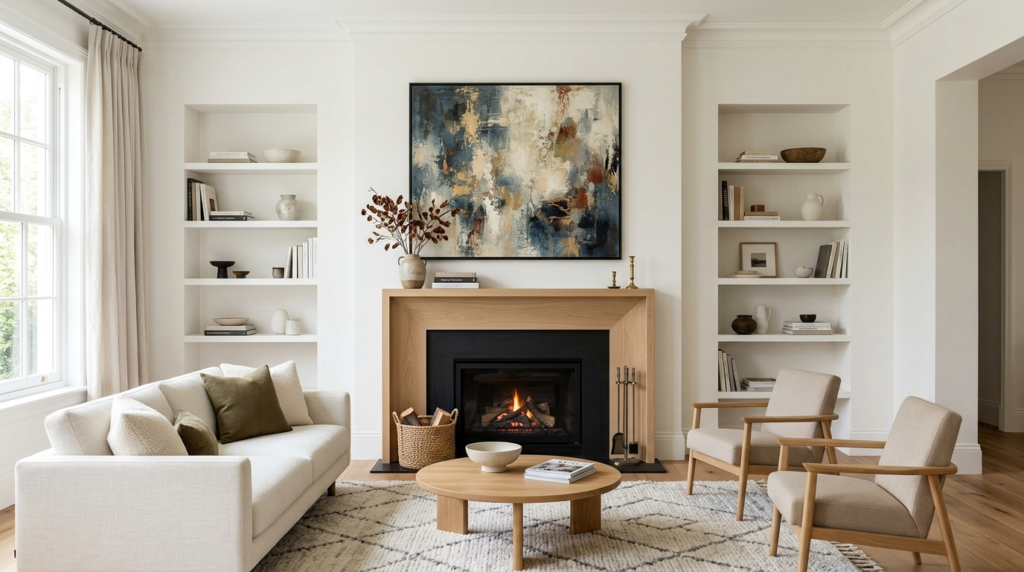
Placement matters just as much as the art itself, since even a beautiful piece can look out of balance if hung in the wrong spot or at the wrong height. A few key wall locations consistently work best in living rooms.
Above the Sofa
The wall above the sofa is the most common and most effective placement for large wall art for living room seating areas.
The bottom edge of the frame should sit roughly six to eight inches above the top of the sofa back, keeping enough breathing room without leaving a visible gap.
This placement naturally draws the eye toward the seating area as soon as someone enters the room.
Feature Wall and Entry-Facing Wall
A bare wall with no furniture in front of it makes an ideal standalone feature wall for an oversized statement piece. Alternatively, hanging art on the wall directly facing the entryway ensures it becomes the first thing guests notice when they walk in.
Both placements work best when the surrounding wall is kept relatively clear of other decor.
Color and Mood — Picking Art That Fits the Room
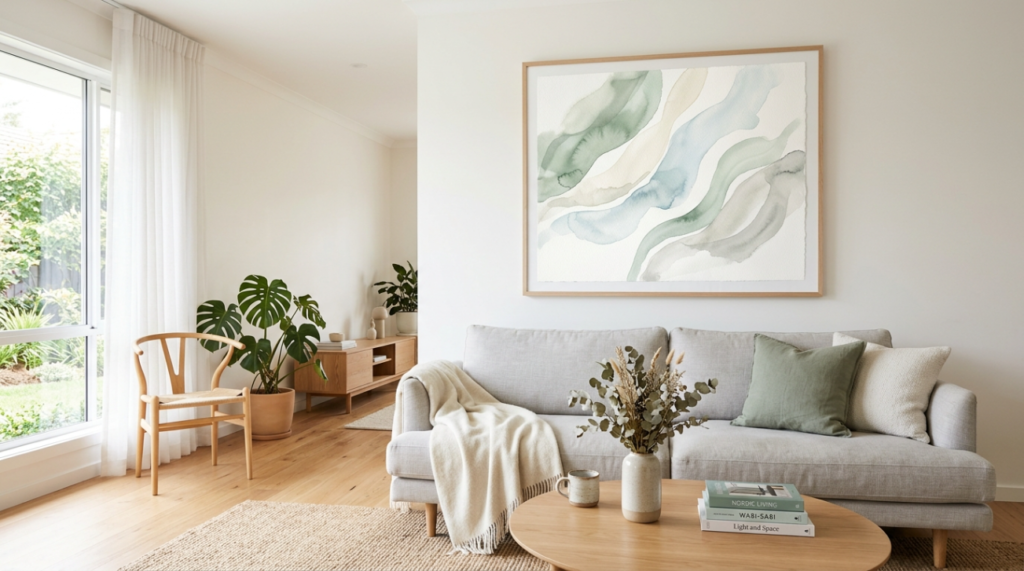
Color is not just a visual preference; it actively shapes how a room feels to spend time in. Choosing the right palette can either reinforce or clash with your existing decor.
Energetic vs Calming Palettes
Warm, saturated colors such as reds, oranges, and deep yellows tend to energize a space and work well in social areas meant for conversation and entertaining. Cooler, muted tones like soft blues, greens, and neutrals create a calmer atmosphere better suited for relaxation-focused living rooms. Matching the palette of your large wall art for living room walls to the room’s intended mood keeps the whole space feeling intentional rather than accidental.
Budget Guide — Price Ranges Explained
Large wall art is available at nearly every price point, so budget alone should not limit your options. Understanding what each price range typically includes helps set realistic expectations before shopping.
Budget, Mid-Range and Premium Options
| Price Range | What You Typically Get |
| Under 50 dollars | Mass-produced canvas or poster prints, basic framing |
| 100 to 200 dollars | Higher-quality canvas, better color accuracy, sturdier frames |
| 200 dollars and above | Artist-signed or limited-edition pieces, premium materials |
Shoppers on a tighter budget can still achieve a high-impact look by choosing a single well-placed piece rather than several smaller, cheaper ones, since one large statement piece often reads as more expensive than a cluttered wall.
Best Places to Buy Large Wall Art
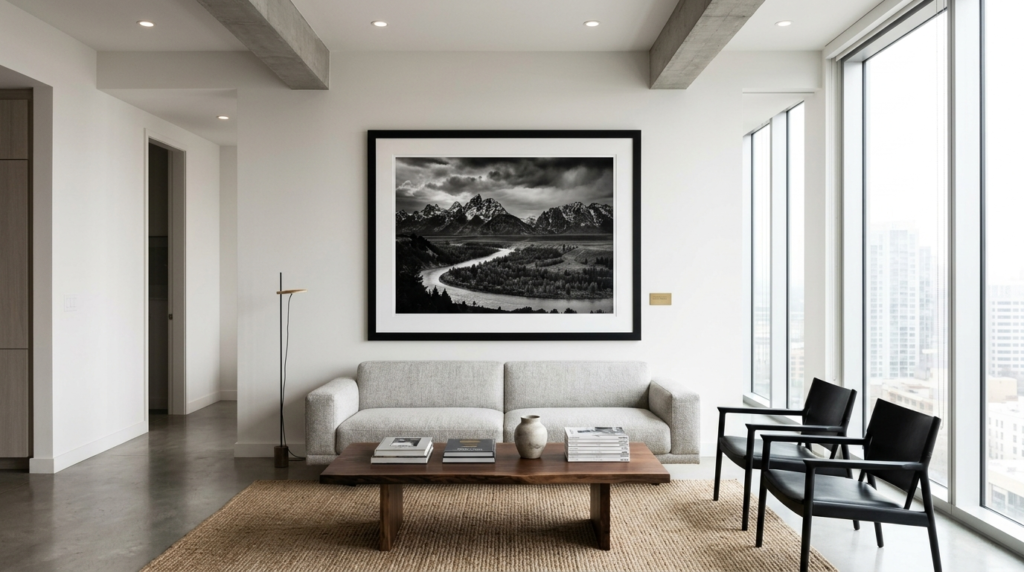
Where you buy from affects not just price, but also quality, return policy, and how accurately the colors match what you see online.
Marketplaces vs Specialty Stores
| Platform Type | Strength | Consideration |
| General marketplaces | Wide selection, fast shipping | Quality varies by seller |
| Specialty art retailers | Curated collections, styling guidance | Typically higher price point |
| Furniture retailers | Easy to match existing decor | Smaller art selection overall |
What to Check Before Buying
Before purchasing, always confirm the exact dimensions, since listing photos can make pieces appear larger or smaller than they actually are.
Check the material used, as canvas, framed print, and metal each require different hanging hardware and care. Finally, review the return policy carefully, since oversized items are often more expensive to ship back if the color or size does not match expectations.
Installation and Hanging Guide
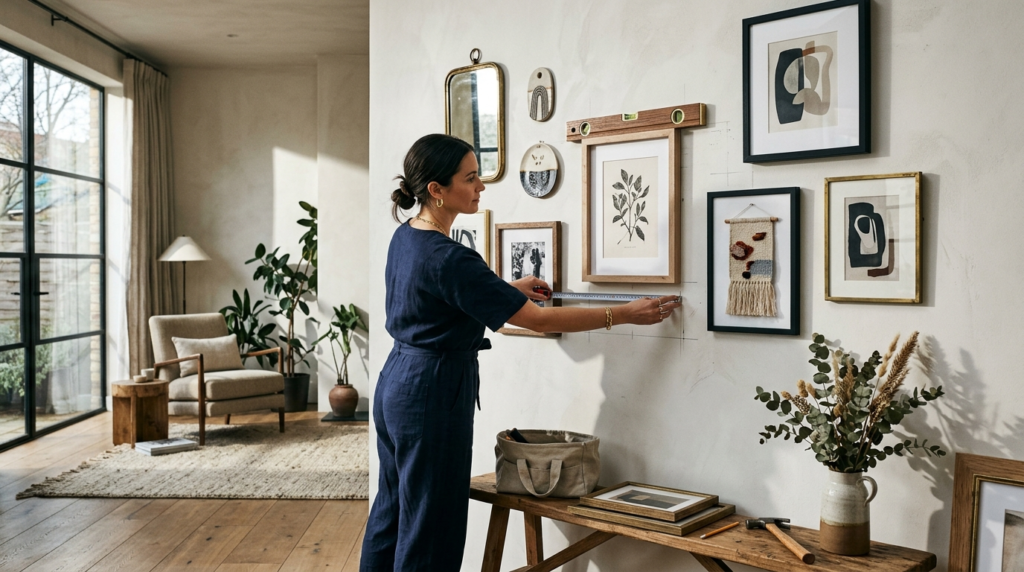
Even the best piece of large wall art for living room decor will look off if it is hung incorrectly or at the wrong height. A few basic principles make the process straightforward.
Tools and Standard Height
Most large pieces require a stud finder, a level, and appropriate wall anchors rated for the artwork’s weight.
The generally accepted standard is to center the artwork at around fifty-seven inches from the floor to its middle point, which matches average eye level. This standard applies whether the piece is hung alone or above a piece of furniture.
Hanging Heavy Pieces Safely
Oversized canvas or framed pieces are often heavier than they appear, so locating a wall stud provides far more support than a standard drywall anchor alone. For extremely heavy items like metal sculptures,
using two anchor points instead of one prevents the piece from tilting over time. Taking a few extra minutes during installation avoids the risk of damage to both the artwork and the wall.
Trending Styles in 2026
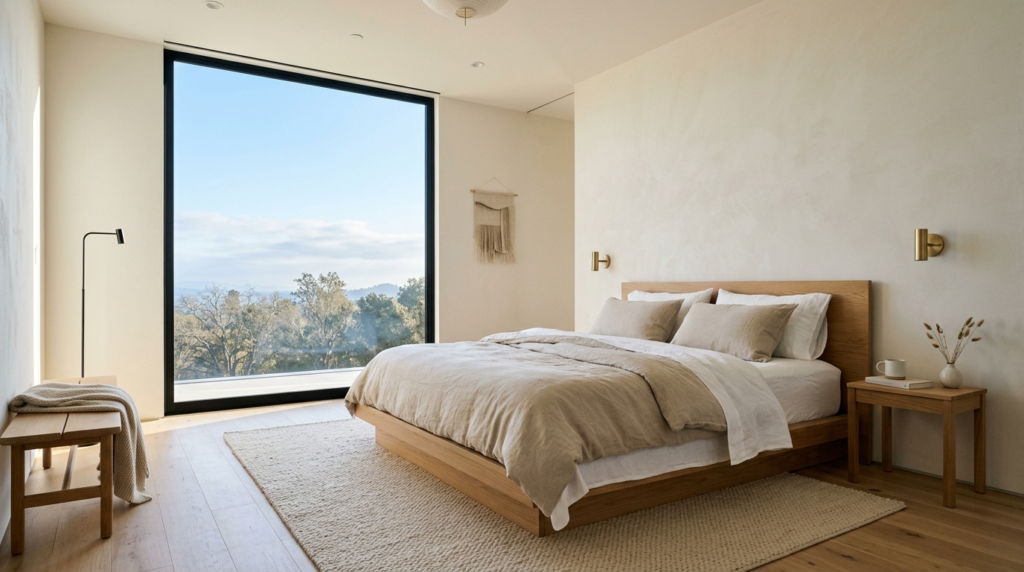
Design trends shift gradually, but a few directions are clearly shaping how homeowners are choosing large wall art for living room spaces this year.
What’s Popular Right Now
Warm, earthy tones combined with organic, nature-inspired shapes continue to dominate living room design choices. Oversized single-statement pieces are increasingly favored over multiple smaller frames, reflecting a broader shift toward simplicity.
Textured and mixed-material art, such as pieces combining canvas with metallic accents, is also gaining popularity for adding depth without extra clutter.
Common Mistakes to Avoid
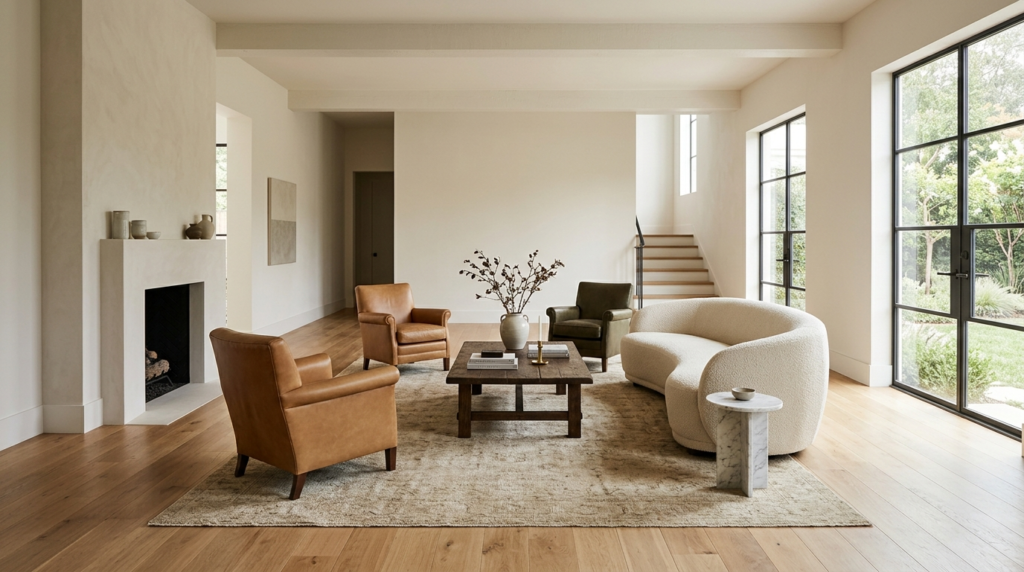
Even with the right piece in hand, a few small errors can undermine the final result.
Size, Height and Lighting Errors
Hanging art too high is one of the most common mistakes, often done out of habit rather than measurement, which disconnects the piece from the furniture below it.
Choosing a piece that is too small for the wall creates an unbalanced look no matter how well it matches the room’s color scheme.
Poor lighting can also mute even the best artwork, so positioning the piece where natural or accent lighting reaches it makes a noticeable difference.
Frequently Asked Questions
How big should wall art be for a living room?
As a general guideline, the piece should cover about two-thirds the width of the furniture or wall space beneath it.
What height should art be hung above a sofa?
Leave roughly six to eight inches between the top of the sofa and the bottom edge of the artwork.
Is one large piece better than a gallery wall?
Both work well; a single large piece feels more minimal, while a gallery wall offers more flexibility and personality.
Does canvas or framed art last longer?
Framed art generally holds up better over time since the glass or acrylic cover protects the print from dust and fading.
How can I find good large wall art on a budget?
Focus on one well-sized statement piece rather than multiple smaller prints, since scale often matters more than price.
Conclusion
Choosing the right large wall art for living room spaces comes down to matching size, style, and placement to the room you already have, rather than picking a piece in isolation.
Most online retailers, including major marketplaces and specialty art sites, focus heavily on product variety but offer limited guidance on sizing, placement, or styling decisions.
This guide fills that gap by combining practical measurements, budget clarity, and placement rules in one place, giving shoppers the confidence to choose a piece that genuinely fits their space rather than guessing and hoping it works.
Related Articles
Rustic Wall Art Decor: A Complete Guide to Styles, Materials & Ideas
Economy Home Decor: Simple Budget Ideas to Style Your Home
Western Home Decor: The Complete Guide to Rustic Ranch Style
Mens Home Decor: A Complete Guide to Masculine Interior Style