 homeofdecor.online
Vintage home decor is the art of bringing character, warmth, and history into a living space through furniture, colors, and accessories inspired by earlier decades. Instead of chasing fleeting trends, this style celebrates pieces that have already stood the test of time, giving a home personality that mass-produced items simply cannot offer.
Homeowners are increasingly drawn to vintage home decor because it feels personal, sustainable, and full of story. Whether it is a single antique lamp or an entire room styled around a past era, vintage home decor allows people to express individuality while keeping a sense of comfort and familiarity.
This guide walks through everything needed to understand, source, and style vintage home decor confidently in any part of the house.
Introduction to Vintage Home Decor
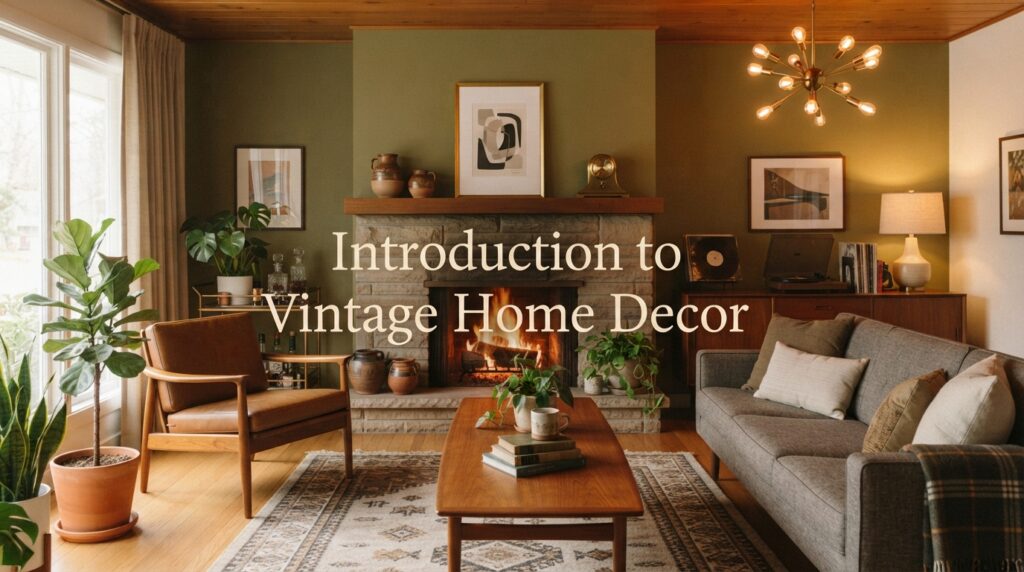
Before diving into design details, it helps to understand what actually makes decor “vintage” and why so many homeowners are shifting toward this warm, nostalgic aesthetic. The sections below clarify the basics and explain the growing appeal of this style.
What is Vintage Decor?
Vintage decor generally refers to furniture, accessories, or design elements that are at least twenty to thirty years old, though not necessarily rare or valuable like true antiques.
It reflects the design language of a specific past period, such as floral wallpaper from the 1970s or wooden furniture from the 1950s. The charm lies in its imperfect, lived-in quality rather than flawless modern finishes.
Vintage vs. Antique vs. Retro vs. Shabby Chic
These four terms are often confused, yet each has a distinct meaning. Antique items are usually over a hundred years old and hold historical or monetary value, while vintage pieces are simply old but not necessarily rare.
Retro decor intentionally mimics the look of a past era using new items, and shabby chic focuses on distressed, softly worn furniture with a romantic feel. Understanding these differences helps homeowners choose the right approach for their space.
Why Vintage Decor is Trending
People are moving away from disposable, factory-made furniture toward pieces with real craftsmanship and history behind them.
Vintage home decor also supports sustainable living by reusing existing items instead of buying new ones. Social media has additionally fueled this trend, as curated vintage interiors photograph beautifully and feel more authentic than generic modern setups.
History and Evolution of Vintage Styles
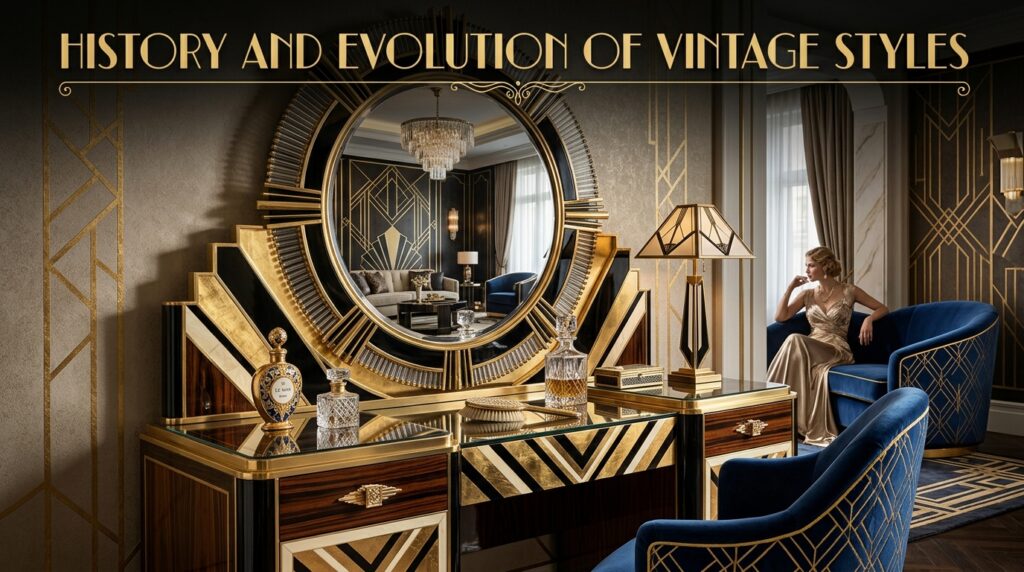
Vintage home decor did not appear overnight; it evolved through several distinct design movements across the twentieth century. Knowing these eras helps homeowners pick a direction that matches their personal taste.
Victorian Era Influence
The Victorian period introduced ornate furniture, rich fabrics, and dark wood tones that still influence traditional vintage interiors today. Heavy drapery, carved details, and patterned upholstery are hallmarks of this style.
Many modern vintage home decor lovers borrow small Victorian touches, such as tufted chairs or gilded mirrors, without recreating the entire period.
Art Deco (1920s–1930s)
Art Deco brought bold geometric shapes, metallic accents, and glamorous materials like brass and glass into homes.
This era favored symmetry and luxury, often paired with rich jewel-toned colors. It remains popular for statement lighting fixtures and mirrored furniture in vintage-inspired spaces.
Mid-Century Modern (1940s–1960s)
Mid-century modern is one of the most sought-after vintage styles today, known for clean lines, tapered wooden legs, and functional simplicity.
Furniture from this era blends form and function, making it practical for modern homes while still feeling nostalgic. Iconic pieces like sleek sideboards and simple armchairs define this look.
Retro 70s and 80s Styles
The 1970s and 1980s introduced bold colors, funky patterns, and playful textures such as shag rugs and rattan furniture. This era feels more casual and expressive compared to earlier decades. Many homeowners mix retro pieces with modern furniture to add a fun, lively contrast.
Key Elements of Vintage Home Decor
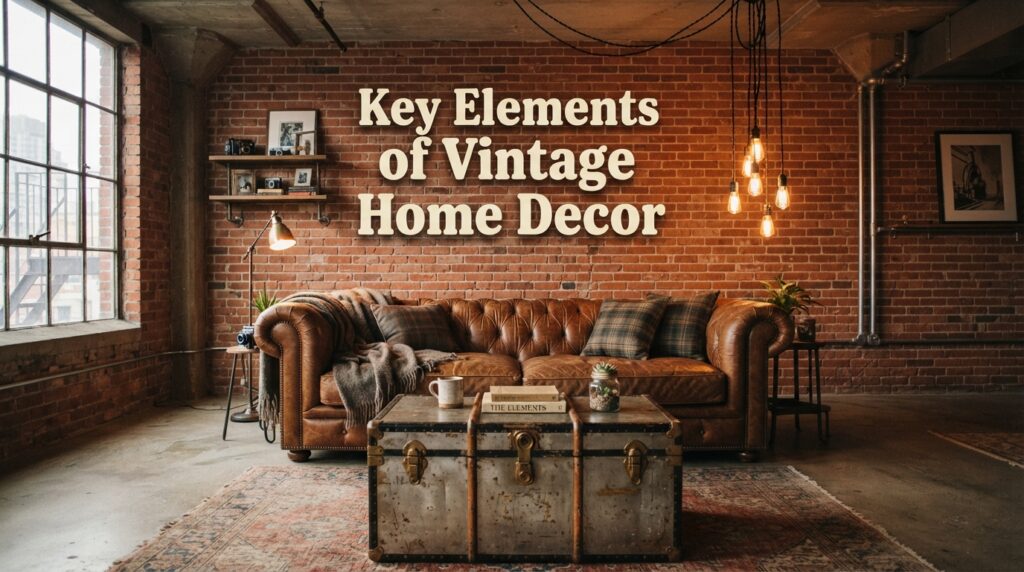
Every successful vintage home decor project relies on a consistent combination of color, furniture, texture, and lighting. These core elements work together to create an authentic, cohesive atmosphere.
Color Palettes
Vintage color schemes often include muted earth tones, warm mustards, deep greens, and soft pastels depending on the chosen era. These colors feel calm and grounded compared to bright modern palettes. Choosing one dominant vintage-era palette helps avoid a mismatched or chaotic appearance.
Furniture Styles
Furniture is the backbone of vintage home decor, often featuring solid wood construction, curved silhouettes, or tapered legs depending on the period. Pieces are typically heavier and more durable than modern flat-pack furniture. Mixing a few statement vintage pieces with simpler modern items keeps the room balanced.
Fabrics and Textures
Textiles such as velvet, linen, and wool add richness and depth to vintage-inspired rooms. Textures like macramé, crochet, or knitted throws bring warmth and tactile interest. Layering different fabrics helps recreate the cozy, lived-in feeling associated with vintage interiors.
Wallpaper and Prints
Patterned wallpaper, especially florals, damask, or geometric prints, instantly signals a vintage aesthetic. These prints work well as an accent wall rather than covering an entire room, keeping the look tasteful. Vintage-inspired prints are also widely available in modern reproductions for easier sourcing.
Lighting Fixtures
Lighting plays a major role in setting the mood of vintage home decor, with options ranging from ornate chandeliers to simple brass sconces. Warm, soft lighting suits this style far better than harsh white light. Vintage or vintage-style lamps often become focal points in a room.
Room-by-Room Vintage Decor Ideas
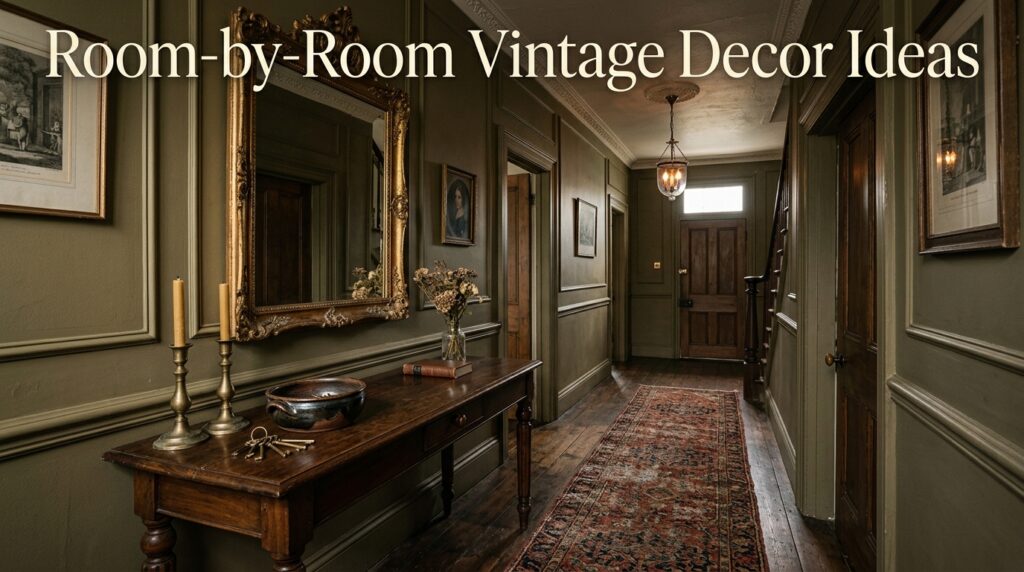
Applying vintage home decor works differently depending on the room, since each space has its own functional needs. The following breakdown offers practical direction for major areas of the home.
Living Room
The living room is often the centerpiece for vintage home decor, featuring a statement sofa, wooden coffee table, and layered textiles. A gallery wall of framed vintage art or family photographs adds personality. Soft lighting and patterned rugs complete the cozy, welcoming atmosphere.
Bedroom
A vintage bedroom often includes a wooden bed frame, floral or textured bedding, and a small vanity with an old-style mirror. Soft lamp lighting instead of overhead lights keeps the space calm and restful. Adding vintage-style curtains enhances the nostalgic feel without overwhelming the room.
Kitchen
Vintage kitchens often feature open wooden shelving, retro-colored appliances, and patterned tiles or linoleum-inspired flooring. Glass jars, enamel cookware, and vintage signage add character without sacrificing usability. Balancing old-style details with modern appliances keeps the kitchen functional.
Bathroom
A vintage bathroom can include clawfoot tubs, patterned tiles, and brass fixtures for an old-world charm. Simple additions like woven baskets or antique mirrors instantly elevate a plain bathroom. Soft, warm lighting again plays an important role in achieving the right mood.
Home Office
A vintage-inspired home office often centers around a solid wooden desk, a leather or upholstered chair, and warm task lighting. Bookshelves filled with old books and small decorative objects add depth and character. This setup creates a focused yet inviting workspace.
Where to Find Vintage Decor Items
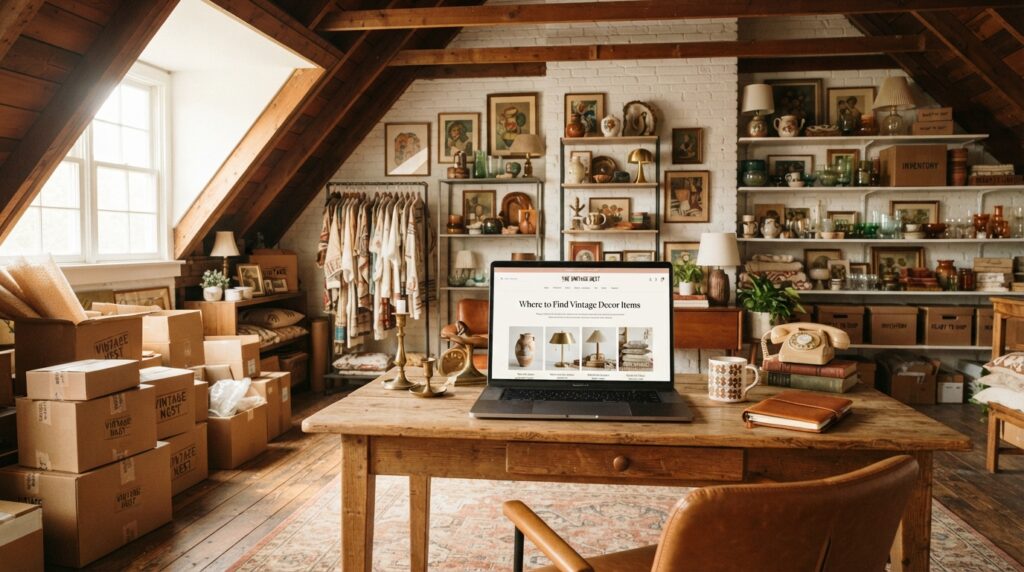
Sourcing authentic pieces is one of the most enjoyable parts of building a vintage home decor collection. Several reliable options exist depending on budget and effort level.
Thrift Stores and Flea Markets
Thrift stores and flea markets are among the most affordable places to find genuine vintage items. Patience is key, as inventory changes constantly and great finds require regular visits. Bargaining is often acceptable, especially at flea markets.
Estate Sales and Auctions
Estate sales often offer higher-quality vintage furniture, sometimes at lower prices than specialty stores. Auctions can provide access to rarer pieces, though prices may rise quickly with competitive bidding. Both options require some research to avoid overpaying.
Online Marketplaces
Platforms like Etsy, eBay, and Chairish make vintage home decor accessible to anyone, regardless of location. These sites allow buyers to filter by era, style, or price range for convenience. Checking seller reviews and asking for detailed photos helps avoid disappointment.
Family Heirlooms and Hand-me-downs
Family members often have unused vintage furniture or decor stored away that can be repurposed. These pieces carry sentimental value that store-bought items cannot replicate. Asking relatives before buying new items can also save money.
Mixing Vintage with Modern Decor
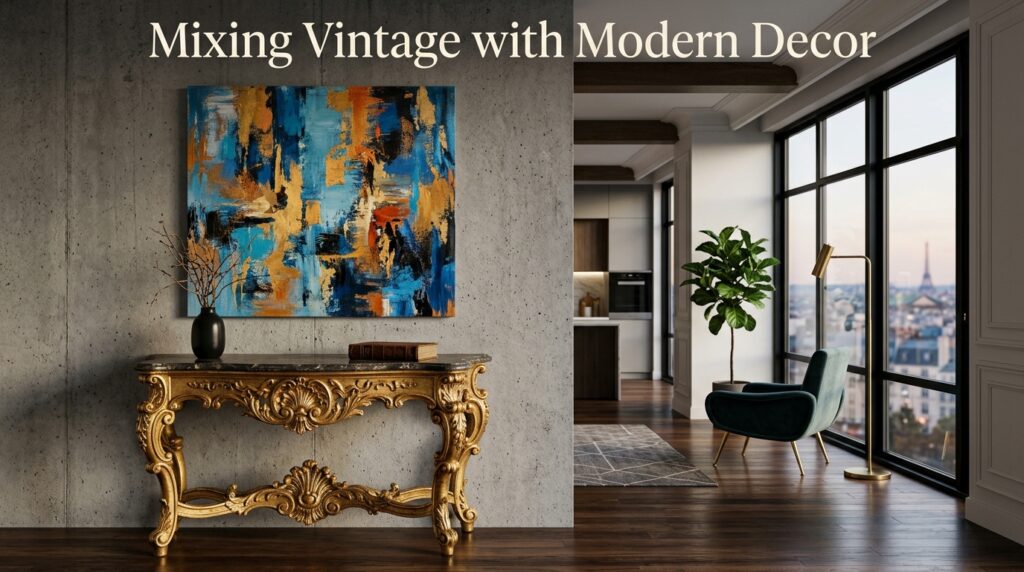
Combining vintage home decor with contemporary design keeps a space feeling fresh rather than outdated. This balance is often what separates a stylish home from one that feels stuck in the past.
Balancing Old and New
A good rule is to keep roughly seventy percent modern elements and thirty percent vintage accents, or vice versa depending on preference. This prevents the room from feeling like a themed set rather than a livable home. Consistency in color palette helps unify both styles.
Focal Point Techniques
Choosing one standout vintage piece, such as a statement armchair or an antique mirror, creates a natural focal point. Surrounding it with simpler modern furniture allows the vintage item to shine. This technique avoids visual competition between multiple bold pieces.
Avoiding a Museum Look
Overloading a room with vintage items from multiple unrelated eras can make it feel like a cluttered museum rather than a home. Sticking to one or two eras and leaving breathing room between pieces keeps the space livable. Functionality should always be prioritized over pure decoration.
DIY Vintage Decor Projects
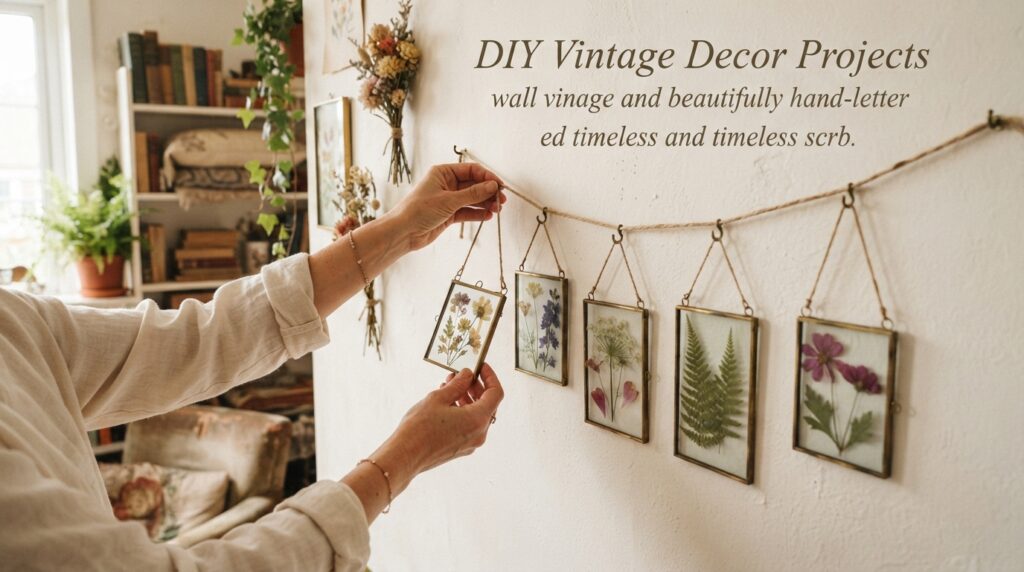
Many vintage home decor enthusiasts enjoy restoring or creating pieces themselves rather than buying everything ready-made. These projects add a personal touch and often save money.
Furniture Restoration Tips
Sanding, repainting, or refinishing old wooden furniture can dramatically improve its appearance while preserving its original charm. Using appropriate wood stains or vintage-style paints helps maintain authenticity. Simple hardware replacements, like drawer knobs, can also refresh a tired piece.
Upcycling Old Items
Old crates, ladders, or suitcases can be transformed into shelves, tables, or storage units with minimal effort. Upcycling reduces waste while adding unique, one-of-a-kind character to a room. This approach fits well within a sustainable vintage home decor philosophy.
Creating Vintage-Inspired Wall Art
Framing old postcards, maps, or fabric scraps creates budget-friendly wall art with a nostalgic feel. Thrifted frames with ornate detailing add authenticity even to newer prints. This is an easy entry point for beginners exploring vintage home decor.
Budget-Friendly Vintage Decorating Tips
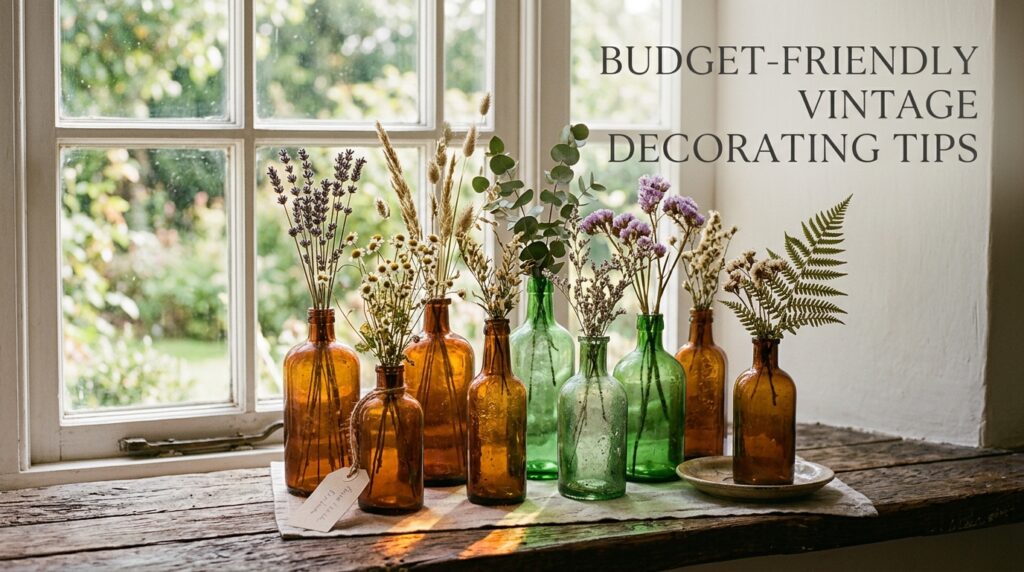
Vintage home decor does not have to be expensive, and several strategies help achieve the look without overspending. Small, thoughtful choices often make the biggest difference.
Affordable Sourcing Strategies
Visiting thrift stores during restocking days or attending end-of-season estate sales often yields better prices. Buying slightly damaged furniture for restoration is usually cheaper than purchasing items in perfect condition. Patience and timing play a major role in staying within budget.
Repurposing Everyday Items
Everyday objects like mason jars, old tins, or vintage suitcases can double as decor without any purchase at all. Repurposing reduces costs while adding authentic charm to a space. This approach also supports a more sustainable lifestyle.
Small Changes, Big Impact
Simple updates like swapping cabinet hardware, adding a patterned throw pillow, or hanging an old mirror can transform a room instantly. These small changes require minimal investment but noticeably enhance the vintage home decor feel. Consistency across small details matters more than a few expensive statement pieces.
Maintenance and Care of Vintage Pieces
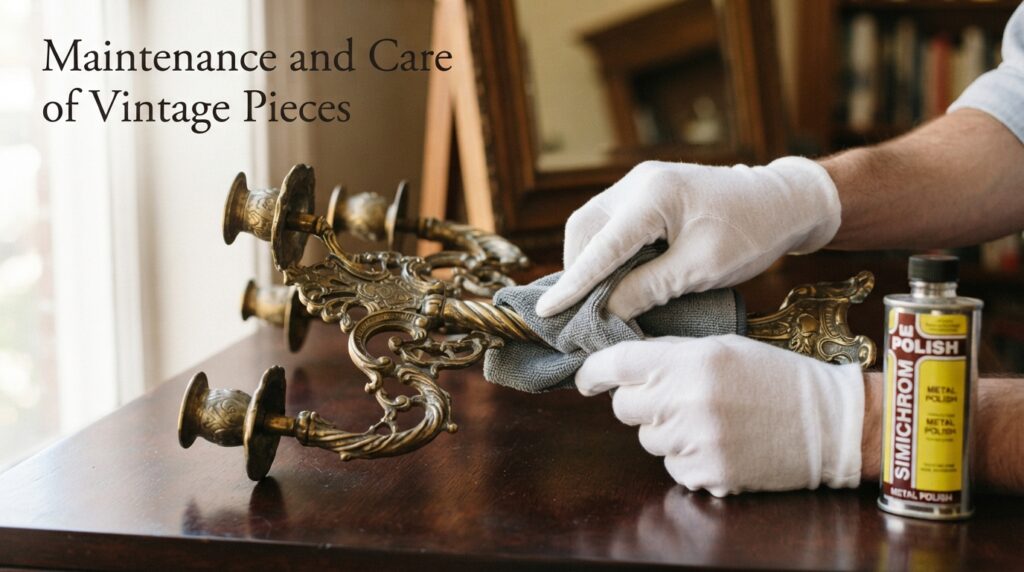
Vintage furniture and accessories require slightly different care than modern items due to their age and materials. Proper maintenance ensures these pieces last for many more years.
Cleaning Antique Furniture
Using gentle, non-abrasive cleaners prevents damage to delicate wood finishes or aged upholstery. Harsh chemicals can strip original patina, reducing both beauty and value. Regular dusting and occasional polishing keep furniture looking its best.
Preserving Fabrics and Textiles
Vintage fabrics are often more fragile and may require hand washing or professional cleaning instead of machine washing. Keeping textiles away from direct sunlight helps prevent fading and fabric breakdown. Gentle handling extends the lifespan of delicate materials significantly.
Storage Tips
Storing unused vintage items in cool, dry places prevents mold, warping, or fabric damage over time. Wrapping fragile pieces in breathable fabric rather than plastic helps avoid moisture buildup. Proper storage protects both sentimental and monetary value.
Common Mistakes to Avoid
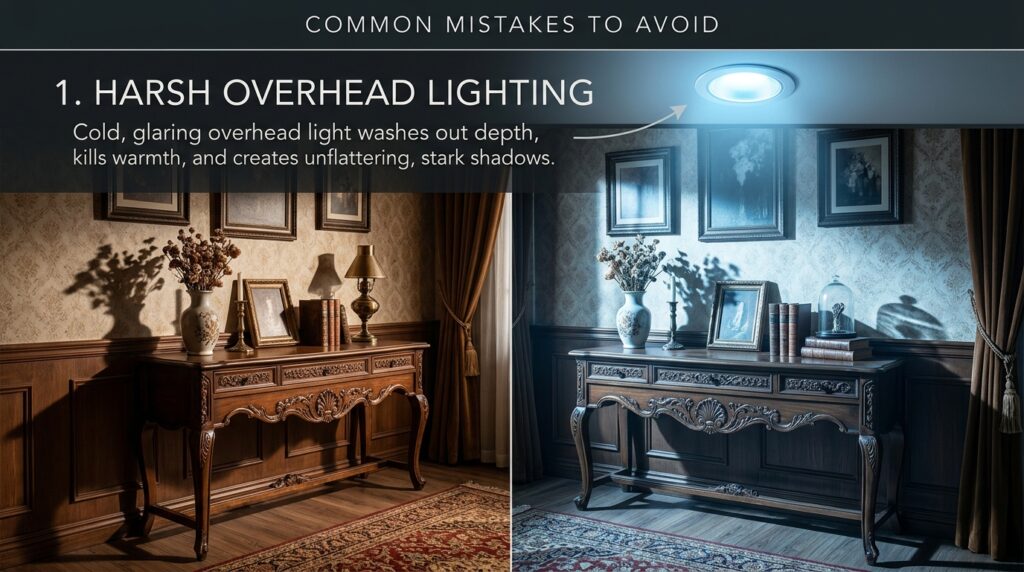
Even enthusiastic decorators can make errors that weaken the overall vintage home decor effect. Recognizing these common pitfalls helps create a more polished result.
Overcrowding a Space
Filling a room with too many vintage items at once can overwhelm the space and reduce visual balance. Leaving open areas allows each piece to stand out individually. Less is often more effective in vintage-inspired interiors.
Ignoring Functionality
Choosing decor purely for aesthetic appeal while ignoring practicality can make a home uncomfortable to live in. Vintage pieces should still serve their intended purpose effectively. Balancing style with usability is essential for long-term satisfaction.
Mismatched Eras
Combining too many unrelated design periods without a unifying color or theme can create visual confusion. Sticking to complementary eras, such as mid-century and Art Deco, tends to work better together. A consistent theme keeps the overall look intentional rather than accidental.
A Quick Comparison of Vintage Style Eras
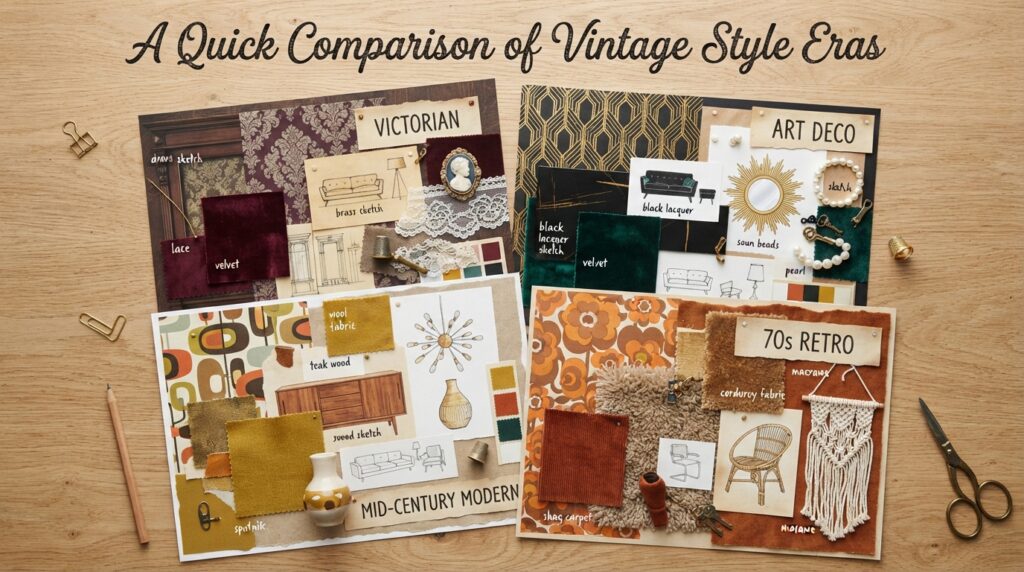
| Era | Key Colors | Common Materials | Best Suited For |
| Victorian | Deep reds, browns | Carved wood, velvet | Living rooms, formal spaces |
| Art Deco | Gold, black, jewel tones | Brass, glass, mirror | Lighting, statement furniture |
| Mid-Century Modern | Mustard, olive, walnut brown | Teak, walnut wood | Living rooms, offices |
| Retro 70s-80s | Orange, brown, avocado green | Rattan, shag fabric | Casual spaces, accents |
Frequently Asked Questions
Is vintage home decor expensive?
Not necessarily, since thrift stores, estate sales, and DIY restoration often make this style more affordable than buying new designer furniture.
Can vintage decor work in a small apartment?
Yes, choosing a few key vintage pieces rather than overcrowding the space works well even in compact apartments.
How do I avoid an outdated look with vintage decor?
Mixing vintage pieces with modern furniture and keeping a consistent color palette prevents the space from feeling dated.
What is the easiest room to start vintage decorating in?
The living room is usually the easiest starting point since a single statement piece, like a chair or coffee table, can set the tone.
Conclusion
Vintage home decor offers a meaningful way to build a home filled with character, history, and personal style rather than generic, mass-produced items.
From understanding different eras to sourcing pieces affordably and maintaining them properly, this guide covers the essential steps needed to get started confidently. With thoughtful balance between old and new, anyone can create a warm, timeless space using vintage home decor as the foundation.