 homeofdecor.online
Home decoration is the process of making a living space look attractive, comfortable, and functional through color, furniture, lighting, and personal touches. It is not just about following trends but about creating a space that reflects who you are.
A well-planned home decoration approach can turn even a small or ordinary house into a warm and inviting place. Whether you are moving into a new home or refreshing an old one, understanding the basics of home decoration helps you make smarter choices.
This guide walks you through everything from design fundamentals to room-by-room ideas in a simple and practical way.
Understanding the Basics of Home Decoration
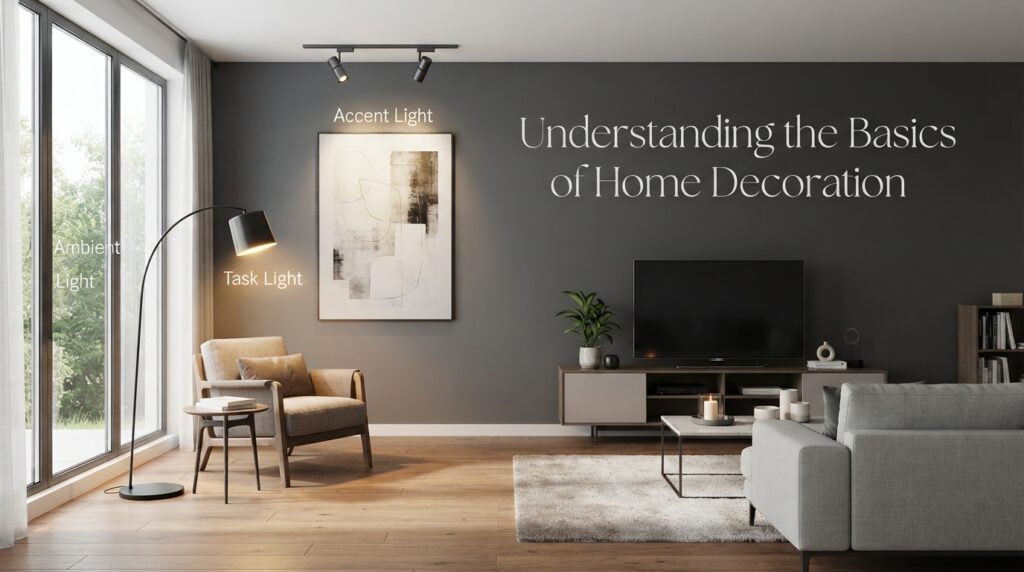
Before choosing colors or furniture, it is important to understand what home decoration actually means and why it matters. Good decoration is built on a few core design ideas that guide every decision you make.
What Home Decoration Really Means
Home decoration refers to the visual styling of a space using items like furniture, wall art, textiles, and accessories. It focuses on appearance and comfort rather than structural changes. Unlike renovation, it does not involve altering walls or layouts, only enhancing what already exists.
Why Home Decoration Matters
A thoughtfully decorated home creates a calming environment that can improve daily mood and reduce stress. It also makes a space more welcoming for guests and family members. Beyond looks, good home decoration improves how efficiently a room is used.
Decoration vs Interior Design
Interior design usually involves professional planning, layout changes, and structural decisions, while home decoration focuses purely on styling existing spaces. Many homeowners handle decoration themselves without hiring an expert. Understanding this difference helps you set realistic expectations for your project.
Core Elements and Principles of Design
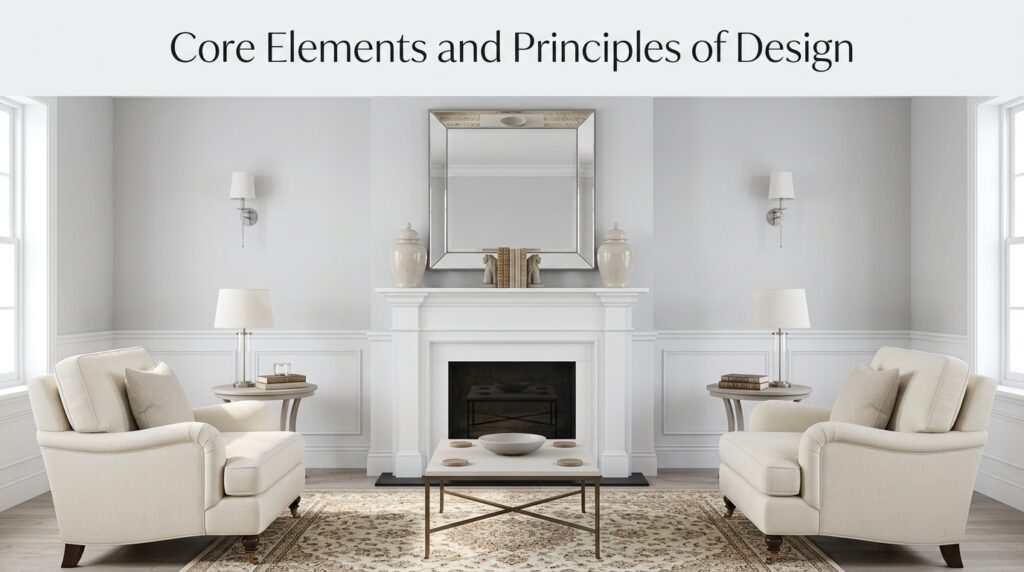
Every successful home decoration project relies on a set of visual elements and principles. Learning these basics gives you the confidence to make decisions that actually work together.
Key Design Elements
Design elements include color, texture, shape, pattern, light, and space, all of which combine to create the overall feel of a room. Texture adds depth through materials like wood, fabric, or stone. Light determines how colors and textures appear throughout the day.
Core Design Principles
Principles such as balance, proportion, harmony, and contrast help arrange elements in a pleasing way. Balance ensures no single area feels overcrowded while others feel empty. Proportion keeps furniture size appropriate for the room it occupies.
Finding Your Personal Style
Your personal style should guide every decoration choice rather than following trends blindly. Look at colors, textures, and layouts you naturally gravitate toward in daily life. This personal direction keeps your home decoration consistent and meaningful over time.
Popular Home Decoration Styles
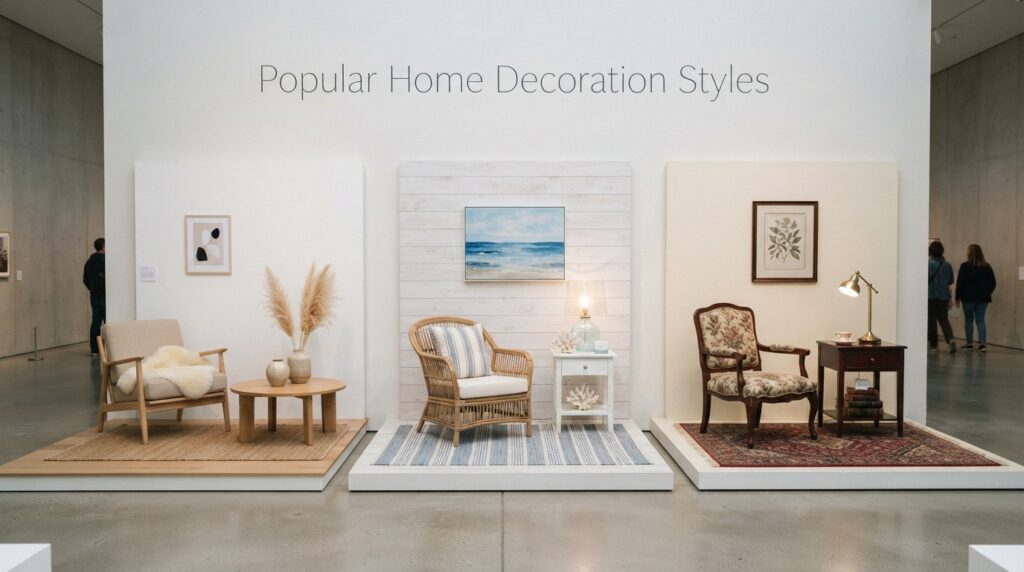
Choosing a style gives direction to your entire home decoration plan and prevents mismatched choices. Each style has its own character, materials, and color preferences.
Modern and Minimalist Styles
Modern decoration favors clean lines, neutral tones, and functional furniture with little ornamentation. Minimalist style takes this further by keeping only essential items in a space. Both styles work well for people who prefer clutter-free, calm environments.
Bohemian, Rustic, and Industrial Styles
Bohemian decor mixes patterns, colors, and global influences for a relaxed, artistic look. Rustic style uses natural wood, warm tones, and farmhouse-inspired accessories. Industrial style borrows from factories and warehouses, using exposed brick, metal, and raw finishes.
Scandinavian, Coastal, and Eclectic Styles
Scandinavian decoration combines simplicity with cozy textures and light wood tones. Coastal style uses soft blues, whites, and natural materials to evoke a beach-like calm. Eclectic style blends multiple influences confidently, guided mainly by personal taste rather than rules.
The table below compares these styles at a glance.
| Style | Main Colors | Key Materials | Best For |
| Modern | Neutrals, black, white | Glass, metal | Clean, simple homes |
| Bohemian | Warm, vibrant tones | Textiles, rattan | Artistic, relaxed spaces |
| Rustic | Browns, earthy tones | Wood, stone | Cozy, natural homes |
| Scandinavian | Whites, light wood | Light wood, wool | Bright, minimal spaces |
| Coastal | Blues, whites, sand | Linen, natural fiber | Airy, relaxed homes |
Using Color Effectively in Home Decoration
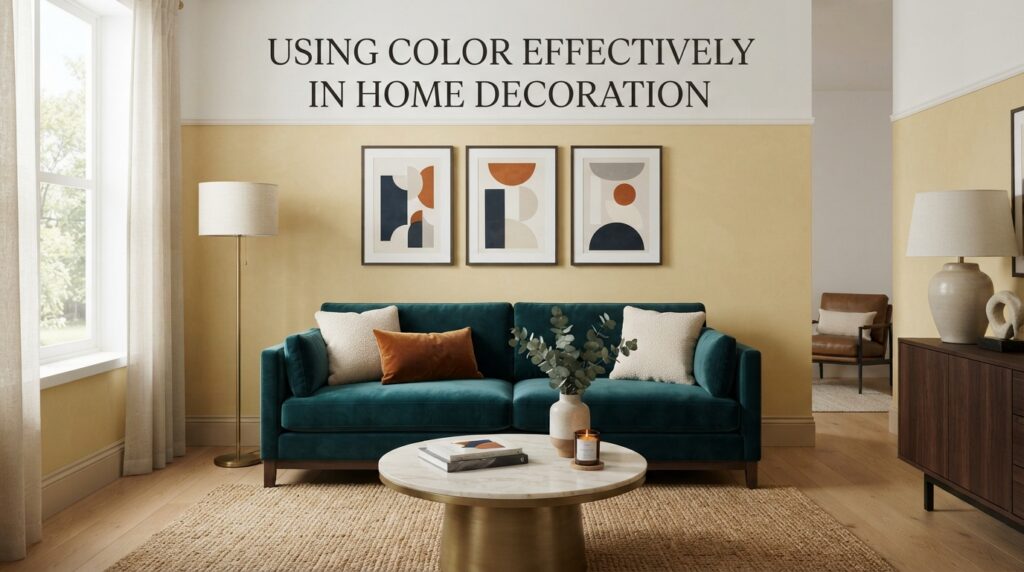
Color is one of the most powerful tools in home decoration because it instantly changes how a room feels. A well-chosen palette ties every other decision together.
Basics of Color Theory
Color theory explains how hues relate to each other through warm, cool, and neutral categories. Warm colors like red and orange create energy, while cool colors like blue and green feel calming. Understanding these relationships helps you avoid clashing combinations.
Choosing the Right Palette
A good palette usually includes one dominant color, a secondary color, and an accent shade for balance. Sticking to two or three main colors per room keeps the space looking coordinated. Testing paint samples on the wall before committing is always a smart step.
How Color Affects Mood
Colors can influence emotions, with blues and greens promoting relaxation and yellows encouraging energy and positivity. Darker tones tend to make spaces feel intimate, while lighter shades open them up. Choosing colors based on a room’s purpose improves both comfort and function.
Furniture Selection and Arrangement
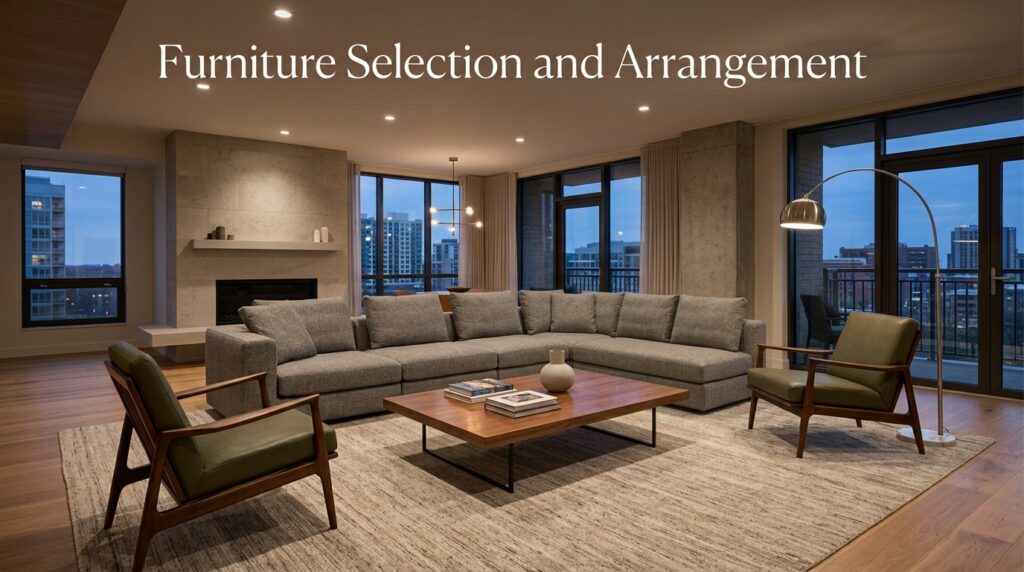
Furniture forms the functional backbone of any home decoration plan, so choosing and placing it correctly matters greatly. Poor arrangement can make even beautiful furniture look awkward.
Choosing Furniture by Function
Every piece of furniture should match the specific activities that happen in that room. A dining table needs enough space for movement around it, while a living room sofa should suit conversation and relaxation. Buying furniture without considering function often leads to wasted space.
Scale and Proportion Tips
Furniture size should always match the scale of the room to avoid a cramped or empty feeling. Oversized pieces in a small room block movement, while tiny furniture in a large room looks lost. Measuring your space before shopping prevents costly mistakes.
Arranging Small and Large Spaces
In small rooms, multi-functional and slim furniture helps maximize open floor area. In larger rooms, grouping furniture into conversational clusters keeps the space feeling connected rather than scattered. Leaving clear pathways is essential in both cases for comfortable movement.
Lighting and Textiles in Home Decor
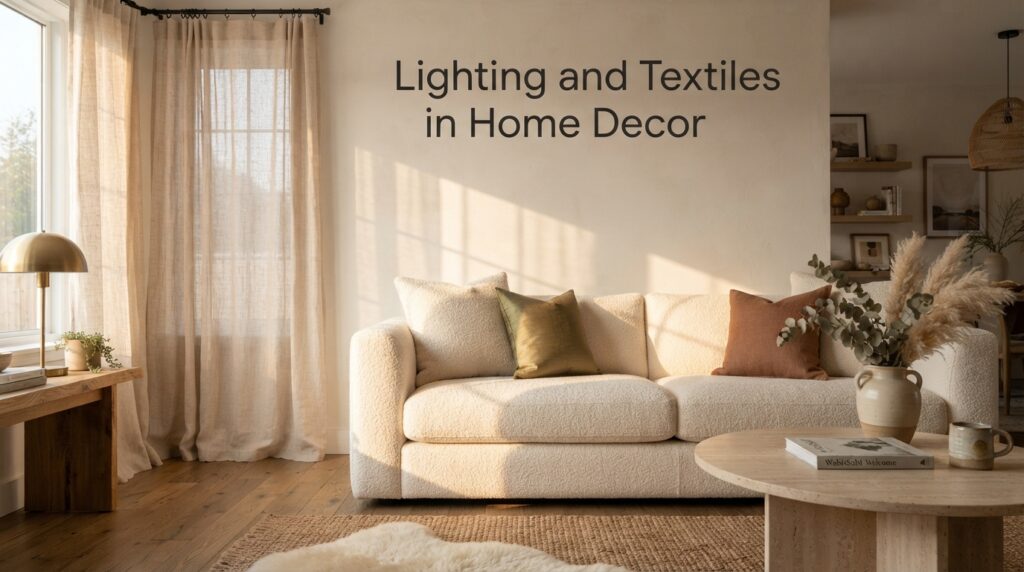
Lighting and textiles add the finishing layers that make a space feel complete and comfortable. Together they soften hard surfaces and highlight design choices.
Types of Lighting to Use
Ambient lighting provides overall illumination, task lighting supports specific activities, and accent lighting highlights decorative features. Combining all three layers creates a balanced and flexible lighting scheme. Natural light should always be maximized wherever possible before adding artificial sources.
Choosing Curtains, Rugs, and Cushions
Curtains frame windows and can control both light and privacy depending on fabric thickness. Rugs anchor furniture groupings and add warmth underfoot, especially on hard flooring. Cushions and throws are affordable ways to introduce color and texture without major investment.
Wall Decor and Accent Pieces
Wall art, mirrors, and shelves add personality while making rooms feel more finished. Mirrors are particularly useful for making small spaces appear larger by reflecting light. An accent wall in a bold color or pattern can become a striking focal point.
Room-by-Room Home Decoration Ideas
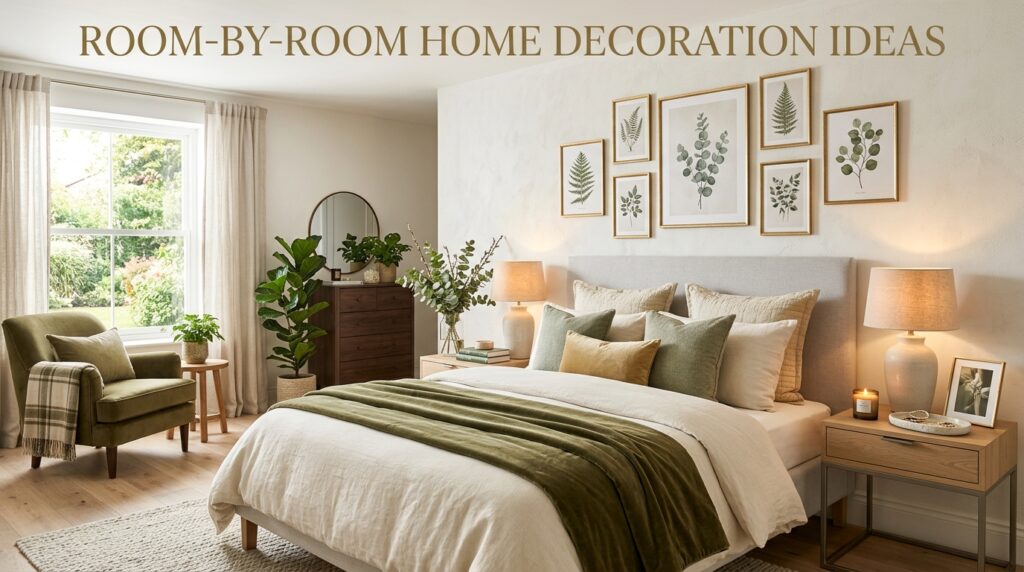
Different rooms serve different purposes, so their decoration approach should also differ accordingly. Applying general design rules to specific room needs creates better results.
Living Room and Bedroom Decoration
The living room should balance comfort with style since it is often used for both relaxing and entertaining guests. The bedroom, in contrast, should prioritize calm colors and soft textiles that support restful sleep. Both rooms benefit from a clear focal point, such as a sofa arrangement or a bed headboard.
Kitchen, Bathroom, and Home Office Decoration
Kitchen decoration should combine practicality with style, using durable materials that are easy to clean. Bathrooms benefit from moisture-resistant decor items and good ventilation alongside aesthetic choices. A home office needs organized storage and comfortable lighting to support focus and productivity.
Budget-Friendly and Sustainable Decoration Tips
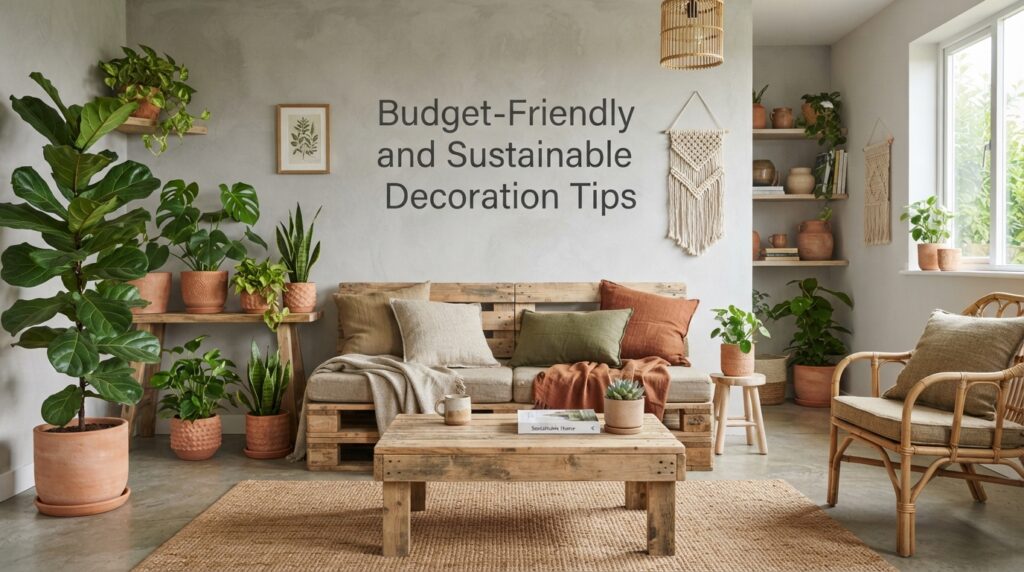
Home decoration does not require a large budget if approached thoughtfully and creatively. Small, mindful choices can make a big visual difference over time.
Affordable DIY Decoration Ideas
Simple do-it-yourself projects like repainting furniture or creating handmade wall art can transform a room affordably. Thrift stores and secondhand markets often have unique pieces at low prices. Repurposing old items, such as turning crates into shelves, adds character while saving money.
Eco-Friendly Choices for a Greener Home
Choosing sustainable materials like reclaimed wood or organic fabrics reduces environmental impact. Indoor plants not only purify air but also add natural texture and color at low cost. Buying fewer, higher-quality items instead of frequent replacements supports both budget and sustainability goals.
Common Mistakes to Avoid in Home Decoration
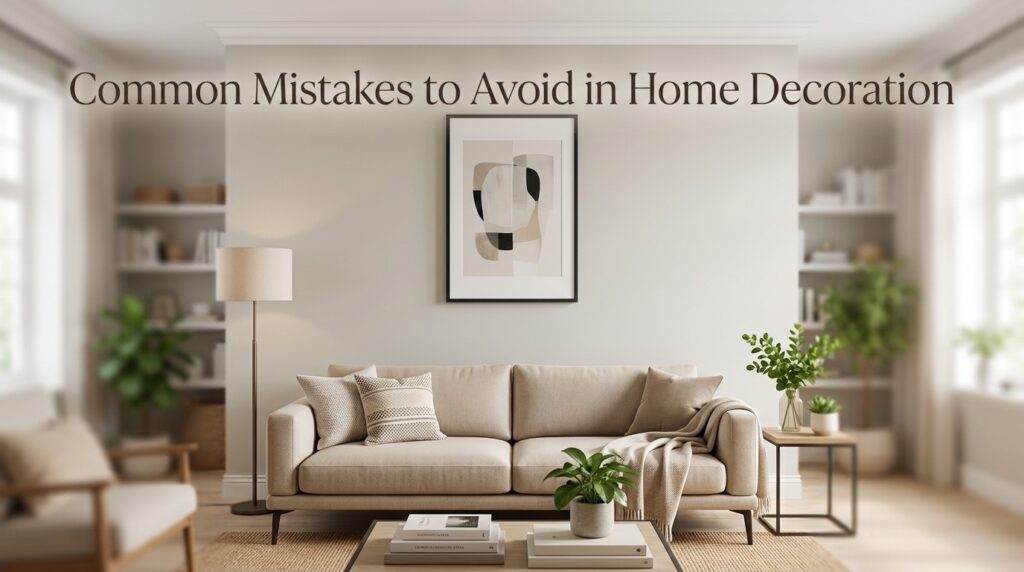
Even enthusiastic homeowners can make avoidable errors that weaken their overall home decoration results. Being aware of these common pitfalls helps you plan more carefully.
- Overcrowding a room with too much furniture or decor
- Ignoring the scale and proportion of furniture pieces
- Relying only on overhead lighting without layered options
- Mixing too many colors or patterns without a clear plan
- Skipping measurements before purchasing large items
Avoiding these mistakes keeps your home decoration project looking intentional rather than chaotic.
Frequently Asked Questions
What is the easiest way to start home decoration on a budget?
Begin with small changes like rearranging existing furniture, adding cushions, or repainting one wall before making larger purchases.
How many colors should be used in one room?
Most designers recommend limiting a room to two or three main colors for a balanced, coordinated look.
Is home decoration the same as interior design?
No, home decoration focuses on styling existing spaces, while interior design often involves structural planning and professional layout changes.
How can lighting improve home decoration?
Layered lighting highlights furniture and decor while creating mood, making even simple decor choices look more polished.
Conclusion
Home decoration is a practical and rewarding way to shape how a house feels and functions every day.
By understanding design basics, choosing a suitable style, and applying color, furniture, and lighting thoughtfully, anyone can create a space that feels personal and comfortable. Starting small, avoiding common mistakes, and staying consistent with a chosen style leads to lasting, satisfying results over time.